A Practical Guide to 6mm Steel Mesh: Strength, Applications & Innovations
The Subtle Strength Behind 6mm Steel Mesh: What You Really Need to Know
Steel mesh with a 6mm gauge might sound like a simple piece of industrial hardware, but its impact spans continents and industries. This seemingly modest material powers everything from building reinforcements to complex filtration systems. Grasping what 6mm steel mesh offers is more than just a technical exercise — it’s about understanding how infrastructure, safety, and innovation intertwine on a global scale.
The Broad Relevance of 6mm Steel Mesh in Today’s World
Steel is, arguably, one of humanity’s most transformative materials. According to ISO, steel production topped 1.8 billion tonnes in recent years, reflecting just how vital it is to our modern economy. Within this massive volume, mesh products like 6mm steel mesh excel in reinforcing concrete structures, controlling erosion, and even security fencing. The challenge? Globally, infrastructure projects face tight budgets and rising demands for durability. That’s where this mesh steps in, offering an affordable yet dependable solution.
Mini takeaway: 6mm steel mesh enables cost-efficient, robust construction globally, answering a growing need for sustainable and strong infrastructure.
What Exactly is 6mm Steel Mesh?
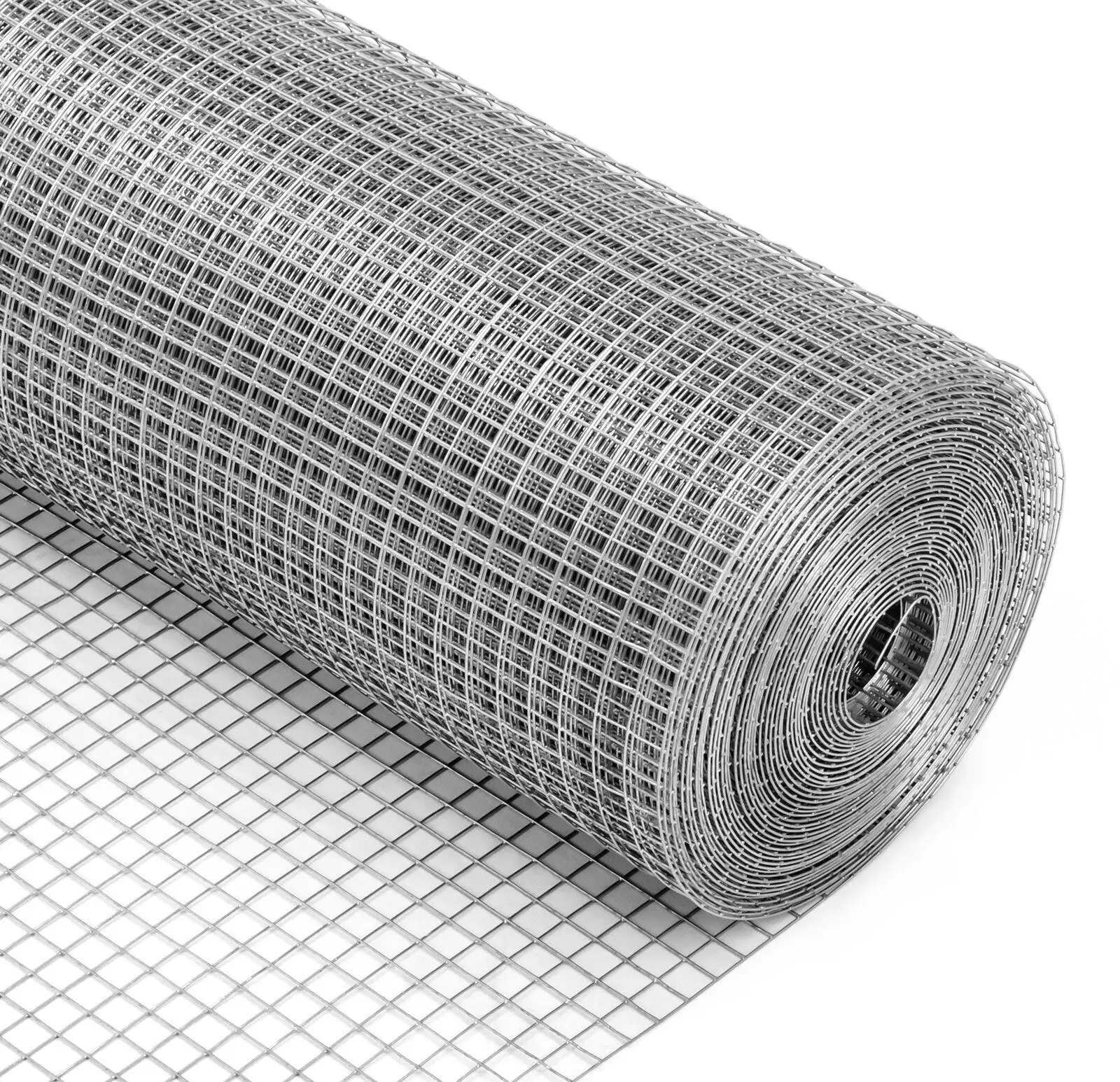
At its core, 6mm steel mesh is a grid-like assembly of steel wires each about six millimeters thick, welded or woven together to form a net. It’s not just about thickness; the spacing between wires, known as the mesh size, determines its strength and flexibility. Modern industries rely on this mesh in everything from architectural facades to heavy-duty cages. Oddly enough, it even plays a quiet role in disaster relief — reinforcing temporary shelters or containment walls.
In humanitarian contexts, the mesh provides a simple yet strong framework that accelerates assembly and maintains safety in tough environments. So, it’s not just a “metal net” — it’s a backbone for resilience.
Core Characteristics That Make 6mm Steel Mesh Stand Out
1. Durability
Steel itself is renowned for resisting wear and stress, and a 6mm mesh strikes a perfect balance by being thick enough to withstand heavy loads, yet flexible enough to absorb impacts without cracking. For engineers, it means structures last longer and handle pressure better.
2. Scalability
This mesh design is incredibly adaptable. You’ll find it in small residential projects just as easily as in sprawling industrial complexes. Plus, sections can be cut and customized on-site, saving time and fitting unique architectural needs.
3. Cost Efficiency
Compared to thicker reinforcement bars or other materials, 6mm steel mesh often offers a sweet spot — enough strength without the hefty price. It reduces labor time and uses less raw material, which adds up over large projects.
4. Corrosion Resistance
When galvanized or coated, this mesh fights rust effectively, making it ideal for outdoor or damp environments — think coastal buildings or drainage reinforcements.
5. Safety & Compliance
Standards like ASTM A1064 ensure consistent quality in mesh products, meaning safety codes are easier to meet and exceed.
Mini takeaway: From strength to flexibility and cost savings, these factors make 6mm steel mesh a versatile star in construction and beyond.
Where Around the Globe Does 6mm Steel Mesh Roll Up Its Sleeves?
Several sectors lean heavily on this product:
- Construction: Foundational work, concrete reinforcement, or fencing solutions in countries like China, India, and Brazil.
- Agriculture: Protecting crops or livestock in rural Africa and parts of Eastern Europe.
- Disaster Relief: NGOs use 6mm steel mesh as quick-to-assemble supports in temporary housing across Southeast Asia and the Middle East.
- Industrial Sites: Mining and manufacturing plants rely on its tailored durability to enhance safety zones.
For instance, after the 2015 Nepal earthquake, engineers praised steel mesh reinforcement for stabilizing new structures fast. Over in Australia, it’s common in erosion control frameworks because the mesh can hold soil while allowing vegetation recovery — a neat balance between nature and engineering.
Advantages That Matter: Why It’s More Than Just Wire
Using 6mm steel mesh combines logical benefits and emotional assurances:
- Cost Savings: Lower material and labor expenses mean tighter budgets don’t have to sacrifice safety.
- Sustainability: With recyclability and lower carbon footprint via less raw steel, it aligns with climate-conscious efforts.
- Trust & Safety: For developers and occupants, the reliability reduces anxiety around structural failures.
- Innovation Potential: Being customizable sparks creativity among architects and engineers.
When you think about it, it doesn’t often get praised for how much security it quietly brings — but 6mm steel mesh really offers peace of mind.
Technological Waves Shaping the Future of 6mm Steel Mesh
Steel mesh isn’t static. Industry leaders are exploring:
- Advanced coatings: Nano-technology improving rust resistance.
- Automation in fabrication: 3D wire bending to create more complex patterns.
- Sustainability policies: ISO initiatives pushing greener steel manufacturing.
- Smart mesh: Embedding sensors for real-time structural health monitoring.
These innovations will likely make the mesh stronger, lighter, and able to “communicate” its condition, which frankly sounds like something straight out of a sci-fi novel.
Facing Challenges Head-On: Real Talk About 6mm Steel Mesh Limitations
Of course, no product is without flaws. When put under harsh chemical attacks or uncoated exposure to salty air, corrosion rates can still rise. Some regions also face supply chain delays, making consistent mesh availability tough. Plus, improper installation risks weaken its performance — something many field engineers emphasize.
Experts suggest investing in better coating tech and standardized training for installers to mitigate these issues. Plus, securing reliable suppliers (more on that below) is key to maintaining quality.
Practical FAQ: Your 6mm Steel Mesh FAQs Answered
- Q: How does 6mm steel mesh improve concrete structures compared to rebar?
- A: While reinforcing bars provide linear strength, 6mm steel mesh creates a uniform load distribution, controlling cracking more effectively and speeding up installation.
- Q: Is 6mm steel mesh suitable for coastal construction?
- A: Yes, especially when galvanized or coated. It resists saltwater corrosion better than bare steel, though regular inspections are recommended.
- Q: Can steel mesh be customized for irregular project shapes?
- A: Absolutely. It can be cut, bent, or welded on-site to fit unique designs, offering great flexibility.
- Q: How do NGOs acquire steel mesh for disaster relief projects internationally?
- A: Many work with certified local vendors or international suppliers who comply with export regulations and logistics requirements, ensuring timely delivery.
- Q: What maintenance is required for steel mesh fencing?
- A: Routine checks for corrosion spots and timely repainting or coating touch-ups extend lifespan significantly.
Product Specification Table: Typical 6mm Steel Mesh Characteristics
| Specification | Details |
|---|---|
| Wire Diameter | 6 mm ± 0.1 mm |
| Mesh Opening Size | 50 mm x 50 mm (typical) |
| Material | Low-carbon Mild Steel / Galvanized steel |
| Surface Treatment | Galvanized, PVC Coating (optional) |
| Standard Compliance | ASTM A1064 / ISO 6935-2 |
| Panel Size | 2m x 6m standard (custom sizes available) |
Vendor Comparison Table: Choosing Your 6mm Steel Mesh Supplier
| Supplier | Product Quality | Lead Time | Customization Options | Pricing |
|---|---|---|---|---|
| SteelMater Pro | ISO Certified, High Durability | 2–3 weeks | Wide Range | $$ |
| MeshMax Global | Good, Galvanized Coating | 1–2 weeks | Moderate | $ |
| YJ Wire Mesh Co. | Premium Quality, Custom Engineering | 3–4 weeks | Extensive | $$$ |
Wrapping It Up: Why 6mm Steel Mesh Deserves Your Attention
So, after all this, you might say, "It’s just wire. Why care?" But 6mm steel mesh quietly shapes the safety and success of so many projects. It merges technical rigor with practical versatility and even touches social goals — think safer buildings in disaster zones or long-lasting infrastructure that respects budgets and the earth.
If your next project could use a bit of sturdy, cost-effective reinforcement, it’s worth investigating options like 6mm steel mesh. You might find it’s exactly what your engineers and end users need.
I suppose that’s the charm — sometimes, strength really does come from the details…
References
-
High Quality Anti Bird Agro Net for Professional Crop ProtectionNewsApr.16,2026
-
Guide to Bird Netting Cost Per Square Foot and Material OptionsNewsApr.09,2026
-
Comprehensive Guide to Bird Netting Cost Factors and Material ChoicesNewsApr.07,2026
-
Comprehensive Guide to Bird Net for Balcony Cost and Installation OptionsNewsApr.04,2026
-
Comprehensive Guide to Bird Netting Price and Effective Protection SolutionsNewsMar.31,2026
-
Comprehensive Guide to Nylon Bird Net Price Factors and OptionsNewsMar.28,2026