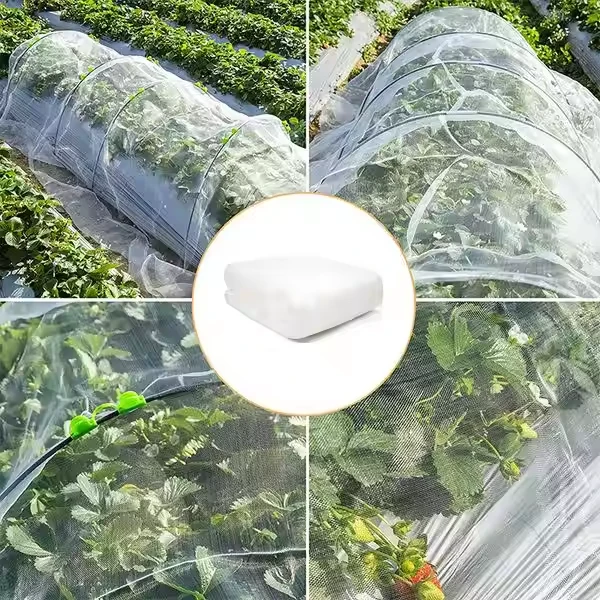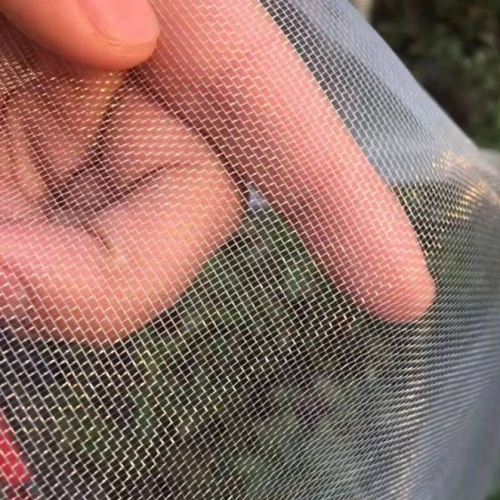
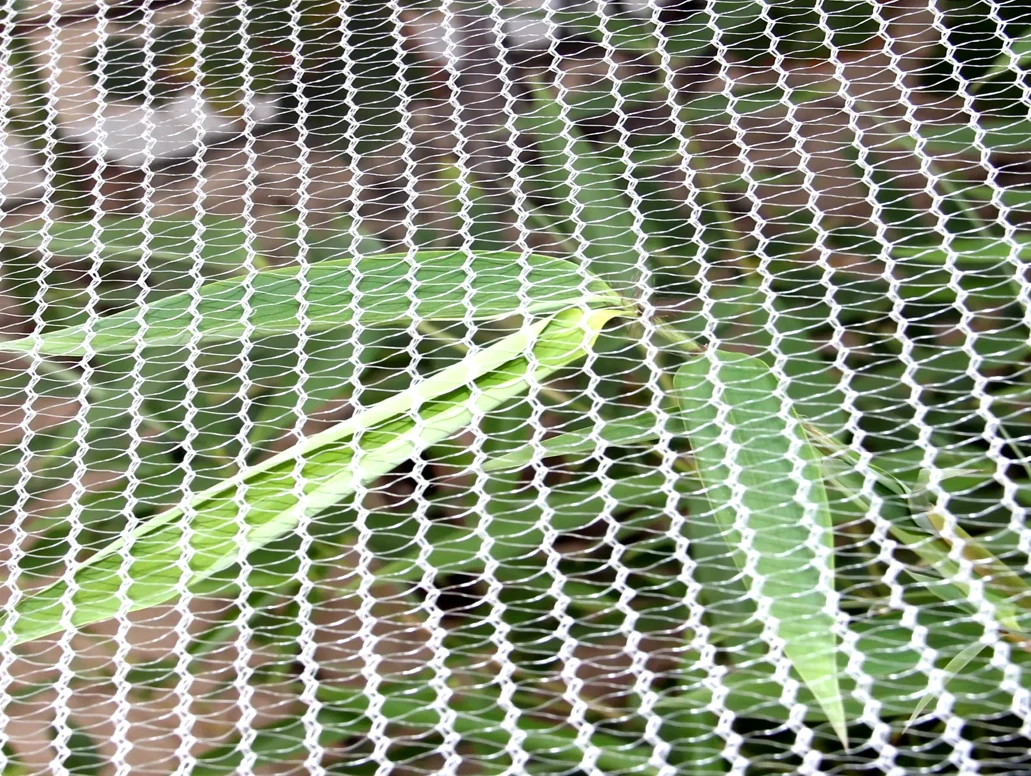
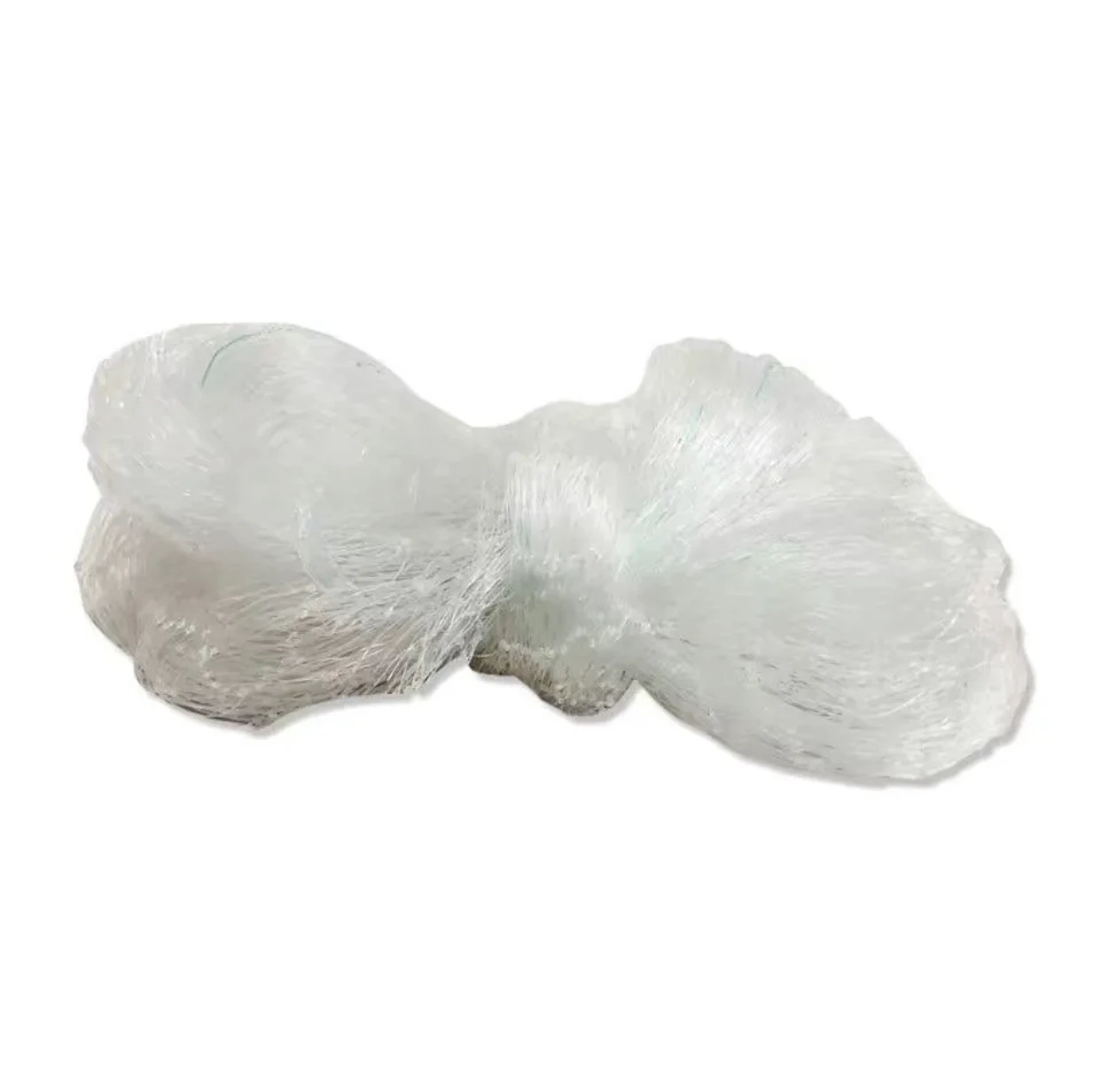
Advanced Protection with insect proof mesh for Dutch Horticulture

High-precision engineering for the Netherlands' intensive agricultural sector, combining durability with optimal ventilation.

Advanced Protection with insect proof mesh for Dutch Horticulture

Providing state-of-the-art mesh solutions specifically designed to meet the rigorous standards of the Netherlands' greenhouse and open-field farming environments.

Agricultural Mesh Landscape in the Netherlands

Addressing the challenges of high-density farming in Western Europe.

The Netherlands is a global leader in agritech, characterized by high-tech greenhouse clusters. The demand for agricultural net is driven by the need to maximize yield per square meter while minimizing chemical pesticide use, shifting the focus toward physical barriers.

Given the maritime climate of the Netherlands, moisture control and wind resistance are critical. The industry has evolved to require specialized nylon mesh that can withstand high humidity and saline air without compromising structural integrity or airflow.

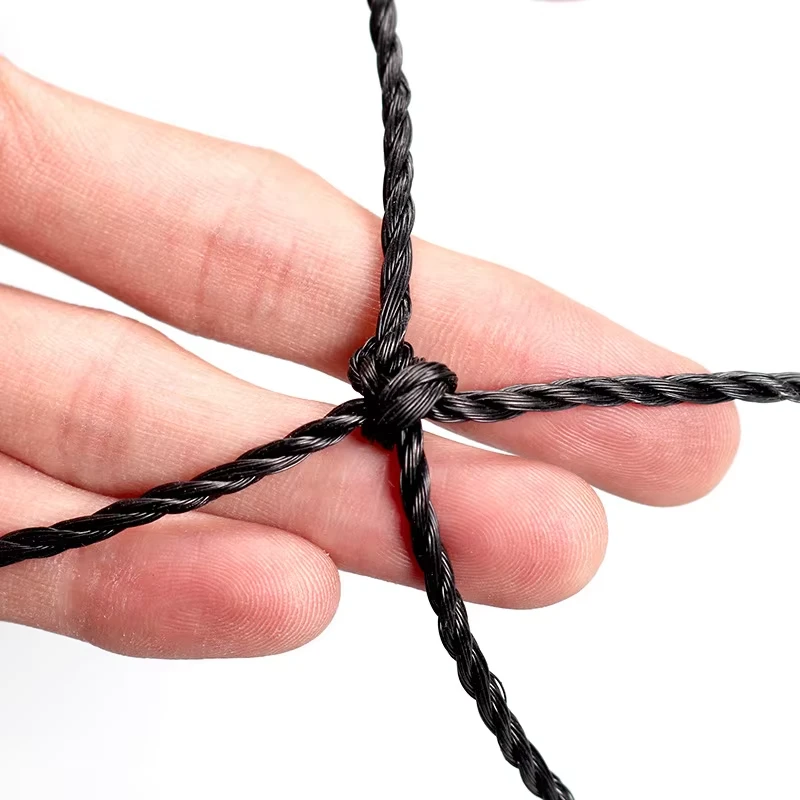
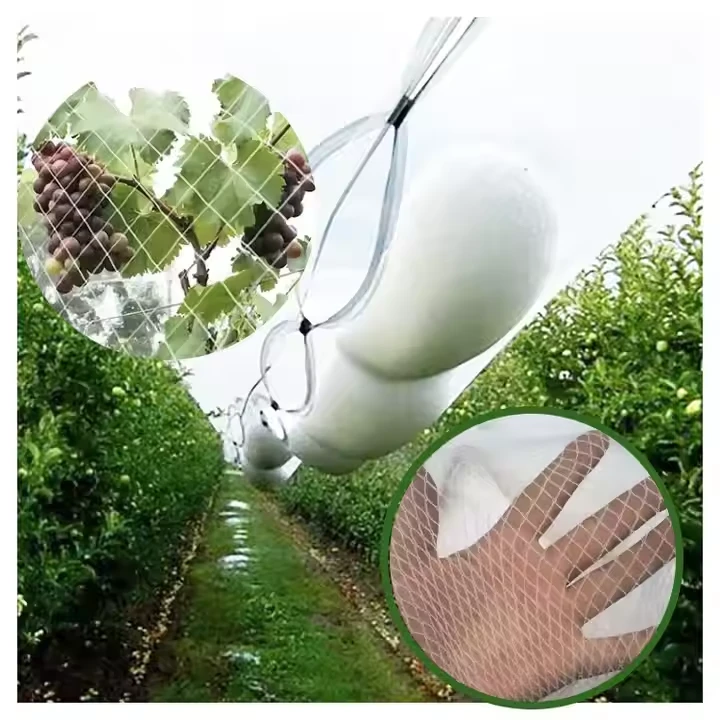
Furthermore, the increasing frequency of extreme weather events in Europe has forced Dutch growers to integrate anti hail net systems into their infrastructure to protect high-value crops from sudden storm damage, ensuring food security and economic stability.
Evolution of Mesh Technology in Dutch Farming

From basic enclosures to smart protective barriers.

Market Development History

In the late 20th century, the Dutch market relied heavily on traditional heavy-duty wire meshes. These provided basic security but lacked the precision needed for pest management and climate control in specialized horticulture.

Between 2000 and 2015, the transition to polymers began. The introduction of UV-stabilized materials allowed for the widespread adoption of safety mesh and fine-denier synthetic nets, reducing the weight of greenhouse structures and increasing installation efficiency.

From 2016 to the present, the focus has shifted to "functionalized" meshes. Modern iterations now incorporate anti-static properties and specific pore sizes tailored to the exact morphology of regional pests, marking the era of precision protection.

Future Development Trends

Biodegradable Polymer Integration

Driven by EU Green Deal regulations, the next 3 years will see a surge in compostable mesh materials that reduce plastic waste in the Netherlands' soil.

IoT-Integrated Smart Meshes

Integration of conductive fibers into the mesh structure to monitor temperature and humidity in real-time, alerting growers via cloud systems.

Nanofiber Coating Technology

Applying nano-coatings to increase hydrophobic properties, preventing mold growth and enhancing the lifespan of the mesh in the humid Dutch climate.

Future Trends and Strategic Outlook

Projecting the trajectory of the metal and polymer mesh industry in the EU.

Circular Economy Adoption
Shifting toward 100% recyclable HDPE and PET materials to comply with Dutch waste management laws.
Precision Pest Targeting
Developing mesh with micron-level accuracy to block specific insects while maximizing pollination.
Automated Installation
Designing mesh rolls compatible with robotic deployment systems used in large-scale Dutch greenhouses.
Climate-Adaptive Mesh
Materials that adjust porosity based on ambient temperature to regulate greenhouse ventilation.

Industry Outlook

Based on Google search trends for "sustainable farming materials" in the Netherlands, we anticipate a 20% increase in demand for high-performance, eco-friendly protective nets over the next 3-5 years.

The synergy between traditional metal wire craftsmanship and modern polymer science will define the market, focusing on durability, UV resistance, and strict adherence to EU environmental certifications.

Localized Application Scenarios in the Netherlands

Tailored solutions for the diverse Dutch agricultural and industrial landscape.

1. Westland Greenhouse Clusters

Deployment of high-density insect proof mesh to prevent the entry of whiteflies and thrips in Europe's most concentrated glasshouse region.

2. Zeeland Fruit Orchards

Installation of heavy-duty anti hail net to protect premium apple and pear harvests from sudden North Sea storm cells.

3. Urban Rooftop Gardens in Rotterdam

Utilization of lightweight nylon mesh for vertical farming support and bird protection in urban architectural settings.

4. Industrial Safety Zoning in Eindhoven

Applying reinforced safety mesh for perimeter protection and machinery guarding in high-tech manufacturing plants.

5. North Holland Tulip Fields

Implementation of seasonal agricultural net for frost protection and windbreak management during critical growth phases.

Brand Story

Global Development Journey of Anping Yongju Metal Products Co., Ltd.

Industrial Roots

Founded in the heart of China's wire mesh capital, we started with a mission to perfect the art of metal weaving for industrial use.

Material Diversification

Recognizing the shift toward polymers, we integrated synthetic fiber technology to provide comprehensive agricultural protection solutions.

EU Standard Alignment

We invested heavily in R&D to ensure all products meet the stringent REACH and RoHS certifications required for the European market.

Global Logistics Network

Established a streamlined supply chain to deliver high-volume orders to the Netherlands and surrounding regions with unmatched lead times.

Sustainability Commitment

Our current mission is to lead the industry in "Zero-Waste" mesh production, solving the pain point of agricultural plastic pollution.

Frequently Asked Questions - Netherlands Market

Expert answers to common technical queries regarding mesh installation and selection.

How do I choose the right mesh size for insect proof mesh in Dutch greenhouses?

You should select the mesh size based on the specific pest you are targeting; for thrips, a mesh aperture of 0.15mm to 0.2mm is recommended to ensure total exclusion without blocking airflow.

Is nylon mesh resistant to the salty air of coastal regions like Zeeland?

Yes, our premium nylon mesh is treated with a specialized UV-stabilizer and anti-corrosive coating, making it highly durable in high-salinity maritime environments.

What is the typical lifespan of an anti hail net in Western Europe?

Depending on the UV stabilization grade, our high-density polyethylene (HDPE) hail nets typically last 5 to 8 years under standard Dutch weather conditions.

Does agricultural net impact the light transmission for indoor crops?

Our nets are engineered with a high transparency ratio. Depending on the shade percentage chosen, light transmission is optimized to prevent leaf burn while ensuring photosynthesis.

What safety certifications apply to safety mesh used in industrial sites?

Industrial safety meshes must comply with EU EN standards for tensile strength and flame retardancy to be legally installed in commercial workspaces.

Can these mesh products be recycled within the Dutch waste system?

Yes, most of our polymer-based meshes are made from recyclable HDPE or PET, which can be processed through industrial plastic recycling centers in the Netherlands.

Ready to Optimize Your Crop Protection?

Get a professional consultation for your specific project needs in the Netherlands. Our engineers are ready to help you select the perfect mesh.

Contact Us Now
text

If you are interested in our products, you can choose to leave your information here, and we will be in touch with you shortly.