Agricultural Nets for Sale: Durable Crop Protection Solutions Worldwide
Agricultural Nets for Sale: Protecting Global Crops One Mesh at a Time
At first glance, agricultural nets might seem like a simple product — just mesh material stretched over farmland, right? But honestly, they’re far more than that. They’re a cornerstone of modern sustainable farming and crop protection worldwide. This netting addresses fundamental challenges like pest control, sun damage, and even extreme weather impacts. Whether it’s for a smallholder farmer in Sub-Saharan Africa or a vast commercial orchard in California, agricultural nets for sale represent innovation meeting practical necessity.
Why It Matters Globally
According to the Food and Agriculture Organization (FAO), crop losses from pests and environmental stressors can reach up to 40% of total production in some regions. With a growing global population and rising food demand, protecting crops effectively is more urgent than ever. Agricultural nets have emerged as a smart, eco-friendly solution that not only boosts yields but also reduces reliance on chemical pesticides and conserves resources. Frankly, understanding these nets is key to grasping how agriculture is evolving worldwide.
Defining Agricultural Nets for Sale
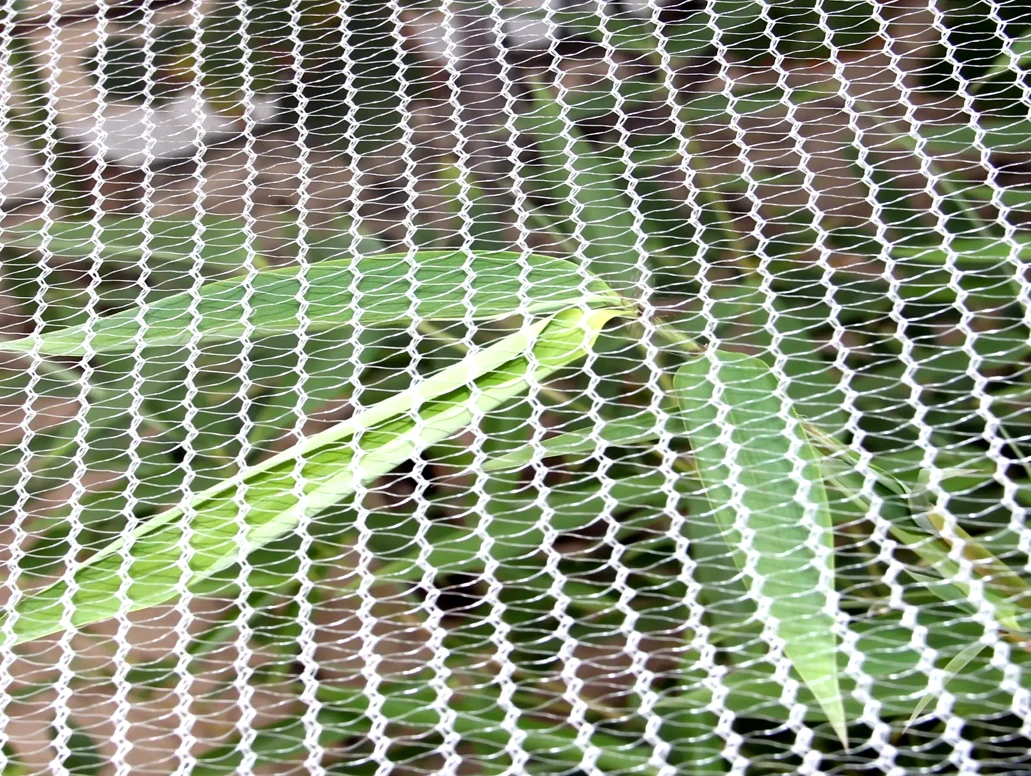
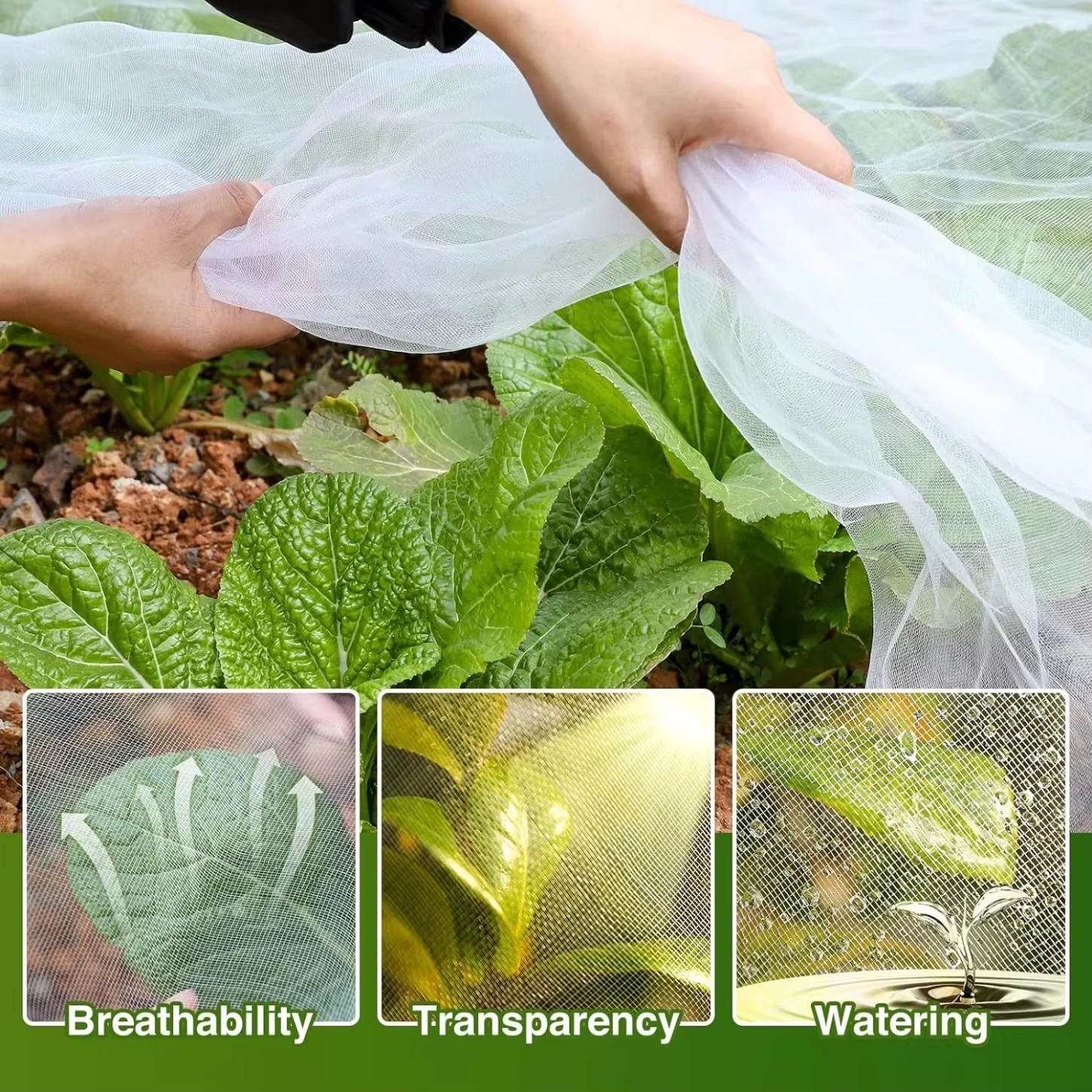
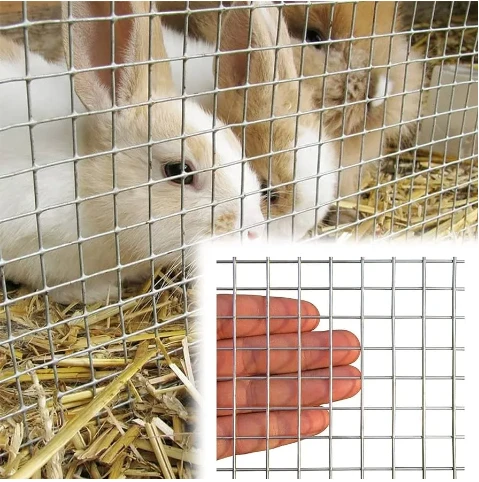
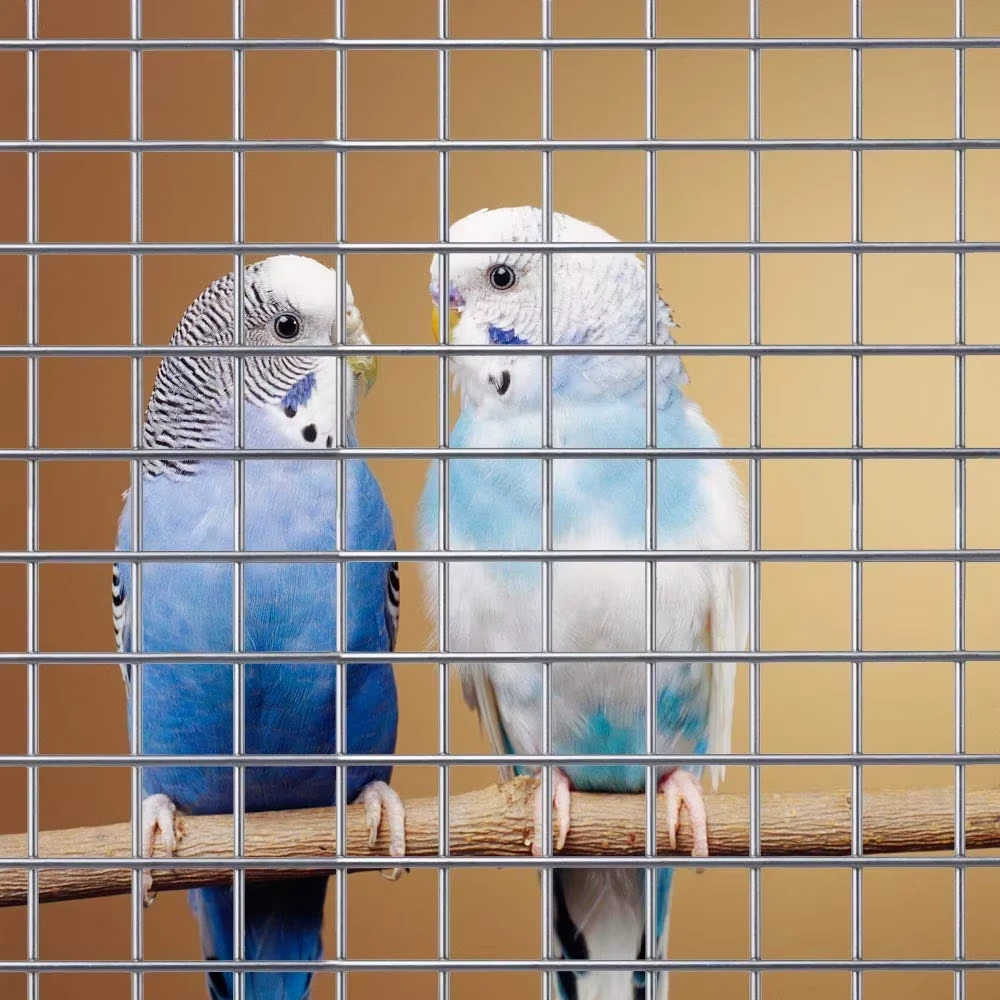
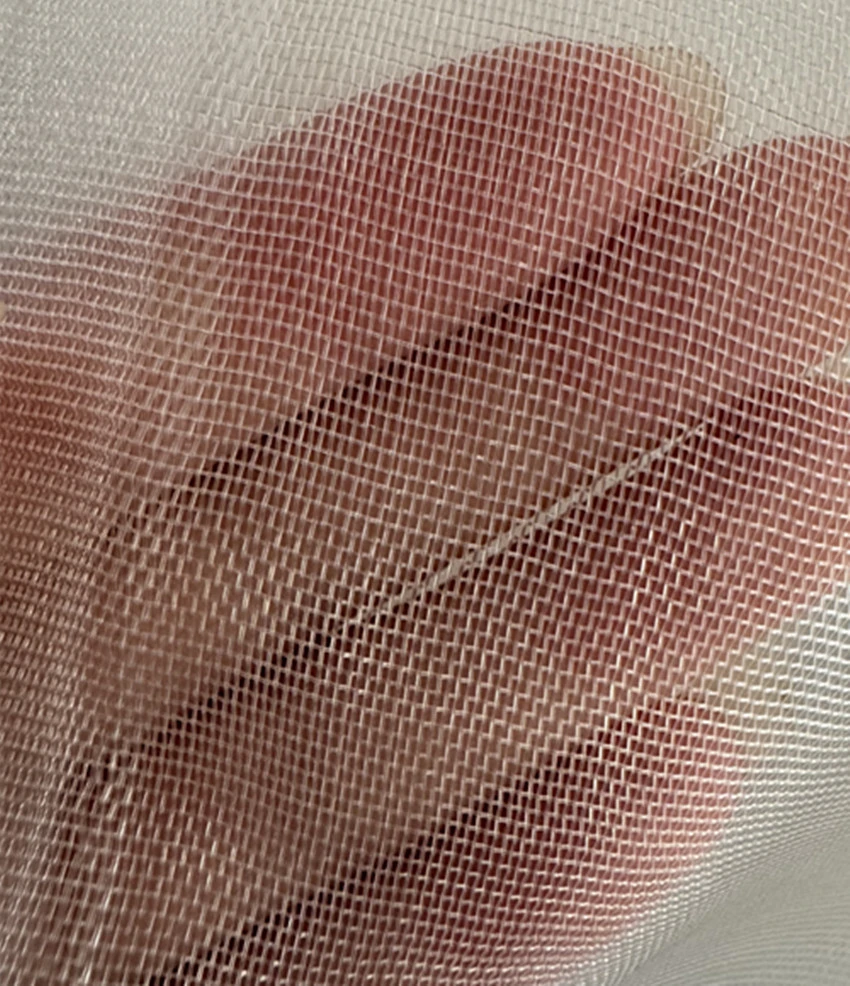
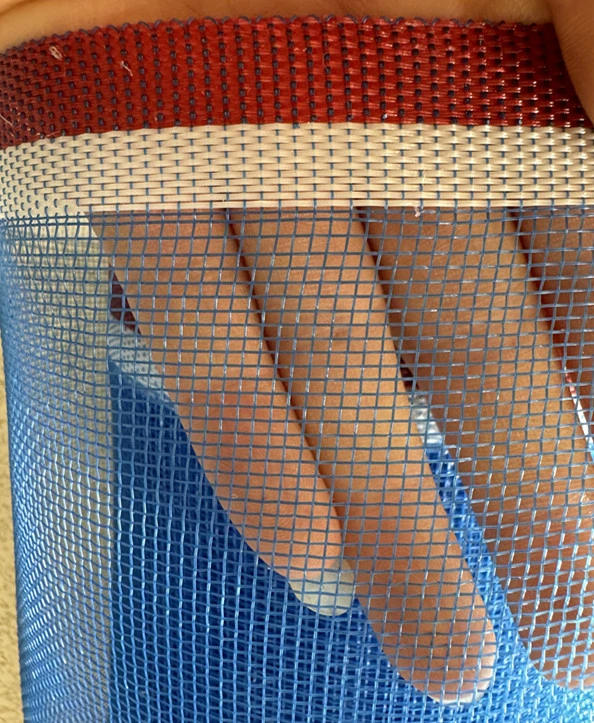
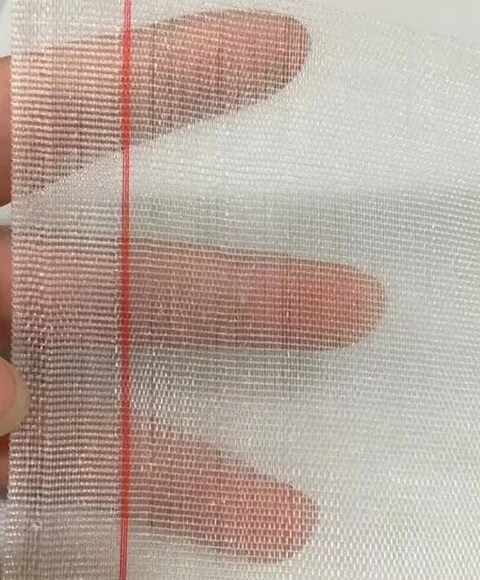
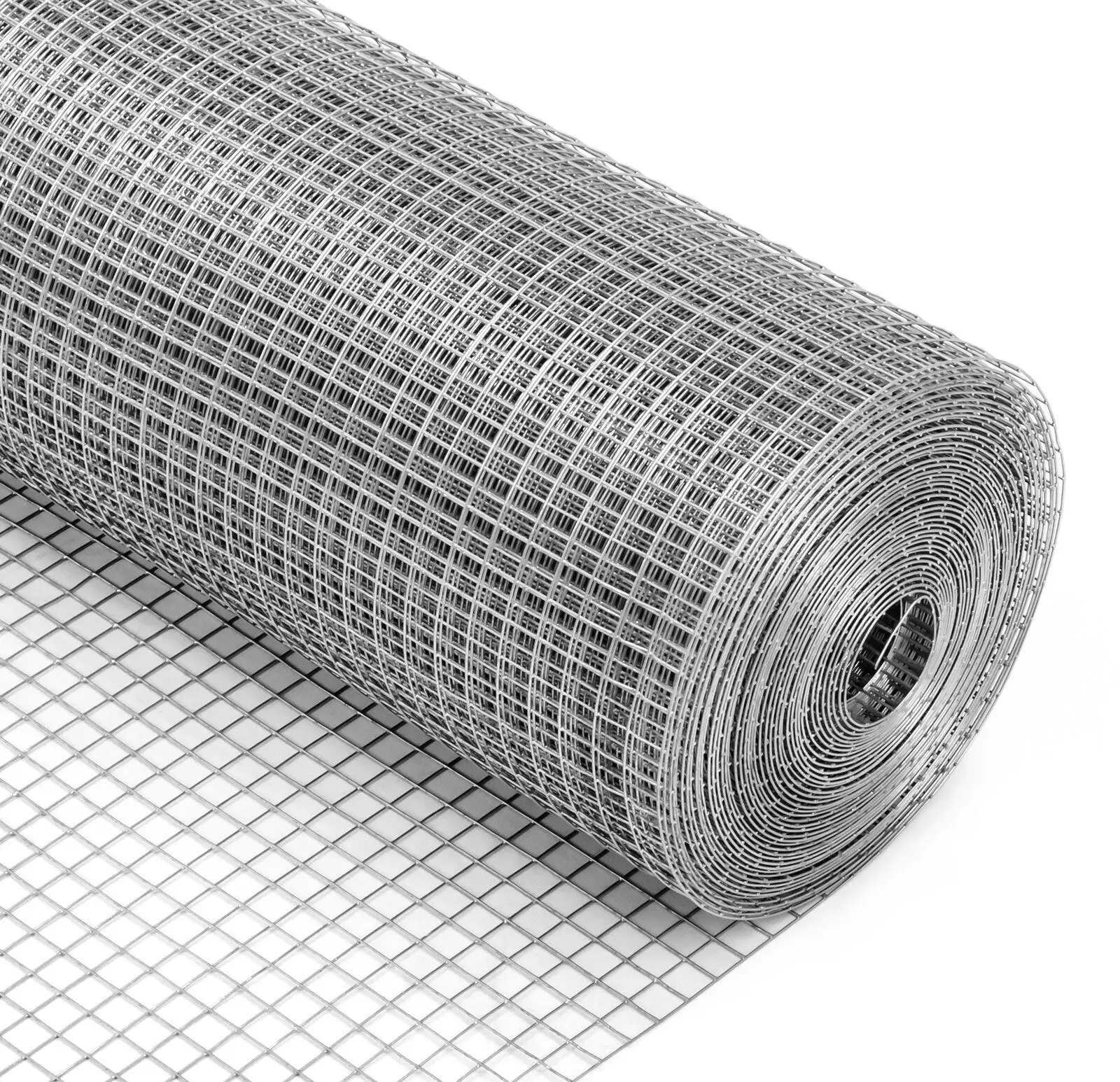
So, what exactly are these agricultural nets? Simply put, agricultural nets are woven or knitted fabrics designed to protect crops, livestock, and aquaculture from environmental damage or pests. They come in various forms: shade nets, bird nets, insect nets, and hail nets, among others. By offering physical barriers or controlled microclimates, these nets help maintain better growing conditions, enhance productivity, and reduce crop losses.
They bridge the gap between traditional farming and modern agro-industry, and, oddly enough, they also have applications in humanitarian efforts, like safeguarding smallholder setups in disaster-prone areas.
Key Factors to Consider When Buying Agricultural Nets
Durability & UV Resistance
Since agricultural nets are often exposed to harsh sunlight, rain, and wind, durability is non-negotiable. Most nets are made from polyethylene or polypropylene with UV stabilization treatments to extend their lifespan up to 5-7 years, sometimes more under optimal care. This resilience means less frequent replacement — a real cost saver.
Mesh Size & Density
Mesh specifications depend entirely on the intended use. For instance, fine insect nets might have mesh openings under 1 millimeter to keep out tiny pests, while bird nets have larger holes around 20-40 millimeters. The choice influences airflow, light transmission, and protection level.
Scalability & Customization
The best agricultural nets are adaptable — available by roll length, width, and colors suited to specific crops or climates (green, black, or white nets each have their uses). This flexibility allows farmers and commercial growers to deploy solutions tailored for small plots or large-scale farms seamlessly.
Cost Efficiency
It's not just about price per meter — you need to factor in the lifespan, maintenance, and impact on yields. Good nets often repay their initial investment multiple times over by enhancing crop quality and reducing pesticide expenses.
Environmental Impact
With global agriculture under pressure to become more sustainable, choosing recyclable or biodegradable net options is gaining traction. Some manufacturers now incorporate green polymers or design nets for easy recyclability post-use.
Product Specifications: Typical Agricultural Nets Comparison
| Specification | Insect Net | Bird Net | Shade Net (30-50%) |
|---|---|---|---|
| Material | HDPE + UV Stabilized | Polypropylene | Polyethylene |
| Mesh Size | 20-40mm | N/A | |
| Lifespan | 5-7 years | 3-5 years | 4-6 years |
| Light Transmission | >85% | Varies | 30-50% |
Global Applications & Use Cases
Across continents, agricultural nets play varied and critical roles. Mediterranean farmers rely on shade nets to prevent sun scorch on delicate fruits like grapes and olives. In Southeast Asia's rice paddies, insect nets create pesticide-free zones supporting organic farming efforts. Meanwhile, commercial apple orchards in the US Pacific Northwest use hail nets to protect precious fruit during storm seasons.
NGOs and governments also promote the use of agricultural nets in disaster-prone regions to sustain smallholder yields after floods or droughts. For example, in East Africa, drought-resistant crops coupled with protective nets have improved food security among vulnerable communities.
In industrial agri-hubs, large-scale mesh installations reduce post-harvest losses by safeguarding grain silos and outdoor warehouses from birds or rodents.
Advantages & Long-Term Value
- Cost Savings: Less pesticide use and lowered crop damage reduce operational expenses.
- Environmental Sustainability: Physical barriers minimize chemical runoff pollution.
- Improved Yields: Optimized microclimate enhances growth conditions.
- Safety & Quality: Nets protect produce from contamination, enhancing market value.
- Social Impact: Stability in food production empowers farming communities economically and socially.
It’s worth noting that farmers often express peace of mind knowing their crops have a physical shield — it feels reliable in unpredictable conditions. Plus, when buyers notice produce quality improving, trust and relationships deepen.
Future Trends & Innovations in Agricultural Nets
The future is quite dynamic for agricultural nets. Manufacturers are experimenting with biodegradable polymers that break down harmlessly post-use, reducing plastic waste. There’s also a rising integration of smart technologies — nets embedded with sensors tracking temperature, humidity, or UV exposure to provide real-time data back to growers.
Additionally, with increasing emphasis on climate resilience, we see the rise of multifunctional nets combining pest screening with solar energy harvesting capabilities. Digital marketplaces are expanding access to customized nets for remote farmers, thanks to improved supply chain logistics.
Vendor Comparison for Agricultural Nets
| Vendor | Product Range | Customization Options | Sustainability Focus | Typical Lead Time |
|---|---|---|---|---|
| YJ Wire Mesh | Insect, Bird, Shade, Hail Nets | Roll size, Color, Mesh Type | UV stabilized & recyclable nets | 2-4 weeks |
| AgroMesh Corp | Primarily Shade Nets, some Insect Nets | Standard dimensions, limited colors | Standard UV stabilization | 3-6 weeks |
| EcoAg Netting | Biodegradable Nets mainly | Custom mesh size and color | High emphasis on sustainability | 4-8 weeks |
Challenges & Solutions
No product is without flaws. One issue many farmers face is the initial cost barrier, especially in low-income regions. However, securing grants or NGO partnerships can help ease upfront expenses. Another challenge is proper installation and maintenance; poorly fixed nets can tear quickly or trap moisture, risking crop disease.
Training programs and user guides are proving invaluable to fix this, alongside ongoing development of modular, clip-on net systems enabling easier deployment without specialized labor.
FAQ: Frequently Asked Questions About Agricultural Nets for Sale
- What types of agricultural nets are best for organic farming?
- Insect nets designed to block tiny pests with fine mesh are ideal, as they minimize the need for chemical pesticides, supporting organic standards.
- How long do agricultural nets typically last outdoors?
- Most high-quality nets last between 4-7 years depending on exposure, UV resistance, and handling. Regular inspection improves longevity.
- Can agricultural nets reduce water usage?
- Shade nets can moderate microclimates, reducing evaporation and thus indirectly saving water — a growing benefit in drought-prone areas.
- Are there eco-friendly options available?
- Yes, biodegradable nets and recyclable polyethylene variants exist, ideal for reducing plastic waste and improving sustainability footprints.
- How can small-scale farmers access agricultural nets?
- Many vendors offer smaller roll lengths or group purchase options. NGOs often facilitate distribution in developing regions to enhance food security.
Conclusion
Exploring agricultural nets for sale reveals a product that’s wonderfully simple yet profoundly impactful. They represent pragmatic technology — equal parts innovation and tradition — that safeguards crops, improves sustainability, and supports livelihoods worldwide. Whether you’re a grower, policymaker, or distributor, understanding these nets equips you to contribute meaningfully to food security and sustainable agriculture.
If you want reliable, customizable solutions, I recommend visiting https://www.yjwiremesh.com for quality agricultural nets tailored to your needs.
Oddly enough, the humble agricultural net might just be one of the quietest, yet most vital heroes of global farming today.
-
High Quality Anti Bird Agro Net for Professional Crop ProtectionNewsApr.16,2026
-
Guide to Bird Netting Cost Per Square Foot and Material OptionsNewsApr.09,2026
-
Comprehensive Guide to Bird Netting Cost Factors and Material ChoicesNewsApr.07,2026
-
Comprehensive Guide to Bird Net for Balcony Cost and Installation OptionsNewsApr.04,2026
-
Comprehensive Guide to Bird Netting Price and Effective Protection SolutionsNewsMar.31,2026
-
Comprehensive Guide to Nylon Bird Net Price Factors and OptionsNewsMar.28,2026