Comprehensive Guide to Bird Screen Mesh Price Factors and Selection
Understanding Bird Screen Mesh Price and Factors Affecting It
When considering protection for poultry, crops, or infrastructure, bird screen mesh is an essential investment. Understanding the factors that influence bird screen mesh price is crucial for making an informed purchase. This article will explore these factors, detailing material types, mesh sizes, and quantities, and provide guidance on finding the best value for your specific needs. Choosing the right mesh not only protects your assets but also ensures longevity and cost-effectiveness.
Key Factors Influencing Bird Screen Mesh Price
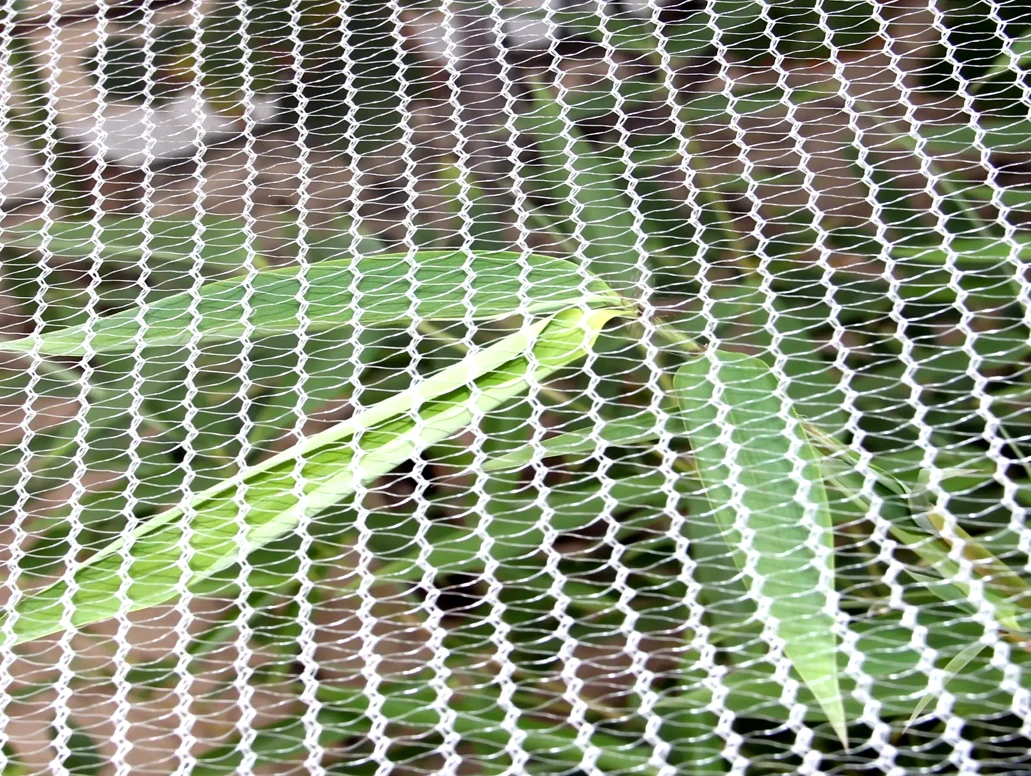
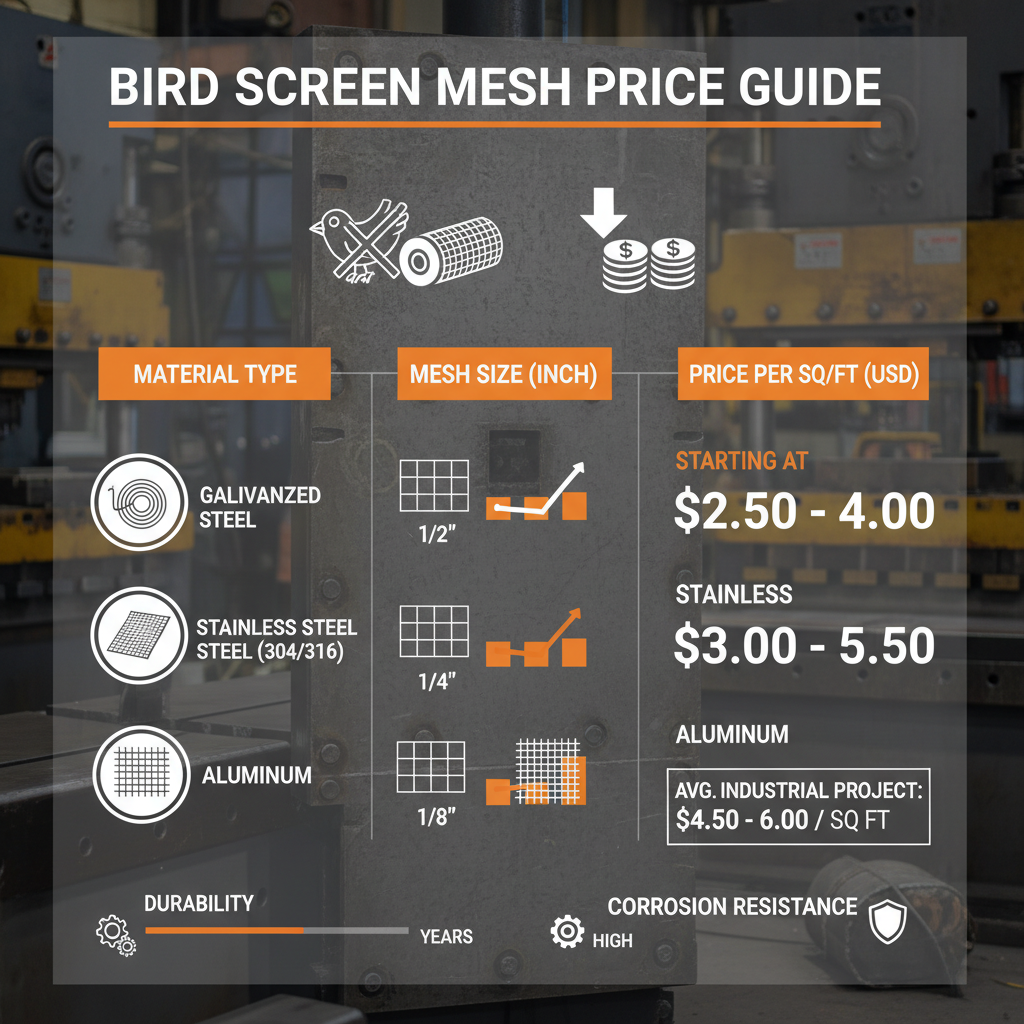
Several key elements contribute to the final price of bird screen mesh. The most significant is the material used. Stainless steel mesh generally commands a higher price due to its superior corrosion resistance and durability. Polyethylene (PE) mesh is a more affordable option, suitable for less demanding applications. Another crucial factor is the mesh size – finer meshes require more material and intricate weaving, increasing the cost. Finally, the quantity ordered significantly impacts the per-unit price; larger orders typically benefit from bulk discounts. Understanding these factors will help you narrow down your options and obtain the best possible deal.
Key Highlights: Material, mesh size, and order quantity are the primary determinants of bird screen mesh price. Stainless steel is more durable but expensive, while polyethylene offers an affordable alternative.
Material Comparison: Stainless Steel vs. Polyethylene
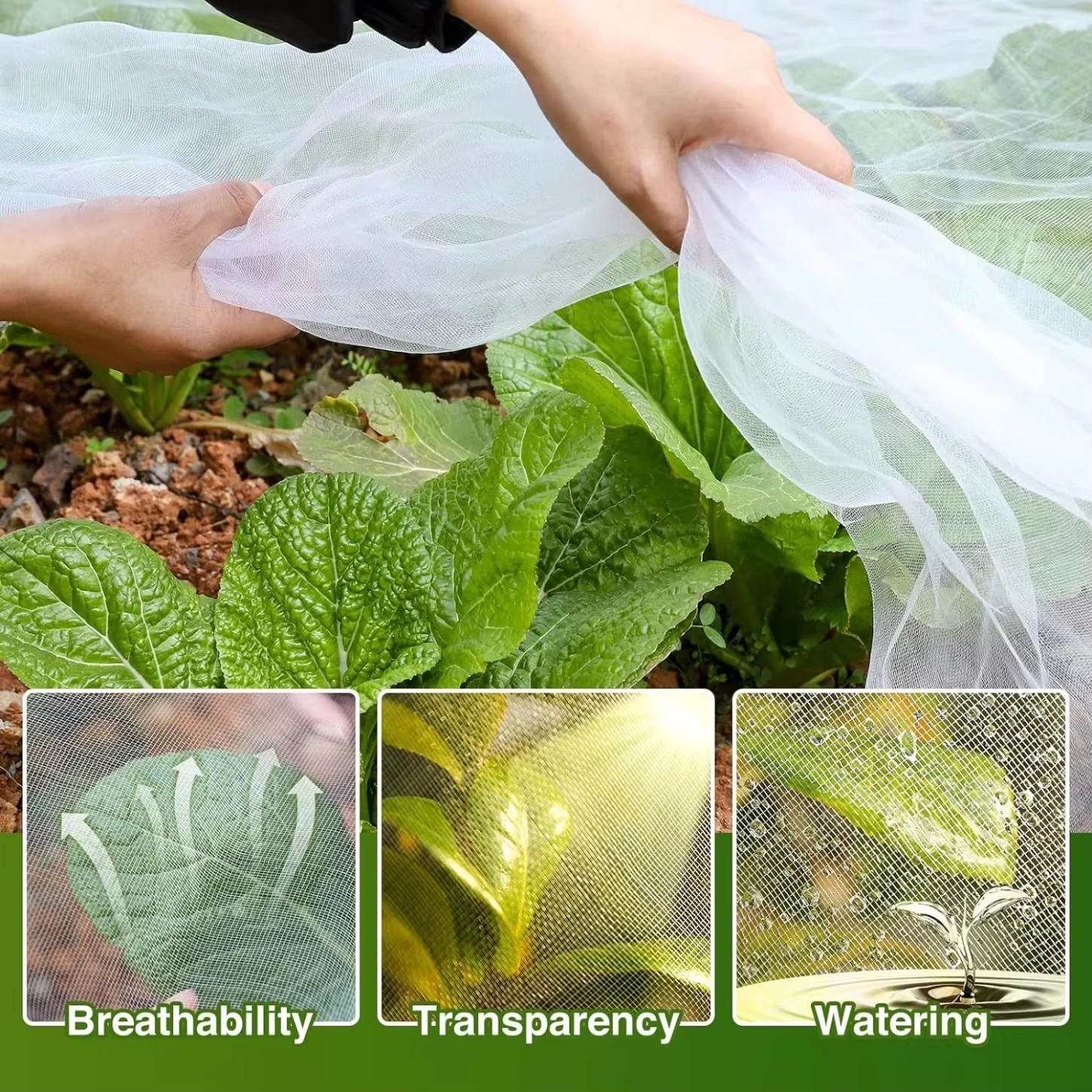
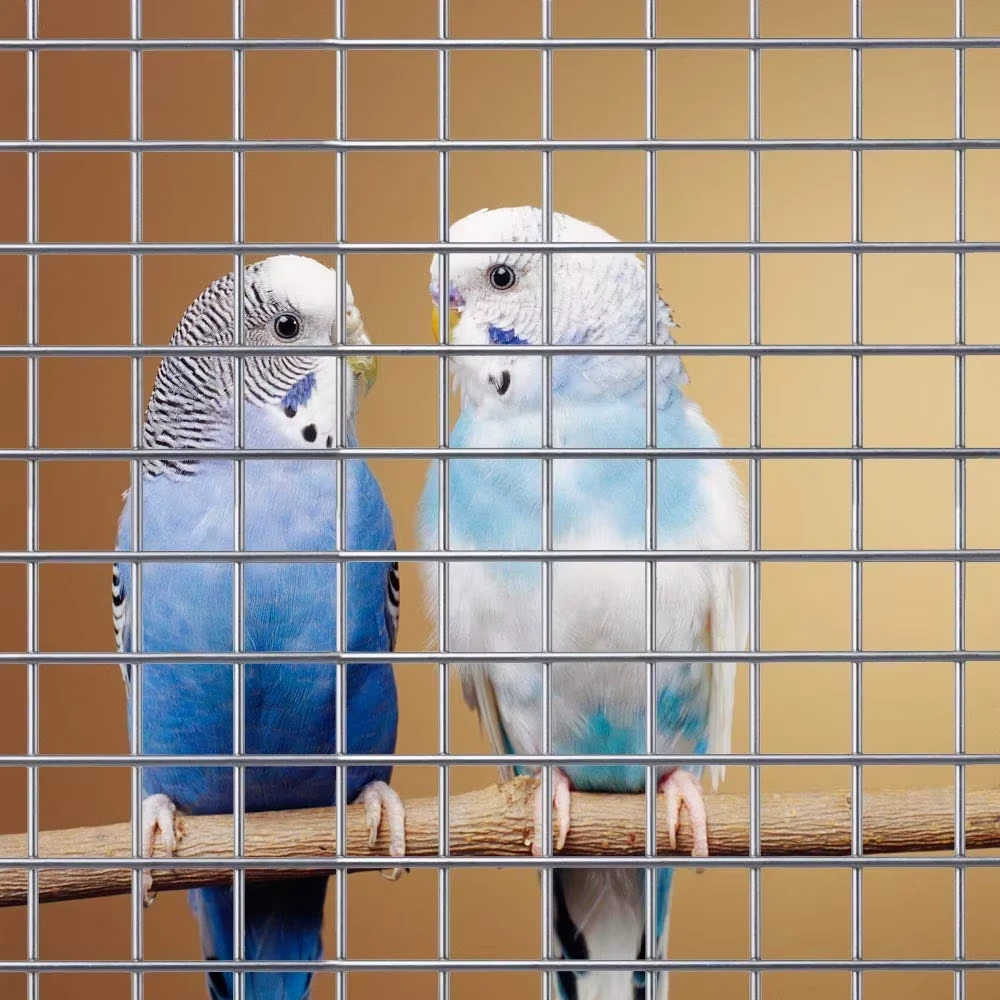
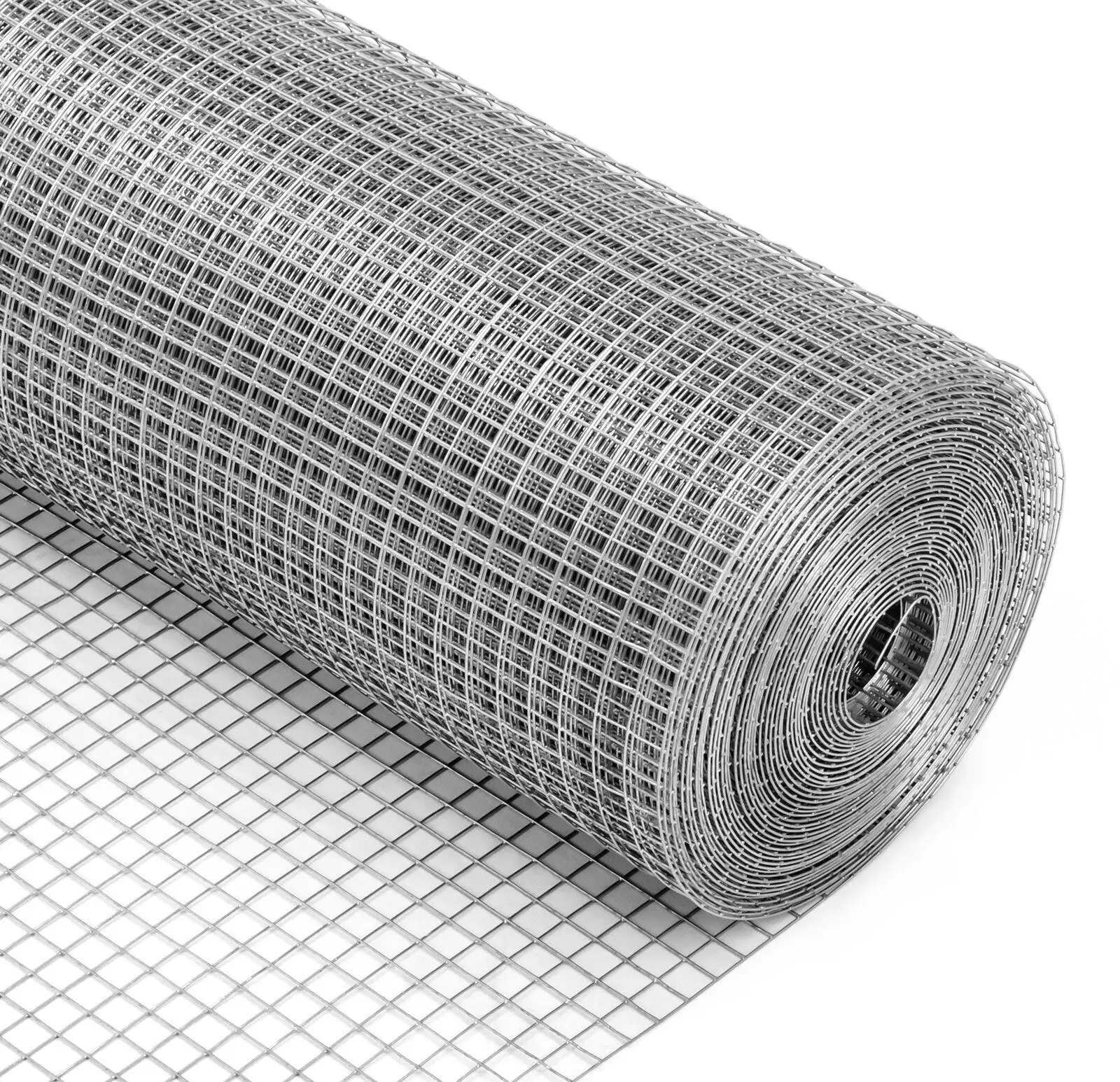
The choice between stainless steel and polyethylene mesh is a fundamental one, and significantly impacts the bird screen mesh price. Stainless steel, such as 304 or 316 grades, provides exceptional durability, corrosion resistance, and a longer lifespan. This makes it ideal for harsh environments and applications requiring long-term reliability. However, it's considerably more expensive than polyethylene. Polyethylene mesh, on the other hand, is lightweight, cost-effective, and suitable for less demanding applications where corrosion isn’t a major concern. It's often used for temporary barriers or in indoor settings.
Material Comparison:
• Stainless Steel: Durable, corrosion-resistant, long-lasting, higher price.
• Polyethylene: Lightweight, cost-effective, suitable for less demanding applications.
Mesh Size and its Impact on Bird Screen Mesh Price
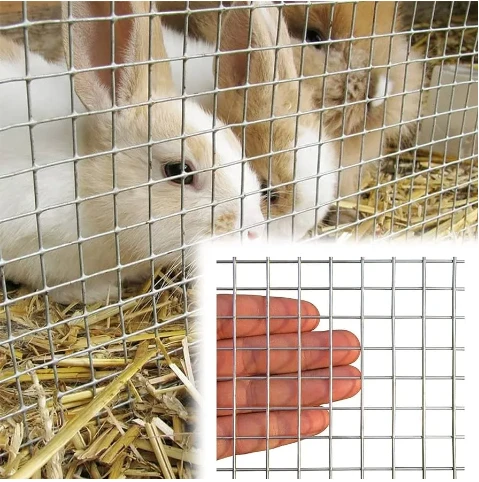
The bird screen mesh price is directly related to the mesh size. Mesh size refers to the number of openings per inch, and finer meshes (higher numbers) require more material and a more complex manufacturing process. This increases the cost. The appropriate mesh size depends on the size of the birds or pests you're trying to exclude. For example, protecting poultry may require a finer mesh than preventing larger birds from accessing crops. Therefore, carefully assess your needs to find the optimal balance between cost and effectiveness.
Quantity and Bulk Discounts on Bird Screen Mesh
Purchasing bird screen mesh in larger quantities almost always results in a lower per-unit bird screen mesh price. Manufacturers and suppliers typically offer tiered pricing structures with significant discounts for bulk orders. If you have a large-scale project, it's highly recommended to request quotes for different quantities to identify the most cost-effective option. Consider your future needs as well – purchasing slightly more than required now could save you money in the long run by avoiding additional shipping costs and potential price increases.
Finding the Best Value: Tips for Purchasing Bird Screen Mesh
To get the best value on bird screen mesh, consider these tips. First, clearly define your needs: what are you protecting, what size birds are you excluding, and what environmental conditions will the mesh be exposed to? Second, obtain quotes from multiple suppliers, comparing both price and quality. Third, inquire about bulk discounts and shipping costs. Finally, prioritize quality and durability, as a longer-lasting mesh will ultimately be more cost-effective. YJ Wiremesh offers a comprehensive range of bird screen mesh options to suit various applications and budgets.
Conclusion: Making an Informed Decision on Bird Screen Mesh
Understanding the factors influencing bird screen mesh price – material, mesh size, and quantity – empowers you to make a well-informed purchase. By carefully assessing your needs and comparing options, you can secure a high-quality product that provides effective protection at a competitive price. Don't hesitate to reach out to reputable suppliers like YJ Wiremesh for expert advice and customized solutions.
Frequently Asked Questions (FAQs)
What is the typical lifespan of polyethylene bird screen mesh?
Polyethylene bird screen mesh typically lasts between 2-5 years, depending on exposure to UV radiation and environmental conditions. Direct sunlight can degrade the plastic over time, making it brittle and less effective. Regular inspections are essential to identify any tears or damage. Using UV-stabilized polyethylene mesh can extend its lifespan. Replacement is recommended when significant degradation is observed. The initial lower cost of polyethylene must be balanced against its shorter lifespan compared to stainless steel.
Can bird screen mesh be cut to custom sizes?
Yes, most bird screen mesh can be cut to custom sizes using heavy-duty scissors, wire cutters, or a utility knife. However, it's important to ensure clean cuts to prevent fraying. For stainless steel mesh, specialized cutting tools may be required. Many suppliers, including YJ Wiremesh, offer custom cutting services to provide mesh panels pre-cut to your exact specifications, saving you time and effort.
What are the common applications for bird screen mesh beyond poultry protection?
Bird screen mesh has diverse applications, including protecting crops from bird damage in agriculture, creating barriers around industrial facilities to prevent bird nesting and contamination, safeguarding ventilation systems from bird entry, and protecting buildings from bird droppings. It is also utilized in aquaponics and hydroponics systems to contain fish or prevent pests from accessing plants. The versatility of the mesh makes it a valuable solution for a wide range of pest and wildlife management challenges.
How do I determine the appropriate mesh size for my specific needs?
To determine the appropriate mesh size, consider the size of the pest or bird you are trying to exclude. For smaller pests like insects, a finer mesh (e.g., 1/4 inch) is necessary. For larger birds, a coarser mesh (e.g., 1 inch) may suffice. If you are unsure, it is generally best to err on the side of a smaller mesh size to ensure complete protection. Consult with a supplier like YJ Wiremesh for expert guidance on selecting the optimal mesh size for your specific application.
-
High Quality Anti Bird Agro Net for Professional Crop ProtectionNewsApr.16,2026
-
Guide to Bird Netting Cost Per Square Foot and Material OptionsNewsApr.09,2026
-
Comprehensive Guide to Bird Netting Cost Factors and Material ChoicesNewsApr.07,2026
-
Comprehensive Guide to Bird Net for Balcony Cost and Installation OptionsNewsApr.04,2026
-
Comprehensive Guide to Bird Netting Price and Effective Protection SolutionsNewsMar.31,2026
-
Comprehensive Guide to Nylon Bird Net Price Factors and OptionsNewsMar.28,2026