Durable Agriculture Covering Nets for Crop Protection | Expert Insights
Agriculture Covering Net: A Veteran’s Take on Durable Crop Protection
Working in the industrial equipment space for over a decade, one thing I've noticed is how agriculture covering nets have quietly evolved from simple mesh to high-tech shields that can literally make or break a harvest season. Growing up around farms and later getting involved in agricultural engineering projects, I’ve seen firsthand how the right protective net can save crops from pests, harsh sun, and unexpected weather swings.
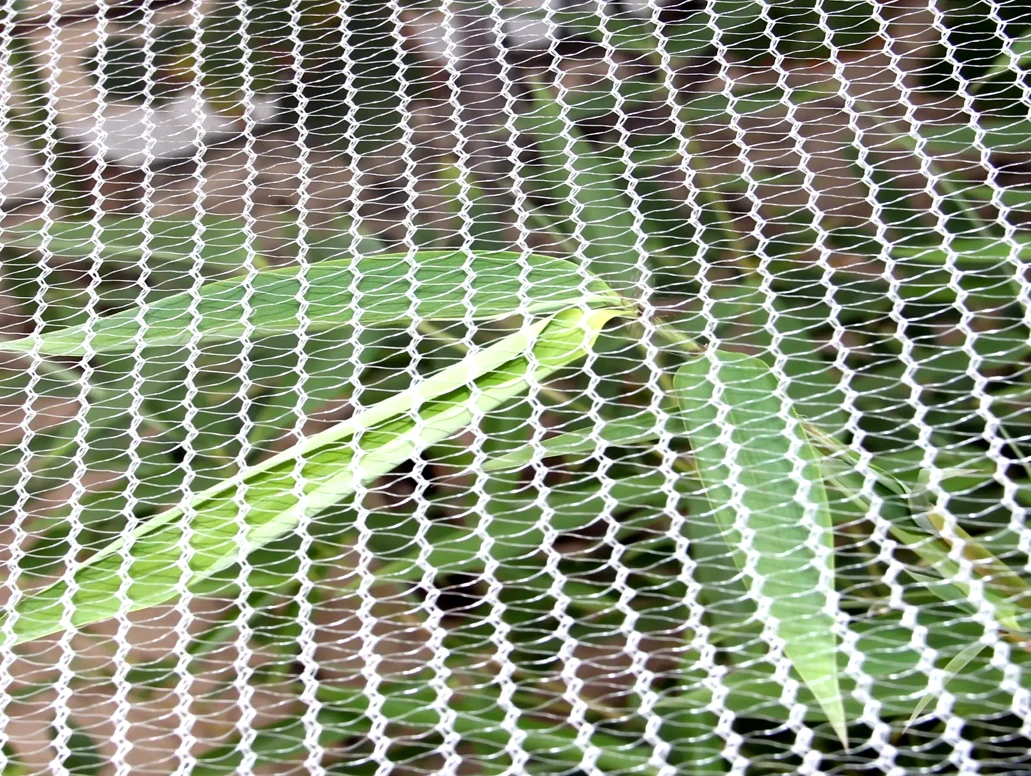
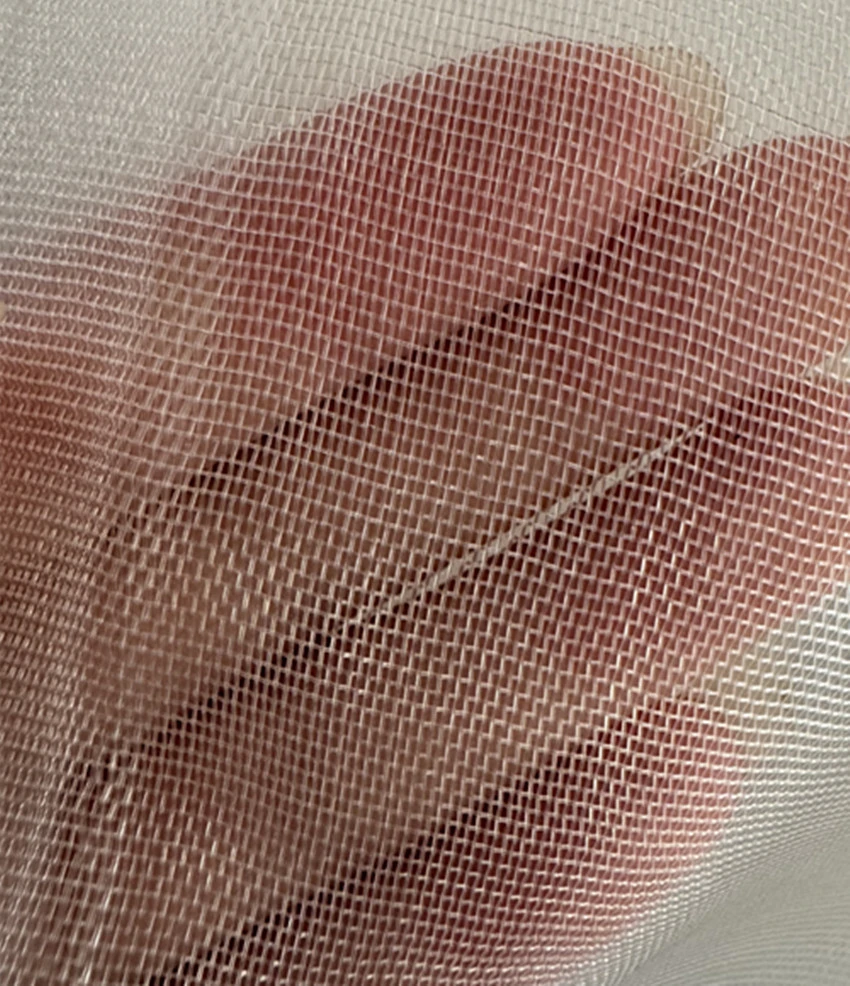
Back in the day, we used rather rudimentary nets—usually nylon or polyethylene with limited resistance to UV or tearing. Nowadays, manufacturers employ advanced materials and rigorous testing that frankly impresses even the old-timers like me. What really stands out is the mix of flexibility and strength these nets offer, allowing them to drape easily over irregular terrain yet still hold up to wind gusts and animal interference.
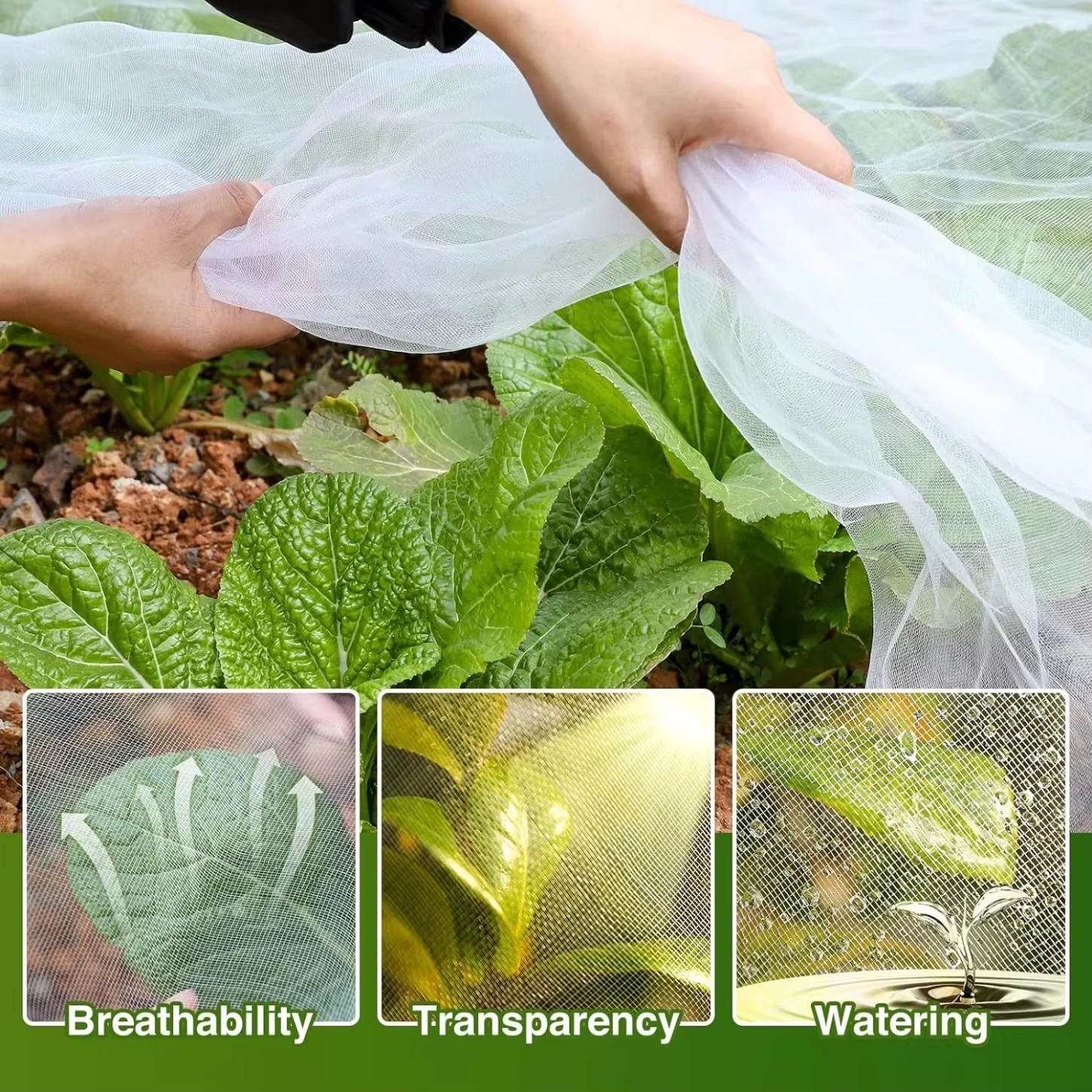
Oddly enough, the science behind agriculture covering nets isn’t just about blocking insects or birds. Many engineers I’ve collaborated with highlight the importance of microclimate control—these nets can reduce temperature extremes and even manage water evaporation rates. It’s sort of like giving plants their own little greenhouse shell without the whole structure overhead.
Material & Design Specifics: What Makes a Top-Performing Agriculture Covering Net?
From experience, a great covering net combines several factors:
- Material Composition: High-density polyethylene (HDPE) with UV stabilizers is the industry’s go-to for durability.
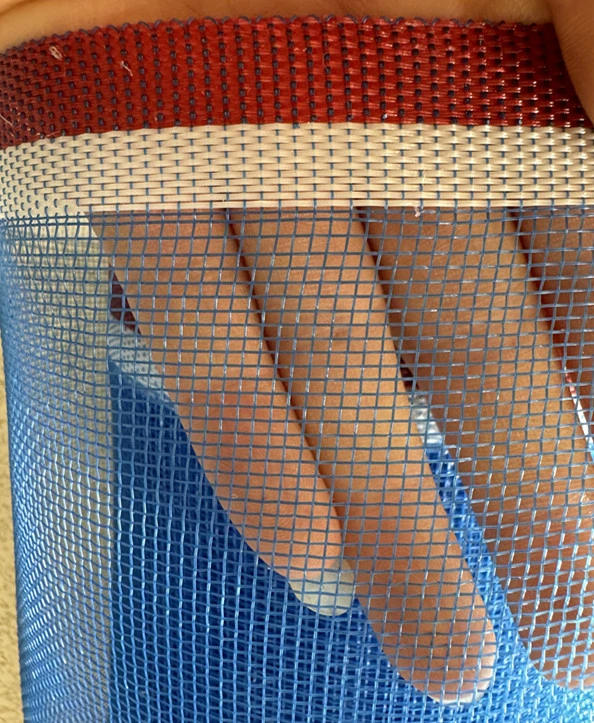
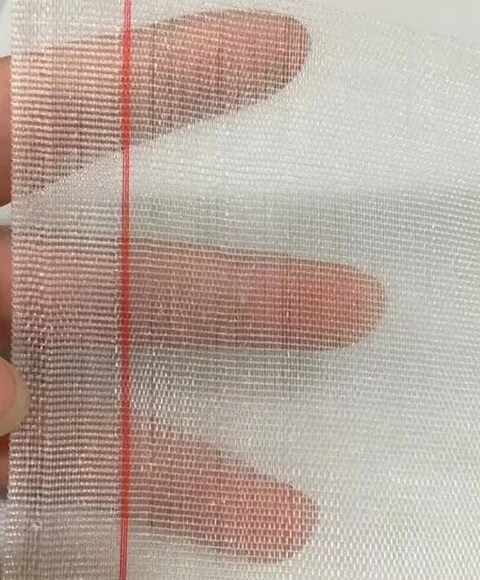
- Mesh Size: Typically ranges from 1 to 8 mm depending on the target pests and climate.
- Tensile Strength: Strong enough to avoid tearing during installation or storms.
- UV Resistance: Crucial for longevity under direct sunlight.
- Color Variants: Often green or black to blend with natural surroundings and optimize light filtration.
One memorable project I was involved with in California’s Central Valley tested several nets on tomato fields. The farmers reported fewer pest outbreaks and saw a measurable boost in yield within a season’s time. In real terms, that felt like a game-changer for growers operating on razor-thin margins.
| Specification | Typical Value | Notes |
|---|---|---|
| Material | HDPE with UV Stabilizers | Offers strength and durability |
| Mesh Size | 1 mm to 8 mm | Varies by crop and pest control needed |
| Tensile Strength | ≥ 300 N/cm | Adequate for windy conditions |
| UV Resistance | Up to 5 years lifespan | Depends on exposure and maintenance |
| Color | Green, Black, White | Impacts light diffusion |
Choosing a Vendor: A Quick Comparison
Over the years, I’ve tested nets from a handful of suppliers. Here’s a quick rundown highlighting important factors you might want to consider:
| Vendor | Material Quality | Customization Options | Price Range | Delivery Times |
|---|---|---|---|---|
| YJ Wire Mesh | Premium HDPE, UV Stabilized | Wide range of mesh sizes & colors | $$ - Competitive for quality | Usually 7-14 days |
| AgriShield | Good, standard HDPE | Limited color selection | $ - Lower price but less durable | 10-21 days |
| FarmTec | Medium quality, partial UV coating | Custom sizes only | $$$ - Premium pricing | 5-10 days |
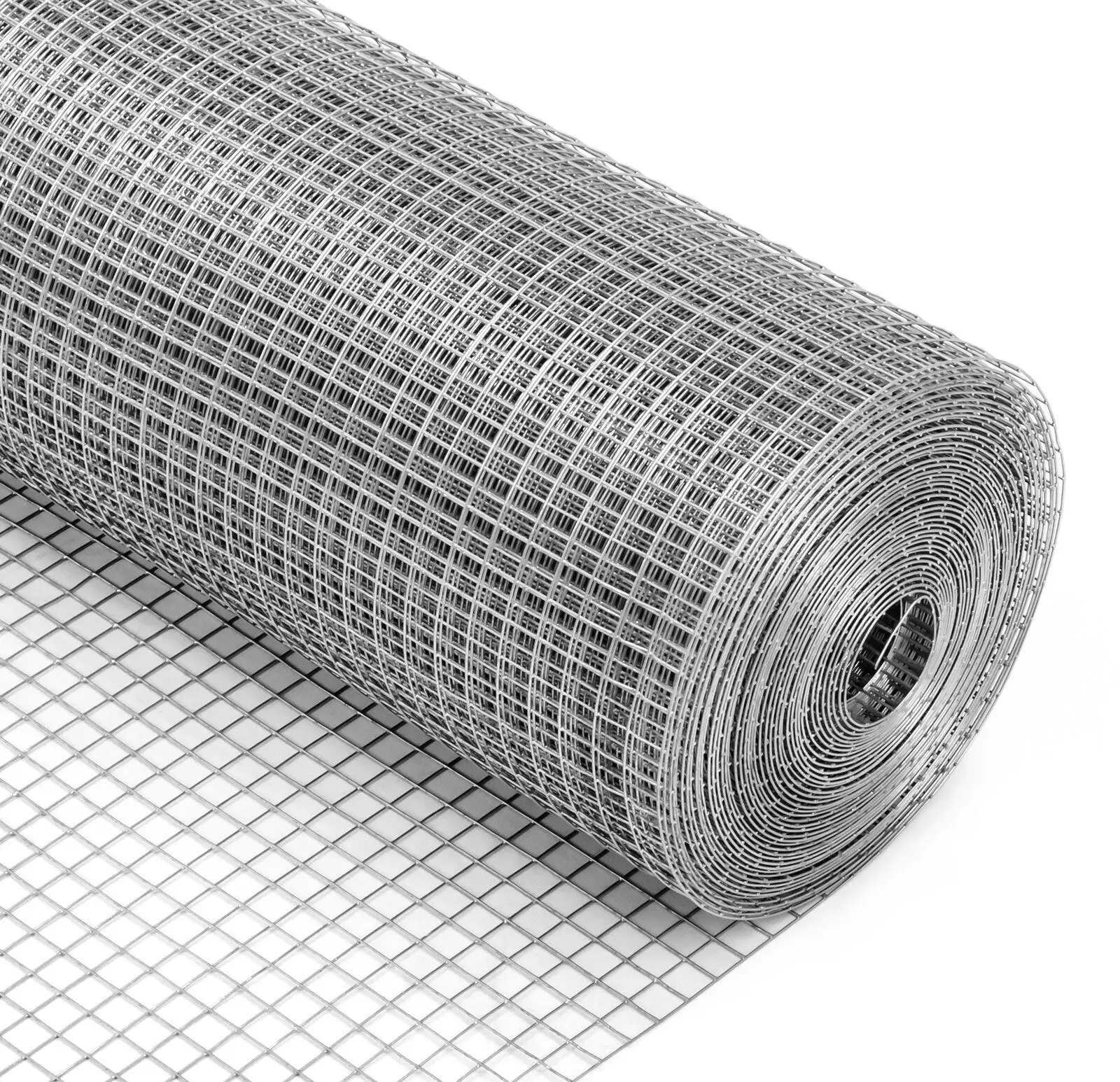
In my opinion, YJ Wire Mesh strikes the best balance between quality, price, and service — they really understand the nuances of agriculture covering nets, which can’t be overstated. I’ve recommended their products multiple times, and users always come back with positive feedback. You can check their full range here.
To wrap this up, if you’re looking for something that won’t just “do the job” but genuinely boosts your farm’s resilience against nature’s unpredictability, spending a bit more upfront on a quality net feels worth it. Farming is tough as it is — the last thing you want is flimsy coverage falling apart mid-season.
Oh, and one last thing — remember that installation practices and maintenance routines play a big role in net lifespan. Treat your netting with care, and it will return the favor many times over.
References:
1. Agricultural Protection Nets — Material Properties and Applications, Journal of Farm Tech, 2021.
2. YJ Wire Mesh Official Product Specifications, 2024.
3. USDA Crop Netting Guidelines, 2022.
-
High Quality Anti Bird Agro Net for Professional Crop ProtectionNewsApr.16,2026
-
Guide to Bird Netting Cost Per Square Foot and Material OptionsNewsApr.09,2026
-
Comprehensive Guide to Bird Netting Cost Factors and Material ChoicesNewsApr.07,2026
-
Comprehensive Guide to Bird Net for Balcony Cost and Installation OptionsNewsApr.04,2026
-
Comprehensive Guide to Bird Netting Price and Effective Protection SolutionsNewsMar.31,2026
-
Comprehensive Guide to Nylon Bird Net Price Factors and OptionsNewsMar.28,2026