Durable Jar Bags for Industrial Use | YJ Wire Mesh
Why jar bags Are Still Essential in Industrial Settings
Having spent over a decade in the industrial equipment sector, I’ve seen many “innovations” come and go. But odd as it sounds, something as simple as a jar bag remains a stalwart in many plants and workshops. It’s often overlooked—kind of like the good old hammer on a high-tech site—but it quietly does a crucial job.
So, what exactly makes jar bags so reliable? Well, from the materials they use to their design, these bags have been engineered for durability and versatility. In real terms, they help contain, transport, or protect granular or powdered materials—think resin beads, granules, or even small parts. And when you’re dealing with dust or small debris, containment isn’t just nice-to-have, it’s a must.
Frankly, one of the things that strikes me is how many custom options are available. Industrial clients often need bags that fit specific jars or containers without wasting a millimeter of space. I recall a manufacturer in automotive parts who needed jar bags custom-fitted to their workflow, ensuring faster loading times and less spillage. That kind of customization makes a significant difference on the shop floor.
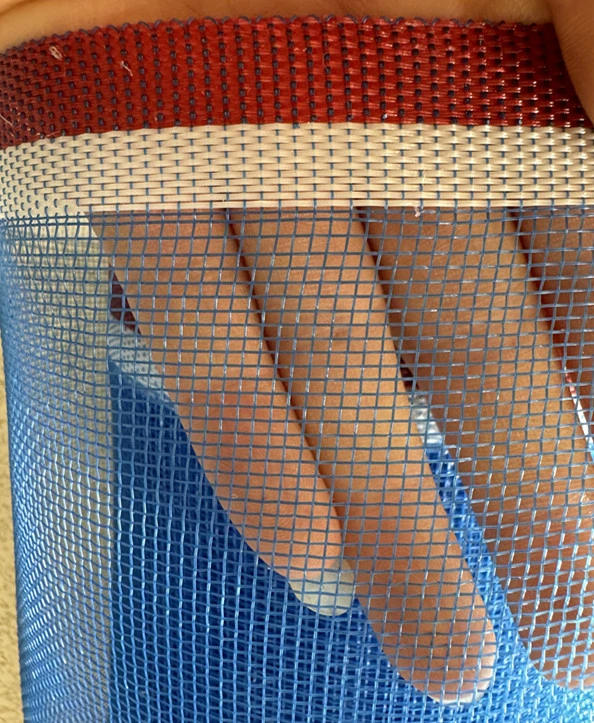
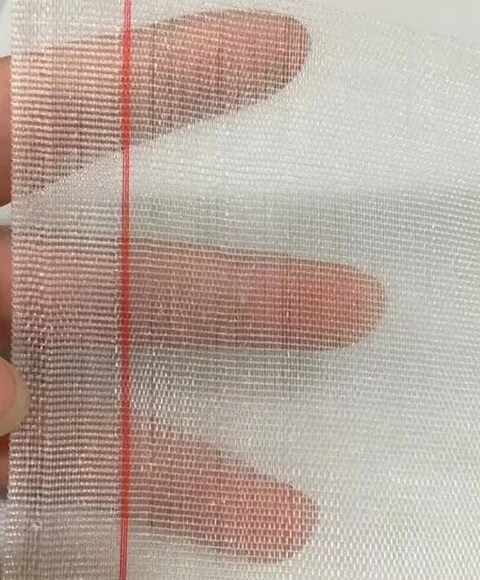
Let’s also talk materials. Jar bags typically come from woven nylon or polyester mesh, sometimes coated for extra rigidity or water resistance. These fabrics stand up to abrasion better than you’d expect. Many engineers I’ve worked with appreciate that you can get bags suited for different temperature ranges or chemical exposures. It’s not just about stuffing stuff in a bag—it’s about preserving quality, preventing contamination.
Testing? You bet. These bags often undergo tensile strength and tear resistance checks. It’s easy to forget that in many plants, a failure in a jar bag could lead to delays or even safety hazards. Tried and tested products provide peace of mind. And you know, sometimes it’s the small stuff like this that keeps the entire line moving smoothly.
Jar Bag Product Specifications
| Specification | Details |
|---|---|
| Material | Woven nylon/polyester mesh (custom coatings available) |
| Common Sizes | Varies; typically 6" to 14" diameter bags |
| Temperature Resistance | Up to 150°C (depending on coating) |
| Tensile Strength | Minimum 50 N per mm (varies by vendor) |
| Typical Use | Containment of granular materials, protection during shipping, filtration |
Oddly enough, even among suppliers, there’s noticeable variation. Some focus on low-cost offerings for disposable uses, while others pitch high-end, reinforced bags designed for repeated handling. To get a better sense, I put together a straightforward comparison of a few reputable vendors I’ve known over the years.
Vendor Comparison: Jar Bag Options
| Vendor | Material Quality | Customization | Lead Time | Price Range |
|---|---|---|---|---|
| YJ Wire Mesh | High (nylon & polyester blends) | Extensive (sizes, coatings, colors) | 2–3 weeks | Mid to high |
| Industrial Bags Co. | Medium (standard polyester) | Limited (standard sizes only) | 1 week | Low |
| ProMesh Solutions | Very High (specialty fibers) | Custom engineering available | 4+ weeks | High |
In terms of practical advice, I’d say start defining your jar bag specs early, especially if you want custom finishes. It feels like simple gear but underestimating the protective nuances can lead to messy or costly issues down the road. And if you’ve never handled them before, try to get hands-on samples. That tactile sense, the weave stiffness, the finishing… it all matters more than you’d think.
At the end of the day, jar bags are a modest piece of the industrial puzzle but no less vital. Their role in safeguarding contents, speeding up processes, and ensuring regulatory compliance is quietly indispensable.
Here’s to the unsung hero of our toolkits – the humble yet mighty jar bag.
References:
1. Industry specs handbook for woven mesh products (2023).
2. Internal case study: automotive parts manufacturer (2021).
3. YJ Wire Mesh product portfolio and customer feedback (2024).
-
High Quality Anti Bird Agro Net for Professional Crop ProtectionNewsApr.16,2026
-
Guide to Bird Netting Cost Per Square Foot and Material OptionsNewsApr.09,2026
-
Comprehensive Guide to Bird Netting Cost Factors and Material ChoicesNewsApr.07,2026
-
Comprehensive Guide to Bird Net for Balcony Cost and Installation OptionsNewsApr.04,2026
-
Comprehensive Guide to Bird Netting Price and Effective Protection SolutionsNewsMar.31,2026
-
Comprehensive Guide to Nylon Bird Net Price Factors and OptionsNewsMar.28,2026