Durable Netting to Protect Plants from Deer | Industrial-Grade Mesh
Protecting Plants from Deer: The Practical Value of a Net
Having spent more than a decade working hands-on in the industrial equipment sector, I can say without hesitation that one of the more underrated tools we’ve seen in landscaping and agriculture is netting to protect plants from deer. Yes, fencing is the classic option, but nets often slip under the radar — partly because they're less intrusive and kind of elegant in their simplicity.
Oddly enough, the difference between a flimsy net that barely holds up and a professionally engineered mesh can mean the difference between a flourishing garden and a constant “deer buffet.” I recall a project a few years ago in Vermont where a local nursery struggled season after season with damage. They switched to a heavy-duty polyethylene deer net, and within one season, their losses dropped sharply. I suppose it just goes to show the importance of picking the right kind of net.
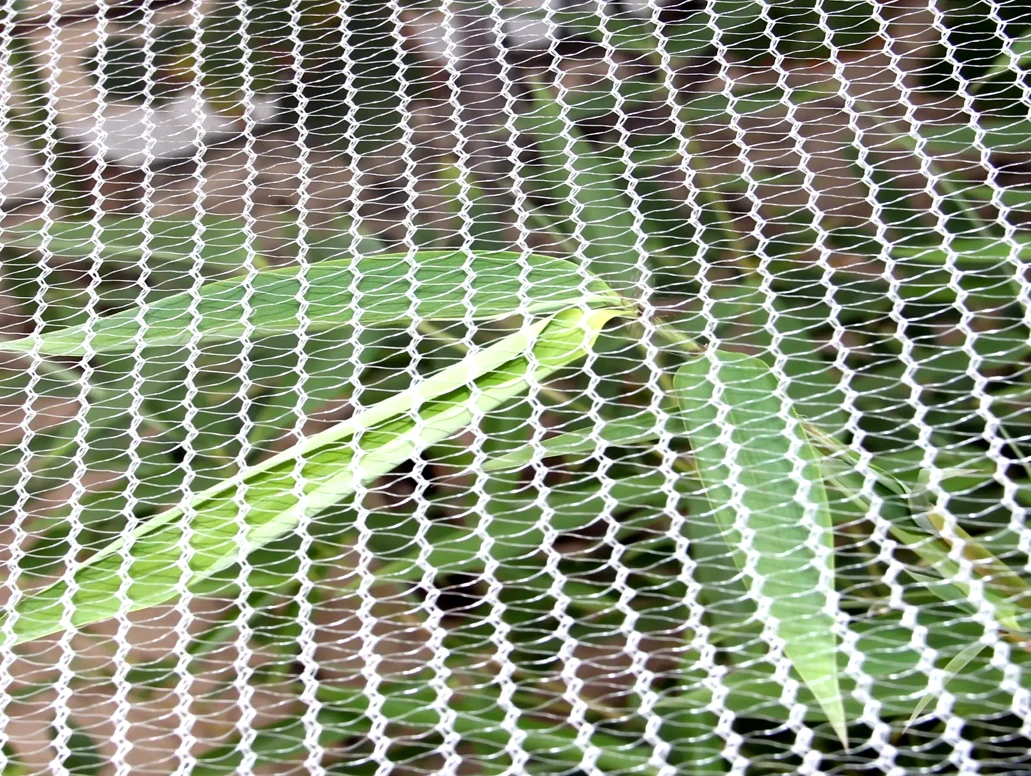
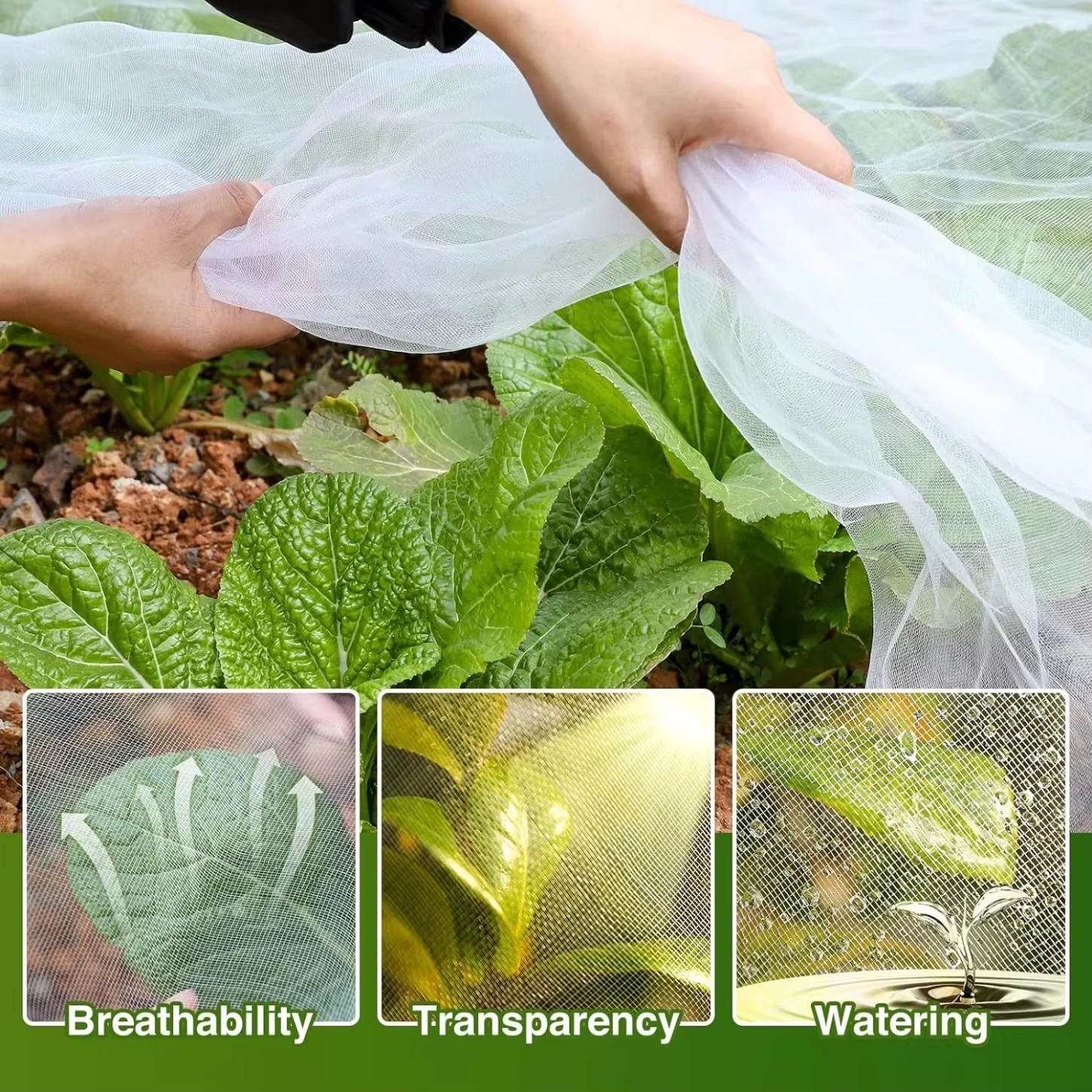
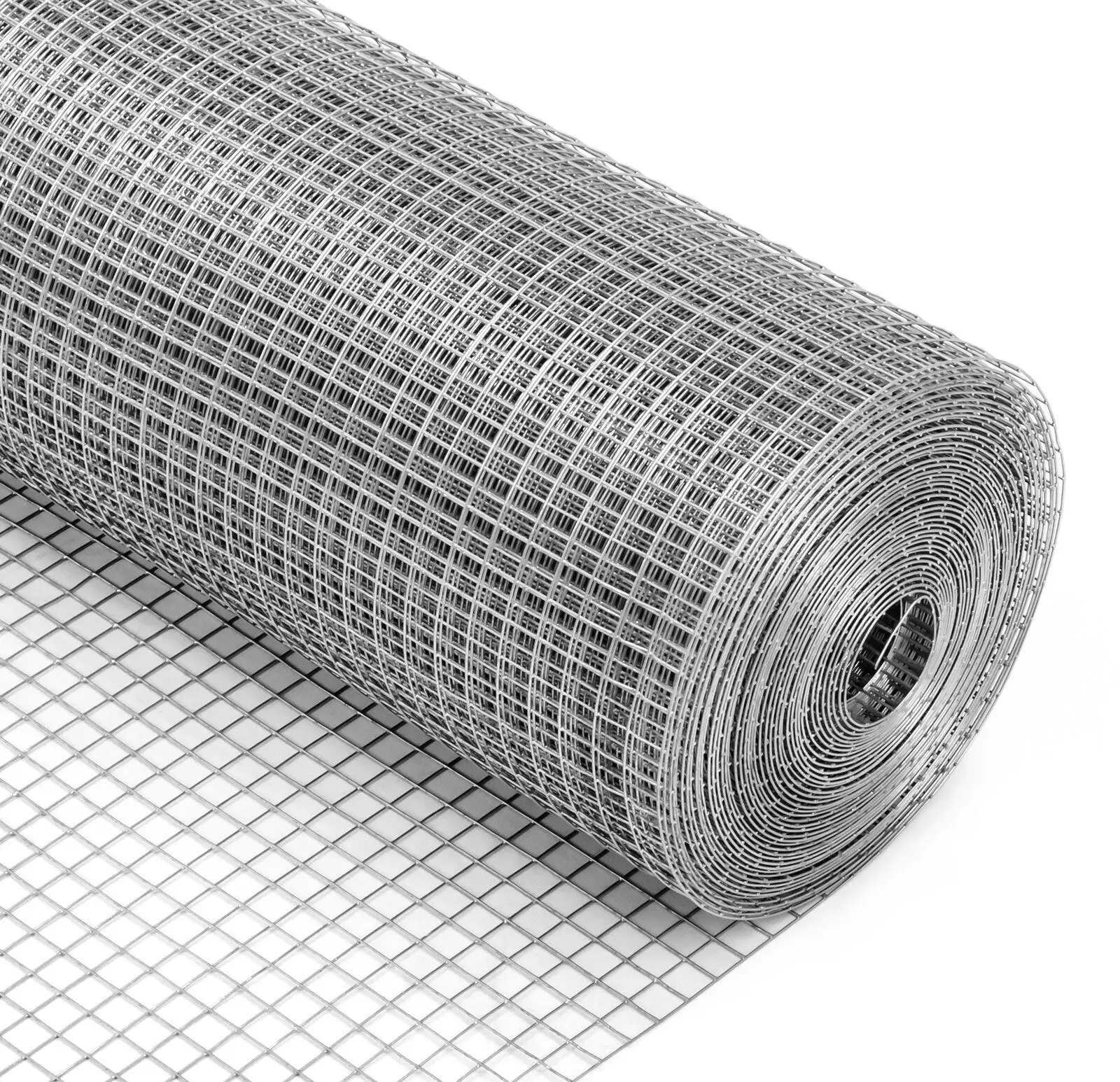
Netting to guard plants from deer has evolved quite a bit. Most industrial-grade nets now use UV-stabilized polyethylene, which resists weathering for years without becoming brittle or unraveling. Plus, the mesh sizes are carefully designed—small enough to stop deer from poking through yet large enough to allow sunlight, air, and rain to nourish the plants naturally. What you get is a barrier without suffocation.
Product Specifications of Industrial Deer-Proof Net
| Feature | Specification |
|---|---|
| Material | UV-Stabilized Polyethylene |
| Mesh Size | 1.5" x 1.5" (approx.) |
| Weight | Approx. 70 gsm (grams per sqm) |
| Color | Green or Black |
| Tensile Strength | > 1000 N/5 cm |
| Roll Length | 100 meters standard |
Something I’ve noticed over years is that installation matters almost as much as the netting itself. You want it taut, securely anchored, but also a bit forgiving for wind gusts. I worked with a horticulturalist who rigged custom poles at variable heights so that the net created a sort of “tent” around her lavender and rose beds. Less damage, more airflow, and visually less oppressive than a chunky fence.
How the Leading Vendors Stack Up
| Vendor | Material Quality | Customization Options | Price Point | Customer Support |
|---|---|---|---|---|
| YJWireMesh | High – UV-stabilized & durable | Roll sizes & mesh flexibility | Mid-range | Responsive, knowledgeable |
| GreenShield Nets | Medium, moderate UV treatment | Limited to fixed sizes | Budget-friendly | Standard support |
| WildGuard | Premium polymers, very durable | Highly customizable | High-end pricing | Excellent but pricey |
Honestly, if you're just starting out or running a mid-sized operation, YJWireMesh nets strike a nice balance. They're durable but not crazy expensive, and the customer service I’ve heard about (and experienced) is really a plus. Some vendors push really hard on price, but often that means cutting corners on materials or after-sale help.
Another critical factor to keep in mind is customization. Not every plot is the same, nor is every deer population equally aggressive or persistent. Choosing a net that's flexible in size, color, and tensile strength lets you tailor protection to your situation – rather than forcing your garden to adapt to a standard product. It feels more like working with a knowledgeable partner, not just buying a roll of plastic.
In real terms, your net will often be your first line of defense until the deer learn that meal tickets don’t come that easy. Many farmers admit it’s not a “set and forget” device — you’ll want to inspect it seasonally for tears or sagging. But with quality polyethylene nets, especially those manufactured with thoughtful engineering, this upkeep is minimal.
In closing, investing time and effort into choosing the right net to protect your plants from deer pays dividends in serene gardens and reduced heartache. It’s one of those simple industrial solutions that, frankly, just works—especially when the details matter.
Thanks for reading, and I hope this insight helps keep your plants deer-free this season!
References:
- Industry insights from YJWireMesh technical whitepapers, 2022
- Client case study, Vermont Nursery, 2019
- Technical standards for UV-stabilized polyethylene mesh, ASTM guidelines
-
High Quality Anti Bird Agro Net for Professional Crop ProtectionNewsApr.16,2026
-
Guide to Bird Netting Cost Per Square Foot and Material OptionsNewsApr.09,2026
-
Comprehensive Guide to Bird Netting Cost Factors and Material ChoicesNewsApr.07,2026
-
Comprehensive Guide to Bird Net for Balcony Cost and Installation OptionsNewsApr.04,2026
-
Comprehensive Guide to Bird Netting Price and Effective Protection SolutionsNewsMar.31,2026
-
Comprehensive Guide to Nylon Bird Net Price Factors and OptionsNewsMar.28,2026