Fine Mesh Netting For Plants | Durable Pest Protection Solutions for Agriculture
Fine Mesh Netting For Plants is a key solution in the industry, specifically within agricultural and horticultural sectors. This article explores how https://www.yjwiremesh.com supports professionals with durable, high-performance products, and explains why this product is an ideal choice for businesses in these sectors.
Table of Contents
- Fine Mesh Netting For Plants Overview
- Benefits & Use Cases of Fine Mesh Netting For Plants
- Cost, Maintenance & User Experience
- Sustainability & Market Trends
Fine Mesh Netting For Plants Overview
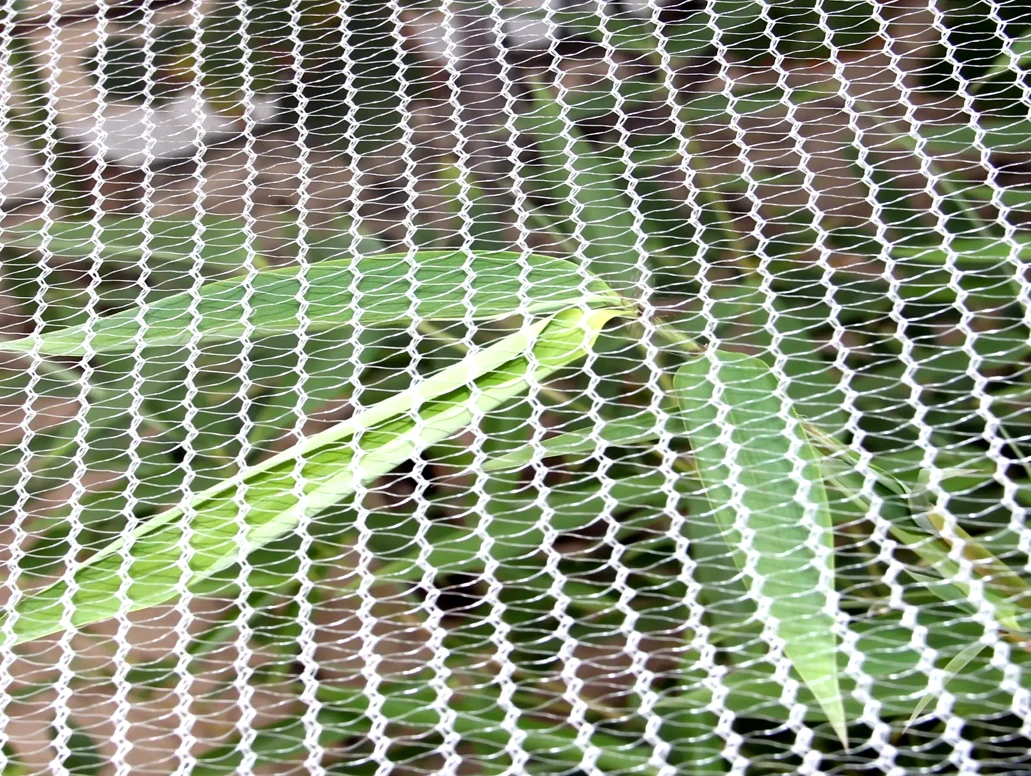
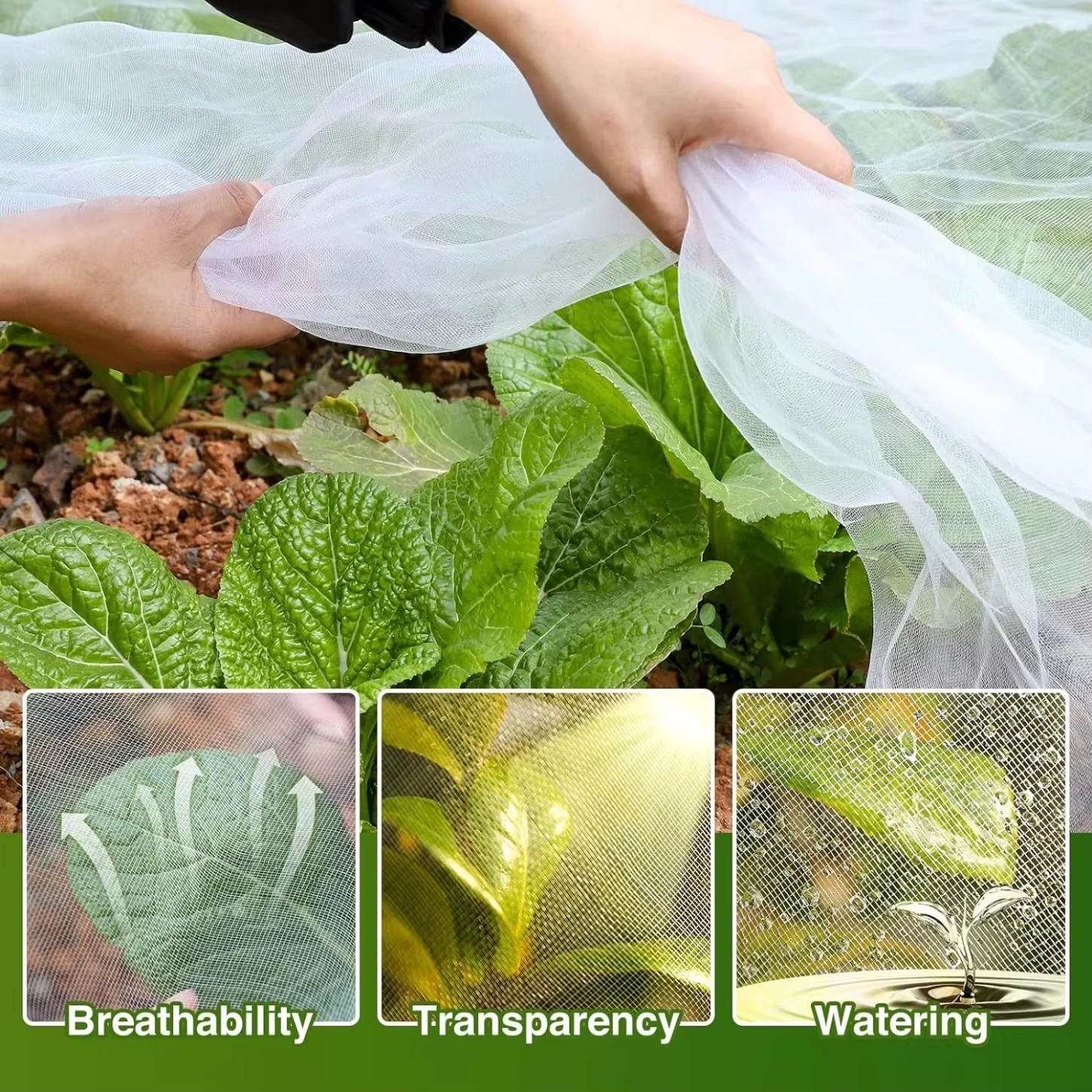
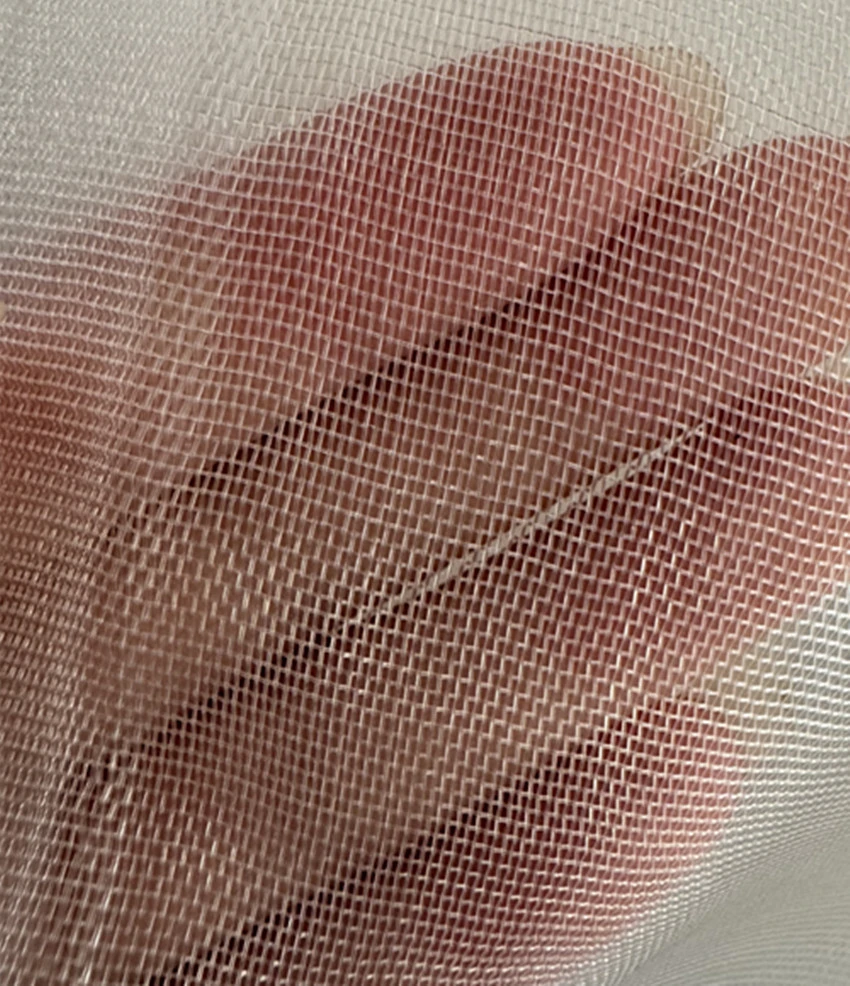
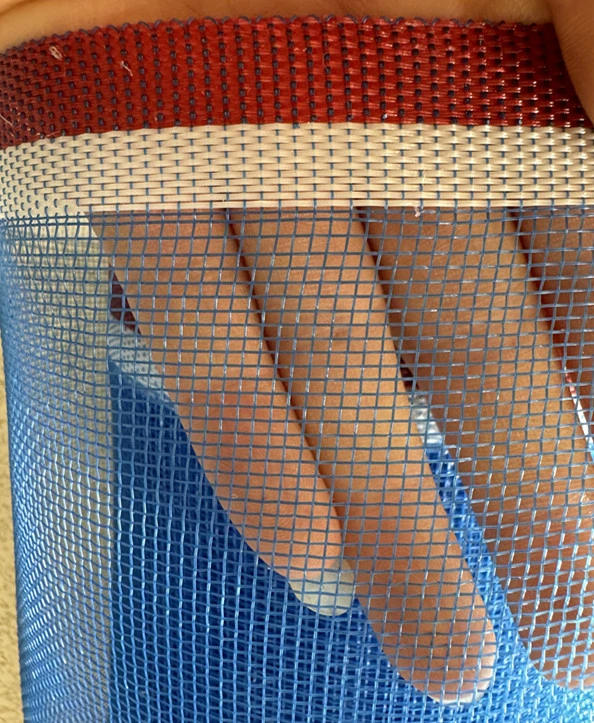
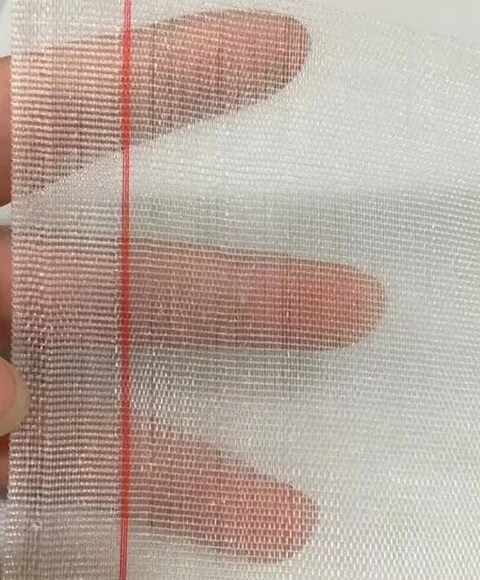
So, what exactly is Fine Mesh Netting For Plants? In essence, it’s a woven or knitted protective layer made from durable wires or synthetic fibers designed to shield crops, trees, and shrubs from pesky insects, birds, and harsh weather conditions. It’s particularly relevant for commercial growers and large-scale nurseries who need reliable, breathable barriers that won’t suffocate their plants or reduce sunlight.
- Fine mesh netting typically features mesh sizes as small as 0.5mm to stop even tiny insects.
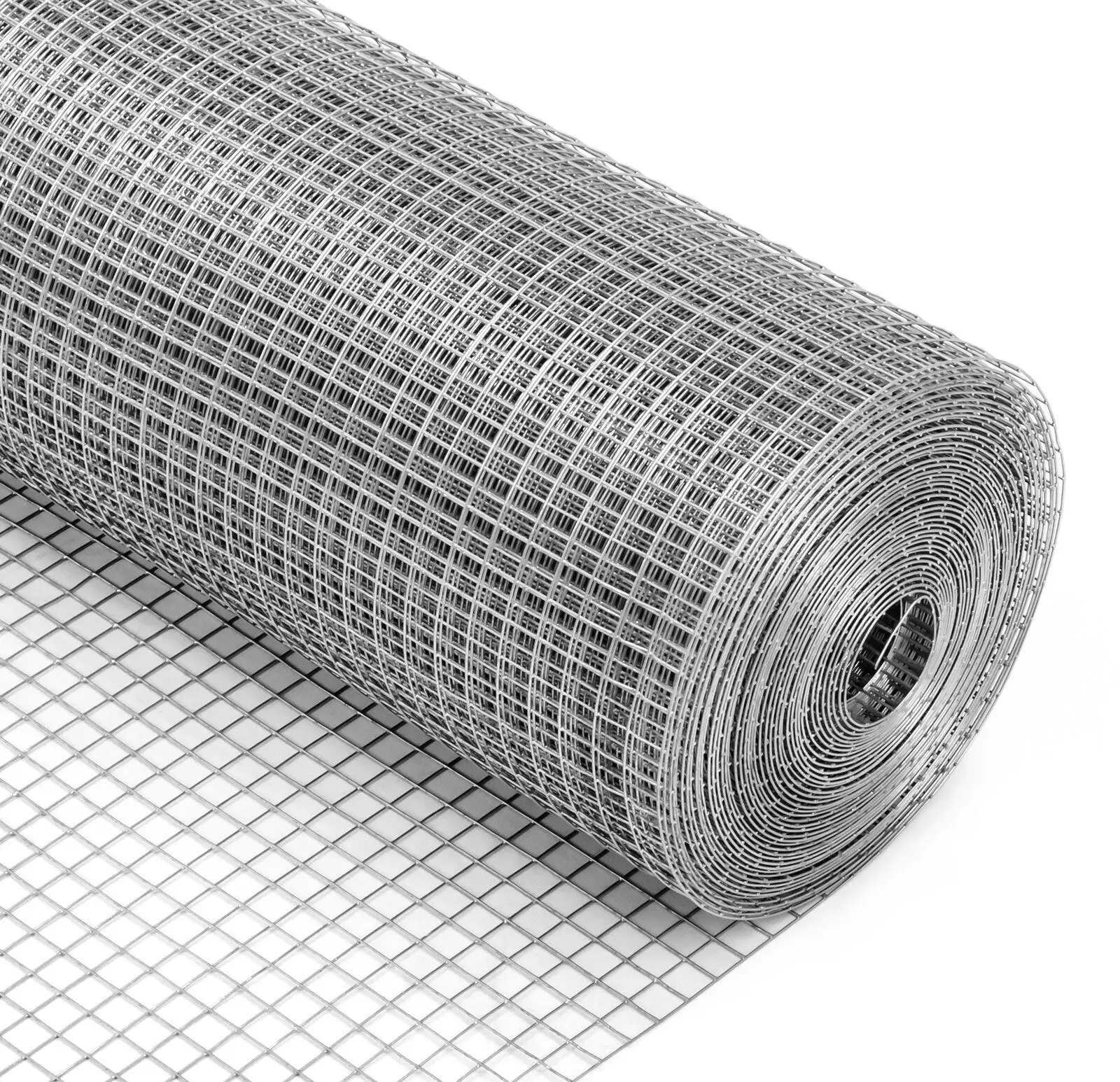
- Materials often include galvanized steel, stainless steel, and UV-stabilized polymer fibers — resisting corrosion and UV damage for years of use.
- For example, one case study with a greenhouse tomato farm showed that using fine mesh netting reduced insect damage by over 70%, which frankly, made a significant difference to their yield and pesticide costs.
| Specification | Details |
|---|---|
| Mesh Size | 0.5mm - 4mm |
| Material | Stainless Steel, Galvanized Iron, UV-resistant Polymer |
| Roll Widths | 1m, 2m, 3m, Custom |
| Color Options | Black, Green, White (UV-treated) |
| Weight | 50-150 gsm depending on material |
Benefits & Use Cases of Fine Mesh Netting For Plants
The real charm of fine mesh netting, especially the kind offered by YJ Wire Mesh, lies in its versatility and effectiveness. Growers use it for everything from organic vegetable farms that want chemical-free pest control, to large-scale orchard operations aiming to protect fruit from bird damage.
- Shielding delicate crops such as berries and grapes without obstructing airflow or light.
- Supporting vertical farming by integrating fine mesh into greenhouses to create a bug-proof barrier.
- Robust corrosion resistance ensures products maintain functional integrity even in the humid, wet conditions of plant nurseries.
- Competitive advantage: YJ’s customization options mean decision makers can specify mesh size, materials, and roll dimensions, tailoring products exactly to their crops’ needs.
Cost, Maintenance & User Experience
Now, I suppose the question always boils down to cost versus benefit, right? Fine mesh netting is an investment. But, when you factor in the durability—often exceeding 5 years with proper care—and the savings you see from reduced pesticide use, the return on investment becomes quite compelling.
- Total cost of ownership is competitive when you include reduced labor and chemical inputs.
- Maintenance mainly involves occasional cleaning and ensuring no tears develop — which YJ’s tough materials help prevent.
- According to feedback from commercial growers, the mesh performs well with minimal disruption to their workflows and noticeably boosts crop yields.
| Vendor | Material Quality | Customization | Delivery Lead Time | Price Range |
|---|---|---|---|---|
| YJ Wire Mesh | High-grade stainless steel, UV-polymer | Extensive – mesh size, width, color | 2-4 weeks | $$ |
| Vendor B | Standard galvanized steel | Limited options | 3-6 weeks | $ |
| Vendor C | Polymer mesh, less durable | Moderate | 1-2 weeks | $ |
Sustainability & Market Trends
Sustainability is frankly becoming a must-have rather than a nice-to-have in agriculture manufacturing. Industry regulations increasingly push for reduced pesticide usage and environmentally friendly materials — which is why many companies find fine mesh netting a logical choice.
- Fine mesh netting helps reduce chemical runoff by acting as a physical pest barrier.
- YJ Wire Mesh’s corrosion-resistant materials also extend product life, reducing waste over time.
- Market trends indicate steady growth in greenhouse farming and organic production, both favoring the adoption of fine mesh solutions.
Frequently Asked Questions about Fine Mesh Netting For Plants
- What is Fine Mesh Netting For Plants and how does it work?
- Fine mesh netting is a lightweight yet durable fabric or wire mesh designed to protect plants from insects, birds, and environmental damage. It works by creating a physical barrier that allows light and air through but keeps pests out.
- What are the main benefits of using Fine Mesh Netting For Plants in industrial applications?
- The primary benefits include improved crop protection, reduced need for chemical pesticides, durability in various weather conditions, and customization to suit different plant species and growth environments.
- How does Fine Mesh Netting For Plants compare to traditional alternatives?
- Compared to traditional netting or chemical pest control, fine mesh netting is less harmful to the environment, often more cost-effective over time, and offers a reusable solution that matches modern sustainable farming needs.
- What industries can benefit most from Fine Mesh Netting For Plants implementation?
- Agricultural farms, greenhouses, nurseries, orchard producers, and even vertical farming enterprises use fine mesh netting. The technology suits both small and large scale operations focused on pest control and crop yield improvements.
Conclusion on Fine Mesh Netting For Plants from china
To wrap it up, fine mesh netting is a quietly powerful tool for anyone serious about plant protection and sustainable growth. Its durable materials, customizable specs, and proven effectiveness make it a go-to for savvy B2B decision makers. If you’re in the market for solutions that combine practicality with innovation, it’s definitely worth a closer look. Visit our website: https://www.yjwiremesh.com.
Often, it feels like these subtle details—mesh size, material quality, corrosion resistance—are what separate an okay solution from one that genuinely helps your bottom line and sustainability goals.
References:
1. YJ Wire Mesh product specifications and case studies
2. Industry reports on pest control innovations in agriculture
3. Sustainability guidelines for horticultural coverings
-
High Quality Anti Bird Agro Net for Professional Crop ProtectionNewsApr.16,2026
-
Guide to Bird Netting Cost Per Square Foot and Material OptionsNewsApr.09,2026
-
Comprehensive Guide to Bird Netting Cost Factors and Material ChoicesNewsApr.07,2026
-
Comprehensive Guide to Bird Net for Balcony Cost and Installation OptionsNewsApr.04,2026
-
Comprehensive Guide to Bird Netting Price and Effective Protection SolutionsNewsMar.31,2026
-
Comprehensive Guide to Nylon Bird Net Price Factors and OptionsNewsMar.28,2026