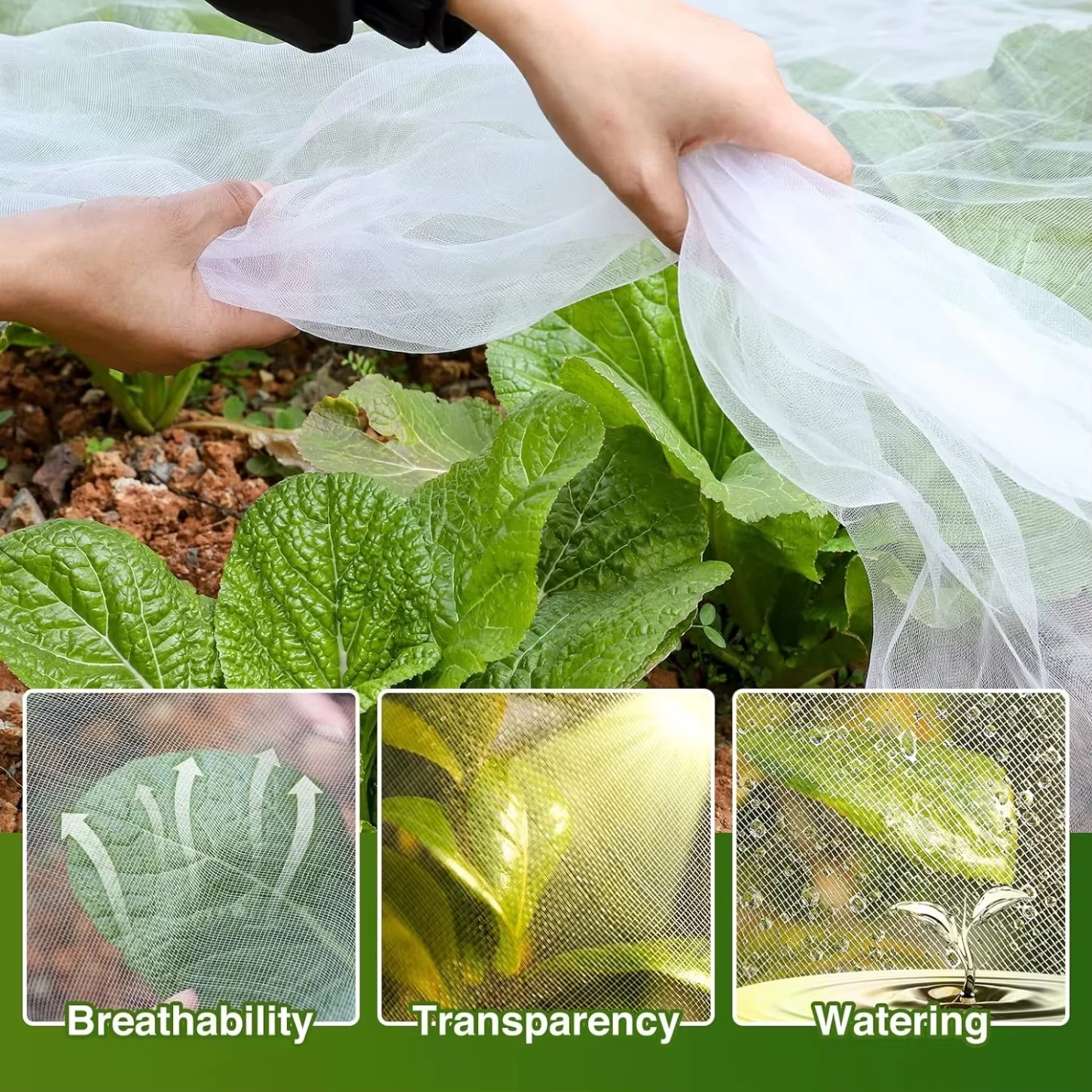
High-Performance insect proof mesh Solutions for Singapore

Engineering precision-woven barriers to enhance urban farming and industrial safety in Singapore's unique tropical climate.

High-Performance insect proof mesh Solutions for Singapore

Integrating advanced metal wire and synthetic polymer technologies to provide Singapore's agriculture and construction sectors with durable, weather-resistant screening solutions.

The State of Industrial Mesh Application in Singapore

Analyzing the synergy between material science and Singapore's high-humidity environment.

Singapore's push towards "30 by 30" food security has accelerated the demand for high-tech agricultural net systems. The extreme humidity and saline air from the coast necessitate materials that resist oxidation and UV degradation, moving the market away from basic plastics toward reinforced polymer and coated metal meshes.

In the construction sector, the strict safety regulations imposed by the BCA (Building and Construction Authority) have made the use of certified safety mesh a mandatory standard for high-rise developments to prevent debris fall and ensure worker security.

Current trends show a shift toward sustainable, recyclable materials. The industry is seeing a rise in the adoption of high-tenacity nylon mesh that balances lightweight flexibility with the structural integrity required for tropical storm resistance.
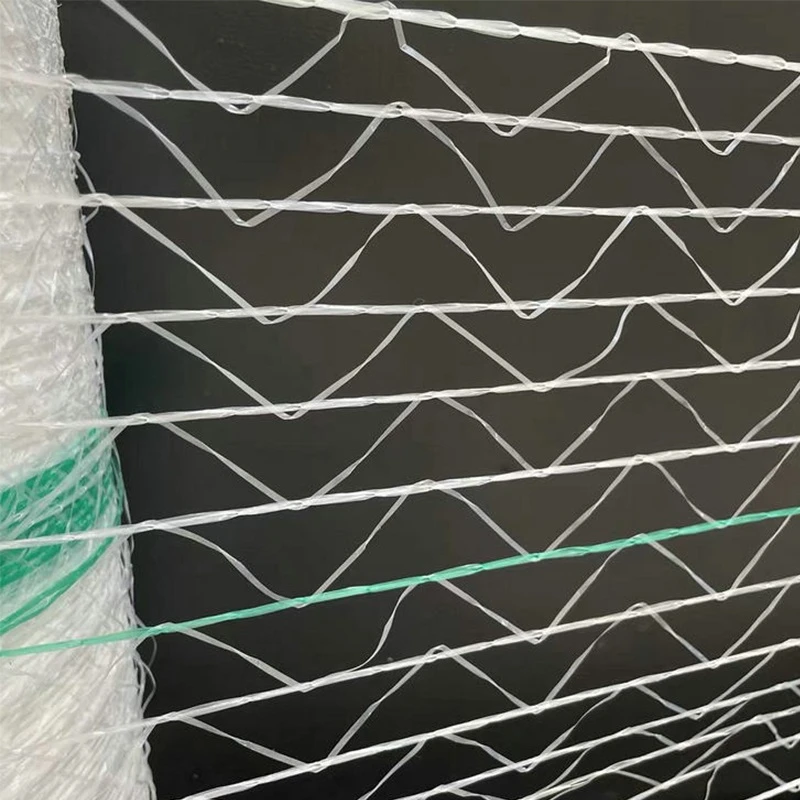
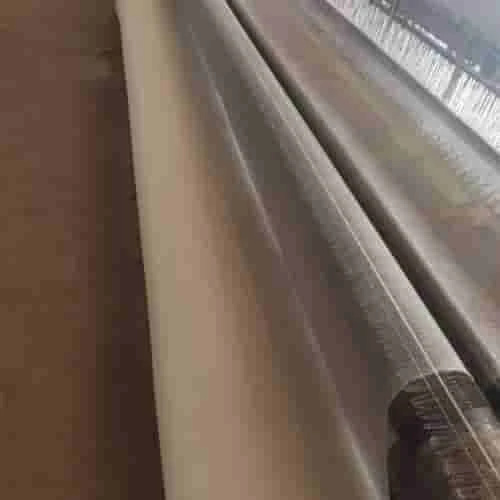
Evolution and Trajectory of Mesh Manufacturing

From manual weaving to automated precision engineering.

Market Development History

During the 1990s, the Singaporean market relied heavily on basic galvanized wire and low-density polyethylene nets, which often succumbed to rapid corrosion in the humid equator climate.

Between 2005 and 2015, the introduction of UV-stabilized polymers and HDPE (High-Density Polyethylene) revolutionized the sector, allowing for the creation of specialized anti hail net products that could withstand intense sudden tropical downpours.

From 2016 to the present, the integration of CNC weaving technology and nano-coatings has enabled the production of micron-precise apertures, optimizing airflow while maximizing pest exclusion.

Future Development Trends

Smart-Fiber Integration

Integration of conductive filaments into mesh structures for automated monitoring of environmental conditions in vertical farms.

Bio-Polymer Transitions

Shift toward biodegradable yet durable resins to reduce the environmental footprint of agricultural installations.

Enhanced Tensile Alloys

Development of ultra-thin, high-strength alloys that offer the invisibility of synthetic nets with the permanence of steel.

Industrial Trends and Future Outlook

Strategic forecasting based on Southeast Asian urban growth and climate data.

Urban Vertical Farming Expansion
Increased demand for customized micron-mesh to protect skyscraper farms from invasive urban pests.
Climate-Resilient Materials
Development of anti-corrosive coatings specifically for Singapore's maritime atmospheric conditions.
Automation in Installation
Integration of modular mesh panels for rapid deployment in industrial construction zones.
Eco-Friendly Manufacturing
Adopting zero-waste production lines to align with the Singapore Green Plan 2030.

Industry Outlook

Google search trends for "sustainable agriculture" and "urban safety" in the APAC region indicate a strong shift toward specialized screening. We expect a 15% annual growth in the demand for customized mesh apertures that can filter specific pests while maintaining optimal transpiration rates.

The convergence of metallurgy and polymer science will lead to hybrid mesh products that combine the tensile strength of steel with the flexibility of nylon, specifically tailored for the high-density architectural landscape of Singapore.

Local Application Scenarios in Singapore

Real-world implementations across Singapore's diverse urban and industrial landscape.

01. High-Rise Construction Safety

Installation of heavy-duty safety mesh on skyscrapers in the Downtown Core to prevent accidental falls and protect pedestrians from falling debris during facade renovations.

02. Hydroponic Vertical Farms

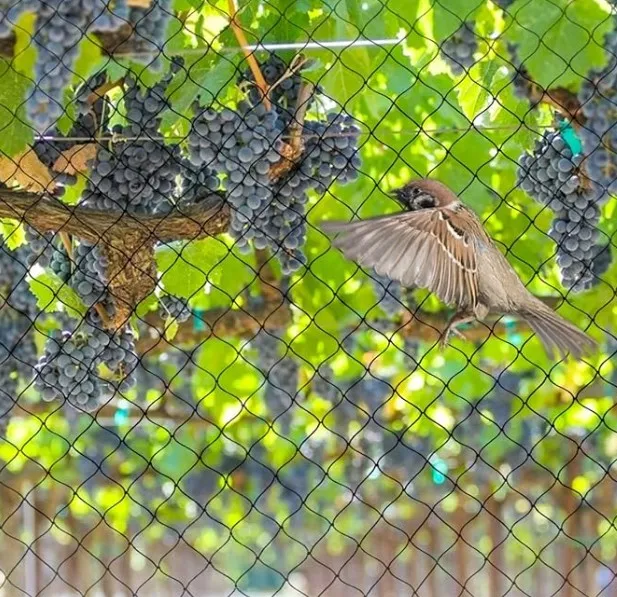
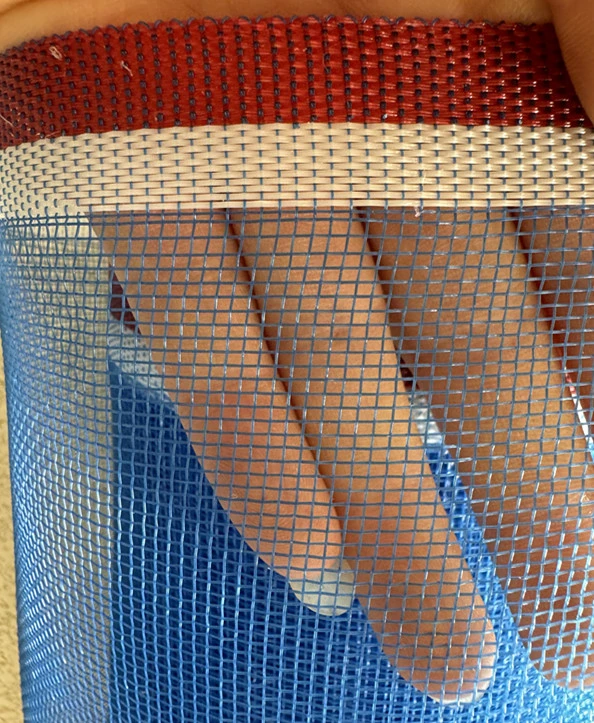
Utilizing precision-engineered insect proof mesh in rooftop farms to protect nutrient-rich crops from aphids and whiteflies without blocking essential sunlight.

03. Coastal Aquaculture Protection

Deploying corrosion-resistant nylon mesh for fish pens and oyster farms along the Southern Islands to withstand saltwater exposure and tidal currents.

04. Urban Greenery & Parks

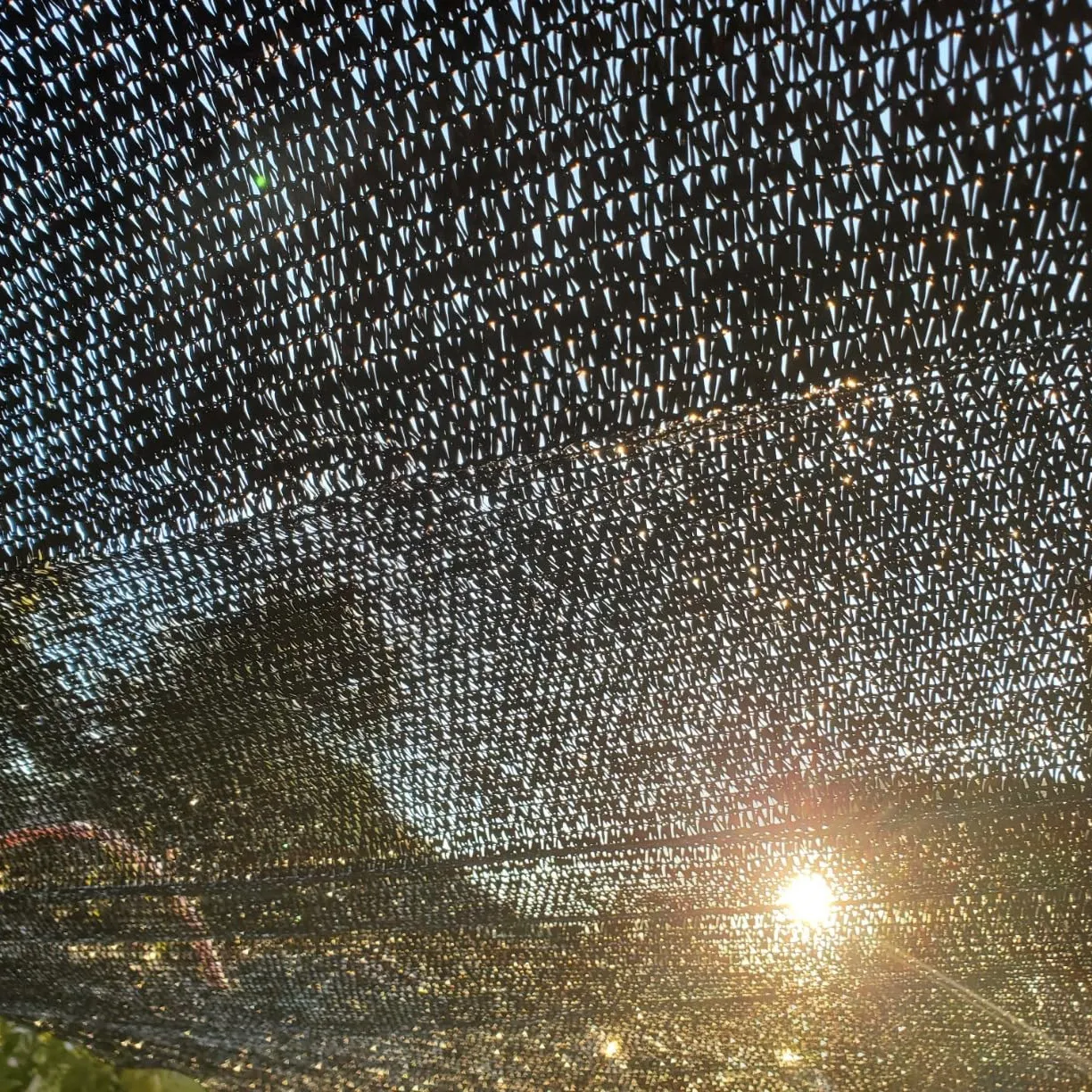
Using specialized agricultural net for nursery plants in the Gardens by the Bay to regulate shade and protect rare tropical orchids from extreme midday heat.

05. Industrial Warehouse Ventilation

Implementing reinforced metal mesh screens in Jurong Industrial Estate warehouses to ensure ventilation while keeping out rodents and large insects.

Brand Story

Global Development History of Anping Yongju Metal Products Co., Ltd.

Foundational Engineering

Established with a focus on high-precision metal weaving, overcoming the pain point of inconsistent mesh aperture sizes in traditional manufacturing.

Material Innovation

Pioneered the integration of UV-stabilized polymers into metal frames, solving the problem of premature degradation in tropical environments.

Global Expansion

Expanded supply chains to Southeast Asia, specializing in custom solutions for Singapore's unique urban farming and construction codes.

Certification Excellence

Achieved international quality standards to ensure every roll of mesh meets rigorous safety and durability benchmarks for global exports.

Future-Ready Vision

Committing to "Green Manufacturing" by developing recyclable mesh products that support global sustainability goals.

Common Questions for Singapore Mesh Clients

Expert answers regarding material selection and local regulatory compliance.

Which material is best for an insect proof mesh in Singapore's humidity?

For high-humidity areas, we recommend UV-stabilized HDPE or stainless steel 316 mesh. These materials prevent oxidation and maintain structural integrity against fungal growth common in tropical climates.

Do your safety mesh products meet Singapore BCA standards?

Yes, our industrial-grade safety meshes are manufactured to meet international tensile strength standards, which align with the rigorous requirements of the Building and Construction Authority of Singapore.

What is the difference between nylon mesh and HDPE for aquaculture?

Nylon mesh offers superior elasticity and abrasion resistance, making it ideal for high-current areas, whereas HDPE is more rigid and generally offers better resistance to saltwater chemical degradation.

How does an anti hail net protect plants during tropical storms?

Our anti hail nets use a high-density weave that absorbs and dissipates the kinetic energy of falling ice or heavy rain droplets, preventing mechanical damage to fragile leaves and fruits.

Can agricultural net be customized for vertical farming layouts?

Absolutely. We provide customized widths and aperture sizes specifically designed for modular vertical racks and hydroponic systems used in urban Singapore farms.

What is the expected lifespan of synthetic mesh in the equator?

With our advanced UV-stabilization technology, our synthetic meshes typically last 3-5 years in direct sunlight, significantly longer than non-treated alternatives.

Consult Our Mesh Engineering Experts

Providing precision-engineered wire and mesh solutions tailored for the industrial and agricultural growth of Singapore.

Contact Us Now
text

If you are interested in our products, you can choose to leave your information here, and we will be in touch with you shortly.