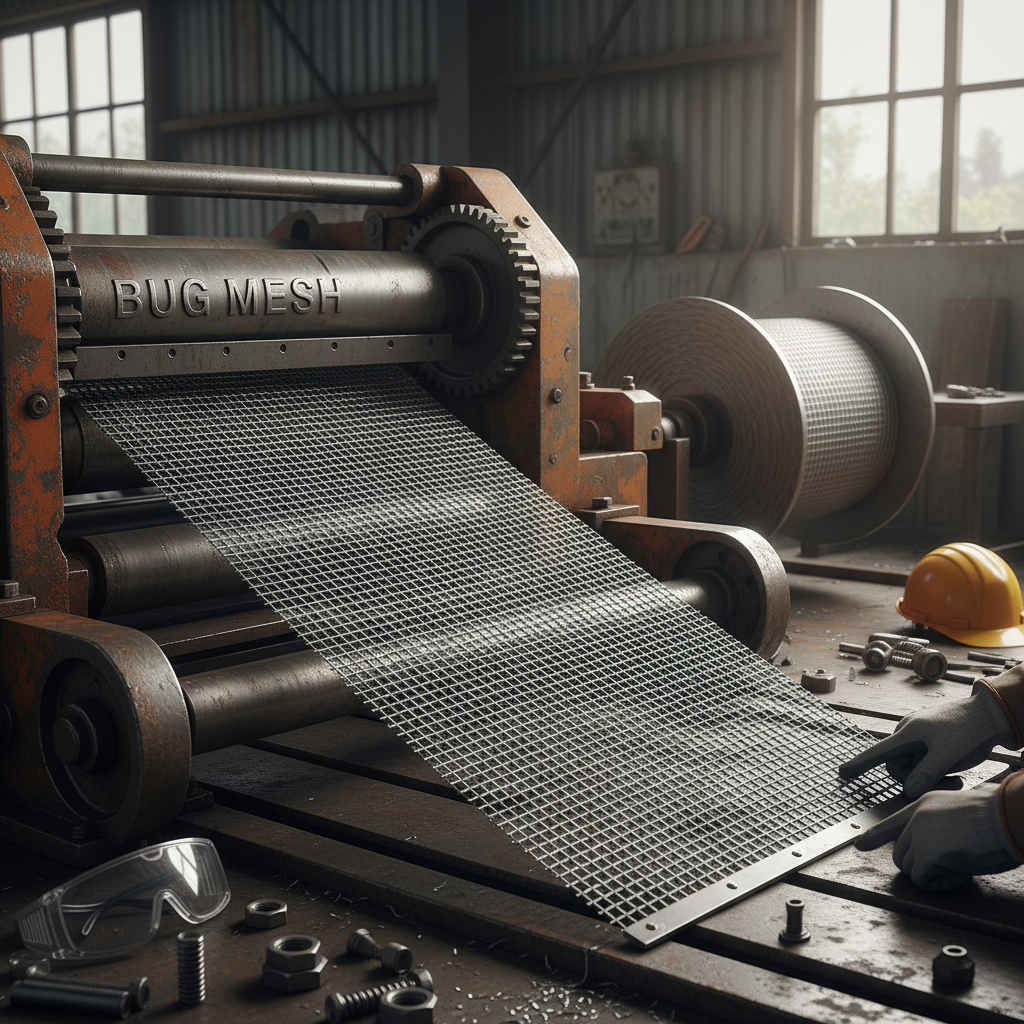
Finding reliable wire mesh manufacturers is a critical decision for procurement managers in the metal products and wire mesh industry. The performance of a final installation—whether it is a high-precision industrial filter or a large-scale agricultural bird net—depends entirely on the material integrity and weaving precision provided by the manufacturer.
Many buyers struggle to balance cost with long-term durability, often overlooking how specific surface treatments or material grades affect the service life of the netting. The challenge lies in identifying a supplier who possesses both the technical R&D capability to customize specifications and the factory scale to maintain consistent quality across large volumes.
This guide provides a comprehensive framework for evaluating wire mesh manufacturers, analyzing the technical trade-offs between stainless steel, galvanized, and nylon materials, and establishing a practical selection process to ensure your mesh solution meets industrial or agricultural requirements.

Material Capabilities of Leading Manufacturers

Professional wire mesh manufacturers typically categorize their production into three core material streams: stainless steel, galvanized steel, and synthetic polymers like nylon and polyethylene. Stainless steel woven mesh is the benchmark for industrial filtration and laboratory settings due to its corrosion resistance. In contrast, galvanized mesh is prioritized for civil engineering, such as slope protection and river management, where structural rigidity is required at a lower price point than stainless steel.
For agricultural and safety needs, synthetic nylon mesh offers a distinct advantage in flexibility and weight. As seen in the production capabilities of Anping County Yongji Products Co., Ltd., the ability to handle multiple materials under one roof allows for integrated solutions, such as combining rigid galvanized frames with flexible nylon insect-proof or bird-proof netting.
Critical Specifications for Technical Evaluation
When auditing wire mesh manufacturers, buyers must look beyond general descriptions and focus on quantifiable specifications. For synthetic netting, the mesh size (e.g., 15mm15mm to 25mm25mm) determines the exclusion capability—whether it is designed to stop small insects or larger birds. The knot type (knot, knotless, or stretch net) significantly impacts the stability of the mesh openings under tension.
In industrial metal mesh, the wire diameter and the weaving density (mesh count) are the primary determinants of filtration efficiency and load-bearing capacity. Surface treatments are equally vital; manufacturers who provide a variety of anti-corrosive coatings can extend the service life of the product from 2 years to over 5 years depending on the environmental exposure.
Matching Mesh Types to Application Scenarios
Selecting the wrong mesh type leads to premature failure or operational inefficiency. For instance, using a standard galvanized mesh in a pharmaceutical lab would lead to contamination, whereas using high-grade stainless steel for a simple garden fence would be an unnecessary expense. Professional manufacturers guide users toward the most cost-effective material based on the specific stress factors of the environment.
Agricultural applications, such as the use of bird netting for vineyards or berry orchards, require materials that allow sunlight, air, and water to pass through while physically preventing pest landing. Industrial networks, however, focus on separation and filtration within petroleum or metallurgical processes, where the priority is chemical stability and thermal resistance.
Evaluation Matrix: Quality vs. Cost Drivers
The total cost of ownership for wire mesh is not determined by the initial purchase price but by the replacement frequency. Factors such as tensile strength, UV resistance in plastics, and the thickness of the galvanized layer directly influence the ROI. This conceptual chart illustrates the relative impact of different quality factors on the overall product longevity.
This illustrative framework shows that material grade and surface treatment have the highest relative impact on service life, followed by weaving precision. Buyers should prioritize these dimensions over minor price differences to avoid the high cost of frequent re-installation.
Customization and R&D Capabilities
The ability to customize dimensions—such as widths ranging from 1m to 16m and lengths up to 500m—is a hallmark of a true manufacturer versus a trading company. Customization is not just about size; it involves selecting the right material density and color (Black, White, Green) to suit the visibility requirements of the site, especially in architecture or environmental protection projects.
Advanced equipment in the workshop allows R&D teams to develop new specifications that can withstand specific regional climates, such as increased UV resistance for high-exposure tropical areas. A manufacturer with a family legacy of experience, like the near-century of R&D seen at Anping County Yongji Products Co., Ltd., often provides more intuitive solutions to installation challenges.
Common Risks in Mesh Procurement
A common mistake is selecting mesh based solely on the lowest quote without verifying the "actual" material composition. For example, some suppliers may use a thinner galvanization layer that appears identical but fails within a single season. Another risk is ignoring the "stretch" factor of nylon nets, which can lead to gaping holes if the material is not properly tensioned during installation.
Additionally, buyers often fail to consider the environmental impact. In agriculture, using non-resilient materials can lead to plastic fragments breaking off and contaminating the soil. Choosing a manufacturer that focuses on durable, reusable materials reduces both the ecological footprint and the long-term procurement budget.
Supplier Selection Decision Framework
To finalize a partnership with wire mesh manufacturers, buyers should use a structured comparison. The following table outlines how different solution types align with specific needs and the primary considerations for each.
| Mesh Category | Best Use Case | Primary Strength | Key Consideration |
|---|---|---|---|
| Stainless Steel | Industrial Filtration | Corrosion Resistance | Higher Initial Cost |
| Galvanized Steel | Slope Protection | Structural Rigidity | Oxidation Risk |
| Nylon (Knotless) | Bird/Insect Proofing | High Flexibility | UV Degradation |
| Polyethylene | Hail Protection | Lightweight/Cheap | Lower Tensile Force |
| Customized Alloy | Petroleum/Chem | Chemical Stability | Longer Lead Time |
| Industrial Network | Separation Facilities | High Throughput | Precision Weaving |
By mapping the project requirement to this framework, procurement officers can shift from "price-based" buying to "value-based" procurement, ensuring the selected manufacturer can support the full lifecycle of the product.
Frequently Asked Questions
Check for specific factory details such as the total production area (e.g., 5,000sqm), the presence of an in-house R&D team, and the ability to provide customized widths and lengths. Direct manufacturers can usually offer free samples and shorter lead times for custom specifications.
Depending on the material quality and UV treatment, high-grade nylon or polyethylene netting typically has a service life of 2 to 5 years. Regular maintenance and proper removal/re-rolling during off-seasons can extend this duration.
Yes, professional manufacturers offer customizable mesh sizes. Common standards include 15mm15mm, 20mm20mm, and 25mm25mm, but these can be adjusted to target specific bird species or insect types.
Galvanized woven mesh is generally the best choice for river management and mountain slope protection due to its balance of strength, corrosion resistance, and cost-effectiveness for large-scale infrastructure.
Manufacturers provide various surface treatments to enhance durability, including hot-dip galvanizing, electroplating, and specialized chemical coatings to prevent oxidation in harsh industrial environments.
Yes, professional agricultural netting is designed with a specific open-area ratio that allows water, sunlight, and air to penetrate freely, ensuring that crop growth is not hindered while protection is maintained.
Conclusion
Selecting the right wire mesh manufacturers requires a transition from evaluating price to evaluating technical capability. Whether your project demands the chemical resistance of stainless steel for a pharmaceutical lab or the resilient flexibility of nylon for an orchard, the key is to verify the manufacturer's R&D capacity and their ability to provide precise, customized specifications.
For those needing professional netting solutions, you can review the full range of material options and technical specifications at www.yjnylonmesh.com to match the right product to your specific operational requirements.