Netting To Protect Plants From Cats | Durable & Eco-Friendly Solutions from YJ Wire Mesh
Netting To Protect Plants From Cats is a key solution in the industry, specifically within horticulture, landscaping, and urban agriculture sectors. This article explores how https://www.yjwiremesh.com supports professionals with durable, high-performance products, and explains why this product is an ideal choice for businesses in these sectors.
Table of Contents
- Netting To Protect Plants From Cats Overview
- Benefits & Use Cases of Netting To Protect Plants From Cats
- Cost, Maintenance & User Experience
- Sustainability & Market Trends
Netting To Protect Plants From Cats Overview
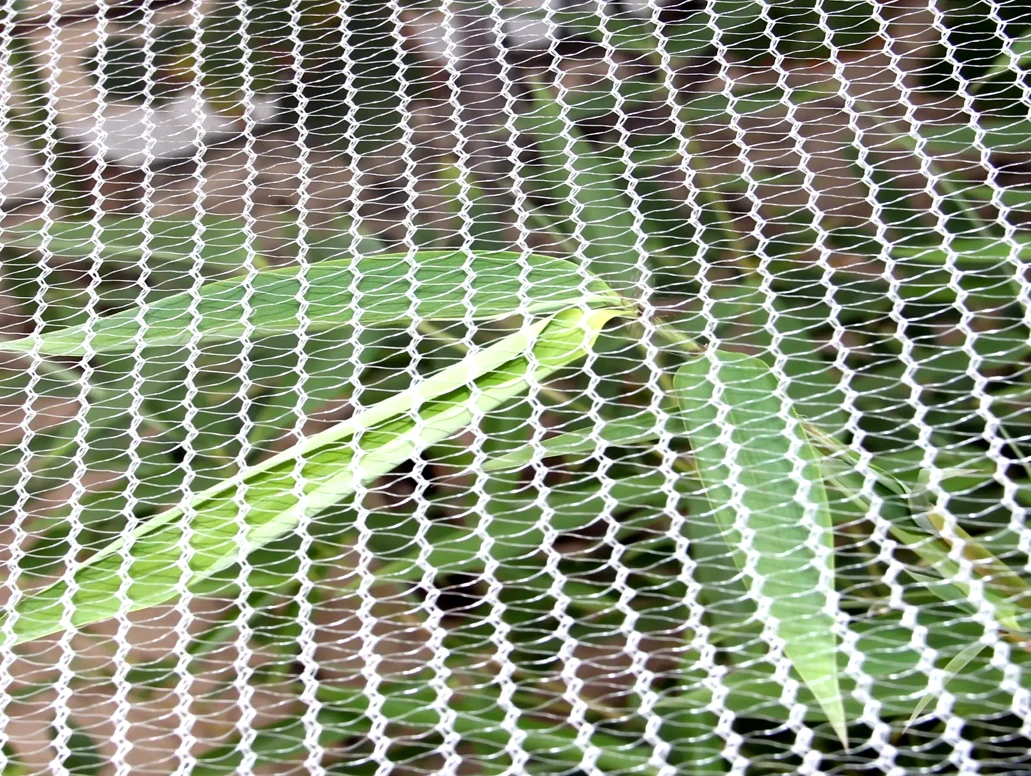
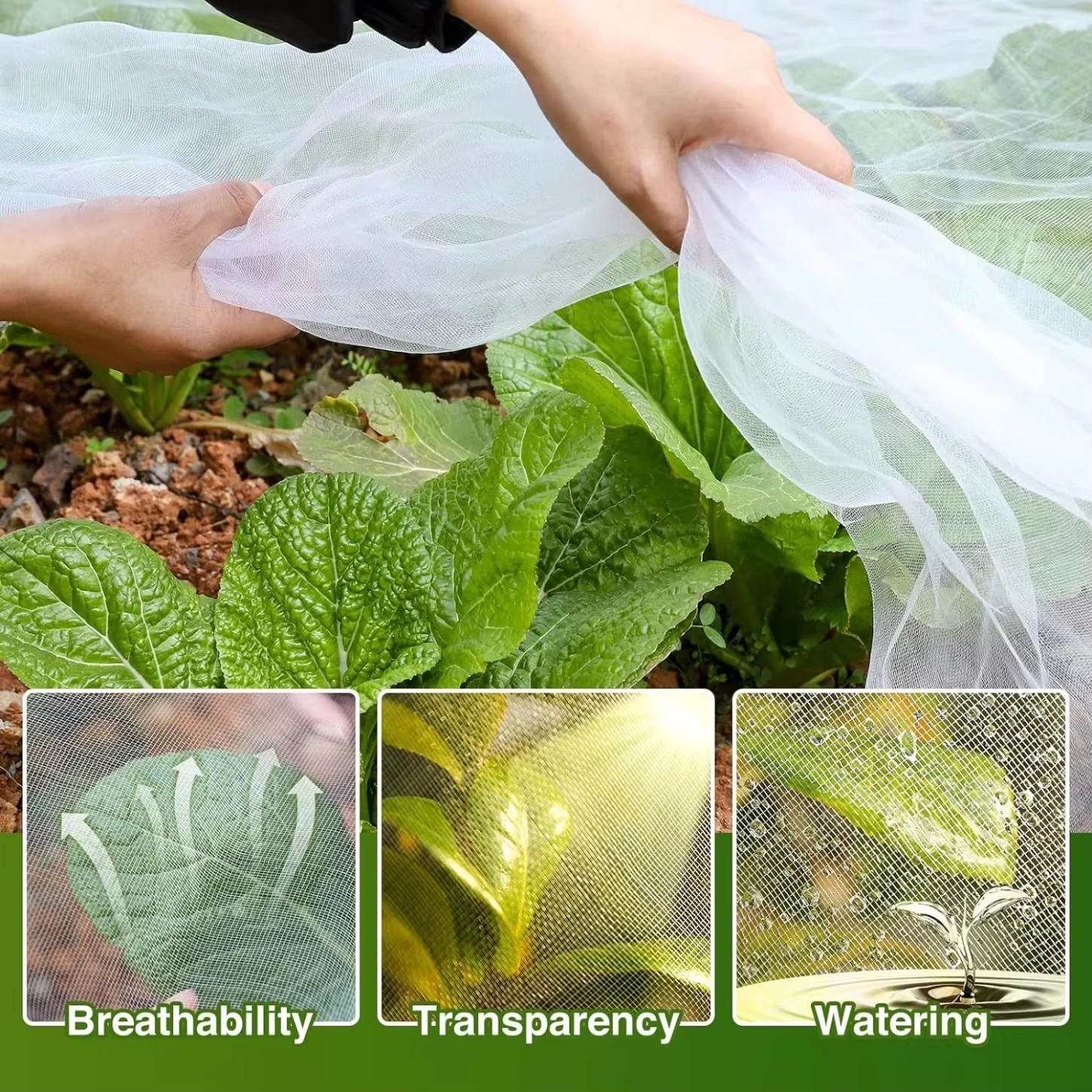
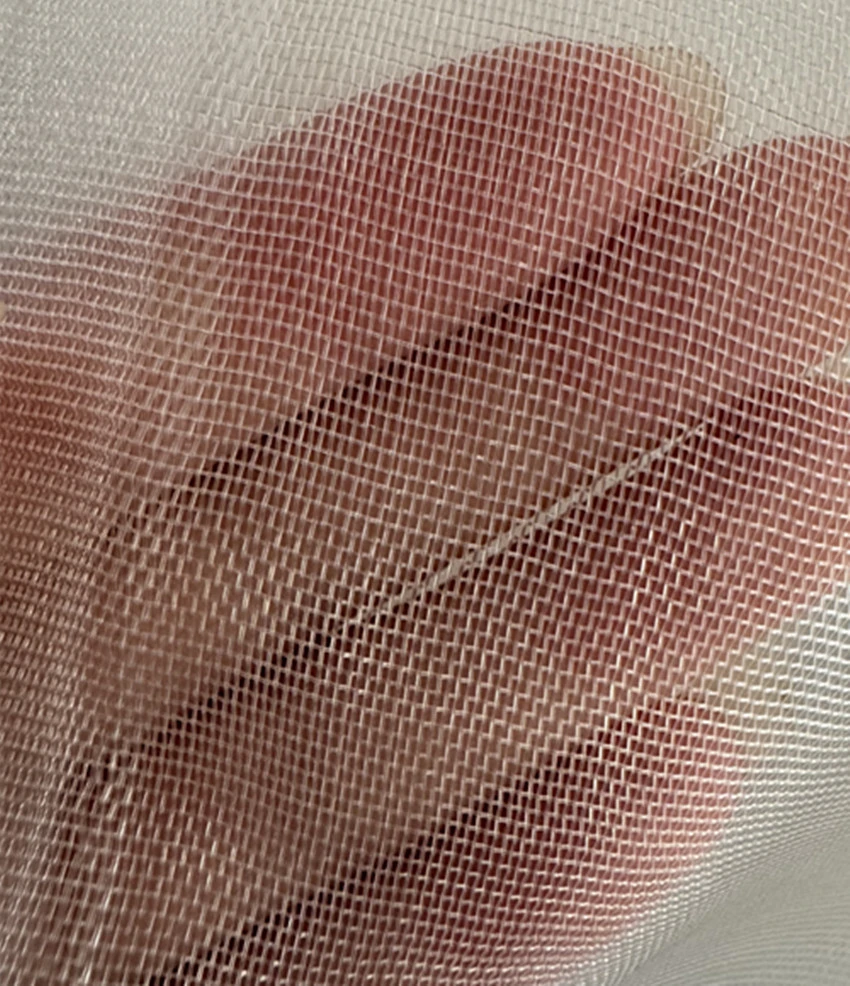
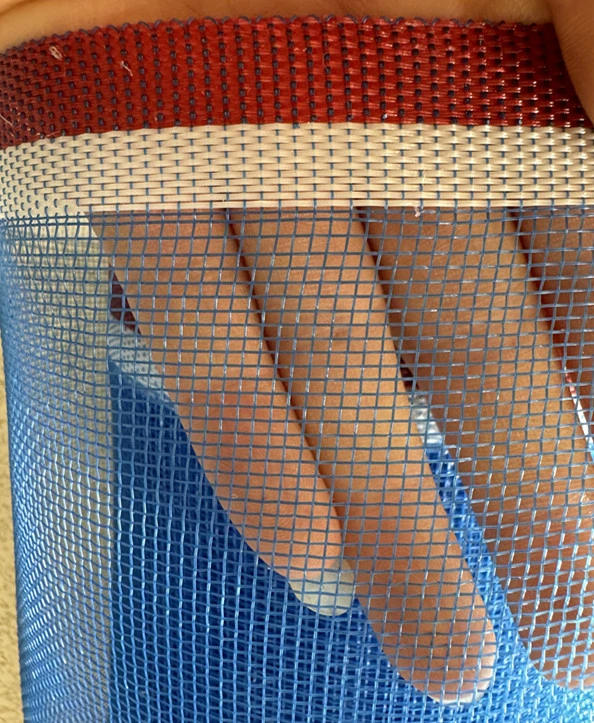
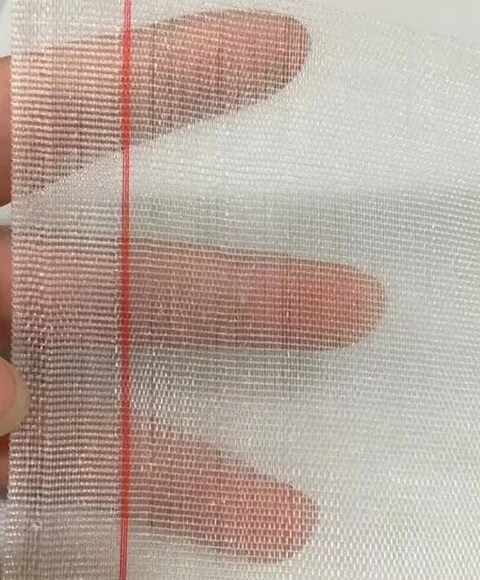
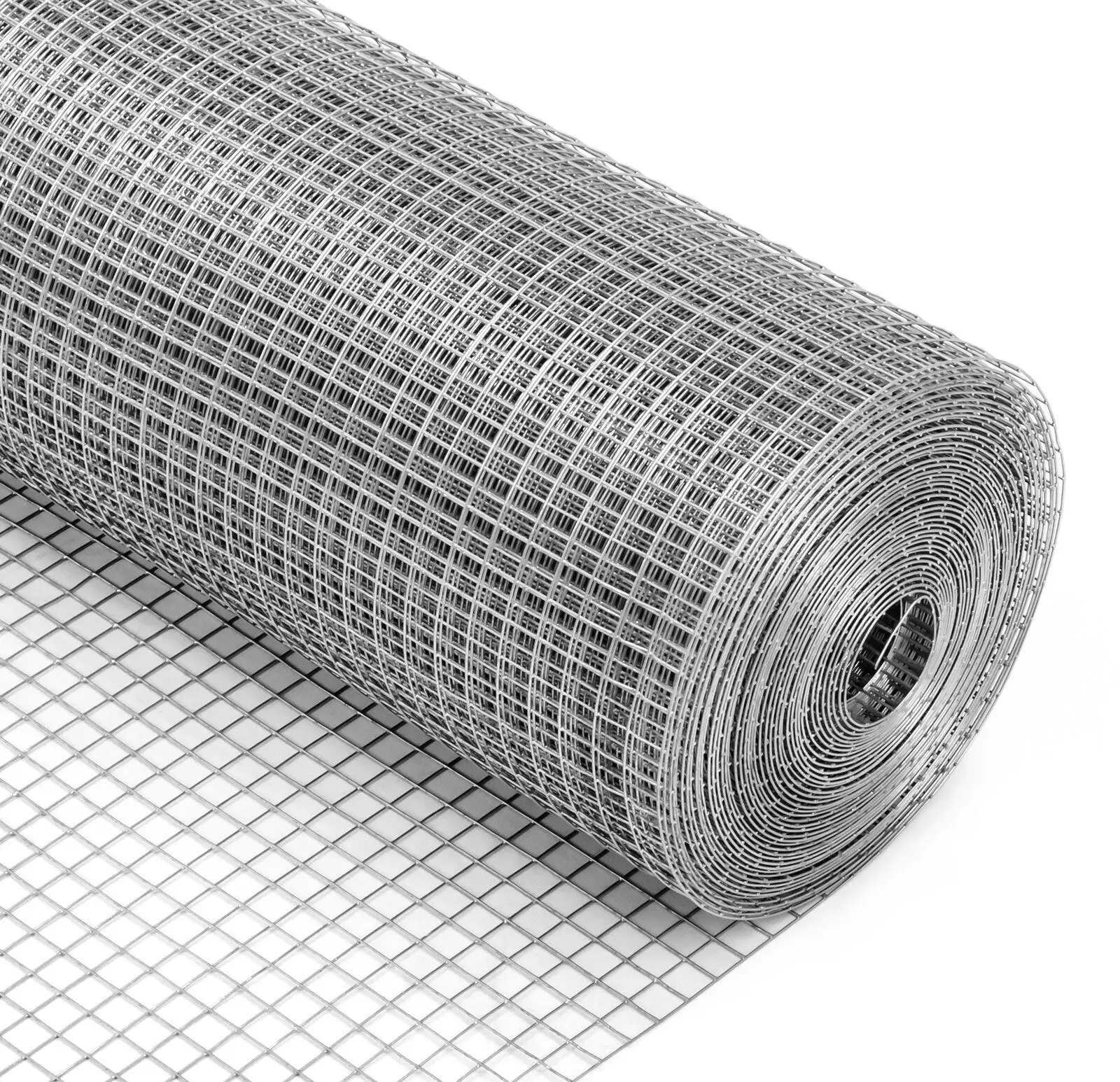
Simply put, netting to protect plants from cats is a specially designed mesh barrier that prevents cats—and frankly, other small animals—from trampling, digging up, or otherwise disturbing plants in protected areas. It’s a pretty straightforward concept but having a reliable, effective product is where things get technical. These nets are crafted from UV-stabilized polyethylene or polypropylene, materials known for their strength and resistance to the weather. You’ll find mesh sizes usually ranging between 10mm to 30mm, enough to block feline paws without inhibiting plant growth or airflow.
One interesting case study from YJ Wire Mesh showed commercial nurseries using their polypropylene netting dramatically reduced plant damage from urban feral cats by nearly 90% over a year without affecting sunlight or irrigation. Plus, their netting comes in rolls that are easy for landscapers and facilities managers to install and adjust as plantings change.
| Feature | Specification |
|---|---|
| Material | UV-Stabilized Polypropylene |
| Mesh Size | 10mm - 30mm |
| Roll Width | 1m, 2m, 4m options |
| Length per Roll | 50m standard |
| Tensile Strength | Up to 120N/cm |
| UV Resistance | Up to 3 Years Outdoor Use |
Benefits & Use Cases of Netting To Protect Plants From Cats
In real terms, businesses in landscaping, nurseries, and urban farming find netting invaluable for maintaining plant integrity and aesthetic appeal. It’s not just about keeping cats out — the net acts as a humane barrier that prevents damage without harm. This makes it popular among eco-conscious property managers and corporate clients aiming to reduce pest-related loss without chemicals.
The key advantage it offers is the balance between strength and flexibility: the netting is tough enough to withstand curious or persistent cats but light and easy to deploy over large or oddly-shaped plots. Installation is fairly simple too — you can secure it to stakes or existing fencing without costly infrastructure changes, which many professionals appreciate.
Moreover, the polypropylene material is rot-resistant and holds color well, avoiding that faded, brittle look that cheaper nets get after a single season. It’s little things like this durability combined with the mesh size customization that sets YJ Wire Mesh ahead of competitors in this niche.
Cost, Maintenance & User Experience
What many decision makers really want to know is about cost-effectiveness. Here, netting to protect plants from cats shows its true value. The initial investment varies depending on mesh density and size, but the total cost of ownership is low. The durability means fewer replacements, minimal maintenance, and ultimately a strong ROI in plant preservation and reduced labor to fix damage.
Feedback from urban farm managers and landscaping firms reveals a generally positive user experience. They report less interrupted workflow and more predictable plant growth since damage cases dropped substantially. Some users noted that while the installation took some initial trial and error, the modularity of the rolls brought enough flexibility to fit diverse environments easily. Additionally, compared to fencing or repellents, the netting is a one-time hassle with ongoing benefits.
| Feature / Vendor | YJ Wire Mesh | Competitor A | Competitor B |
|---|---|---|---|
| Material Quality | UV-Stabilized Polypropylene | Standard Polyethylene | Low-Density PVC |
| Durability (Years Outdoor) | Up to 3 Years | 1-2 Years | Less than 1 Year |
| Customization Options | Widths, Mesh Sizes, Colors | Limited Mesh Sizes | Single Color, Fixed Size |
| Ease of Installation | High (Flexible Rolls) | Moderate | Low (Rigid, Heavy) |
| Price Category | Mid-range | Budget | Low-end |
Sustainability & Market Trends
It’s curious, but products like netting to protect plants from cats are catching on not just for their effectiveness but for eco-friendly attributes. The materials involved, especially UV-stabilized polypropylene, lend themselves to longer life cycles with less frequent replacement—and that means less plastic waste. Some manufacturers, including YJ Wire Mesh, are even exploring recycled content nets, which dovetails nicely with tightening regulations on environmental impact in packaging and landscaping supplies.
Market-wise, there’s a growing demand from cities and private estates aiming to balance pet control with wildlife-friendly practices. Netting is a discreet, humane solution that appeals to this trend, and analysts forecast steady growth of around 7-8% annually in this segment worldwide. So from a B2B standpoint, investing in dependable netting products now could position your business well for this evolving demand.
Frequently Asked Questions about Netting To Protect Plants From Cats
- What is Netting To Protect Plants From Cats and how does it work?
- Essentially, it’s a mesh barrier tailored to keep cats from reaching sensitive plants. It works by forming a physical obstacle that cats can't easily climb or pass through, preventing damage caused by scratching, digging, or trampling.
- What are the main benefits of using Netting To Protect Plants From Cats in industrial applications?
- The benefits include durability in various weather conditions, cost-effectiveness compared to replacement plants or fencing, and ease of maintenance. Plus, it reduces the need for chemical deterrents, which aligns with sustainability goals.
- How does Netting To Protect Plants From Cats compare to traditional alternatives?
- Compared to repellents, fences, or guards, netting offers more comprehensive coverage and is less obtrusive. It also lasts longer than many chemical or fabric solutions and is adaptable for different plant configurations.
- What industries can benefit most from Netting To Protect Plants From Cats implementation?
- Main beneficiaries include commercial landscaping companies, urban farming enterprises, nurseries, botanical gardens, and municipal park services. These sectors often report success in reducing plant damage and improving overall plant health with netting solutions.
Conclusion on Netting To Protect Plants From Cats from china
In short, investing in high-quality netting to protect plants from cats is a smart bet for any business looking to safeguard their greenery—whether it’s a large nursery or a city landscaping project. YJ Wire Mesh’s offerings combine technical robustness, ease of installation, and sustainable materials, making them a reliable choice in this competitive field. For anyone exploring effective plant protection, I’d say checking out their solutions is well worth the time.
- Recap the value of Netting To Protect Plants From Cats.
- - Visit our website: https://www.yjwiremesh.com
Reflecting on it, it’s fascinating how a simple mesh can be so pivotal in protecting green spaces in urban and rural settings alike. Innovations like this remind us that sometimes, the best solutions are practical and straightforward.
-
High Quality Anti Bird Agro Net for Professional Crop ProtectionNewsApr.16,2026
-
Guide to Bird Netting Cost Per Square Foot and Material OptionsNewsApr.09,2026
-
Comprehensive Guide to Bird Netting Cost Factors and Material ChoicesNewsApr.07,2026
-
Comprehensive Guide to Bird Net for Balcony Cost and Installation OptionsNewsApr.04,2026
-
Comprehensive Guide to Bird Netting Price and Effective Protection SolutionsNewsMar.31,2026
-
Comprehensive Guide to Nylon Bird Net Price Factors and OptionsNewsMar.28,2026