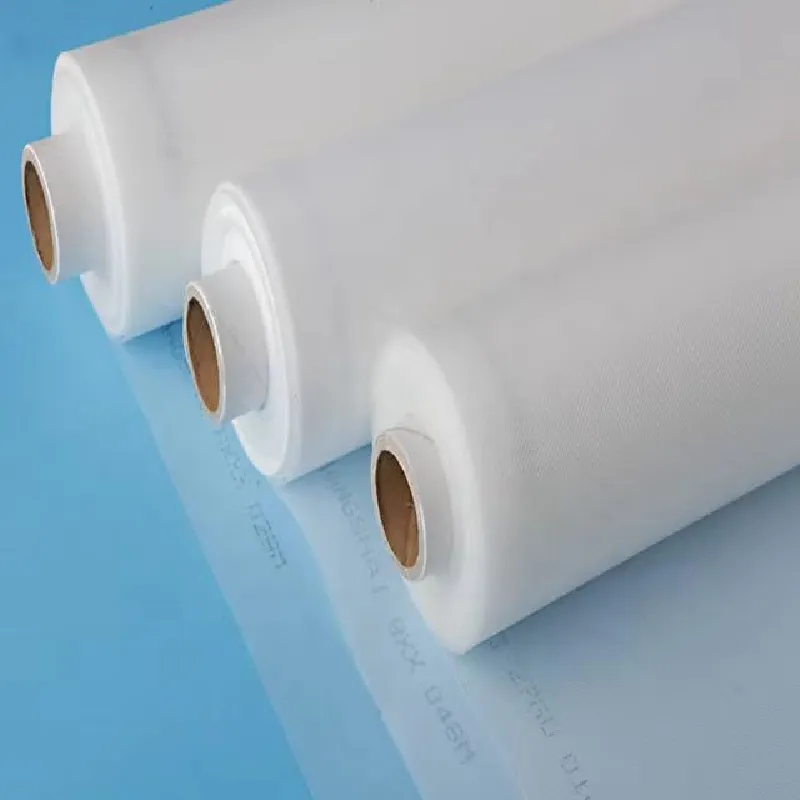
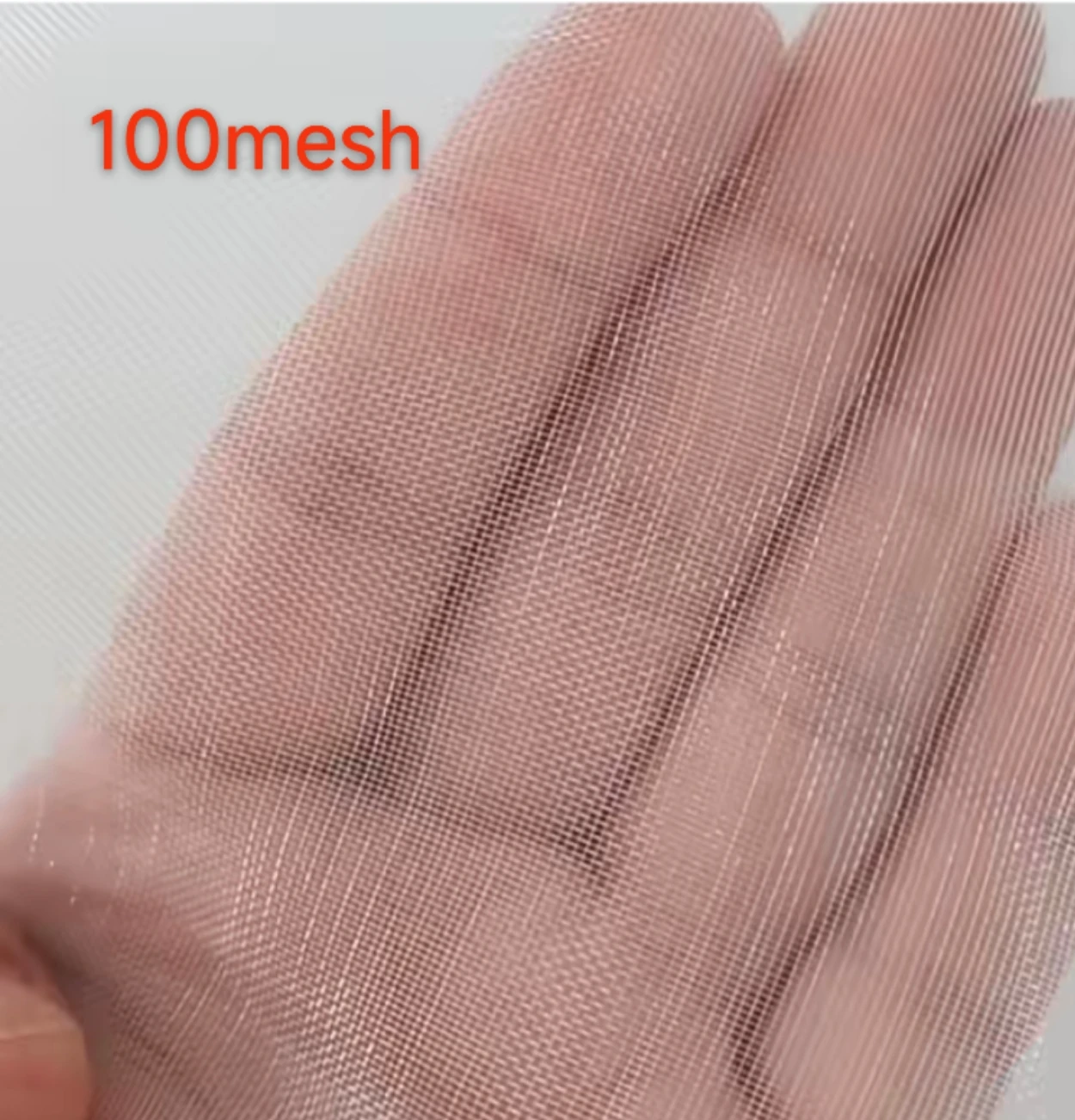
Premium insect proof mesh Solutions for New Zealand Agriculture

Advanced wire mesh and polymer netting engineered for the unique climatic challenges of the Oceania region, ensuring crop security and operational safety.

Premium insect proof mesh Solutions for New Zealand Agriculture

Integrating high-tensile metal weaving and UV-stabilized polymer technology to provide comprehensive protection for New Zealand's horticultural and viticultural sectors.

The State of Mesh Manufacturing in New Zealand

Addressing the specific demands of Oceania's diverse topographical and climatic zones.

New Zealand's agricultural landscape is characterized by high UV exposure and volatile weather patterns. This environment necessitates the use of high-performance agricultural net that can withstand significant wind loads and salt spray corrosion, particularly in coastal orchards.

The local market has shifted from basic galvanized products to specialized coatings. There is an increasing demand for anti hail net systems that protect high-value kiwifruit and grape crops from sudden extreme weather events common in the Canterbury and Hawke's Bay regions.

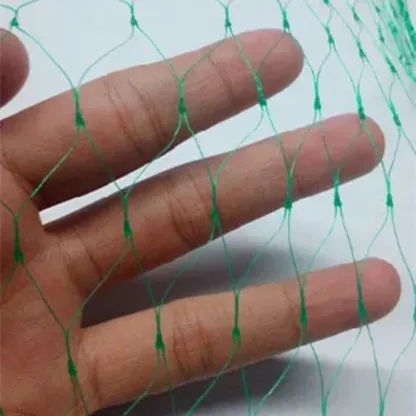
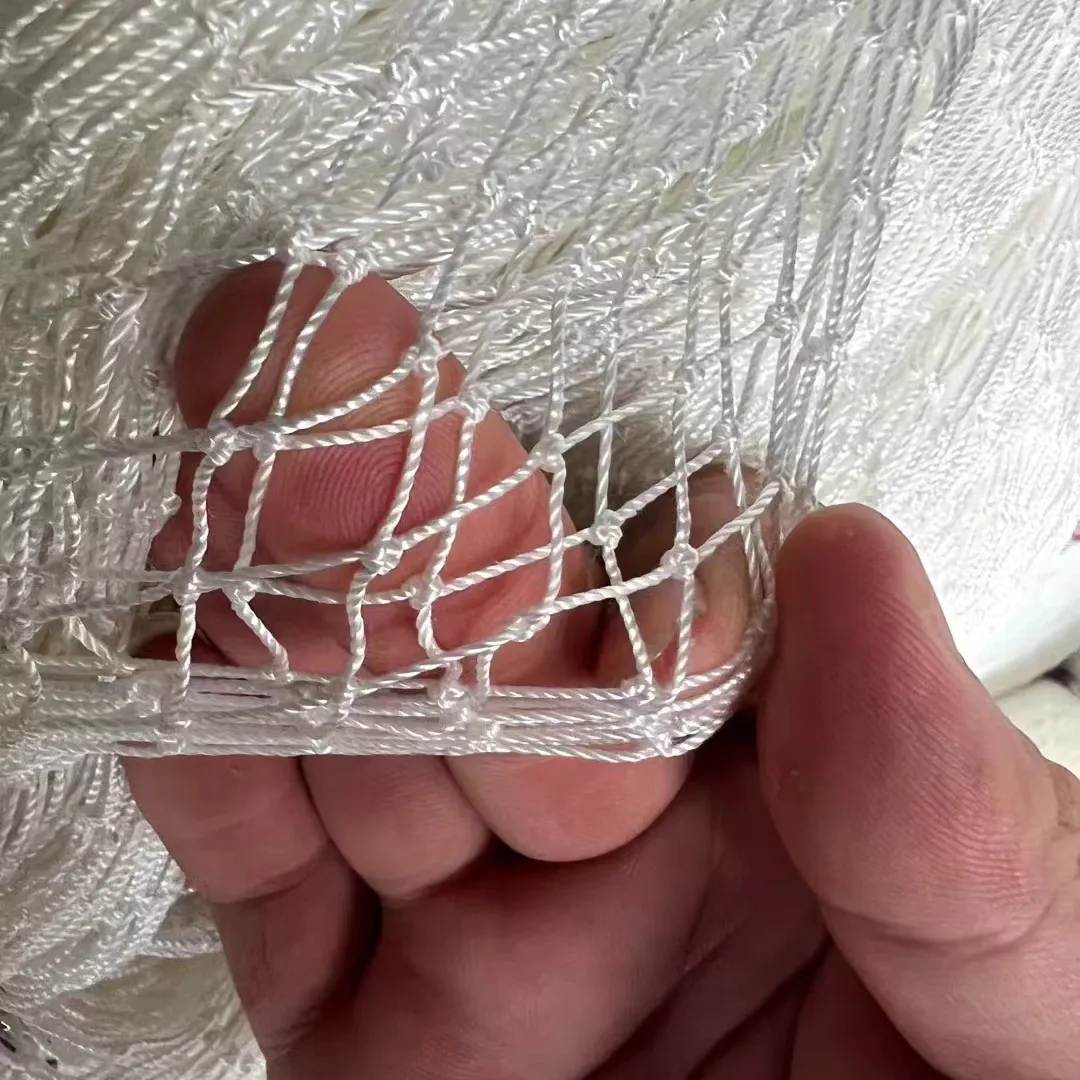
Furthermore, the strict biosecurity laws of New Zealand drive the adoption of precision-engineered mesh. The integration of durable nylon mesh has become essential for sustainable pest control and crop management without relying heavily on chemical interventions.
Evolution of Mesh Technology in Oceania

From traditional galvanized wire to smart, polymer-coated structural netting.

Market Development History

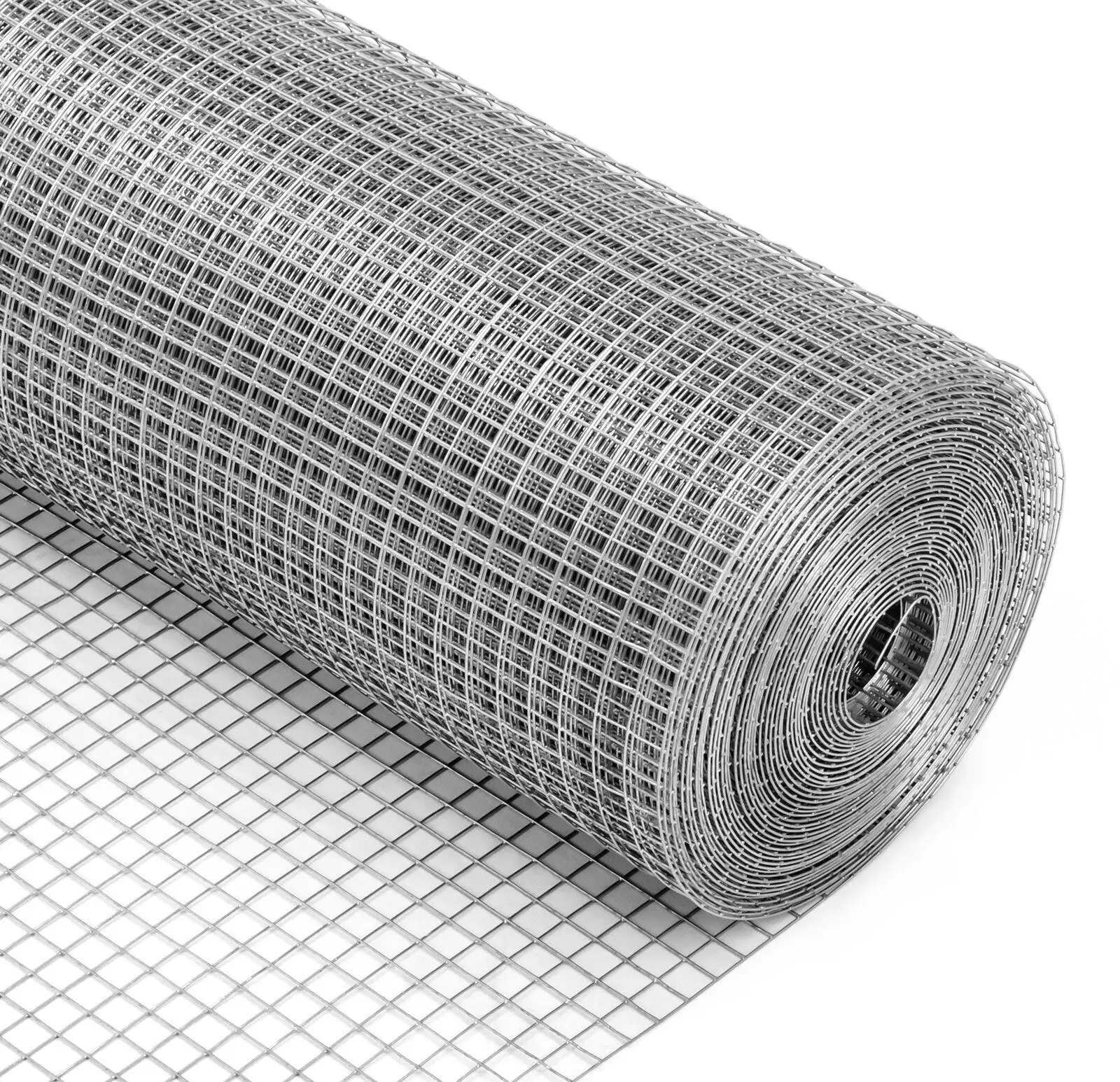
In the late 20th century, the industry relied primarily on heavy-gauge galvanized steel. These early products provided structural support but lacked the flexibility and UV resistance required for modern precision farming in New Zealand.

Around 2010, a technical pivot occurred with the introduction of HDPE and advanced polymers. The industry saw a surge in the use of safety mesh for industrial and agricultural installations, focusing on tear resistance and longevity under intense sunlight.

Currently, the market has entered the era of "Hybridized Protection," where metallic strength is combined with polymer elasticity, creating customized netting solutions that balance airflow, light transmission, and physical security.

Future Development Trends

Biodegradable Polymer Integration

Expect a shift toward eco-friendly, compostable netting materials that reduce the plastic footprint in New Zealand's soil while maintaining structural integrity.

Nano-Coating for Corrosion Resistance

The adoption of nano-ceramic coatings to replace traditional galvanization, offering 10x the salt-spray resistance for coastal installations.

IoT-Integrated Monitoring

Integration of sensors within the mesh structure to monitor tension and breach alerts in real-time for large-scale agricultural estates.

Industry Outlook and Future Trajectory

Analyzing the synergy between material science and New Zealand's agricultural goals.

UV-Stabilization Evolution
Developing new UV-absorbers to extend the lifespan of agricultural nets in high-altitude NZ regions.
Precision Weave Density
Customizing micron-level mesh sizes to block specific invasive insect species native to Oceania.
High-Tensile Alloys
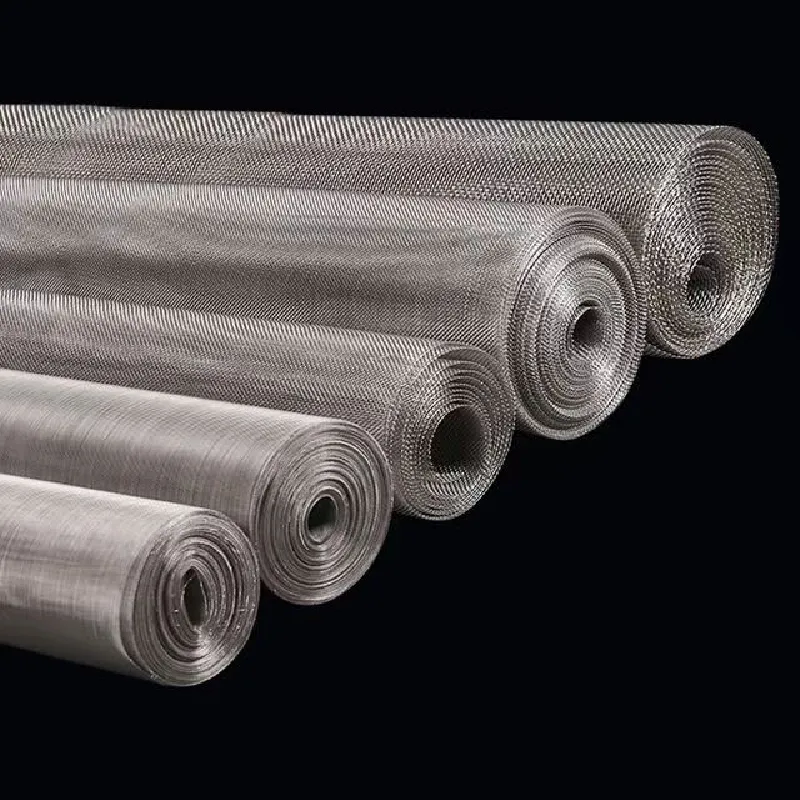
Utilizing low-carbon steel alloys for safety mesh that offers superior strength-to-weight ratios.
Automated Installation
Developing mesh rolls compatible with automated tensioning systems for faster deployment.

Industry Outlook

Based on Google search trends in the agricultural sector, there is a marked increase in queries regarding "sustainable crop protection" and "UV-resistant netting" within the New Zealand market. This indicates a transition from short-term fixes to long-term infrastructure investments.

We anticipate that the integration of smart materials will allow mesh to not only protect but also provide data on the environment, creating a new category of "Intelligent Mesh" that supports the precision farming goals of New Zealand's primary industries.

Localized Application Scenarios in New Zealand

Practical deployments of our mesh solutions across various New Zealand terrains.

01. Viticulture Hail Protection in Marlborough

Installation of high-density anti hail net over premium vineyards to prevent grape bruising and stem damage during unpredictable autumn storms.

02. Kiwifruit Pest Control in Bay of Plenty

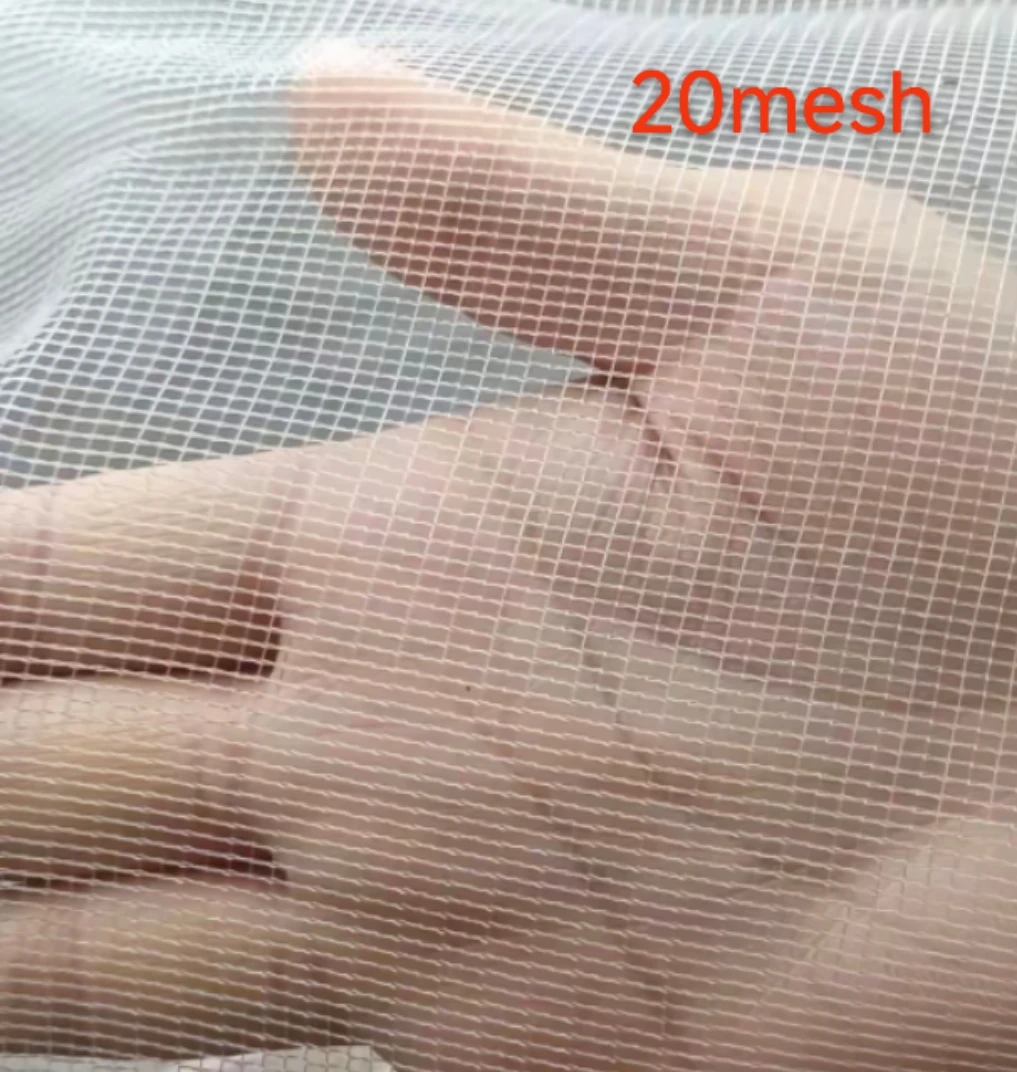
Deploying specialized insect proof mesh to eliminate the need for chemical pesticides, ensuring organic certification and crop purity.

03. High-Country Livestock Fencing

Using heavy-duty nylon mesh reinforced with metal wires for flexible yet strong boundary marking in the Southern Alps region.

04. Horticulture Greenhouse Shade

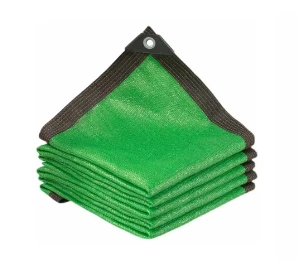
Applying custom-grade agricultural net to regulate light intensity and temperature for delicate berry crops in the Waikato region.

05. Industrial Safety Enclosures

Implementing high-tensile safety mesh in processing plants and warehouses to comply with New Zealand's stringent workplace health and safety (WHS) standards.

Brand Story

Global Development Journey of Anping Yongju Metal Products Co., Ltd.

Founding Excellence

Established in the heart of China's wire mesh capital, our mission began with a commitment to mastering the art of precision weaving and metallurgy.

Technological Leap

We invested in automated CNC weaving machinery to solve the pain point of inconsistent mesh aperture, ensuring 100% precision for industrial clients.

Global Expansion

Expanding into the Oceania market, we adapted our products to meet the rigorous environmental standards of New Zealand and Australia.

Sustainability Pivot

Recognizing the global climate crisis, we developed UV-stabilized, recyclable polymer coatings to reduce environmental impact without sacrificing strength.

Industry Leadership

Today, we stand as a premier partner for global agriculturalists, providing the "invisible shield" that protects the world's most valuable crops.

Common Questions for New Zealand Clients

Expert answers regarding mesh selection and maintenance in the Oceania region.

How do I choose the right UV-stabilized agricultural net for high-altitude areas?

For high-altitude regions in New Zealand, we recommend nets with a minimum of 3% UV stabilizer added during extrusion to prevent polymer degradation from intense radiation.

What is the best mesh size for an insect proof mesh to block native NZ pests?

Depending on the target pest, we typically suggest a mesh aperture between 0.6mm and 1.2mm to balance airflow and exclusion efficiency.

Can anti hail net be reused across multiple seasons in Oceania?

Yes, our high-density polyethylene (HDPE) nets are designed for a service life of 5-8 years if properly tensioned and stored during the off-season.

Is nylon mesh suitable for permanent boundary fencing in rural New Zealand?

Nylon mesh is excellent for flexible boundaries; however, for permanent high-pressure areas, we recommend our hybrid nylon-steel reinforced options.

How does safety mesh comply with New Zealand health and safety regulations?

Our safety mesh is manufactured to meet international load-bearing standards, providing the necessary impact resistance required by NZ WHS laws.

What coating is best for mesh installed in coastal New Zealand environments?

We strongly recommend PVC-coated or hot-dip galvanized steel with an additional polymer layer to prevent salt-air corrosion.

Secure Your Assets Today

Contact our engineering team for customized mesh solutions tailored to the environmental demands of New Zealand.

Contact Us Now
text

If you are interested in our products, you can choose to leave your information here, and we will be in touch with you shortly.