Safety Nets for Sale – Comprehensive Guide to Global Fall Protection Solutions
Safety Nets for Sale: A Vital Investment in Global Protection
When you hear the term safety nets for sale, it might evoke images of construction sites or sports arenas. But these nets are far more than simple barriers — they’re crucial tools in protecting lives, ensuring workplace safety, and even supporting humanitarian relief efforts around the world. Understanding what they are, why they matter globally, and how to select the right kind can literally save lives.
Safety nets provide physical fall protection and barrier solutions that billions depend on daily. Their significance increases as urbanization intensifies, work environments become more complex, and safety regulations tighten internationally. Let’s unpack all that, with a clear eye on the key benefits and practical insights.
Global Context: Why Safety Nets for Sale Matter Today
Globally, workplace accidents remain a leading cause of injury and death. According to the International Labour Organization (ILO), over 2.3 million people die each year from occupational accidents and diseases — a staggering figure. Notably, falls from height contribute significantly to this toll. Source: ILO
The World Bank and ISO standards increasingly emphasize the adoption of effective safety practices, including fall arrest solutions like safety nets. In booming sectors such as construction, infrastructure development, and industrial manufacturing, safety nets aren’t luxuries but essentials to meet safety compliance and reduce risk.
However, challenges persist, especially in emerging economies where access to certified, quality safety nets for sale can be scarce. This gap highlights the crucial role of reliable suppliers and informed buyers in improving workplace safety globally.
Defining Safety Nets for Sale
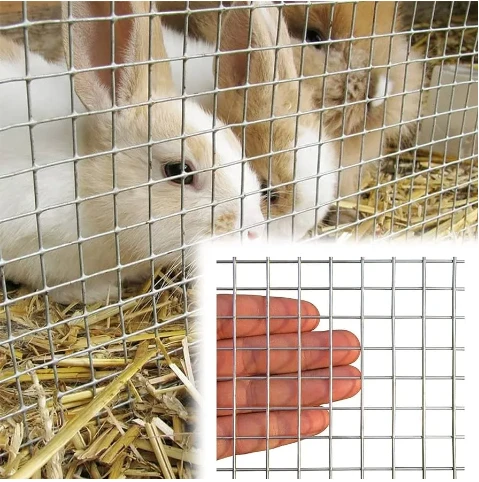
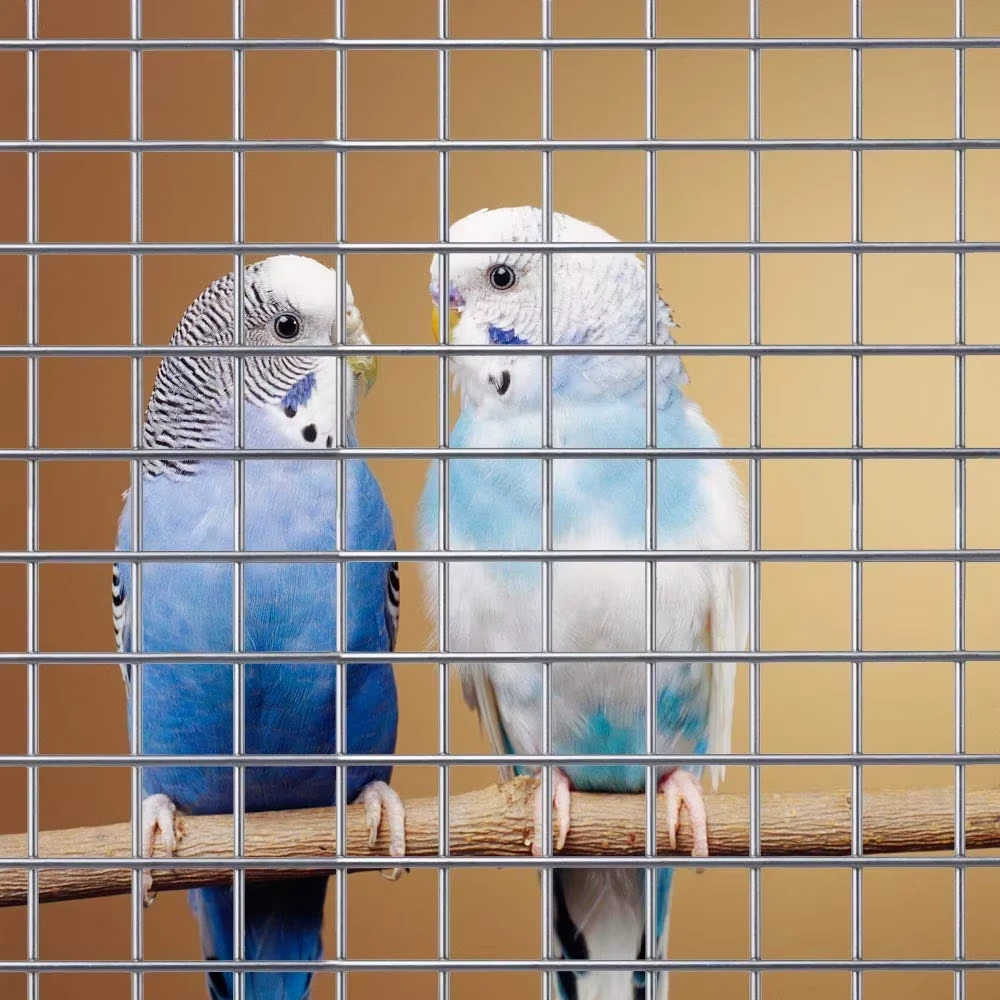
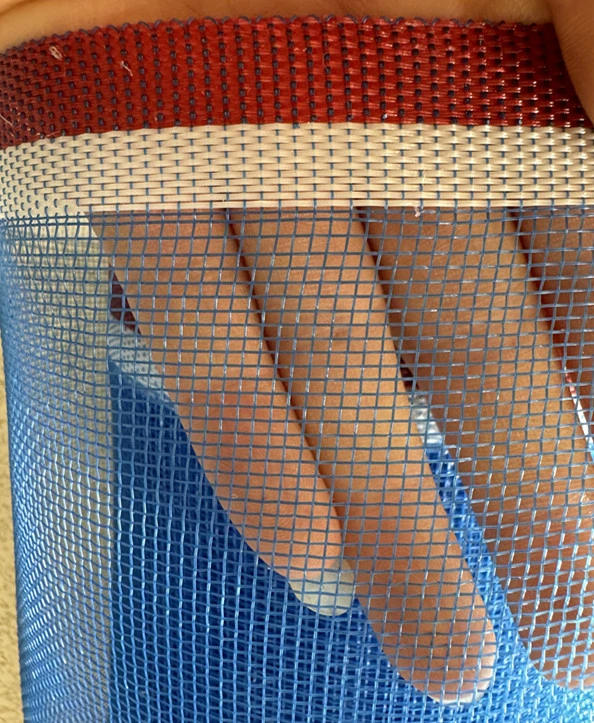
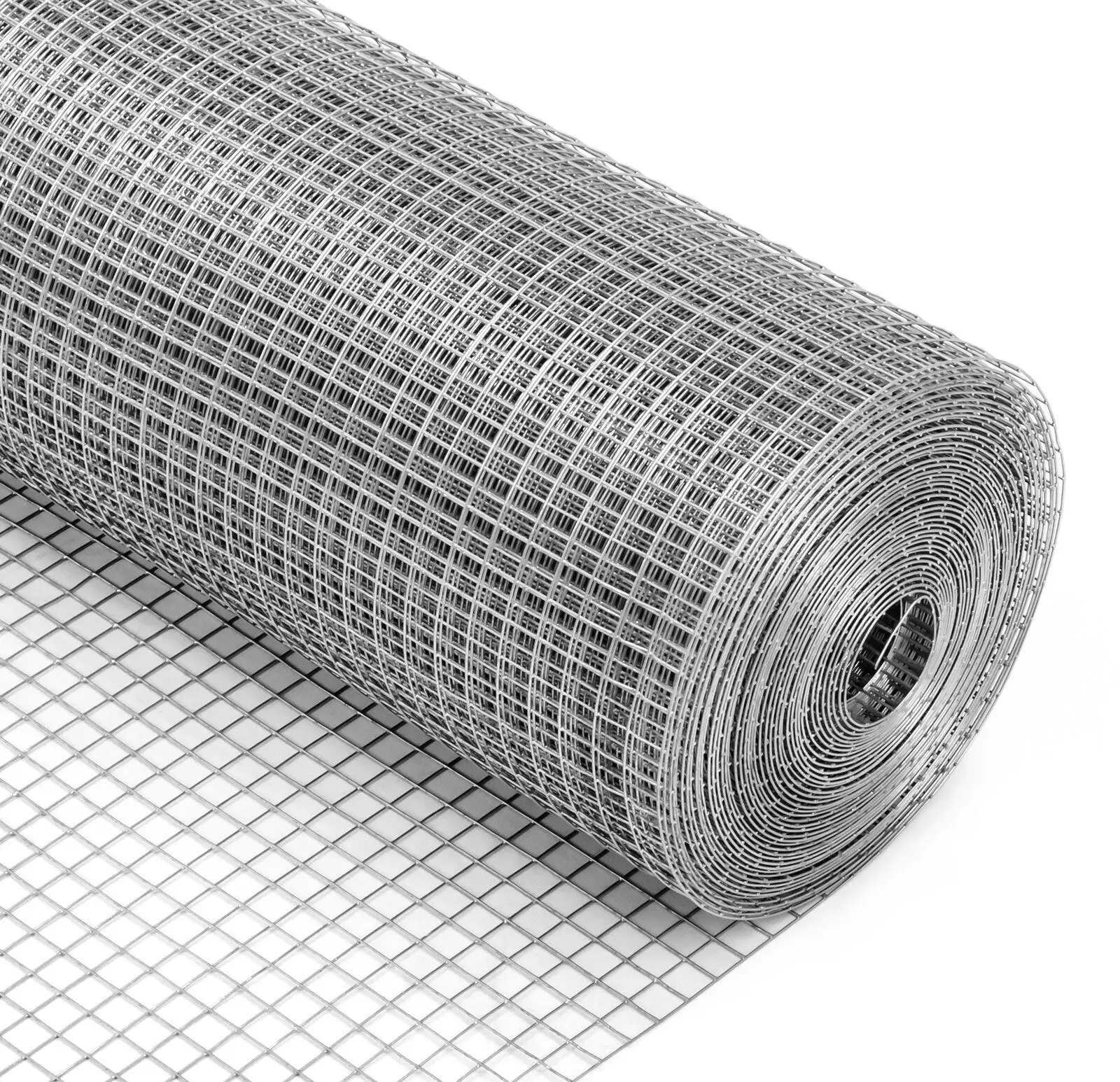
Put simply, safety nets for sale refer to pre-manufactured fall protection barriers designed to catch or prevent falls from height. Typically made from high-tensile synthetic fibers or steel wire mesh, these nets are installed below or around elevated work areas, stairs, scaffolds, and even sports facilities.
Beyond industrial use, safety nets are part of broader protective systems — spanning disaster relief (debris catchment), crowd control, and even animal protection in agriculture. Modern safety nets align with international safety standards like ISO 18065, ensuring durability and reliability for diverse applications.
Core Components of Quality Safety Nets
- Durability: Nets must withstand harsh weather, UV exposure, and heavy impact without fraying or breaking. Materials like UV-stabilized nylon or polyester and galvanized steel are common.
- Load Capacity: A key spec is the break strength, often rated in kilograms or kiloNewtons. Properly rated nets prevent dangerous failures when subjected to force.
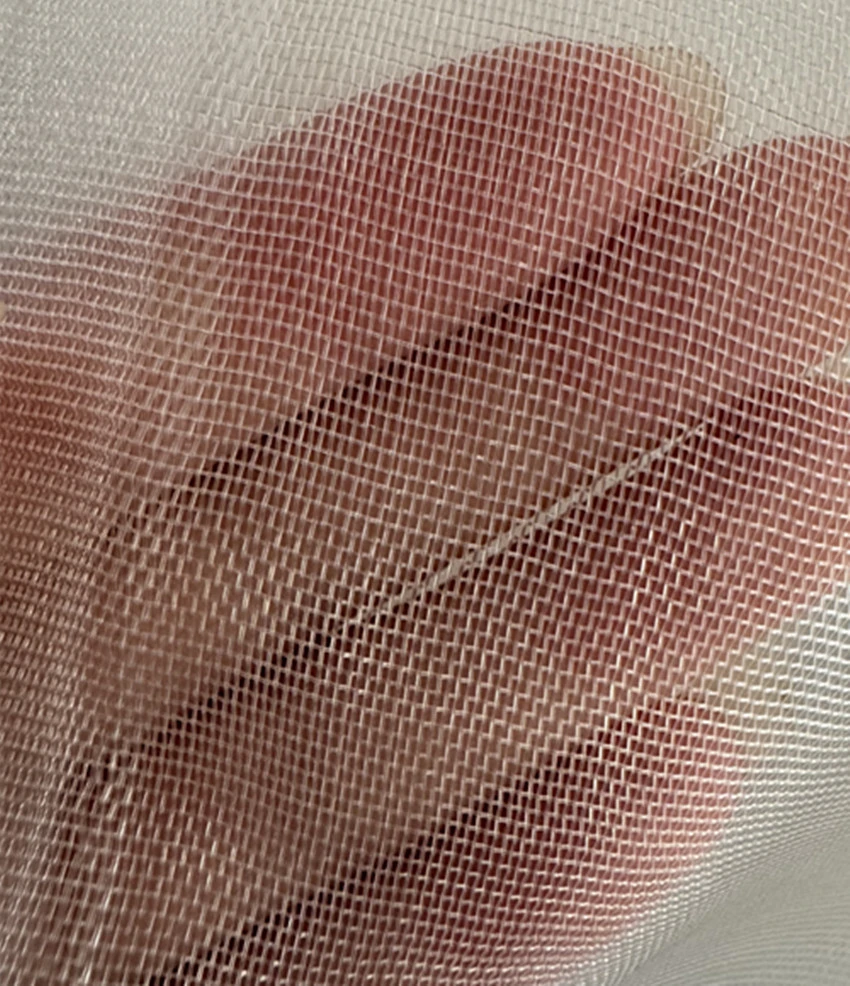
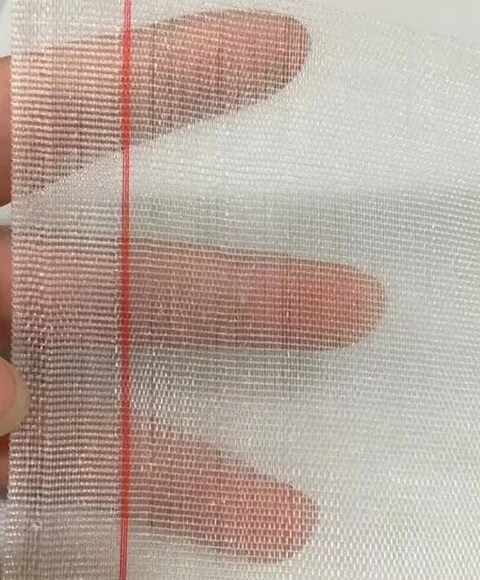
- Mesh Size: The size of individual openings affects snagging risk and debris passage. Smaller mesh sizes offer better protection but may be costlier.
- Installation Flexibility: Different jobs require custom shapes or modular designs to fit complex scaffolding or architectural features efficiently.
- Regulatory Compliance: Adherence to OSHA, EN, or ISO safety standards is fundamental — this also affects insurance and liability.
- Cost Efficiency: While high quality nets involve upfront investment, their longevity and safety pay off over time by reducing accidents and downtime.
Understanding these factors helps buyers balance safety needs with budget and operational demands.
Mini Takeaway:
Choosing the right safety net isn’t just about price — it hinges on matching durability, load capacity, and compliance to your specific environment.
Specifications of a Typical Industrial Safety Net
| Feature | Specification |
|---|---|
| Material | UV Stabilized Nylon Multi-filament |
| Mesh Size | 45 mm x 45 mm |
| Tensile Strength | > 500 kg (break strength) |
| Size Options | Customizable (up to 20m x 20m) |
| Color | High visibility yellow / orange / dark green |
| Certifications | ISO 18065, EN 1263-1, OSHA Compliant |
Global Applications & Use Cases
Safety nets find utility across continents and industries:
- Construction Sites: In urban centers from Dubai to New York, nets prevent fatal falls for workers high above ground.
- Sports & Recreation: Stadiums and climbing gyms use safety netting to protect players and spectators, tailoring mesh density accordingly.
- Disaster Relief: NGOs deploy nets in post-earthquake zones to catch falling debris and ensure safer worker access during rebuilding phases.
- Logistics & Warehousing: Nets help secure cargo in transit or elevated racking systems in fulfillment centers worldwide.
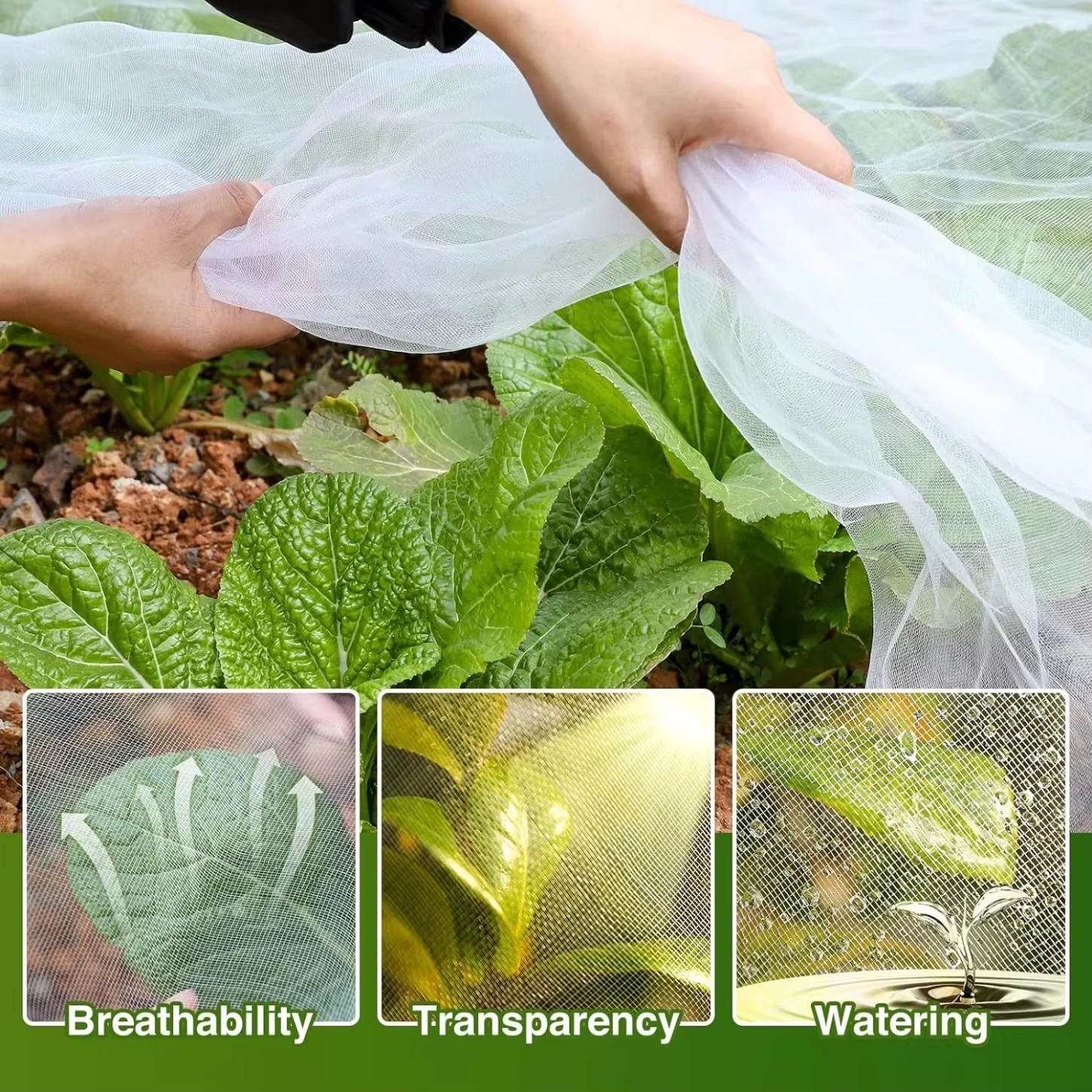
- Agriculture & Wildlife Management: Specialty nets protect crops from birds and contain animals humanely.
For instance, in the aftermath of the 2015 Nepal earthquake, safety nets were critical in enabling safe deconstruction of damaged buildings, avoiding further injuries during fragile operations.
Mini Takeaway:
The versatility of safety nets for sale means they truly transcend mere equipment and become vital safety infrastructure on multiple fronts.
Vendor Comparison: Top Suppliers of Safety Nets for Sale
| Vendor | Material Options | Customization | Certifications | Lead Time |
|---|---|---|---|---|
| YJ Wiremesh | Nylon, Polyester, Steel Wire | Fully Customizable | ISO 18065, OSHA | 2-4 weeks |
| SafeNet Co. | Polypropylene, PVC | Limited to standard sizes | EN 1263-1 | 3-5 weeks |
| Guardian Mesh | High-tensile Steel Wire | Custom orders on request | OSHA, ISO Certified | 4-6 weeks |
Advantages & Long-Term Value
From a practical perspective, investing in quality safety nets offers several benefits:
- Cost Savings: Reduced workplace injuries mean fewer medical costs, legal claims, and downtime.
- Environmental Sustainability: Durable materials minimize waste and need for frequent replacement.
- Trust & Reputation: Companies that prioritize worker safety enhance their brand and regulatory standing.
- Emotional Peace of Mind: There’s something immeasurable about knowing lives are protected — worker morale often reflects this.
Frankly, the confidence that accompanies solid safety net deployment often translates into smoother operations and innovation-friendly cultures.
Future Trends & Innovations
The safety net landscape is evolving. Innovations underway include:
- Smart Nets: Embedded sensors that detect stress or damages to nets in real-time, enabling proactive maintenance.
- Sustainable Materials: Biodegradable or recycled fibers aiming to reduce plastic waste in industrial applications.
- Modular & Lightweight Designs: Advancements in material science enable easier transport and installation in remote or hazardous areas.
- Enhanced Certification Processes: More rigorous global standards, including ISO updates and regional compliance harmonization.
These trends point to increasingly safer, smarter, and greener safety net solutions in the near future.
Challenges & Expert Recommendations
Despite progress, some challenges remain:
- Access & Availability: Remote or underdeveloped regions often face delays or lack of certified nets.
- Standard Misinterpretation: Users sometimes confuse product ratings or misuse nets leading to failures.
- Maintenance Neglect: Without regular inspections, nets degrade faster than expected.
Experts recommend comprehensive training for installers, rigorous supplier vetting, and regular maintenance schedules to overcome these issues. Building partnerships with trusted vendors like YJ Wiremesh ensures access to certified quality products and expert guidance.
FAQ: Frequently Asked Questions About Safety Nets for Sale
- Q: How do I know which safety net mesh size is right for my project?
- A: It depends on the specific hazards — smaller mesh sizes offer better fall and debris protection but can increase cost. Consult safety standards like OSHA and consider the type of objects or personnel involved.
- Q: Can safety nets be reused after a fall or impact?
- A: Generally, safety nets that have arrested a fall should be inspected by a certified professional. Most regulations advise replacement after major impacts due to possible hidden damage.
- Q: What is the typical lifespan of industrial safety nets?
- A: With proper use and maintenance, safety nets last from 3 to 7 years. Environmental factors like UV exposure or chemicals can shorten that, so regular inspections are key.
- Q: Are there environmentally friendly safety nets available?
- A: Yes, more manufacturers are offering nets made from recycled or biodegradable materials. These are gaining traction particularly in agriculture and disaster relief settings.
Conclusion
To sum up, safety nets for sale are indispensable assets across industries worldwide. By blending durability, regulatory compliance, and innovation, modern safety nets provide a powerful shield that preserves human life while enhancing operational efficiency.
If you’re looking for trusted suppliers offering customized safety nets tailored to your unique needs, don’t hesitate to explore available options. Investing in quality safety nets is truly an investment in safety, longevity, and peace of mind.
Oddly enough, sometimes these nets—quiet and unseen—are the unsung heroes keeping entire industries safe.
Quick Takeaway: Don’t cut corners on safety nets — their life-saving role far outweighs upfront costs, and ongoing innovations make them smarter and greener every day.
References
-
High Quality Anti Bird Agro Net for Professional Crop ProtectionNewsApr.16,2026
-
Guide to Bird Netting Cost Per Square Foot and Material OptionsNewsApr.09,2026
-
Comprehensive Guide to Bird Netting Cost Factors and Material ChoicesNewsApr.07,2026
-
Comprehensive Guide to Bird Net for Balcony Cost and Installation OptionsNewsApr.04,2026
-
Comprehensive Guide to Bird Netting Price and Effective Protection SolutionsNewsMar.31,2026
-
Comprehensive Guide to Nylon Bird Net Price Factors and OptionsNewsMar.28,2026