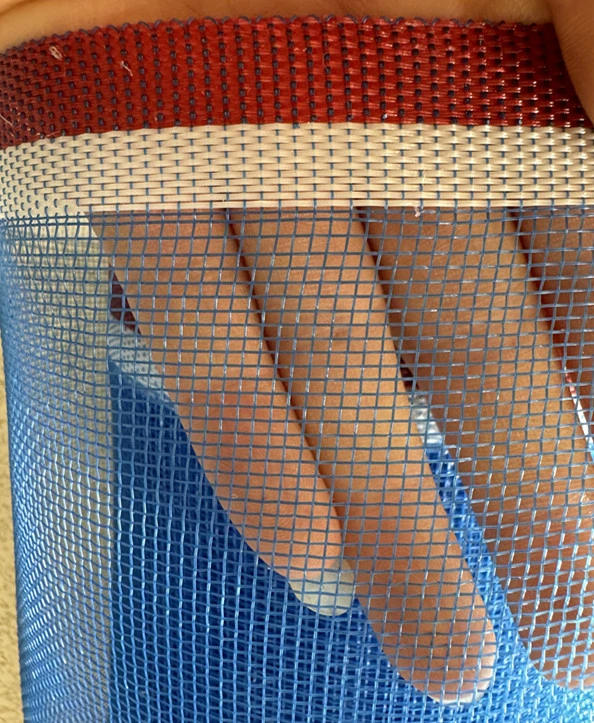
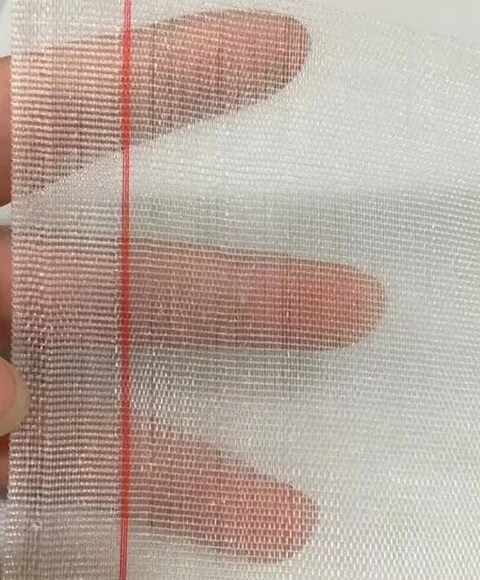
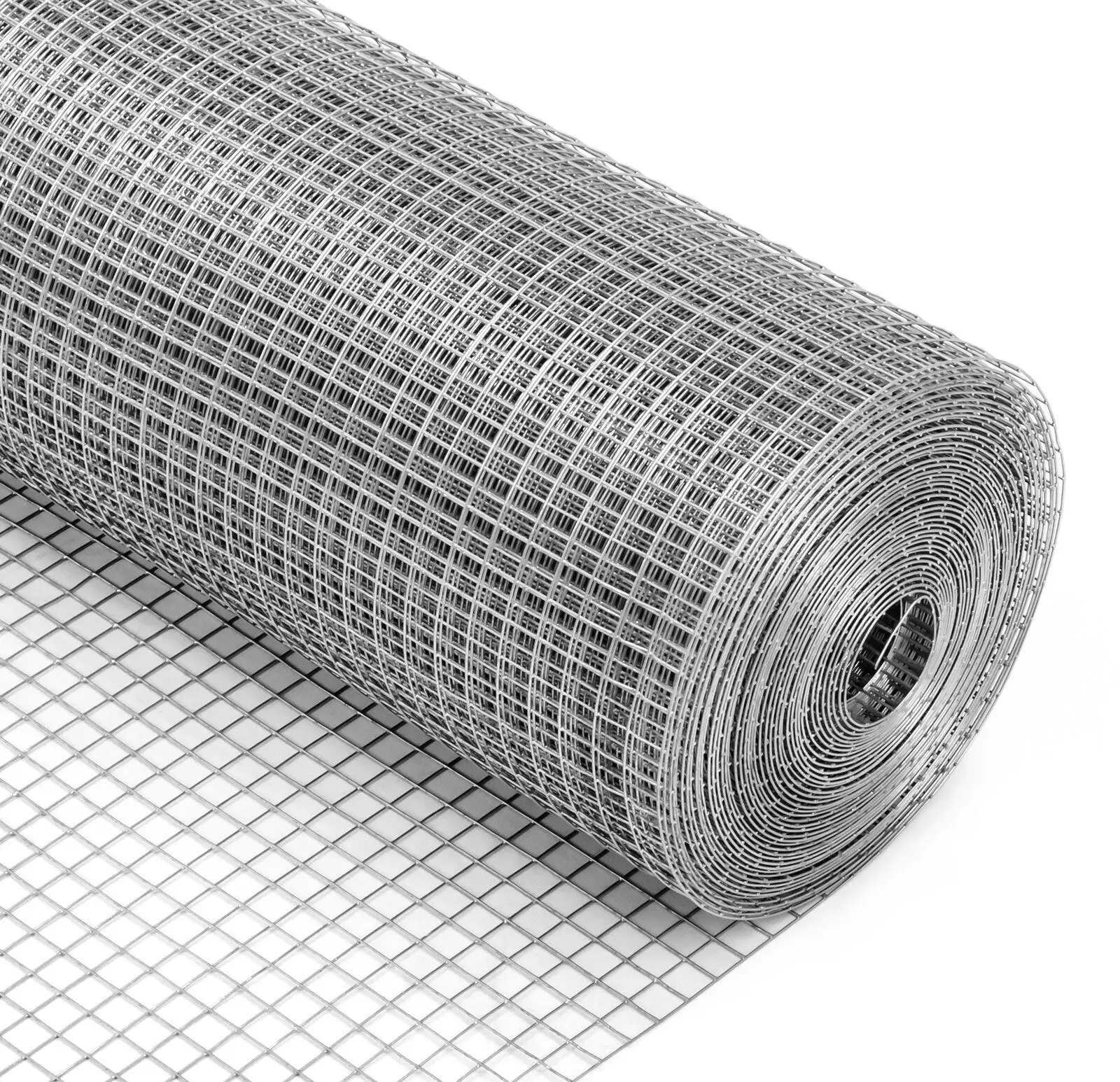
Stainless Steel Woven Mesh Durable
In the realm of industrial materials, few products blend durability, versatility, and precision as seamlessly as woven mesh solutions. Among these, stainless steel woven mesh, stainless woven wire mesh, and steel woven mesh stand out as foundational elements across countless industries. These materials, crafted through intricate weaving processes, offer unique properties that make them indispensable in applications ranging from filtration to architectural design.Stainless steel woven mesh is celebrated for its resistance to corrosion, high temperature tolerance, and strength, making it ideal for harsh environments. stainless woven wire mesh, a term often used interchangeably with the former, emphasizes the use of stainless steel wires in its construction, highlighting both material and manufacturing method. Meanwhile, steel woven mesh serves as a broader category, encompassing mesh made from various steel alloys, each tailored to specific needs such as increased tensile strength or cost-effectiveness.Together, these products form a cornerstone of modern engineering and design, proving their value in settings as diverse as chemical processing plants, residential homes, and industrial manufacturing facilities. This article explores their characteristics, applications, manufacturing processes, and more, providing a comprehensive guide to understanding and utilizing these essential materials.
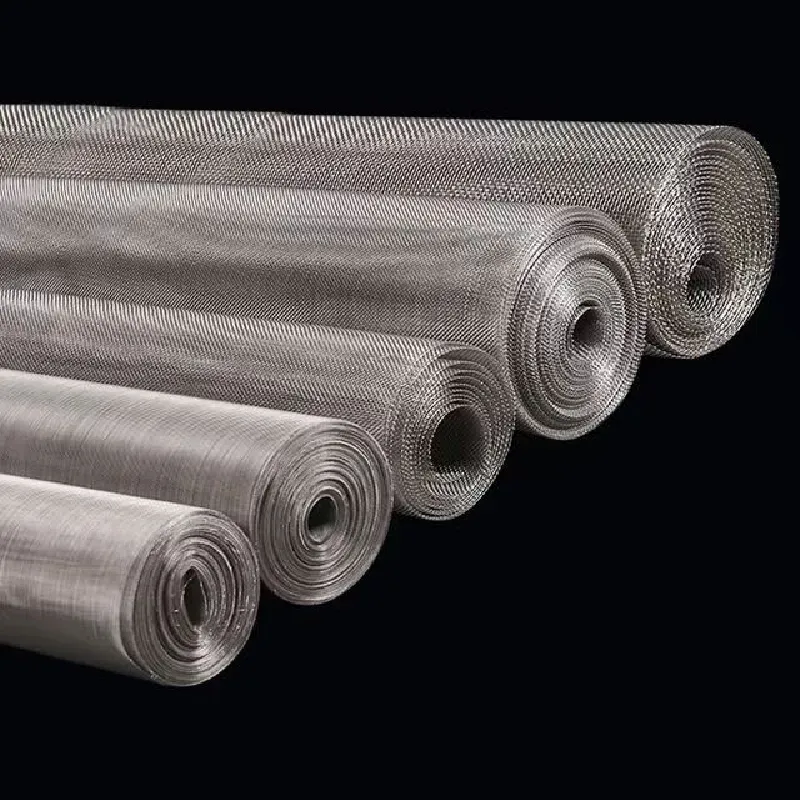
The Manufacturing Process Behind High-Quality stainless steel woven mesh
The production of stainless steel woven mesh is a meticulous process that combines traditional weaving techniques with modern technology to ensure consistency and performance. Here’s a step-by-step breakdown of how this versatile material comes to life:
- Wire Selection: The process begins with choosing high-grade stainless steel wires, typically made from alloys like 304 or 316, known for their corrosion resistance. The wire diameter varies based on the desired mesh size and application, ranging from ultra-fineto heavy-gauge (several millimeters).
- Wire Preparation: Before weaving, the wires undergo cleaning to remove any contaminants that could affect the mesh’s integrity. They are also straightened to ensure uniform tension during weaving, preventing irregularities in the final product.
- Weaving: The prepared wires are fed into a loom, where they are woven into a grid pattern. The two primary weaving styles are:
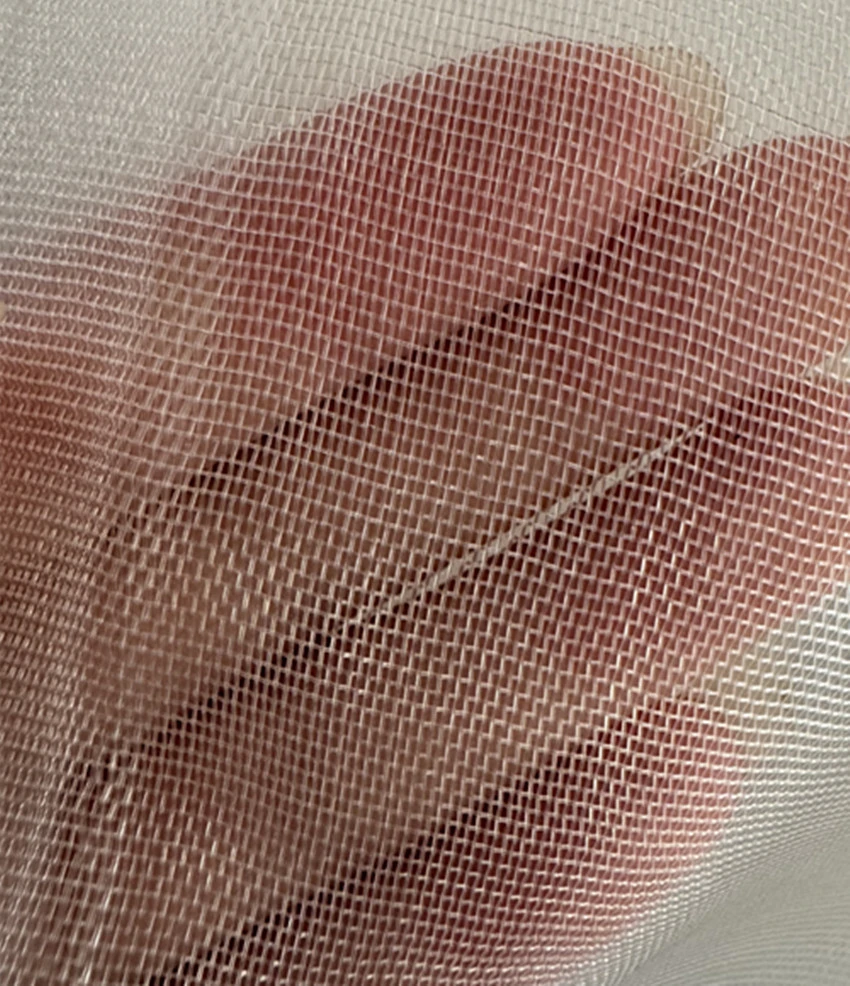
- Plain weave: The most common style, where each wire alternates over and under the adjacent wire, creating a simple, strong grid.
- Twill weave: Wires pass over two or more wires before under one, resulting in a more flexible mesh with a tighter structure, ideal for higher pressure applications.
- Finishing: After weaving, the mesh is subjected to finishing processes such as annealing (heating and cooling to reduce brittleness) or surface treatments like passivation, which enhances corrosion resistance by forming a protective oxide layer.
- Quality Inspection: Each batch of stainless steel woven meshundergoes rigorous testing to check for uniformity in mesh size, wire diameter, and overall strength. This ensures that the final product meets industry standards and customer specifications.
Key Applications of stainless woven wire mesh in Modern Industries
Stainless woven wire mesh is prized for its adaptability, finding use in a wide array of industries. Its unique combination of strength, permeability, and resistance to environmental factors makes it a go-to material for the following applications:
- Filtration: In the chemical, pharmaceutical, and food and beverage industries, stainless woven wire meshserves as a critical component in filtration systems. Its precise pore size (measured in microns) allows for the separation of solids from liquids or gases, ensuring product purity. For example, in beer brewing, it filters out yeast and sediment, while in oil refineries, it separates impurities from crude oil.
- Architectural Design: Architects and designers favor stainless woven wire meshfor its aesthetic appeal and durability. It is used in facades, sunshades, and interior partitions, providing a modern, industrial look while allowing light and air circulation. Its resistance to weathering makes it suitable for both indoor and outdoor use.
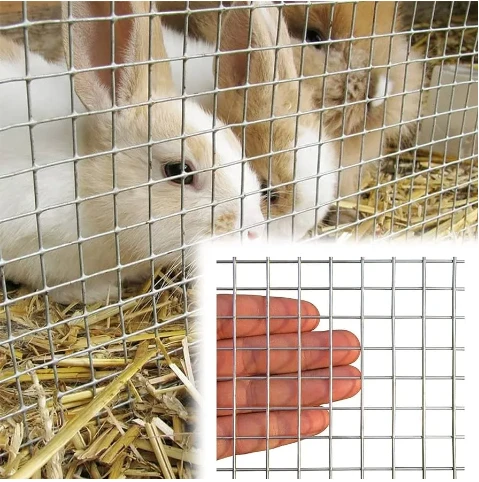
- Security and Safety: The material’s strength and rigidity make it an excellent choice for security applications. It is used in window screens, safety barriers in industrial settings, and even as cage mesh in animal enclosures, where it prevents escapes while allowing visibility.
- Automotive and Aerospace: In these high-performance industries, stainless woven wire meshis used in fuel filters, exhaust systems, and heat shields. Its ability to withstand extreme temperatures and vibrations ensures reliability in critical components.
- Agriculture: Farmers use stainless woven wire meshfor crop protection (as bird netting), animal fencing, and grain separation. Its resistance to rust from moisture and chemicals ensures long-term performance in outdoor agricultural environments.
Comparing steel woven mesh with Other Industrial Mesh Materials
While steel woven mesh is a popular choice, it is important to understand how it stacks up against other industrial mesh materials. The table below highlights key differences in terms of material, properties, and ideal applications:
|
Material |
Key Properties |
Ideal Applications |
Limitations |
|
steel woven mesh |
High tensile strength, cost-effective, moderate corrosion resistance |
Construction, heavy machinery guards, general fencing |
Prone to rust in highly corrosive environments
|
|
Aluminum mesh |
Lightweight, good corrosion resistance, lower strength |
Decorative screens, lightweight filtration |
Less durable in high-stress applications |
|
Copper mesh |
Excellent conductivity, antimicrobial properties |
Electrical shielding, pest control (repels rodents) |
High cost, prone to tarnishing |
|
Plastic mesh |
Low cost, chemical resistance, flexible |
Packaging, light filtration, temporary fencing |
Poor heat resistance, less strength |
From the table, steel woven mesh emerges as a balanced option for applications requiring strength and affordability, particularly in non-corrosive or moderately corrosive settings. Its versatility makes it a preferred choice over materials like aluminum (weaker) or copper (more expensive) in many industrial scenarios.
Maintenance and Longevity Tips for stainless steel woven mesh
To maximize the lifespan and performance of stainless steel woven mesh, proper maintenance is essential. Follow these guidelines to ensure durability:
- Regular Cleaning:
- For general dirt and debris, rinse the mesh with warm water and mild soap, using a soft brush to dislodge particles.
- Avoid abrasive cleaners, which can scratch the surface and compromise the protective oxide layer.
- In industrial settings where the mesh is exposed to chemicals or heavy contaminants, use a solution of water and white vinegar (for mild stains) or a specialized stainless steel cleaner for tougher buildup.
- Preventing Corrosion:
- Although stainless steel woven meshis corrosion-resistant, it is not entirely immune, especially in coastal or high-humidity environments. After exposure to saltwater or chemicals, rinse thoroughly with fresh water to remove residues.
- Inspect the mesh periodically for signs of rust (rare but possible if the oxide layer is damaged). Small rust spots can be treated with a stainless steel cleaner and a soft cloth; larger areas may require professional repair.
- Handling and Installation:
- Avoid dragging or dropping the mesh during installation, as this can bend wires or distort the grid. Use proper tools to cut the mesh to size, ensuring clean edges to prevent fraying.
- When installing in outdoor settings, ensure the mesh is securely fastened to prevent movement, which can cause wear and tear from wind or vibration.
- Storage:
- Store unused stainless steel woven meshin a dry, covered area to protect it from moisture and contaminants. If stacking multiple sheets, place a protective layer (such as cardboard) between them to prevent scratches.
- By following these steps, stainless steel woven meshcan maintain its functionality and appearance for decades, even in demanding environments.
FAQS about stainless steel woven mesh, stainless woven wire mesh, and steel woven mesh
What is the difference between stainless steel woven mesh and stainless woven wire mesh?
While the terms are often used interchangeably, stainless steel woven mesh emphasizes the material (stainless steel) and the final product, while stainless woven wire mesh highlights both the material (stainless steel) and the manufacturing process (woven wires). In practice, they refer to the same type of mesh, with no significant differences in performance or application.
How do I determine the right mesh size for my application with steel woven mesh?
The ideal mesh size for steel woven mesh depends on your needs. Mesh size is defined by the number of openings per linear inch. For filtration, smaller mesh sizes (higher number of openings) are used to trap finer particles. For security or fencing, larger mesh sizes (fewer openings) with thicker wires provide better strength. Consult a manufacturer to match mesh size to your specific application requirements.
Is stainless steel woven mesh suitable for outdoor use in rainy or coastal areas?
Yes, stainless steel woven mesh is highly suitable for outdoor use in rainy or coastal areas, thanks to its corrosion resistance. Alloys like 316 stainless steel, in particular, contain molybdenum, which enhances resistance to saltwater and humidity. Regular cleaning (as outlined in the maintenance section) further extends its longevity in such environments.
Can stainless woven wire mesh be customized to specific dimensions or shapes?
Absolutely. stainless woven wire mesh is highly customizable. Manufacturers can produce mesh in specific widths, lengths, and shapes (such as circles or rectangles) to fit unique applications. Additionally, custom mesh sizes (opening sizes) and wire gauges are available to meet precise performance requirements, from ultra-fine filtration to heavy-duty industrial use.
How does the cost of steel woven mesh compare to other woven mesh materials?
Steel woven mesh is generally more affordable than materials like copper or high-grade stainless steel (e.g., 316), making it a cost-effective choice for applications where extreme corrosion resistance is not required. It is pricier than aluminum or plastic mesh but offers superior strength and durability, providing better long-term value in high-stress or heavy-use scenarios.
Don’t settle for subpar materials that compromise on quality. Experience the difference that precision-engineered woven mesh can make in your projects. Contact us today and visit our website, explore our product range, and discover how we can meet your industrial material needs with excellence and reliability.
-
High Quality Anti Bird Agro Net for Professional Crop ProtectionNewsApr.16,2026
-
Guide to Bird Netting Cost Per Square Foot and Material OptionsNewsApr.09,2026
-
Comprehensive Guide to Bird Netting Cost Factors and Material ChoicesNewsApr.07,2026
-
Comprehensive Guide to Bird Net for Balcony Cost and Installation OptionsNewsApr.04,2026
-
Comprehensive Guide to Bird Netting Price and Effective Protection SolutionsNewsMar.31,2026
-
Comprehensive Guide to Nylon Bird Net Price Factors and OptionsNewsMar.28,2026