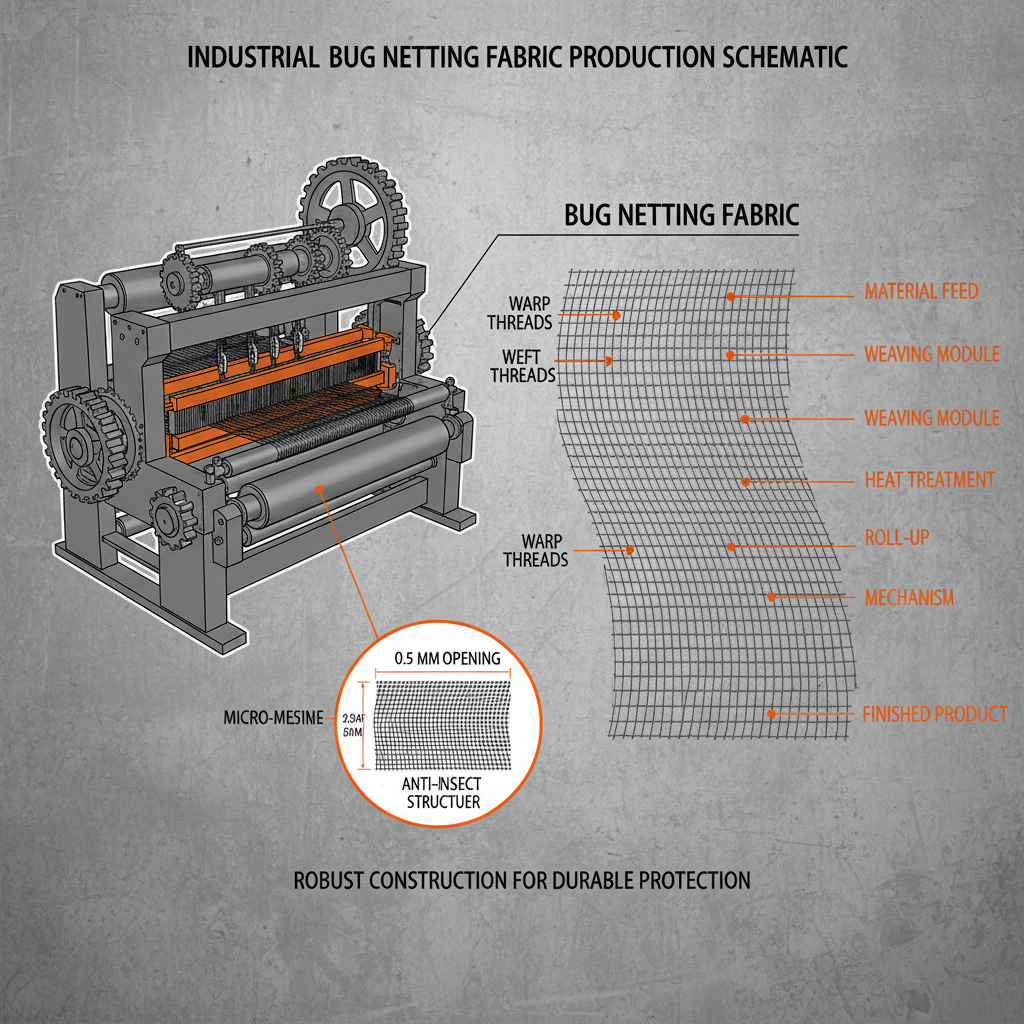
Woven wire screen manufacturers specialize in the engineering and production of high-precision mesh fabrics designed for filtration, protection, and separation. These products are essential components in various industrial and agricultural sectors, providing critical barriers that allow for airflow or liquid passage while blocking debris, pests, or specific particle sizes.
Selecting the right manufacturer is vital because the performance of a woven screen—whether it is used for high-temperature industrial filtration or vegetable insect protection—depends on material purity, weave consistency, and chemical treatments like UV stabilization. Substandard mesh can lead to premature degradation, resulting in operational downtime or crop failure.
This guide examines the technical specifications, material selection processes, and procurement criteria necessary to identify a reliable partner. By understanding the intersection of material science and manufacturing precision, procurement teams can optimize the service life and efficiency of their screening solutions.

1Fundamental Engineering of Woven Screens

Woven screens are created by interlacing two or more sets of wires or yarns at right angles. The precision of this weave determines the open area and the filtration rating. Professional woven wire screen manufacturers utilize advanced drawing and weaving machinery to ensure that the mesh size remains consistent across the entire width of the fabric, preventing "leakage" of particles or pests.
In the context of HDPE netting, such as insect-proof screens, the process involves drawing polyethylene into fine filaments before weaving. This ensures that the resulting fabric possesses high tensile strength and the ability to withstand environmental stresses without sagging or tearing.
The structural integrity of the weave is what allows these screens to act as artificial isolation barriers. For instance, in agricultural settings, a correctly engineered mesh provides a physical shield that reduces the reliance on chemical pesticides by effectively blocking common pests like flies and mosquitoes.
2Material Selection and Chemical Properties
The choice of material is the primary determinant of a screen's lifespan. Stainless steel is preferred for high-corrosion and high-temperature industrial environments, while galvanized steel offers a balance of cost and rust resistance for construction and river management. For agricultural and environmental applications, high-density polyethylene (HDPE) is the standard due to its lightweight nature and chemical inertness.
HDPE-based insect nets are specifically formulated with chemical additives that enhance heat resistance and water resistance. This allows the nets to remain functional in humid greenhouses or open-field environments where exposure to moisture and varying temperatures is constant.
Furthermore, the non-toxic and tasteless nature of high-grade polyethylene makes it safe for food-producing environments. This biocompatibility ensures that the screen does not leach harmful chemicals into the vegetables it is designed to protect, supporting the production of green, pollution-free produce.
3Industrial and Agricultural Applications
The versatility of woven screens allows them to serve diverse roles. In industrial settings, stainless steel woven mesh is indispensable for filtration and separation facilities in the petroleum, metallurgy, and pharmaceutical industries. These screens must withstand extreme pressures and chemical catalysts while maintaining precise micron-level openings.
In contrast, agricultural networks focus on environmental control. Insect-proof nets, hail nets, and bird prevention nets create a managed microclimate. By controlling the entry of pests and the impact of weather, these nets increase crop yields and reduce the risk of disease transmission among plants.
Beyond farming, nylon and galvanized meshes are used in urban infrastructure, such as mountain slope protection and building safety facilities. These applications prioritize tensile strength and corrosion resistance to ensure long-term stability in public safety environments.
4Evaluating Technical Performance Metrics
To quantify the quality of a screen, manufacturers look at several key performance indicators (KPIs). Tensile strength measures the maximum load the mesh can handle before breaking, while UV resistance indicates how long the material can withstand solar radiation before losing its mechanical properties.
Ventilation and light transmission are critical for agricultural nets. A screen that is too dense will block essential sunlight and airflow, leading to overheating of the crops and increased humidity, which can paradoxically encourage fungal growth.
woven wire screen manufacturers Performance Metrics
Comparing industry averages with specialized manufacturing outputs shows that high-density weaving and superior additive integration significantly boost the service life. A standard HDPE net might last 1-2 years, but a high-quality product from experienced manufacturers can reach a service life of 3-5 years if stored and used correctly.
5Procurement Standards for Mesh Systems
When sourcing from woven wire screen manufacturers, procurement teams should prioritize a factory's production capacity and quality control history. A facility with a large footprint (e.g., over 5,000 square meters) and modern R&D equipment is more likely to provide consistent specifications across large batches.
Customization is another key procurement factor. The ability to adjust the mesh size, wire diameter, and surface treatments (such as specialized coatings for corrosion resistance) allows the product to be tailored to the specific environmental challenges of the project site.
Finally, lead times and delivery logistics must be evaluated. Because mesh products are often bulky, the packaging and delivery method—whether rolled or folded—can impact the final installation quality by preventing permanent creases or deformations in the weave.
6Innovation in Mesh Weaving Technology
Modern advancements in weaving technology have moved beyond simple interlacing. The introduction of multi-filament yarns and hybrid weaves allows for screens that are both stronger and more flexible. In the agricultural sector, "intelligent" mesh designs are emerging that optimize light diffusion to prevent leaf burn while maintaining pest exclusion.
Surface treatment innovation is also playing a huge role. New coatings are being developed that are not only hydrophobic (repelling water) but also antimicrobial, which is particularly useful in pharmaceutical laboratory filtration and sterile industrial environments.
Furthermore, the integration of computer-controlled looms allows for the creation of variable-density meshes, where the opening size changes across the fabric to meet different filtration requirements within a single piece of material.
7Comparing Mesh Materials for Project Fit
Choosing between stainless steel, galvanized steel, and nylon/polyethylene depends entirely on the operational environment. A mistake in material selection can lead to rapid corrosion in salty coastal air or the melting of polymer nets in high-temperature industrial vents.
The following comparison illustrates how different materials from professional woven wire screen manufacturers meet specific needs across different industry verticals.
| Material Type | Primary Strength | Typical Application | Main Limitation |
|---|---|---|---|
| Stainless Steel | Extreme Corrosion Resistance | Petroleum & Pharma | High Material Cost |
| Galvanized Steel | Structural Rigidity | River/Slope Protection | Limited Chemical Resistance |
| HDPE / Nylon | UV & Water Resistance | Insect/Hail Prevention | Low Heat Tolerance |
| Polyethylene | Non-toxic & Lightweight | Vegetable Protection | Lower Tensile than Steel |
| Hybrid Weave | Balanced Performance | Industrial Separation | Complex Manufacturing |
| Coated Mesh | Enhanced Durability | Urban Infrastructure | Coating Wear Over Time |
Ultimately, the decision should be based on a cost-benefit analysis that considers the total cost of ownership, including the frequency of replacement and the cost of potential failures if a lower-grade material is used.
Frequently Asked Questions
Conclusion
Selecting a professional partner among woven wire screen manufacturers is a critical decision that impacts the operational efficiency and longevity of your filtration or protection systems. Whether you require high-precision stainless steel for industrial use or UV-stabilized HDPE for agricultural protection, the focus must remain on material purity, weave consistency, and environmental compatibility.
By evaluating technical performance metrics and choosing materials based on the specific constraints of the application, you can ensure a high return on investment and a reduction in maintenance costs. For those evaluating suitable solutions, detailed product information and technical specifications can be reviewed at www.yjnylonmesh.com.