Ultimate Guide to Using 25mm Bird Netting for Effective Protection
The Ultimate Guide to 25mm Bird Netting for Effective Protection
Protecting crops, balconies, and industrial spaces from avian intruders requires a balance between strength and invisibility. 25mm bird netting has emerged as one of the most versatile solutions for this challenge. With a precise mesh size that blocks most common bird species while allowing sunlight and air to pass through, it is an essential tool for farmers and homeowners alike. In this comprehensive guide, we will explore the technical advantages, installation tips, and why choosing the right mesh size is critical for long-term pest management. Understanding the nuances of material quality and mesh dimensions ensures that your investment provides maximum protection without harming the wildlife.

Why Choose 25mm Bird Netting for Your Project?
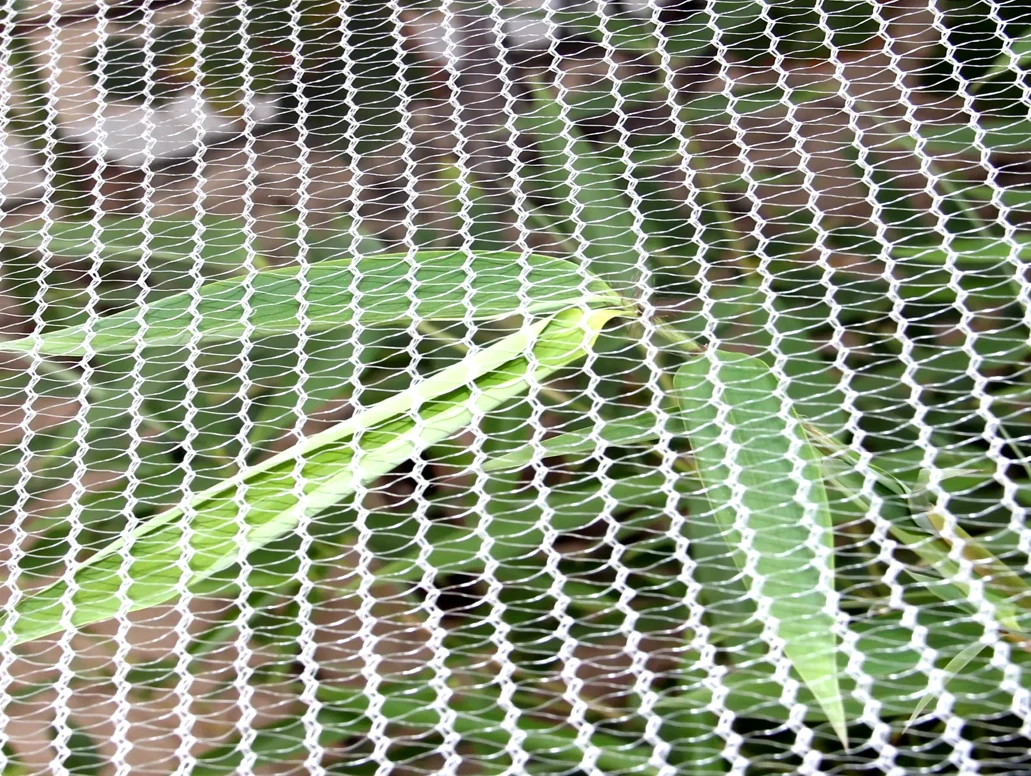
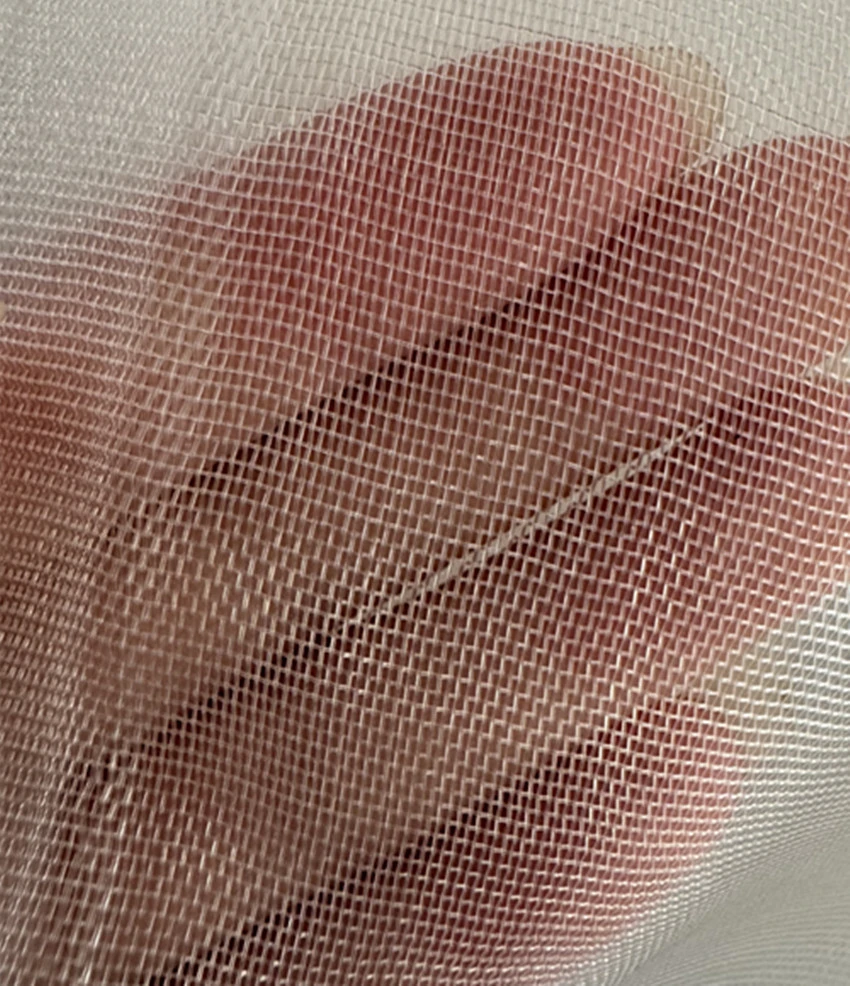
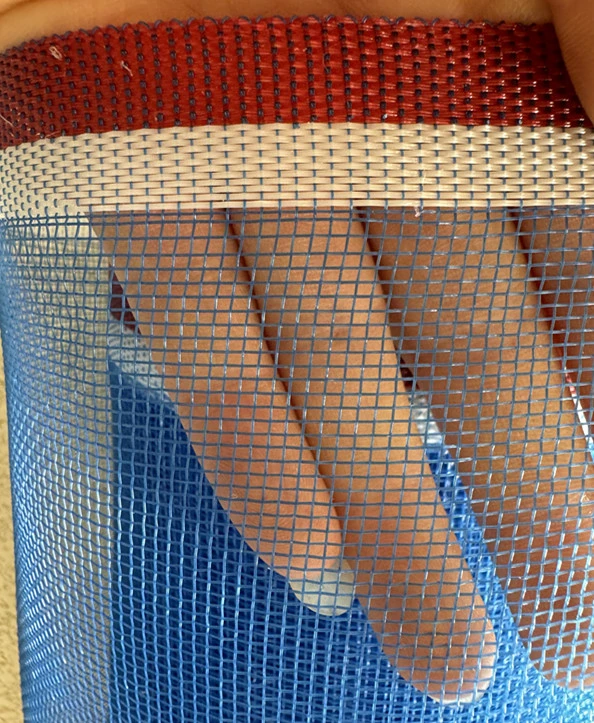
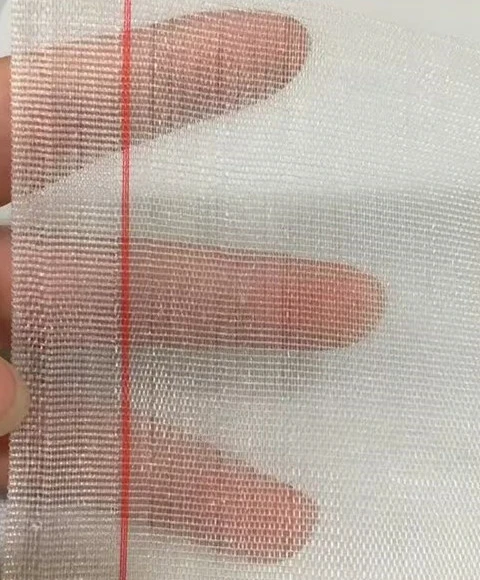
The effectiveness of any bird barrier depends heavily on the mesh aperture. A 25mm bird netting is specifically designed to be a "universal" size. It is small enough to prevent pigeons, starlings, and crows from penetrating the barrier, yet open enough to maintain high visibility and ventilation. Unlike smaller meshes that can trap insects or larger meshes that smaller birds might squeeze through, the 25mm standard offers the ideal compromise. Made from high-density polyethylene (HDPE), these nets are engineered to withstand harsh environmental conditions, including heavy rain and intense UV exposure, ensuring that the netting does not become brittle over time.
Key Highlights: High-density polyethylene construction provides superior UV resistance, while the 25mm aperture ensures a balance between bird exclusion and airflow, making it suitable for both agricultural and urban environments.
Comparing 25mm Bird Netting with Other Mesh Sizes
Not all netting is created equal. When deciding between different sizes, users often struggle to identify which one fits their specific bird problem. While 19mm netting is excellent for very small songbirds, it can be more expensive and heavier to install over large areas. Conversely, 50mm netting may allow smaller species to pass through. The 25mm bird netting serves as the industry standard for general-purpose protection. By comparing the weight, cost, and effectiveness, it becomes clear that the 25mm option provides the best ROI for large-scale applications.
Key Applications of 25mm Bird Netting in Agriculture
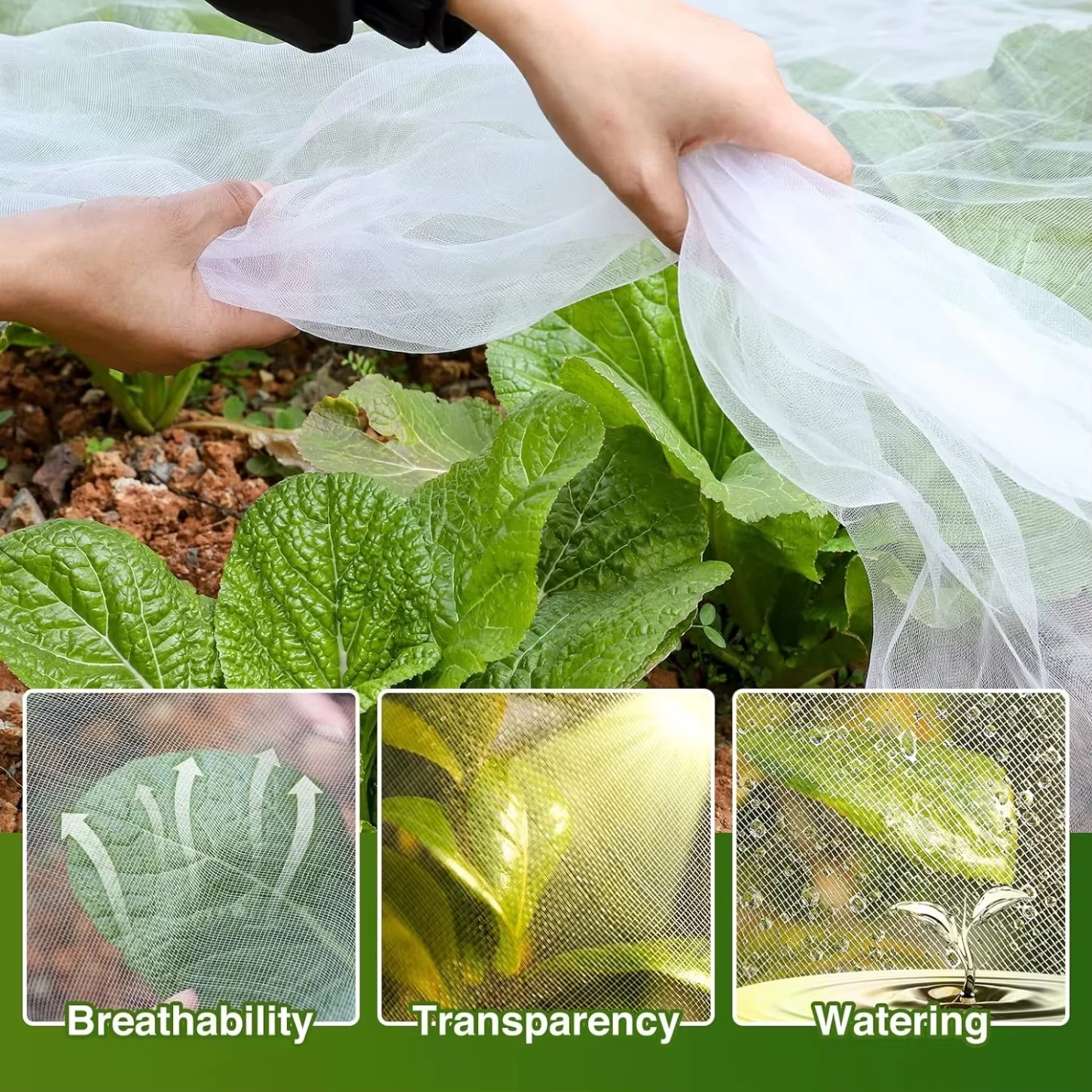
In the agricultural sector, the stakes are high. A single flock of birds can destroy a season's worth of fruit or vegetable crops in days. Utilizing 25mm bird netting provides a physical barrier that is far more humane and sustainable than chemical deterrents. It is widely used in vineyards, berry patches, and orchards. Because the mesh is lightweight, it can be draped over large areas without crushing the plants. Furthermore, the neutral colors typically available (such as black or green) help the netting blend into the environment, reducing the visual impact on the landscape while remaining a formidable obstacle for birds.

Installing 25mm Bird Netting: Best Practices
Proper installation is the difference between a permanent solution and a tangled mess. To get the most out of your 25mm bird netting, it is essential to keep the mesh taut. Sagging netting not only looks unprofessional but can actually trap birds, leading to ethical concerns and maintenance headaches. We recommend using support poles or a perimeter wire system to anchor the edges. For balcony installations, using heavy-duty cable ties or hooks ensures the net remains secure against wind gusts. Always ensure there are no gaps at the bottom or sides, as birds are opportunistic and will find even the smallest opening to enter.
Technical Specifications of High-Quality Bird Netting
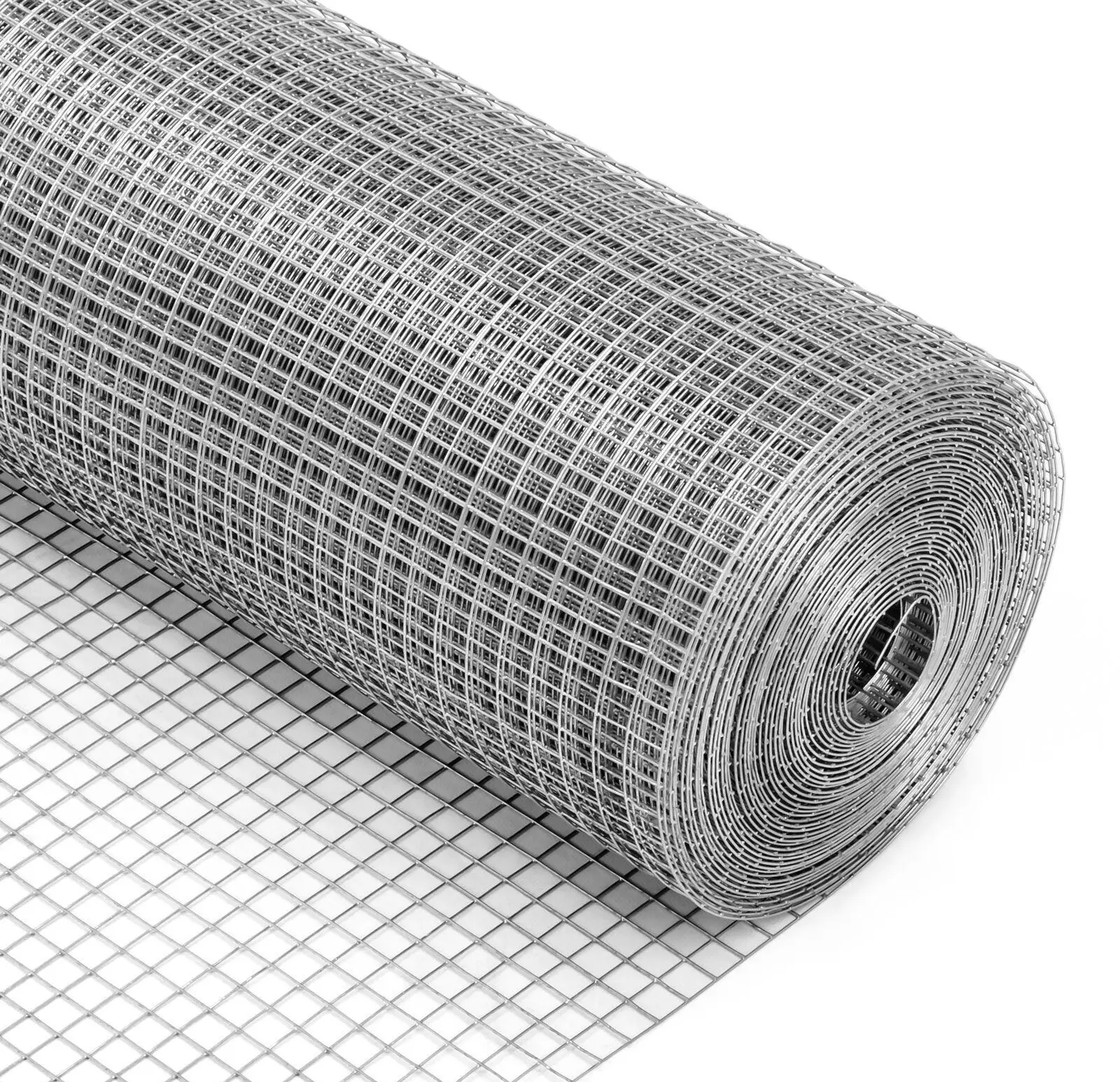
When sourcing your materials, it is important to look beyond the price tag and examine the technical specifications. Professional-grade 25mm bird netting should be characterized by its tensile strength and UV stabilization. High-quality HDPE is treated with stabilizers that prevent the plastic from breaking down under the sun's rays, extending the product's life from a single season to several years. Below is a detailed specification table for our standard industrial grade netting:
Maintaining Your Bird Netting for Longevity
To ensure your 25mm bird netting lasts for years, regular maintenance is required. Debris such as fallen leaves and twigs can accumulate in the mesh, creating weight that causes the netting to sag. We recommend a gentle cleaning once a season using a soft brush or a low-pressure water hose. Additionally, check the anchor points for any signs of wear or loosening. If a small tear occurs, it should be patched immediately with a matching HDPE patch or tied off with heavy-duty twine to prevent the hole from expanding and allowing birds to enter.
Conclusion: Secure Your Space with 25mm Bird Netting
Whether you are protecting a commercial vineyard or a private balcony, 25mm bird netting offers a professional, durable, and humane solution. By selecting a mesh size that balances visibility with exclusion and following proper installation practices, you can effectively eliminate the nuisance of birds without disrupting the local ecosystem. Invest in high-quality, UV-stabilized netting today to ensure long-term peace of mind and a protected environment.
Frequently Asked Questions (FAQs)
Will 25mm bird netting harm the birds?
When installed correctly and kept taut, 25mm bird netting is a humane deterrent. Birds can clearly see the barrier and will simply avoid the area. The danger arises only when the netting sags, which can lead to birds becoming entangled. By using support wires and regularly checking the tension of the mesh, you ensure that the netting remains a visual and physical barrier rather than a trap. We always recommend a tight installation to prioritize wildlife safety.
Can I use 25mm netting for small sparrows?
While 25mm is excellent for pigeons and larger birds, very small songbirds or sparrows may occasionally find a way through if they are particularly small or determined. If your primary concern is tiny birds, a 19mm mesh is more appropriate. However, for most residential and agricultural needs, the 25mm size is the most popular because it provides a better balance of airflow and visibility while still blocking the majority of pest birds.
How do I know if the netting is UV-stabilized?
UV-stabilized netting is treated during the manufacturing process with chemicals that protect the HDPE polymer from breaking down under ultraviolet radiation. You can identify this by checking the technical data sheet provided by the supplier. Non-stabilized plastic will usually turn brittle and crack within one season of exposure to direct sunlight. For professional results, always source your materials from a reputable supplier like YJ Wire Mesh to ensure the product meets industrial UV standards.
Is 25mm bird netting visible from a distance?
One of the primary advantages of the 25mm mesh size is its high transparency. Because the gaps are relatively large compared to the thickness of the twine, the netting "disappears" when viewed from a distance, especially in black or green. This makes it ideal for balconies or architectural features where you want protection without sacrificing your view. To maximize invisibility, ensure the net is pulled tight, as ripples and sags are more likely to catch the light and become visible.
-
High Quality Bird Mesh for Crop Protection and Property ShieldNewsJul.01,2026
-
Ultimate Guide to Durable Heavy Duty Bird Netting for CropsNewsJun.29,2026
-
Best Durable Bird Net for Balcony to Protect Your Home SpaceNewsJun.27,2026
-
Best Durable Bird Netting for Garden Protection and HarvestNewsJun.26,2026
-
Professional Bird Netting Guide for Protecting Your HarvestNewsJun.25,2026
-
Protect Your Garden Harvest with Durable 25x50 bird nettingNewsJun.23,2026