Comprehensive Guide to Bird Net Factories and Effective Bird Control Solutions
Understanding Bird Net Factories: A Comprehensive Guide
Protecting crops, poultry, and property from unwanted avian interference requires robust and reliable bird netting solutions. A dedicated bird net factory specializes in the design, manufacture, and distribution of these essential products. This article delves into the world of bird net manufacturing, exploring the materials used, applications, key considerations when choosing a supplier, and the benefits of partnering with a reputable factory like YJ Wire Mesh. Choosing the right netting is vital for effective bird control and long-term protection.
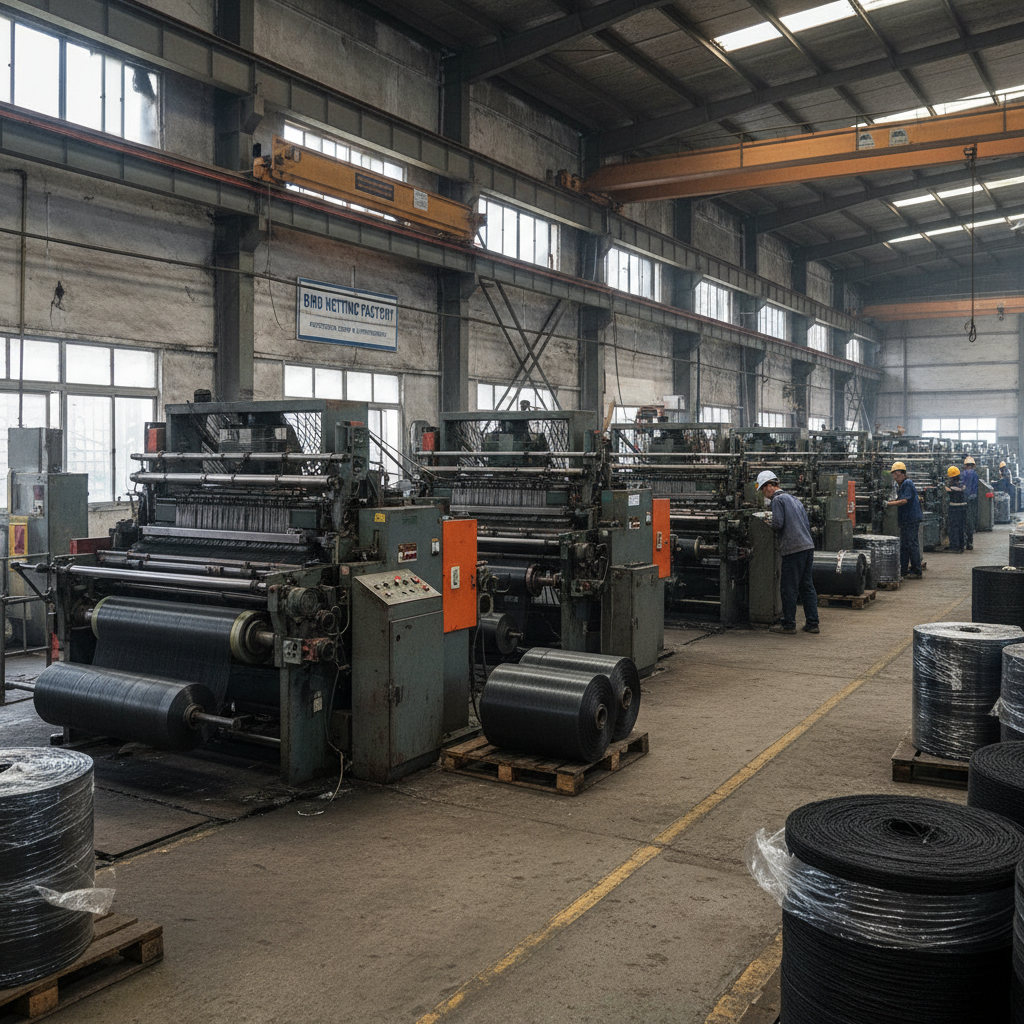
Materials Used in Bird Net Production
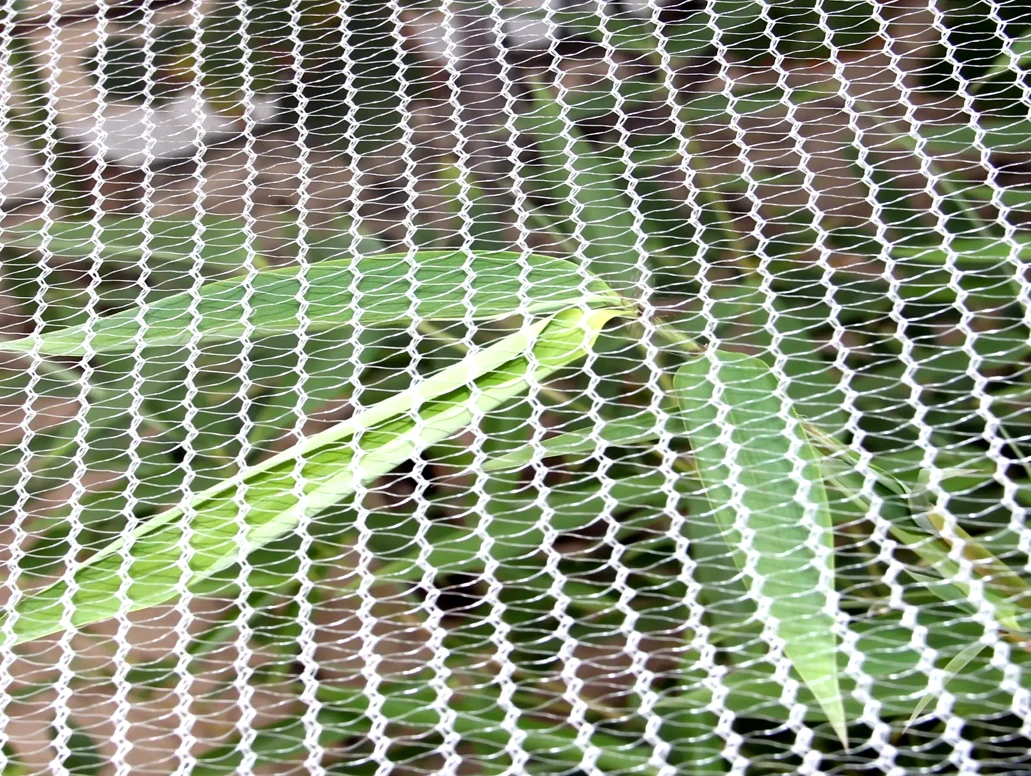
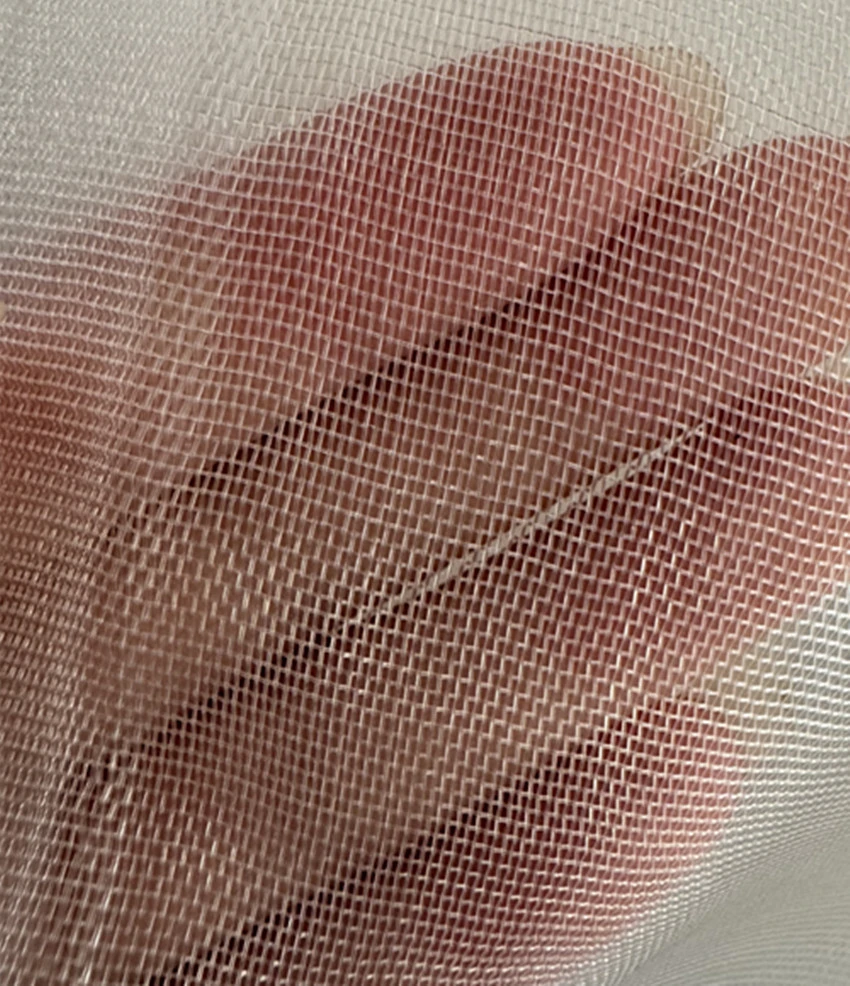
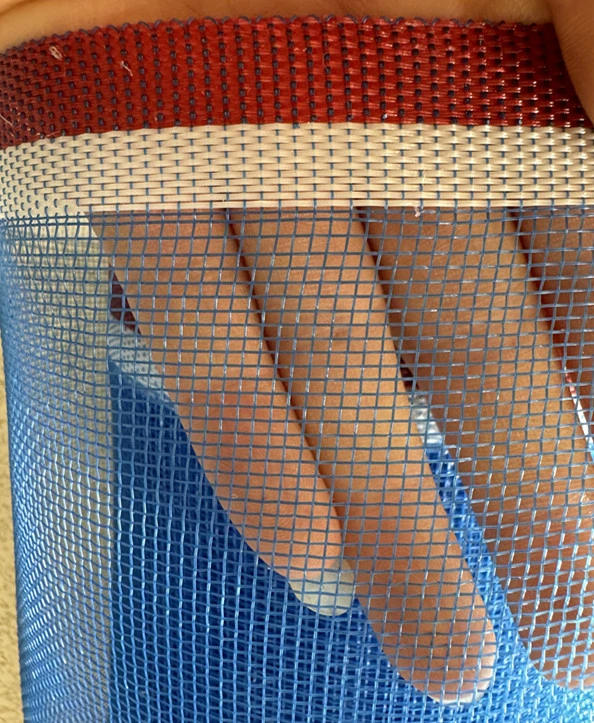
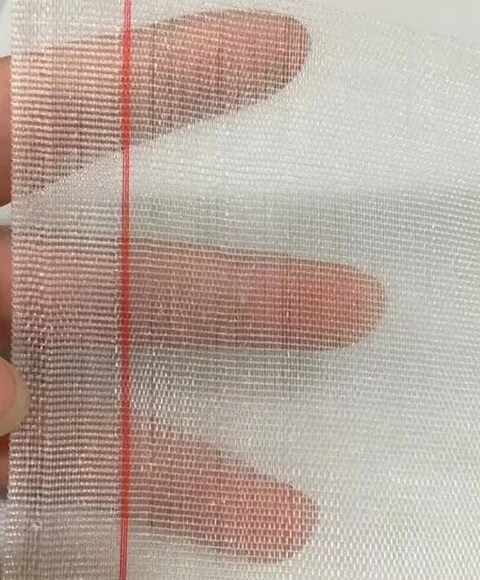
Bird nets are primarily constructed from various types of plastic polymers. The most common materials include polyethylene (PE), polypropylene (PP), and nylon. PE nets are lightweight, cost-effective, and widely used for general purpose bird control. PP nets offer increased strength and UV resistance, making them suitable for long-term outdoor applications. Nylon nets provide the highest strength and durability but are typically more expensive. The mesh size and twine thickness are crucial factors influencing the net's effectiveness in deterring different bird species. A reliable bird net factory will offer a range of material options to meet specific needs.
Key Materials: Polyethylene (PE), Polypropylene (PP), Nylon - each offering different levels of strength, UV resistance, and cost.
Applications of Bird Netting
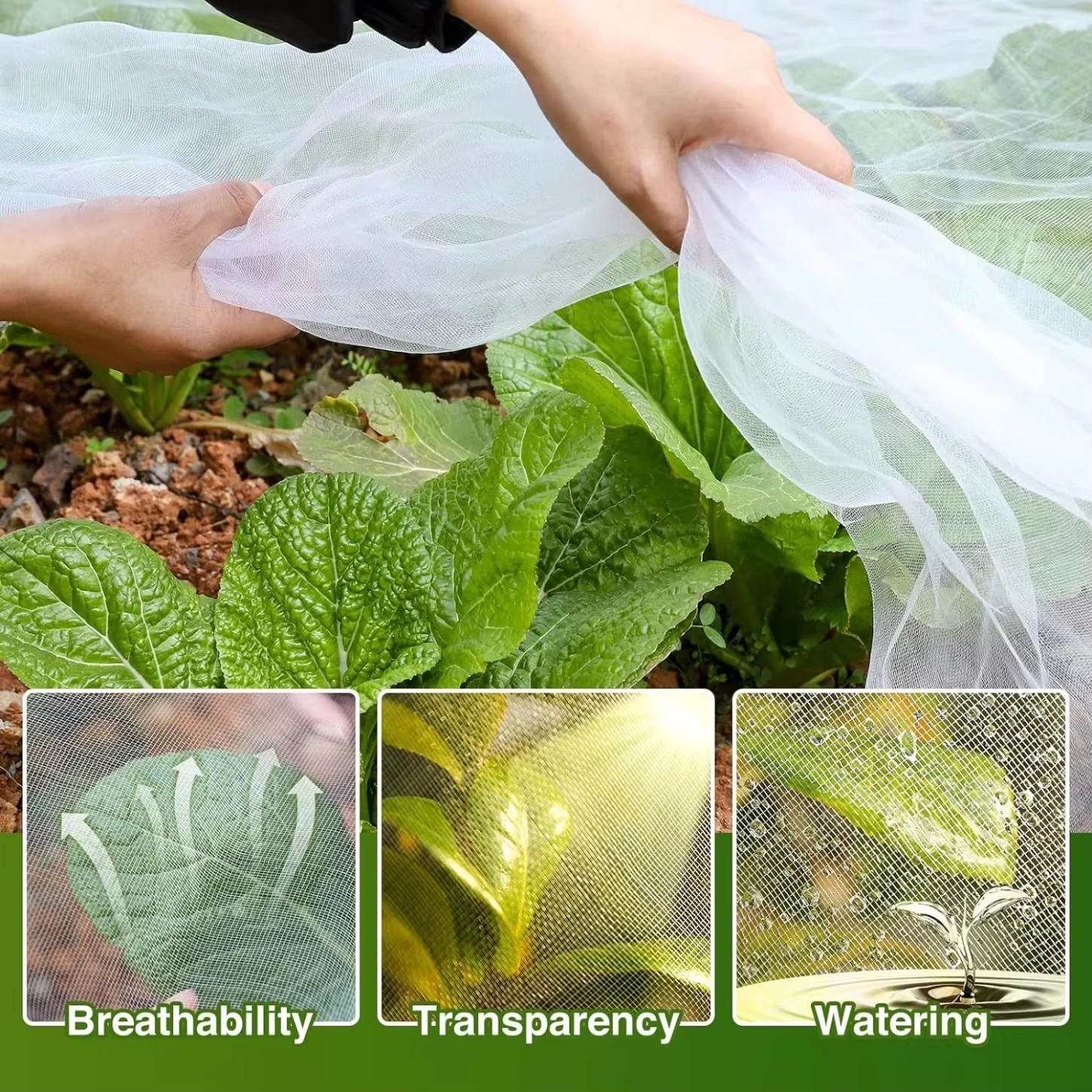
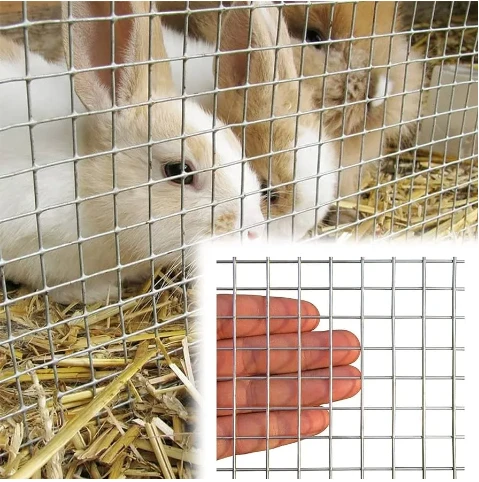
The applications of bird netting are incredibly diverse. Agricultural settings utilize nets to protect fruit orchards, vineyards, and vegetable crops from bird damage, minimizing yield loss. Poultry farmers rely on netting to secure enclosures, preventing escapes and protecting birds from predators. Commercial and industrial properties use netting to deter birds from nesting in undesirable locations, such as under bridges, on rooftops, and around HVAC systems. Residential homeowners employ netting to protect gardens, balconies, and patios. A quality bird net factory understands these varied needs and provides tailored solutions.
Key Application Areas:
• Agriculture (orchards, vineyards, crops)
• Poultry Farming
• Commercial/Industrial Properties
• Residential Use
Choosing the Right Bird Net Factory: Key Considerations
Selecting a reputable bird net factory is critical. Consider the following factors: manufacturing capacity, quality control procedures, material certifications, customization options, lead times, and pricing. A factory with a strong track record of consistent quality and reliable delivery is essential. Furthermore, look for a factory that offers various mesh sizes, twine thicknesses, and net configurations to meet your specific requirements. Customer service and technical support are also important aspects to evaluate. YJ Wire Mesh excels in these areas, providing tailored solutions and exceptional support.
Benefits of Partnering with a Specialized Bird Net Factory
Working directly with a bird net factory, like YJ Wire Mesh, provides several advantages. You benefit from competitive pricing, direct access to technical expertise, and greater control over product specifications. Eliminating intermediaries streamlines the supply chain, reducing costs and lead times. A dedicated factory can also offer customized solutions tailored to your unique challenges, ensuring optimal bird control effectiveness. Moreover, they often provide larger volume discounts and ongoing support.
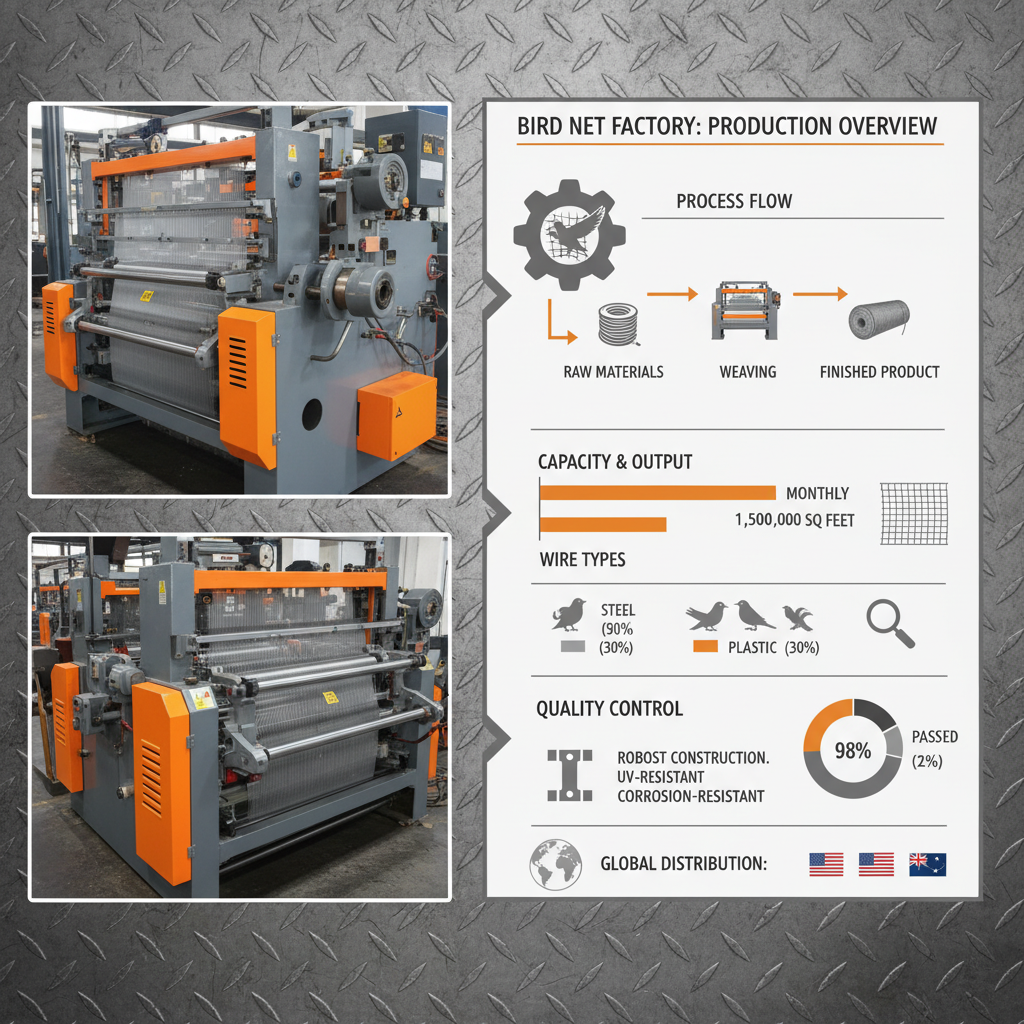
Bird Net Specifications & Options
A comprehensive bird net factory will offer a range of specifications to meet diverse needs. These include mesh size (ranging from 1/4 inch to 2 inches), twine thickness (measured in denier), net size (width and length), and material type (PE, PP, Nylon). Common options include knotted nets, raschel nets, and extruded nets, each with unique characteristics. Understanding these specifications is vital for selecting the right net for your specific application and target bird species.
Conclusion: Securing Your Assets with Quality Bird Netting
Partnering with a skilled bird net factory like YJ Wire Mesh is an investment in protection and peace of mind. From safeguarding agricultural yields to securing industrial facilities, reliable bird netting is essential. With a commitment to quality materials, customized solutions, and exceptional service, you can effectively mitigate bird-related problems and protect your valuable assets.
Frequently Asked Questions (FAQs)
What is the typical lifespan of bird netting?
The lifespan of bird netting varies depending on the material, UV exposure, and environmental conditions. Polyethylene (PE) netting typically lasts 2-3 years, while polypropylene (PP) netting can last 3-5 years. Nylon netting offers the longest lifespan, potentially exceeding 5 years. Regular inspections are crucial to identify and replace damaged netting promptly. Factors like frequent handling, harsh weather, and exposure to chemicals can shorten the lifespan. Choosing UV-stabilized netting significantly extends its durability.
Can bird netting be recycled?
Recycling bird netting can be challenging as it often consists of mixed plastics. However, some recycling facilities may accept certain types of netting, particularly polyethylene (PE) and polypropylene (PP). It's essential to check with your local recycling guidelines to determine if bird netting is accepted. Efforts are being made to develop more sustainable bird netting materials and improve recycling infrastructure for plastic waste.
What mesh size is best for deterring pigeons?
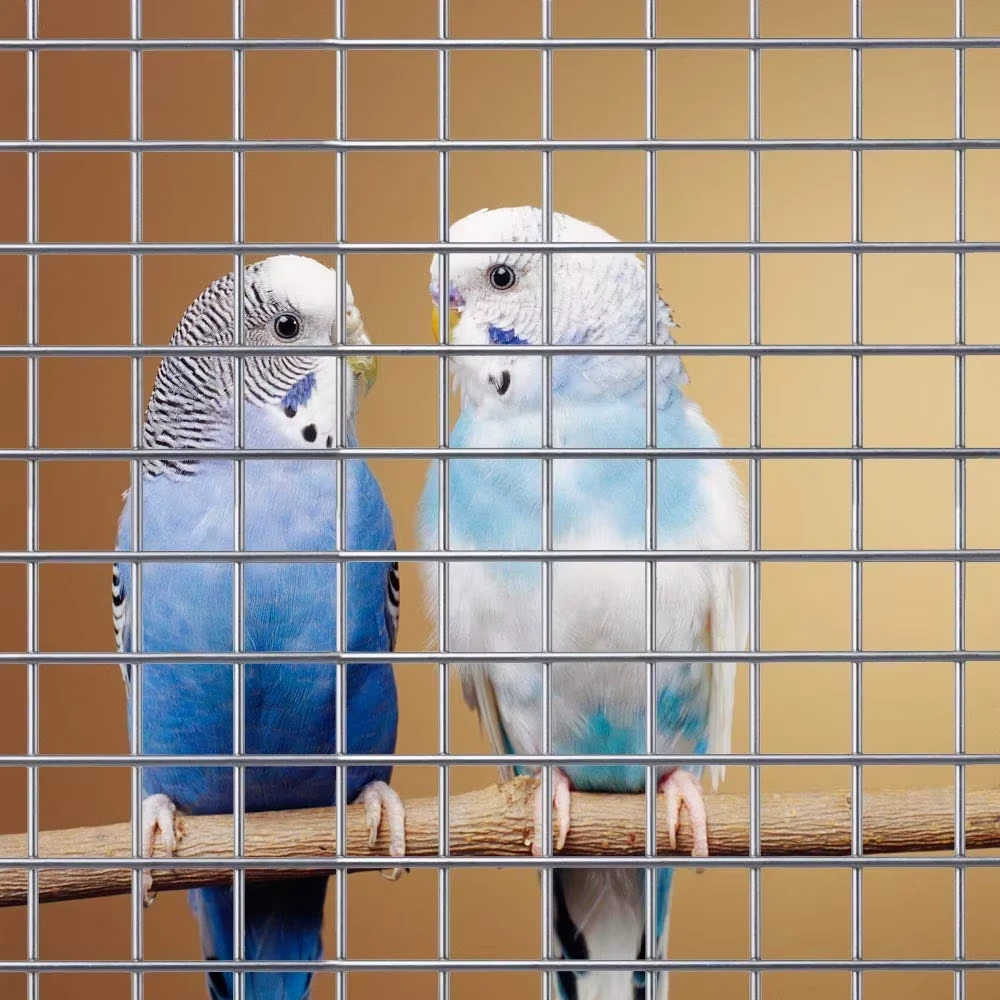
For effectively deterring pigeons, a mesh size of 1 inch or smaller is generally recommended. Pigeons are relatively large birds, and a smaller mesh size prevents them from squeezing through the netting. A 3/4 inch mesh offers even greater protection. The twine thickness should also be sufficient to withstand the weight and potential pecking of pigeons. Consult with a bird net factory expert to determine the optimal mesh size and twine thickness for your specific situation.
How do I properly install bird netting?
Proper installation is crucial for the effectiveness of bird netting. Ensure the netting is securely attached to a stable support structure using appropriate fasteners. Avoid creating gaps or loose areas where birds could enter. Overlapping the netting is recommended for added security. For large areas, consider using a professional installation service to ensure a secure and durable installation. A bird net factory may offer installation guidance or recommend qualified installers.
-
High Quality Anti Bird Agro Net for Professional Crop ProtectionNewsApr.16,2026
-
Guide to Bird Netting Cost Per Square Foot and Material OptionsNewsApr.09,2026
-
Comprehensive Guide to Bird Netting Cost Factors and Material ChoicesNewsApr.07,2026
-
Comprehensive Guide to Bird Net for Balcony Cost and Installation OptionsNewsApr.04,2026
-
Comprehensive Guide to Bird Netting Price and Effective Protection SolutionsNewsMar.31,2026
-
Comprehensive Guide to Nylon Bird Net Price Factors and OptionsNewsMar.28,2026