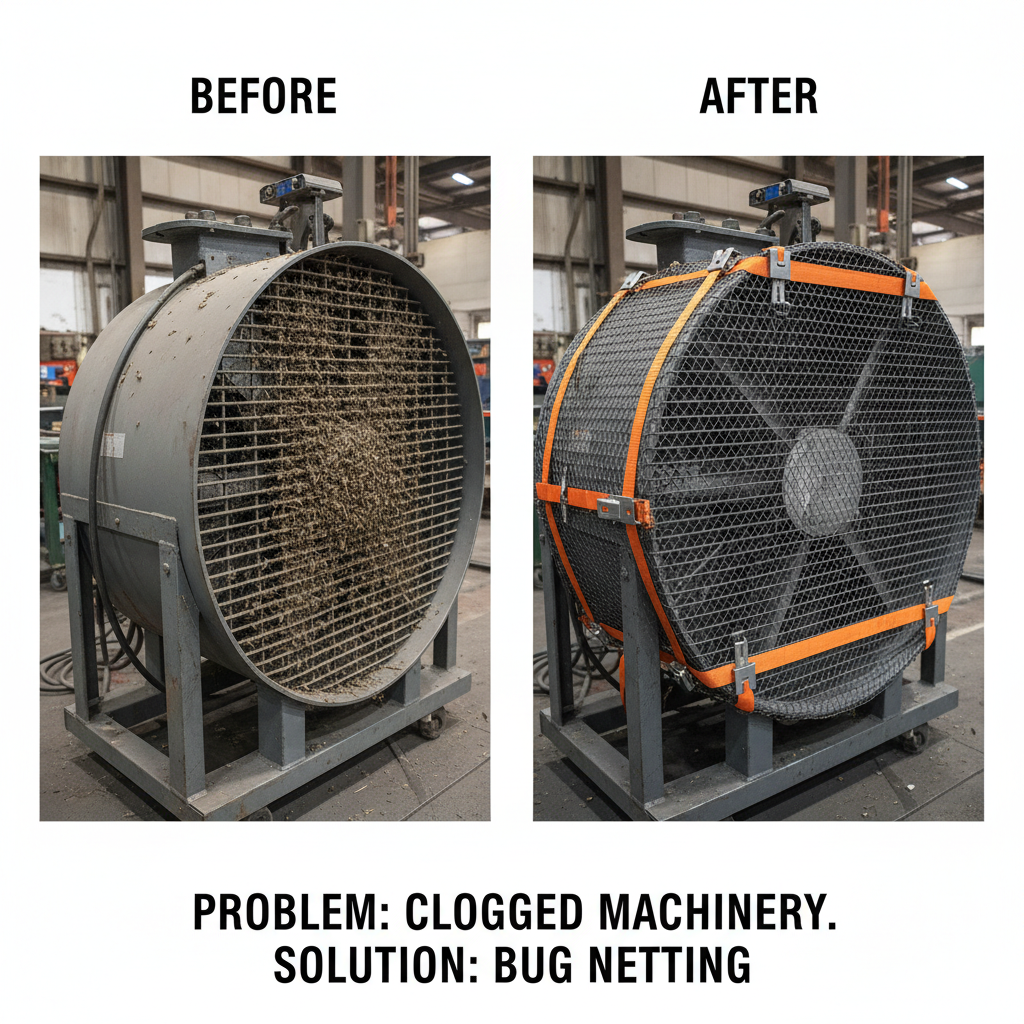
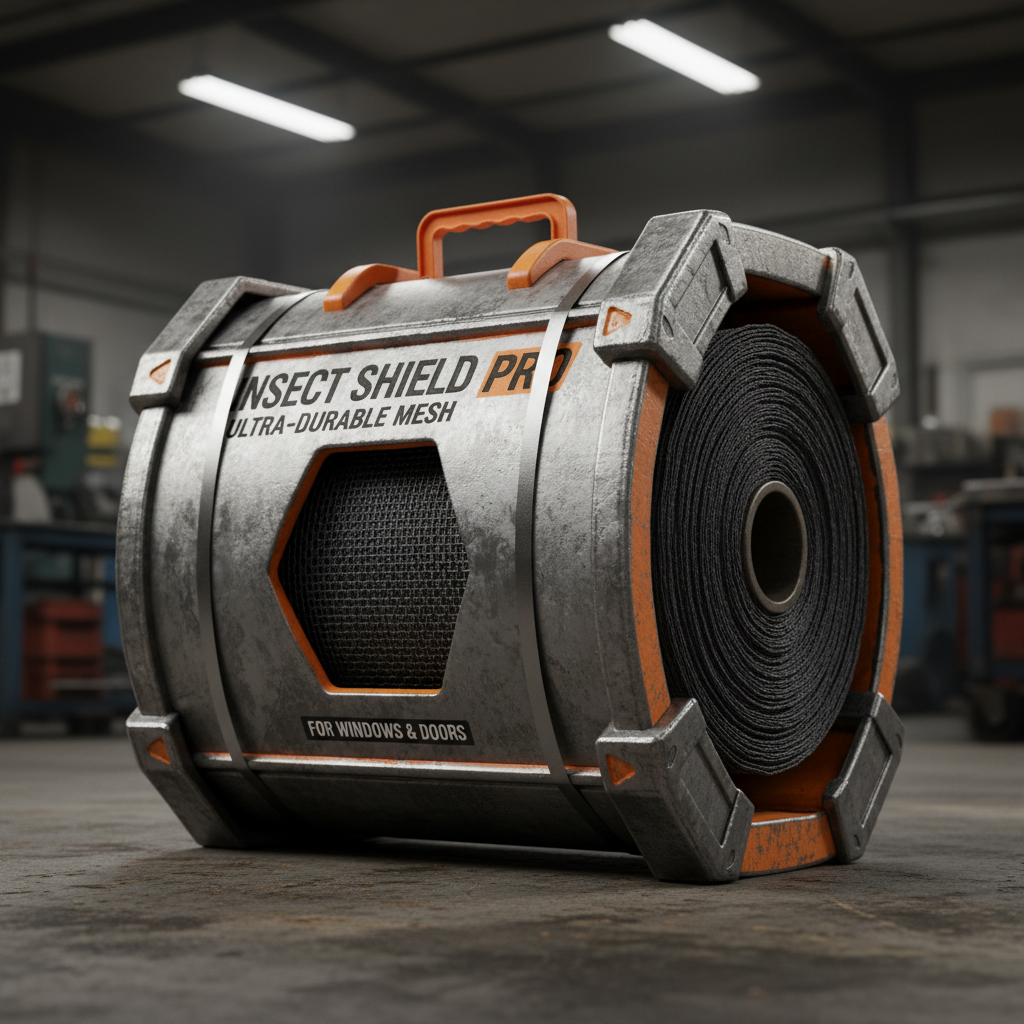
Bug netting, a seemingly simple barrier, plays a critical role in global health and safety. From preventing the spread of vector-borne diseases like malaria and dengue fever to protecting crops from insect damage, its applications are far-reaching. Understanding the nuances of bug netting – its materials, construction, deployment, and evolving technologies – is crucial for effective disease control, agricultural productivity, and humanitarian aid efforts worldwide. This understanding empowers individuals, organizations, and governments to make informed decisions about sourcing, utilizing, and innovating in the field of insect protection.
The global demand for bug netting is substantial and continually increasing, driven by factors such as climate change, urbanization, and globalization. These factors expand the geographical range of disease vectors and increase human-insect contact. According to the World Health Organization, millions of insecticide-treated nets (ITNs) are distributed annually, primarily in sub-Saharan Africa, to combat malaria. However, challenges remain in ensuring equitable access, overcoming insecticide resistance, and promoting proper usage. Addressing these challenges requires ongoing research, development, and collaboration.
Bug netting represents a vital intersection of public health, agricultural science, and material engineering. Its evolution reflects advancements in polymer chemistry, textile manufacturing, and disease prevention strategies. Effective bug netting isn't simply about catching insects; it's about creating a sustainable, affordable, and accessible barrier that protects communities and ecosystems. Modern approaches also prioritize durability, environmental impact, and user-friendliness, moving beyond traditional designs.
The Global Significance of Bug Netting
Bug netting's importance transcends geographical boundaries. It's a cornerstone of malaria prevention programs in Africa, safeguarding millions from a disease that claims hundreds of thousands of lives annually. The UN and organizations like the Global Fund actively support the distribution and implementation of ITNs, recognizing their cost-effectiveness in reducing malaria incidence. Beyond malaria, bug netting is instrumental in controlling other vector-borne illnesses like Zika virus, chikungunya, and dengue fever, particularly in tropical and subtropical regions.
However, the challenge isn't simply providing netting; it's ensuring sustained use and addressing insecticide resistance. The World Health Organization continuously monitors resistance patterns and recommends alternative insecticides or net materials. A holistic approach, including community education and integrated vector management, is vital for maximizing the impact of bug netting interventions and protecting vulnerable populations.
Defining Bug Netting and its Applications
At its most fundamental, bug netting is a finely woven barrier designed to prevent insects from accessing a designated space. Traditionally made from cotton or synthetic materials like polyester, modern bug netting often incorporates polyethylene or polypropylene for increased durability and resistance to degradation. The mesh size is critical; it must be small enough to exclude target insects but large enough to allow for adequate airflow and visibility.
The applications of bug netting are diverse. In public health, it’s primarily used in bed nets, window screens, and door coverings to protect individuals from mosquito bites during sleep or within their homes. In agriculture, bug netting safeguards crops from damaging insects, reducing the need for pesticides and promoting sustainable farming practices. Furthermore, bug netting finds use in outdoor recreation – camping, hiking, and gardening – providing a shield against biting insects and enhancing comfort.
Increasingly, specialized bug netting is being developed for specific environments and challenges. This includes netting treated with different insecticides, UV-resistant netting for prolonged outdoor use, and even electrostatic netting that attracts and traps insects. This evolution reflects a growing understanding of insect behavior and the need for tailored protective solutions.
Core Components of Effective Bug Netting
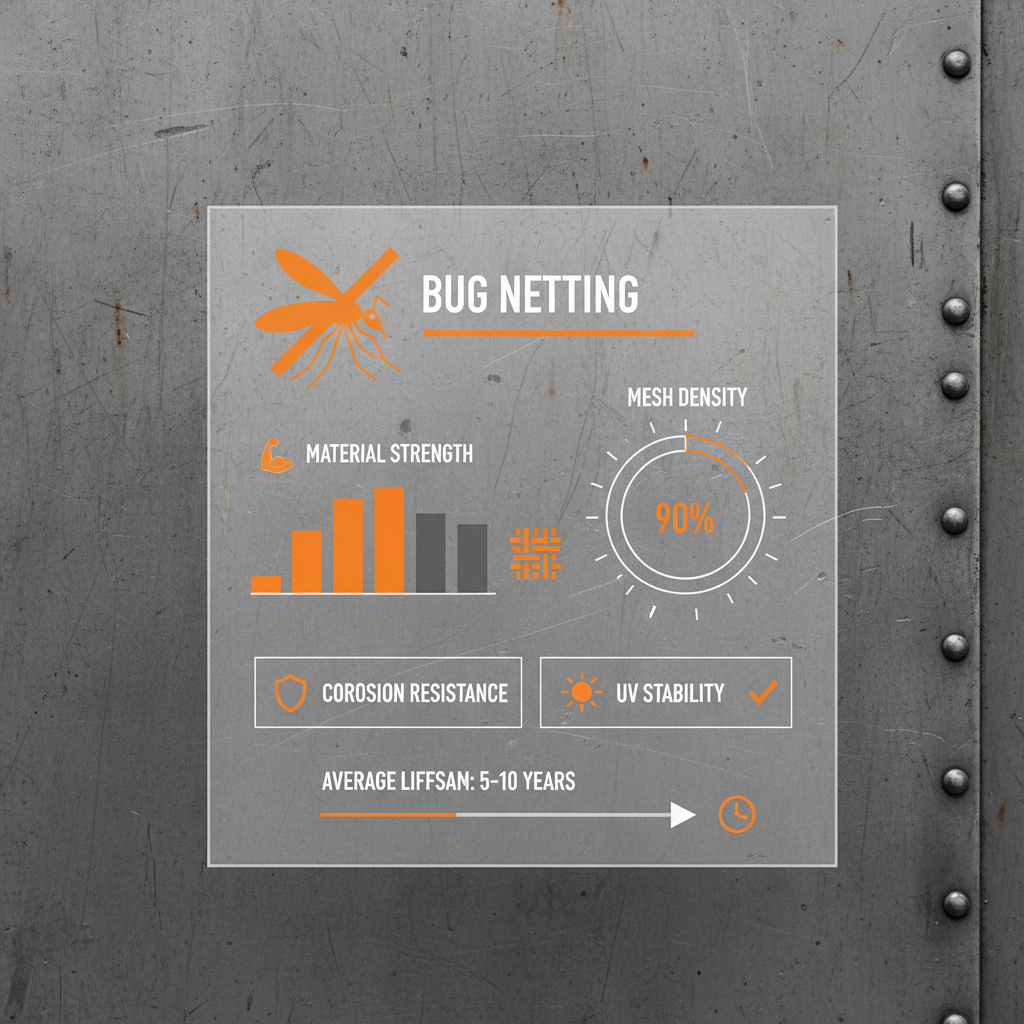
The effectiveness of bug netting hinges on several key components. Firstly, the material itself must be strong, lightweight, and durable, capable of withstanding repeated use and environmental stressors. Polyester and polypropylene are popular choices due to their resistance to tearing and UV degradation. Secondly, the mesh size is paramount, determining which insects can be effectively blocked. A smaller mesh size offers greater protection but may reduce airflow.
Thirdly, insecticide treatment (when applicable) is crucial for enhancing protection, particularly against mosquitoes. Long-lasting insecticide-treated nets (LLINs) release insecticide over an extended period, providing sustained protection. However, addressing insecticide resistance is a constant challenge. Fourthly, the construction and design of the netting – the seams, edges, and overall shape – significantly impact its durability and effectiveness. Well-constructed netting minimizes tears and ensures a secure fit.
Finally, user acceptance and compliance are critical. Netting must be comfortable, easy to use, and culturally appropriate to encourage consistent and correct usage. Educational programs and community engagement are essential for promoting proper installation, maintenance, and repair of bug netting.
Key Factors Influencing Bug Netting Performance
Several factors directly influence how well bug netting performs in real-world conditions. Durability is perhaps the most critical; netting that tears or develops holes quickly loses its protective function. This is affected by material quality, weaving technique, and exposure to environmental factors. Mesh Size is another critical component. If the mesh size is too large, it will not effectively block the target insects, and if it is too small, it will restrict airflow and comfort.
Insecticide efficacy (for ITNs) is constantly challenged by the development of insecticide resistance in mosquito populations. Monitoring resistance levels and rotating insecticides are essential strategies. Airflow and breathability impact user comfort and acceptance; netting that is too restrictive may discourage consistent use.
Bug Netting Performance Metrics
Global Applications and Use Cases of Bug Netting
Bug netting’s applications are truly global. In sub-Saharan Africa, the most prominent use case remains malaria prevention through the mass distribution of LLINs. These nets are often provided free of charge through government programs and international aid organizations, targeting vulnerable populations. In Southeast Asia, bug netting is deployed to combat dengue fever, chikungunya, and other mosquito-borne diseases, particularly in urban areas with high mosquito densities.
Advantages and Long-Term Value Proposition
The advantages of utilizing bug netting extend far beyond simply preventing insect bites. From a public health perspective, it dramatically reduces the incidence of vector-borne diseases, lessening the burden on healthcare systems and improving overall quality of life. The cost-effectiveness of ITNs is well-documented, making them a highly valuable intervention in resource-limited settings.
Beyond health, bug netting contributes to economic productivity by reducing illness-related absenteeism and increasing agricultural yields through crop protection. Its relatively low environmental impact, compared to many chemical pesticides, makes it a sustainable solution. The long-term value lies in its ability to empower communities to protect themselves, fostering self-reliance and resilience.
Future Trends and Innovations in Bug Netting Technology
The future of bug netting is characterized by ongoing innovation. Researchers are exploring new materials, such as bio-based polymers and graphene-enhanced fabrics, to improve durability, reduce environmental impact, and enhance insecticidal properties. Nanotechnology is being investigated for developing self-cleaning and longer-lasting netting.
Digital technologies, including mobile apps and data analytics, are being used to track net distribution, monitor usage patterns, and identify areas with high insecticide resistance. Furthermore, integrating bug netting with other vector control strategies – such as indoor residual spraying and larval source management – offers a more comprehensive and sustainable approach to disease prevention.
Challenges and Solutions
Despite its successes, bug netting faces ongoing challenges. Insecticide resistance is a major threat, necessitating the development of new insecticides and alternative control methods. Tears and damage to netting reduce its effectiveness, requiring regular inspection and repair. Ensuring equitable access to bug netting, particularly for remote and marginalized communities, remains a logistical hurdle.
Solutions include investing in research and development of novel insecticides and netting materials, strengthening surveillance systems to monitor insecticide resistance, and implementing community-based repair programs. Innovative financing mechanisms and public-private partnerships can help expand access to bug netting and ensure its sustainable distribution.
Ultimately, addressing these challenges requires a collaborative approach involving governments, international organizations, researchers, and local communities.
A Summary of Bug Netting Challenges and Potential Solutions
| Challenge |
Impact on Bug Netting Effectiveness |
Proposed Solution |
Implementation Cost (Scale of 1-10) |
| Insecticide Resistance |
Reduced net efficacy, increased disease transmission |
Rotate insecticides, develop novel compounds |
7 |
| Net Damage & Wear |
Compromised barrier, increased insect exposure |
Improve material durability, implement repair programs |
5 |
| Limited Access to Remote Areas |
Unequal protection, higher disease burden |
Strengthen distribution networks, utilize drone technology |
8 |
| Lack of Community Awareness |
Improper net usage, reduced effectiveness |
Educational campaigns, community engagement |
4 |
| Environmental Concerns (Insecticide Use) |
Ecological damage, non-target species effects |
Explore bio-based insecticides, promote integrated vector management |
6 |
| Funding & Sustainability |
Interrupted supply chains, program instability |
Secure long-term funding commitments, foster local production |
9 |
FAQS
A standard long-lasting insecticide-treated net (LLIN) is designed to remain effective for approximately three to five years under normal conditions of use. However, this lifespan can be reduced by factors such as frequent washing, exposure to harsh sunlight, or physical damage. Regular inspection for holes and tears is crucial, and nets should be re-treated if the insecticide level declines significantly. Proper storage when not in use also extends its life.
Washing LLINs should be done infrequently, ideally no more than once or twice a year. Hand washing is recommended using a mild soap and cool water. Avoid harsh detergents, bleach, or strong scrubbing, as these can damage the insecticide coating. The net should be fully dried in the shade before reuse. Avoid re-treating the net yourself, as the correct dosage is critical; rely on professionally re-treated nets when necessary.
The insecticides used in LLINs can have potential environmental impacts, including toxicity to aquatic organisms and non-target insects. Responsible disposal of old nets is crucial to minimize these impacts. The World Health Organization recommends safe disposal methods, such as incineration or repurposing the netting for other uses. Research is also ongoing to develop more environmentally friendly insecticides and netting materials.
Insecticide resistance occurs when mosquitoes develop genetic mutations that allow them to survive exposure to the insecticide used in LLINs. This reduces the net's ability to kill mosquitoes and protect people from malaria. Monitoring insecticide resistance is crucial, and strategies like rotating insecticides, using net blends with multiple insecticides, and developing new insecticide classes are employed to overcome this challenge.
While primarily designed to prevent mosquito bites, bug netting can also offer protection against other insects, such as flies, gnats, and midges. However, the effectiveness depends on the mesh size. Smaller mesh sizes are more effective at excluding a wider range of insects. For agricultural applications, specialized netting may be used to target specific pests.
For optimal protection, a bed net should be tucked in completely under the mattress, ensuring there are no gaps where mosquitoes can enter. The net should be properly suspended over the sleeping area, with no sagging or contact with the body. Regular inspection for holes and tears is essential. Using a net treated with insecticide will enhance its effectiveness.
Conclusion
Bug netting stands as a remarkably effective and affordable intervention in the fight against vector-borne diseases and the protection of agricultural yields. Its enduring relevance stems from its simplicity, adaptability, and proven track record in safeguarding vulnerable populations. From its humble beginnings to its current state of technological refinement, bug netting has consistently demonstrated its value as a cornerstone of public health and sustainable development.
Looking ahead, continued innovation in materials, insecticide formulations, and distribution strategies will be crucial to address emerging challenges like insecticide resistance and ensure equitable access. By embracing a collaborative and forward-thinking approach, we can harness the full potential of bug netting to create a healthier and more sustainable future for all. For more information on our bug netting products and solutions, visit our website: www.yjwiremesh.com.