Comprehensive Guide to Bird Netting Bulk Purchasing and Effective Application
Understanding Bird Netting in Bulk: A Comprehensive Guide
When protecting crops, orchards, or even property from birds, selecting the right bird netting is crucial. Purchasing bird netting in bulk from a reputable supplier like YJ Wire Mesh offers cost-effectiveness and ensures you have ample coverage for your needs. This article explores everything you need to know about bird netting, from its benefits and applications to choosing the right type and supplier. We'll cover materials, mesh sizes, and how to maximize your investment in bird protection.
The Benefits of Using Bird Netting
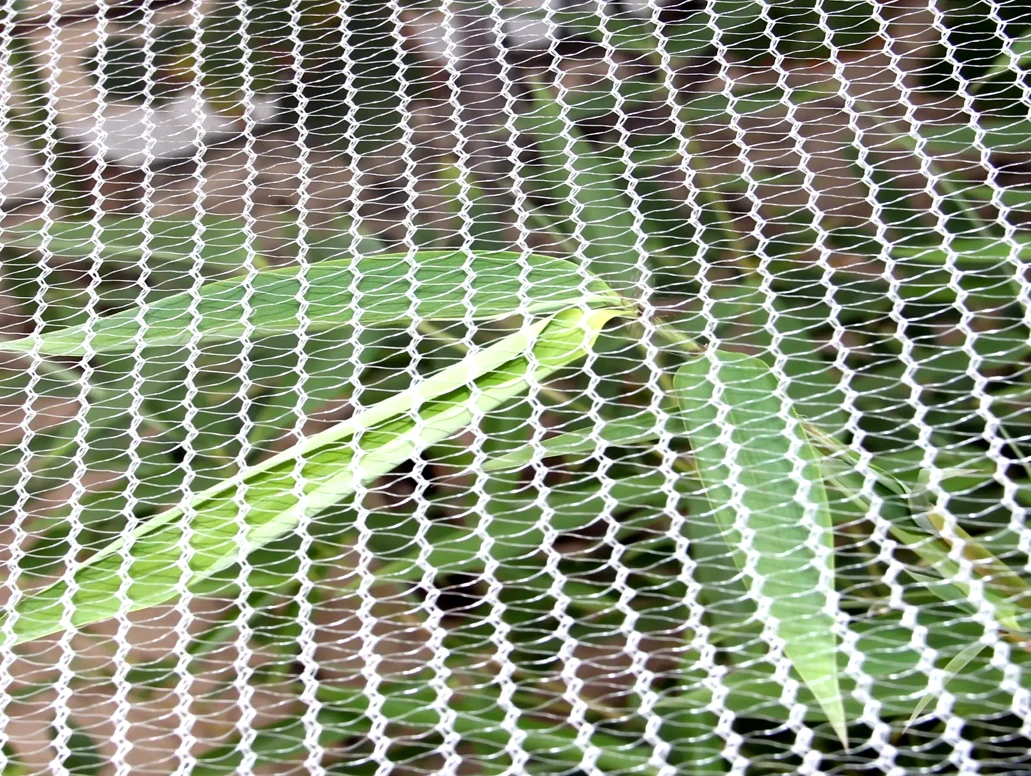
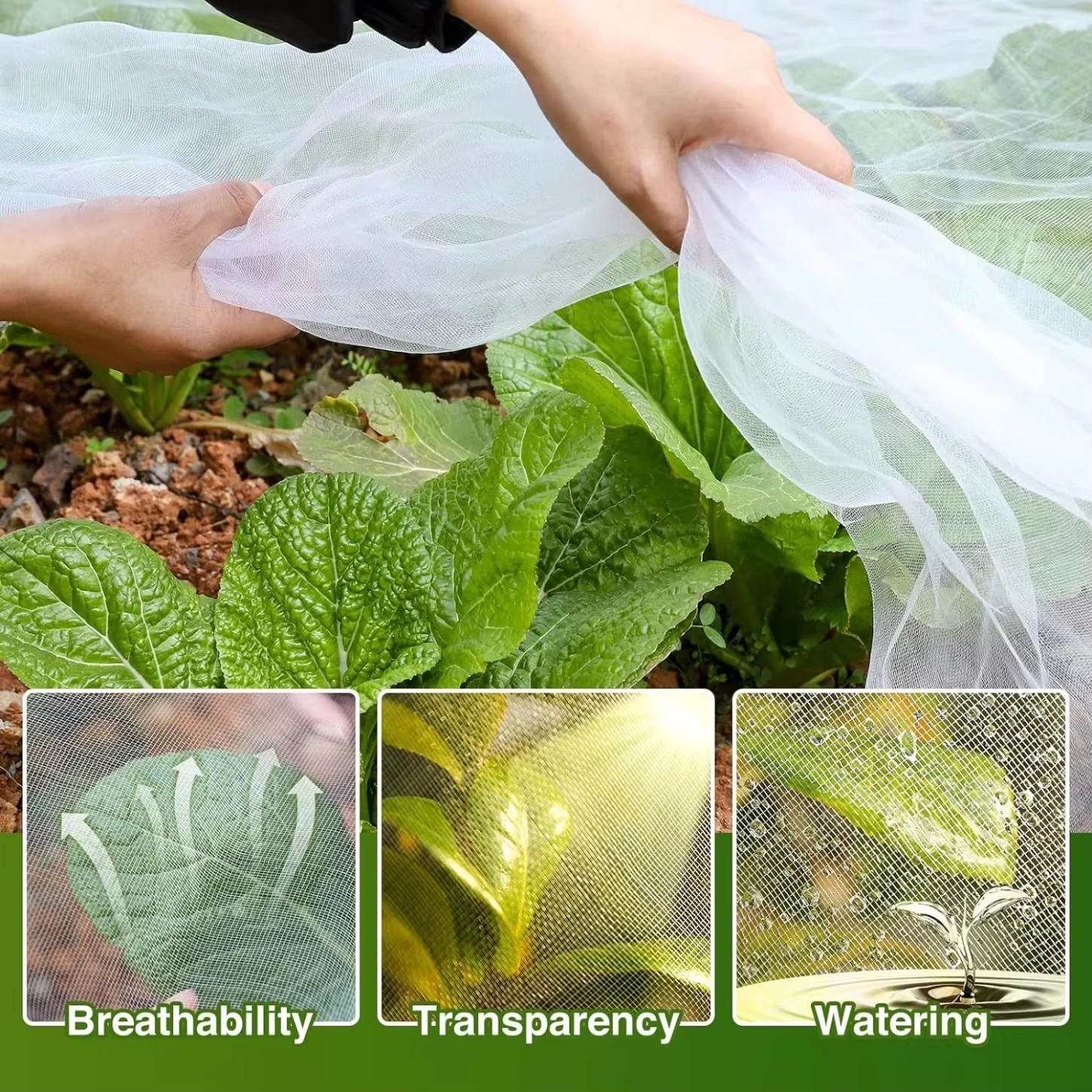
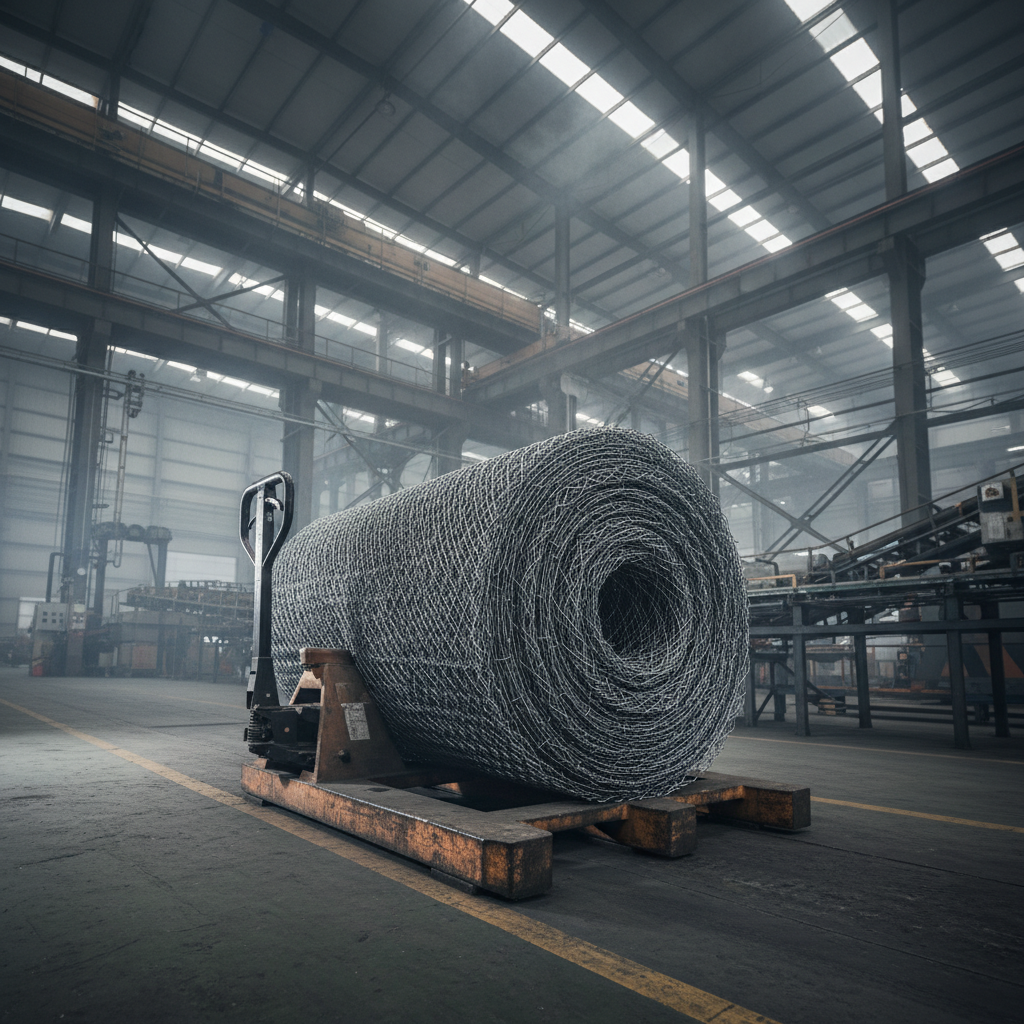
Bird netting provides a physical barrier that prevents birds from accessing crops, gardens, or structures. This simple yet effective solution minimizes damage, reduces yield loss, and protects investments. Beyond agriculture, bird netting is invaluable for protecting warehouses, aircraft hangars, and other areas where bird presence is undesirable. Using bulk bird netting is particularly economical for large-scale operations, reducing per-unit costs and streamlining installation. It’s also a humane method of bird control, as it doesn't harm the birds but rather deters them from entering protected areas.
Key Benefits: Protects crops & investments, Humane bird control, Cost-effective in bulk, Versatile applications.
Choosing the Right Mesh Size for Your Needs
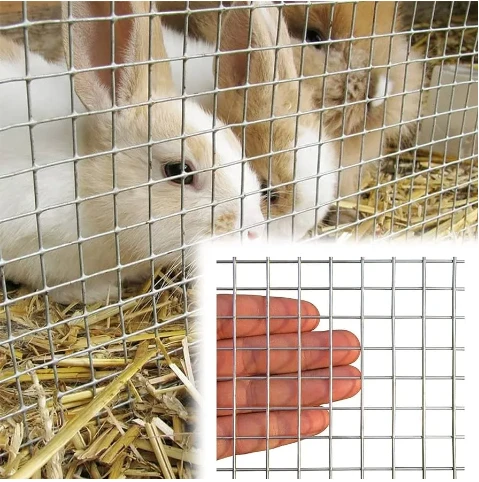
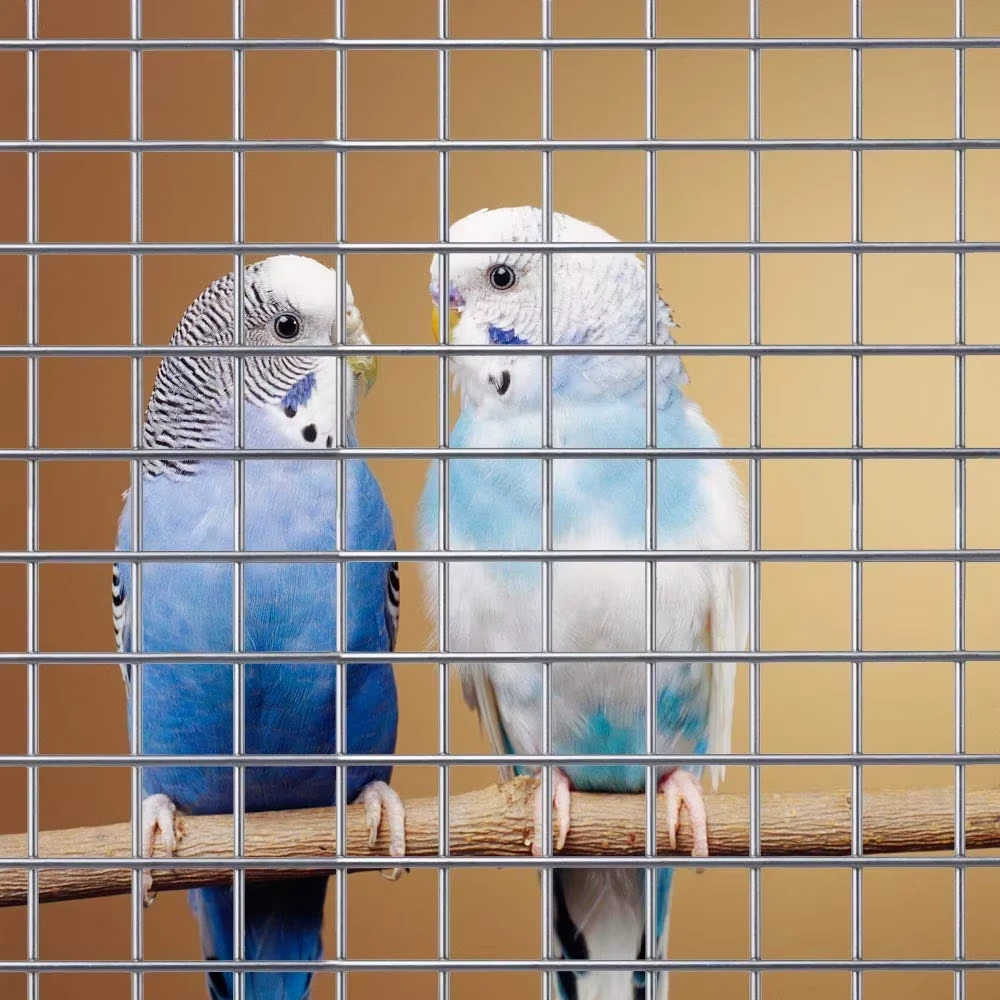
The mesh size of bird netting is a critical factor. Smaller mesh sizes are more effective at deterring smaller birds, while larger mesh sizes are suitable for larger species. Consider the types of birds prevalent in your area and the size of the plants or structures you’re protecting. For example, vineyards often require a smaller mesh size to protect grapes from smaller birds, while orchards might use a slightly larger mesh for larger species.
Mesh Size Guidelines:
• 1/2 inch mesh: Ideal for small birds like sparrows and finches.
• 1 inch mesh: Suitable for medium-sized birds like starlings and pigeons.
• 2 inch mesh: Best for larger birds like geese and crows.
Bird Netting Materials: A Comparison
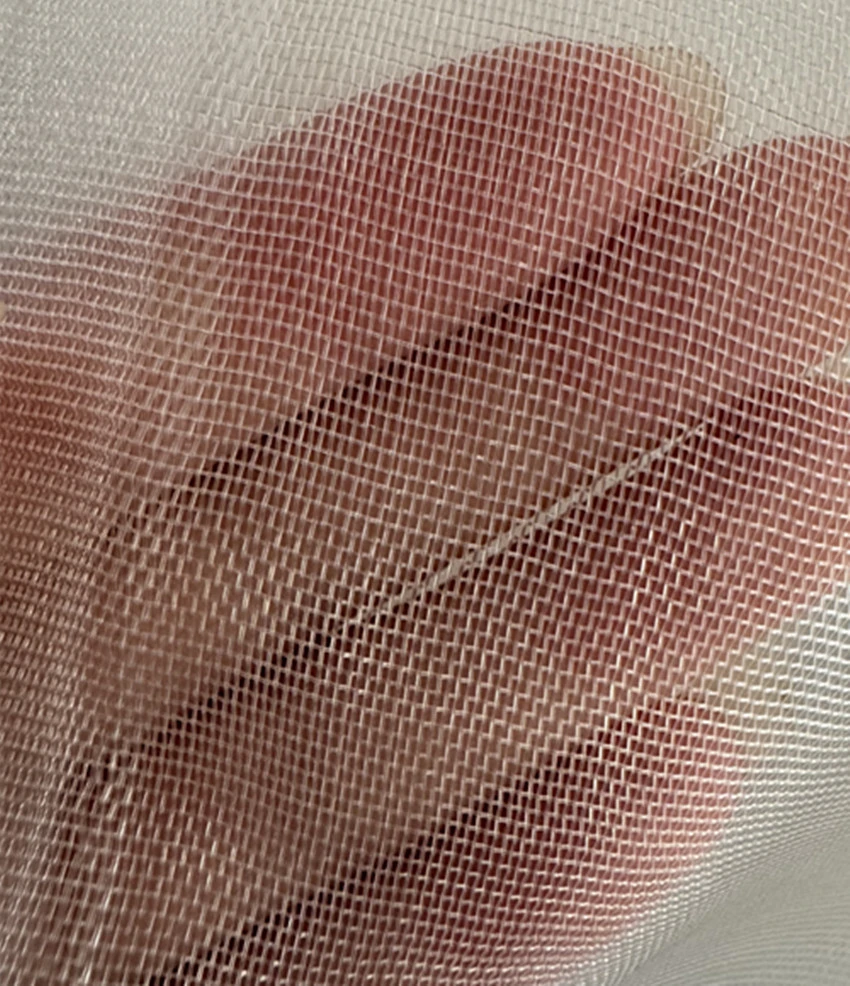
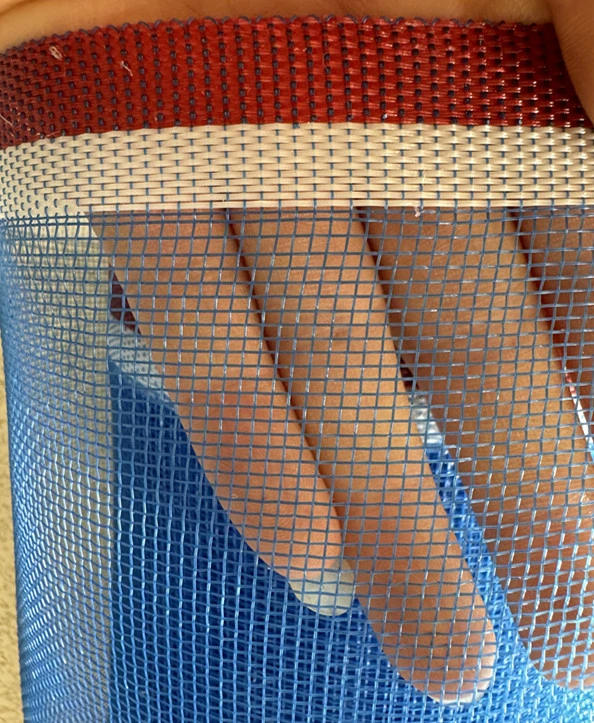
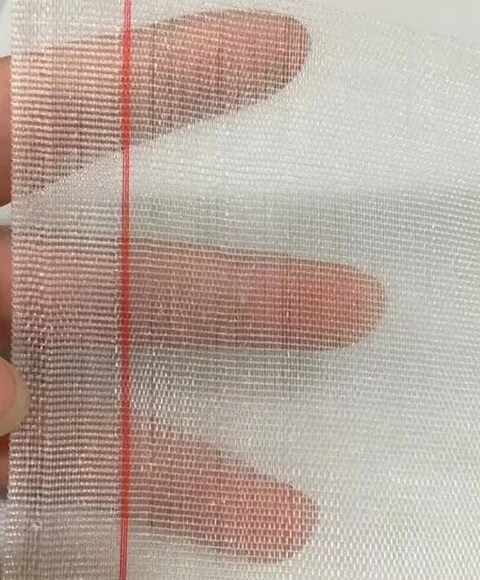
Bird netting is typically made from polyethylene (PE), polypropylene (PP), or nylon. Each material has its pros and cons. PE netting is cost-effective and lightweight, but it may have a shorter lifespan. PP netting is more durable and UV-resistant. Nylon netting is the strongest and most durable option, but also the most expensive. When purchasing bird netting bulk, consider the climate and the length of time you need the netting to last. UV resistance is particularly important in sunny regions.
Why Choose YJ Wire Mesh for Bulk Bird Netting?
YJ Wire Mesh specializes in providing high-quality bird netting in bulk at competitive prices. We offer a wide range of mesh sizes and materials to suit diverse needs. Our netting is manufactured to stringent quality standards, ensuring durability and long-lasting performance. We also provide excellent customer service and fast shipping, making us a trusted partner for agricultural businesses, pest control professionals, and property managers.
Proper Installation and Maintenance of Bird Netting
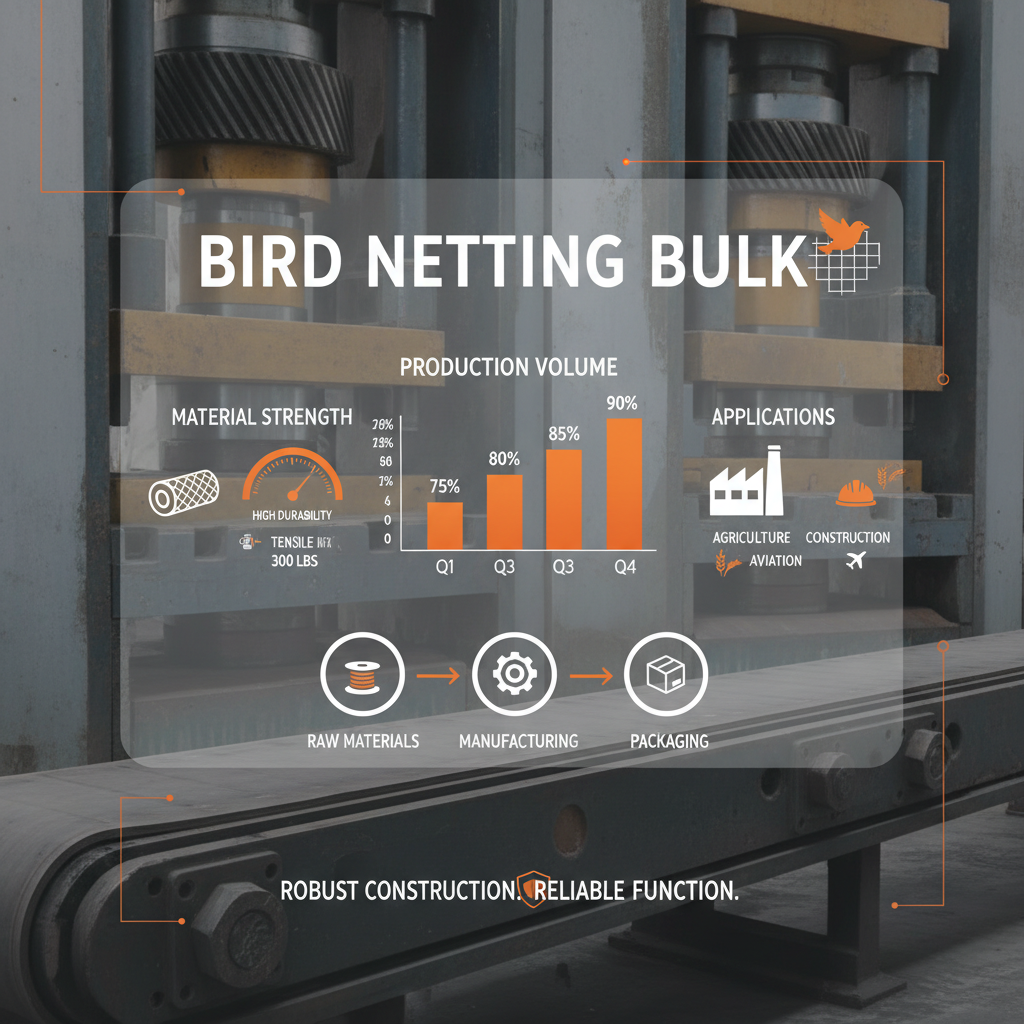
Correct installation is essential for maximizing the effectiveness of bird netting. Ensure the netting is securely fastened to prevent birds from finding entry points. Regularly inspect the netting for tears or damage and repair them promptly. Removing leaves and debris from the netting also helps maintain its integrity and prevents birds from becoming entangled. Proper maintenance will extend the life of your investment and ensure continued protection.
Conclusion: Protect Your Investment with Quality Bird Netting
Investing in quality bird netting bulk from a trusted supplier like YJ Wire Mesh is a smart move for protecting your crops, property, and investments. By understanding your specific needs, choosing the right materials and mesh size, and ensuring proper installation and maintenance, you can effectively deter birds and minimize damage. Don't let birds compromise your hard work – choose YJ Wire Mesh for reliable bird protection.
Frequently Asked Questions (FAQs)
What is the typical lifespan of bird netting?
The lifespan of bird netting varies depending on the material, UV exposure, and overall usage. Polyethylene (PE) netting generally lasts 1-2 years, while polypropylene (PP) netting can last 3-5 years. Nylon netting offers the longest lifespan, often exceeding 5 years. Regular inspection and maintenance can significantly extend the netting’s usability. It’s recommended to replace netting that shows signs of significant degradation, such as tears or brittleness, to ensure continued protection.
Is bird netting harmful to birds?
When installed correctly, bird netting is not harmful to birds. It acts as a physical barrier, deterring birds from entering protected areas without causing injury. However, it's crucial to regularly inspect the netting for any tears or gaps where birds could become entangled. Promptly repairing any damage prevents potential harm. It’s also advisable to avoid using netting with very small mesh sizes, as these can pose a greater entanglement risk.
How do I determine the amount of bird netting I need?
To determine the amount of bird netting required, measure the area you need to protect, including height and width. Add extra netting to allow for overlap and secure fastening. Consider any obstacles, such as trees or buildings, that may require additional netting. It's always better to overestimate slightly than to underestimate, as it's easier to trim excess netting than to add more later. Contacting YJ Wire Mesh for a consultation can help you accurately calculate the required amount based on your specific needs.
What are the best methods for securing bird netting?
There are several effective methods for securing bird netting. Using clips, zip ties, or twine to attach the netting to supports like trees, posts, or structures is common. Ensuring the netting is taut and securely fastened prevents birds from finding entry points. For larger areas, consider using a combination of methods for added security. When attaching netting to trees, avoid using materials that could damage the bark. YJ Wire Mesh offers a range of accessories to help with secure installation.
-
High Quality Anti Bird Agro Net for Professional Crop ProtectionNewsApr.16,2026
-
Guide to Bird Netting Cost Per Square Foot and Material OptionsNewsApr.09,2026
-
Comprehensive Guide to Bird Netting Cost Factors and Material ChoicesNewsApr.07,2026
-
Comprehensive Guide to Bird Net for Balcony Cost and Installation OptionsNewsApr.04,2026
-
Comprehensive Guide to Bird Netting Price and Effective Protection SolutionsNewsMar.31,2026
-
Comprehensive Guide to Nylon Bird Net Price Factors and OptionsNewsMar.28,2026