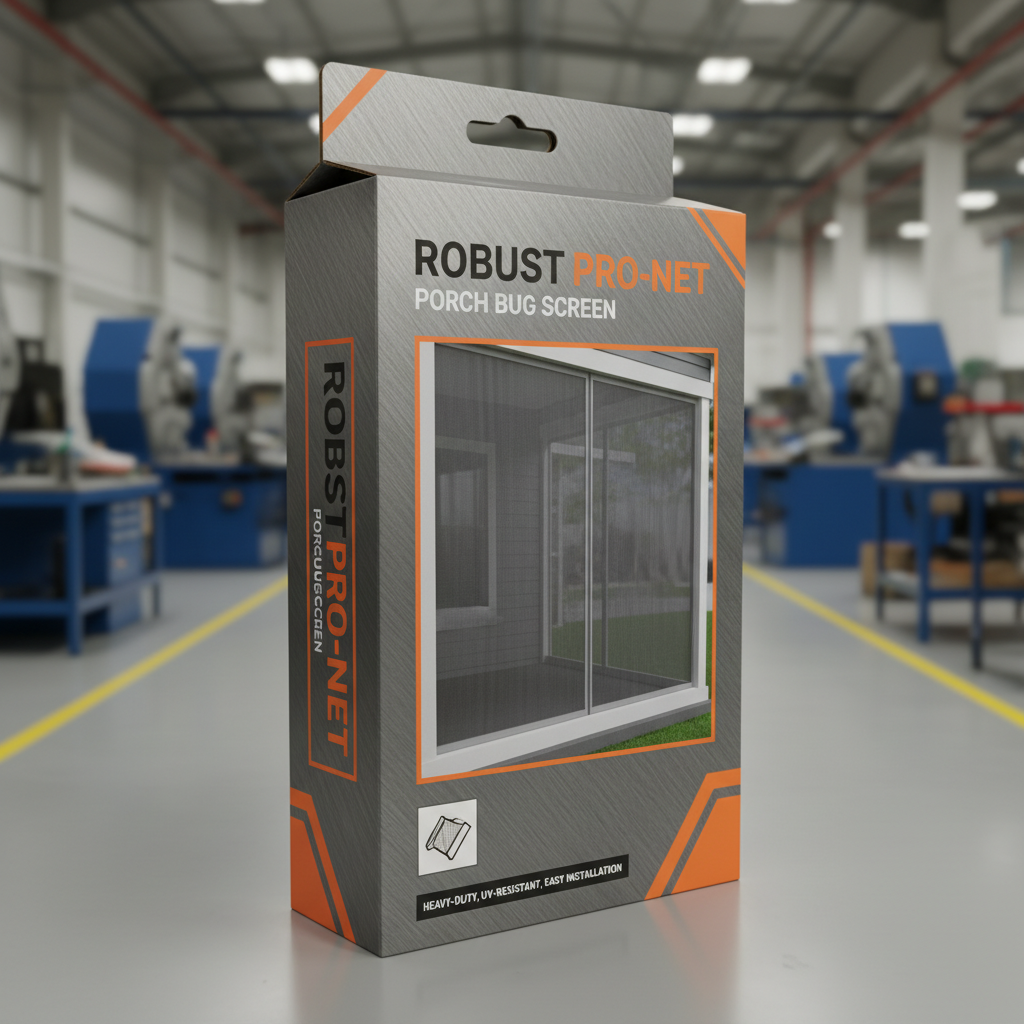
Insect proof garden netting represents a vital solution for safeguarding crops and plants from damaging insect infestations. Globally, agricultural losses due to pests amount to billions of dollars annually, impacting food security and economic stability. insect proof garden netting offers a proactive and environmentally conscious approach to mitigate these losses, promoting sustainable agricultural practices and ensuring higher yields for farmers worldwide.
The increasing demand for organically grown produce further fuels the need for effective, chemical-free pest control methods. Traditional pesticides can have detrimental effects on ecosystems and human health, prompting a shift towards preventative solutions like protective netting. This shift aligns with international initiatives promoting sustainable agriculture and reducing reliance on harmful chemicals, as outlined by organizations like the UN’s Food and Agriculture Organization (FAO).
Understanding the nuances of insect proof garden netting – its materials, applications, and long-term benefits – is crucial for agricultural professionals, home gardeners, and policymakers alike. By embracing this technology, we can contribute to a more secure and sustainable food future.
The Significance of Insect Proof Garden Netting
Insect proof garden netting is rapidly becoming an indispensable tool in modern agriculture. Its ability to physically prevent insect access to crops reduces the need for chemical intervention, leading to healthier produce and a more sustainable environment. The importance of safeguarding food sources from pest damage cannot be overstated, particularly in the face of a growing global population and climate change.
The proactive nature of insect proof garden netting provides a significant advantage over reactive pest control methods. By establishing a physical barrier, it minimizes crop loss and supports consistent yields, contributing to both economic stability for farmers and food security for communities.
Defining Insect Proof Garden Netting
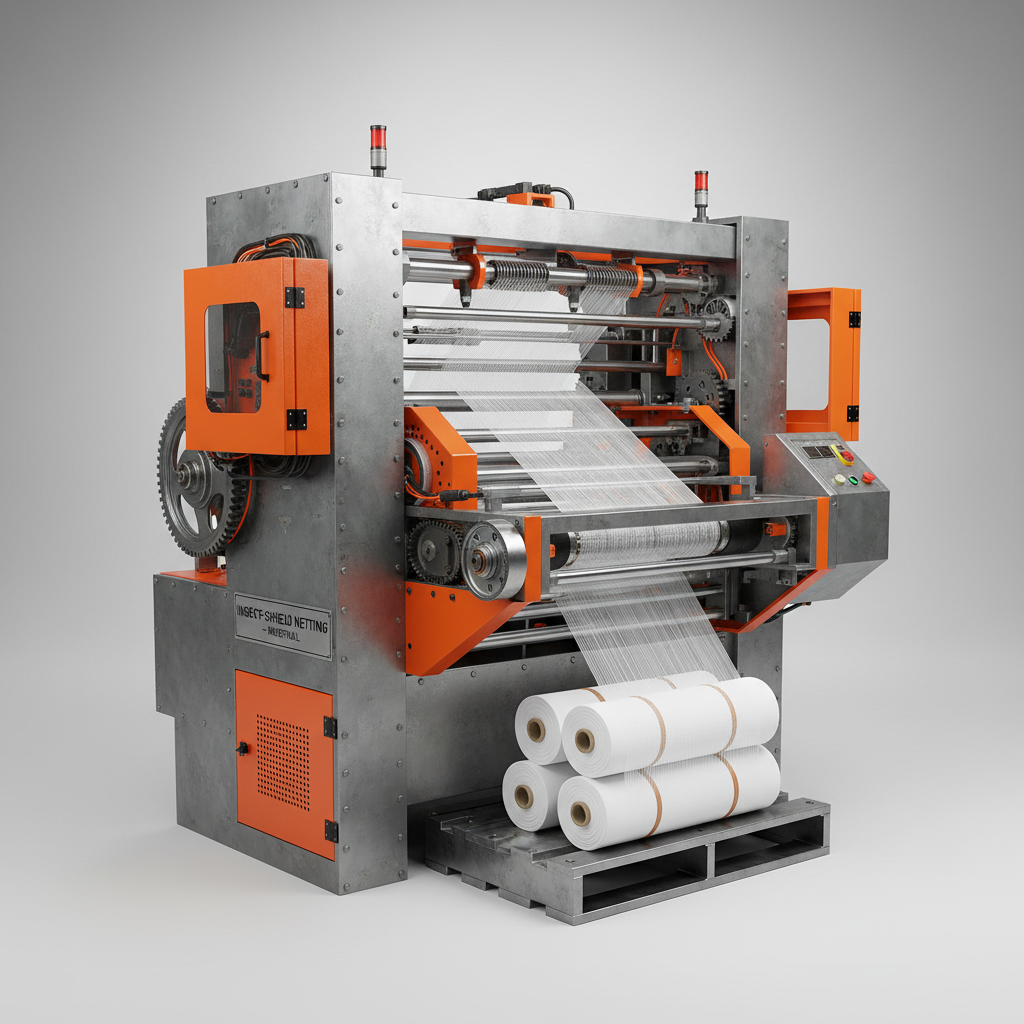
Insect proof garden netting is a specialized mesh fabric designed to create a physical barrier between crops and insect pests. It’s typically constructed from materials like polyethylene (PE) or polypropylene (PP), chosen for their durability, lightweight nature, and resistance to UV degradation. The mesh size is a critical factor, determining which insect species can be effectively excluded.
This technology represents a departure from traditional pest management relying heavily on chemical pesticides. It's an example of preventative agriculture – focusing on protecting crops before infestations occur, rather than reacting to damage. The simplicity and cost-effectiveness of the netting make it accessible to a wide range of growers, from small-scale home gardeners to large commercial farms.
Its relevance extends beyond simply protecting food production. Insect proof garden netting contributes to more sustainable agricultural practices and supports the growing demand for organically produced food by reducing the need for potentially harmful chemical inputs.
Core Characteristics of Effective Netting
Effective insect proof garden netting exhibits several key characteristics. Firstly, mesh size is paramount, and must be appropriately selected to exclude target pests while allowing for adequate airflow and sunlight penetration. Secondly, the material’s strength and durability are crucial to withstand environmental factors like wind, rain, and UV exposure, ensuring a long lifespan.
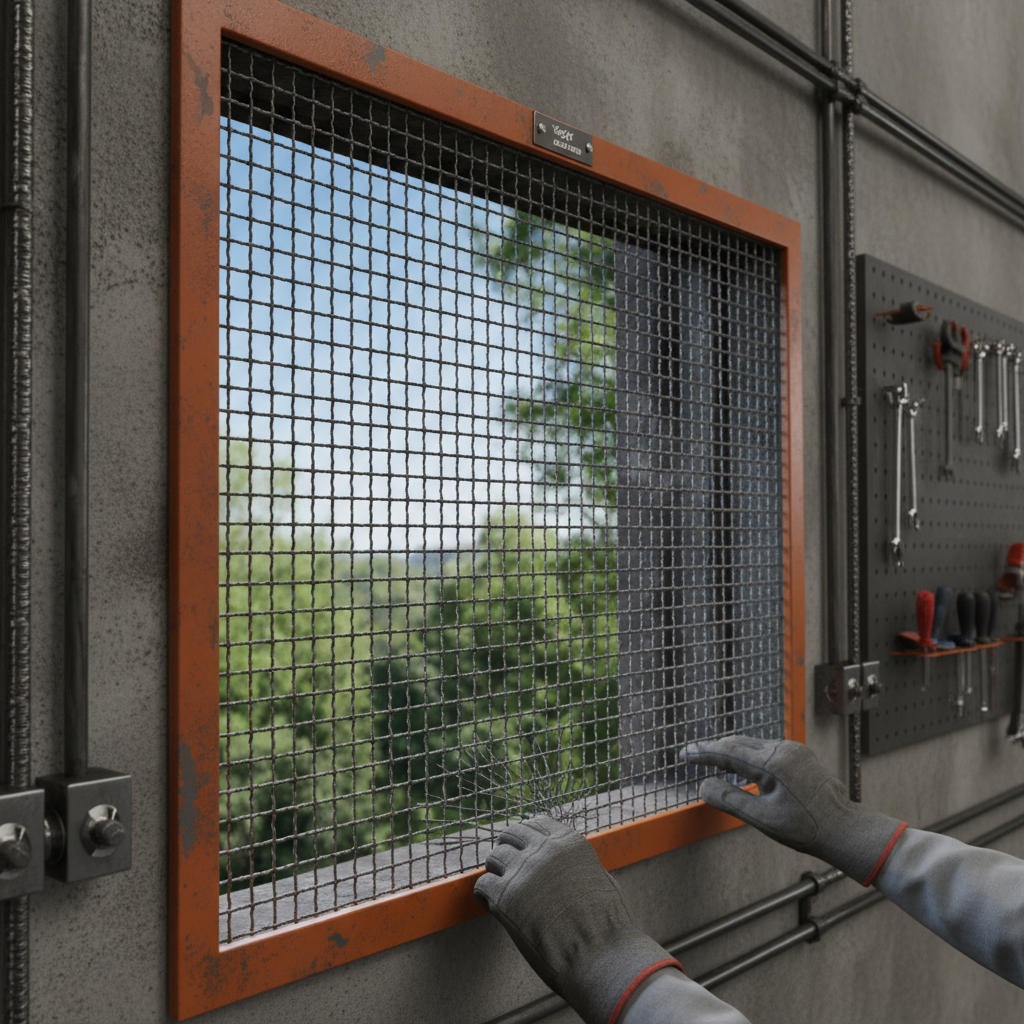
Beyond the physical properties, ease of installation and handling are important considerations. Netting that is lightweight, flexible, and easy to deploy and remove translates to reduced labor costs and increased efficiency for farmers. Proper installation techniques are also vital to ensure a complete barrier and maximize effectiveness.
Finally, the netting’s breathability is a critical feature. While preventing insect entry, it must not impede airflow, which is essential for plant health, pollination (if needed), and temperature regulation. Balancing pest exclusion with optimal growing conditions is a key design objective.
Key Factors Influencing Netting Performance
Several factors directly influence the performance of insect proof garden netting. The initial quality of the material, encompassing its tensile strength and UV resistance, directly correlates with its longevity and effectiveness. A higher quality netting will withstand prolonged exposure to the elements without tearing or degrading.
Proper installation is also crucial. Netting must be securely fastened to the ground and supported by adequate framing to prevent gaps or sagging, which insects can exploit. Regular inspection and maintenance – addressing any tears or damage promptly – are essential for maintaining a complete barrier.
Insect Proof Garden Netting Performance by Method
Diverse Applications of Insect Proof Netting
Insect proof garden netting finds application across a broad spectrum of agricultural settings. It's widely used in vegetable gardens to protect crops like tomatoes, peppers, cucumbers, and leafy greens from pests like aphids, whiteflies, and caterpillars. Fruit growers employ netting to safeguard orchards and vineyards from damaging insects and birds.
Beyond traditional agriculture, netting is increasingly utilized in greenhouses and nurseries to provide a controlled environment free from pest infestations. Its application extends to organic farming operations, where it’s a crucial component of integrated pest management strategies, allowing growers to meet stringent organic certification standards.
Advantages and Long-Term Value Proposition
The advantages of employing insect proof garden netting are numerous and extend beyond simply reducing pest damage. A significant benefit is the reduction in pesticide use, contributing to a healthier environment and safer food supply. This also lowers input costs for farmers, enhancing their profitability.
The long-term value lies in the sustainability it promotes. By preventing infestations, netting minimizes crop losses, ensures consistent yields, and supports the economic viability of agricultural operations. Furthermore, it aligns with consumer demand for environmentally responsible and organically grown produce, increasing market access and brand value.
Future Trends and Innovations in Netting Technology
Innovations in materials science are driving the development of even more effective insect proof garden netting. Researchers are exploring the use of biodegradable polymers and bio-based materials to create environmentally friendly netting options that reduce plastic waste.
Smart netting systems incorporating sensors and data analytics are also emerging. These systems can monitor pest activity, environmental conditions, and netting integrity, providing real-time insights for optimized pest management. Integration with precision agriculture technologies is expected to further enhance the effectiveness and efficiency of netting solutions.
The integration of UV stabilizers and anti-aging compounds is also improving the longevity of the netting, reducing replacement frequency and associated costs. These advancements are poised to make insect proof garden netting an even more integral component of sustainable agriculture in the years to come.
Challenges and Solutions
Despite its benefits, challenges remain in the widespread adoption of insect proof garden netting. High initial investment costs can be a barrier for small-scale farmers, particularly in developing countries. Additionally, proper installation and maintenance require knowledge and labor, which may not always be readily available.
Solutions include exploring government subsidies and financial assistance programs to make netting more affordable. Developing simplified installation techniques and providing training programs can address the labor and knowledge gaps. Furthermore, research into lower-cost, yet durable, netting materials is crucial.
Addressing the challenges of proper disposal and recycling of used netting is also important for promoting sustainability. Initiatives focused on developing closed-loop systems for netting materials can minimize environmental impact and create a circular economy.
Summary of Insect Proof Garden Netting Challenges and Solutions
| Challenge |
Impact on Adoption |
Proposed Solution |
Expected Outcome |
| High Initial Cost |
Limits accessibility for small farmers |
Government subsidies, micro-loans |
Increased affordability & adoption rate |
| Installation Complexity |
Requires skilled labor and time |
Simplified designs, training programs |
Reduced installation time & cost |
| Material Durability |
Frequent replacements lead to higher costs |
UV stabilizers, stronger materials |
Extended lifespan & reduced replacements |
| Lack of Awareness |
Limited understanding of benefits |
Educational campaigns, farmer workshops |
Increased understanding and demand |
| Waste Disposal |
Environmental impact of plastic waste |
Biodegradable materials, recycling programs |
Reduced environmental footprint |
| Maintenance Requirements |
Regular inspection for damage needed |
Durable materials, easy-repair options |
Reduced maintenance effort & costs |
FAQS
The lifespan of insect proof garden netting varies depending on the material quality, UV exposure, and environmental conditions. Generally, high-quality polyethylene (PE) netting can last from 3 to 5 years, while polypropylene (PP) netting may have a slightly shorter lifespan. Regular inspection and proper maintenance, such as removing debris and addressing any tears promptly, can significantly extend the netting’s usability. UV stabilizers added during manufacturing also play a critical role in preventing degradation from sunlight.
Selecting the appropriate mesh size is crucial for effective pest control. Consider the size of the insects you are trying to exclude. For smaller pests like aphids and whiteflies, a finer mesh (e.g., 0.8mm to 1mm) is necessary. Larger pests, like cabbage moths, may require a coarser mesh (e.g., 1.5mm to 2mm). It's important to research the target pest's size and behavior to ensure the netting provides an adequate barrier.
Insect proof garden netting is versatile and can be used with a wide range of crops, including vegetables, fruits, flowers, and herbs. However, consider the crop's growth habit and pollination requirements. For crops that rely on insect pollination, ensure adequate ventilation and access points for pollinators. Also, heavier crops may require stronger support structures to prevent the netting from sagging or tearing.
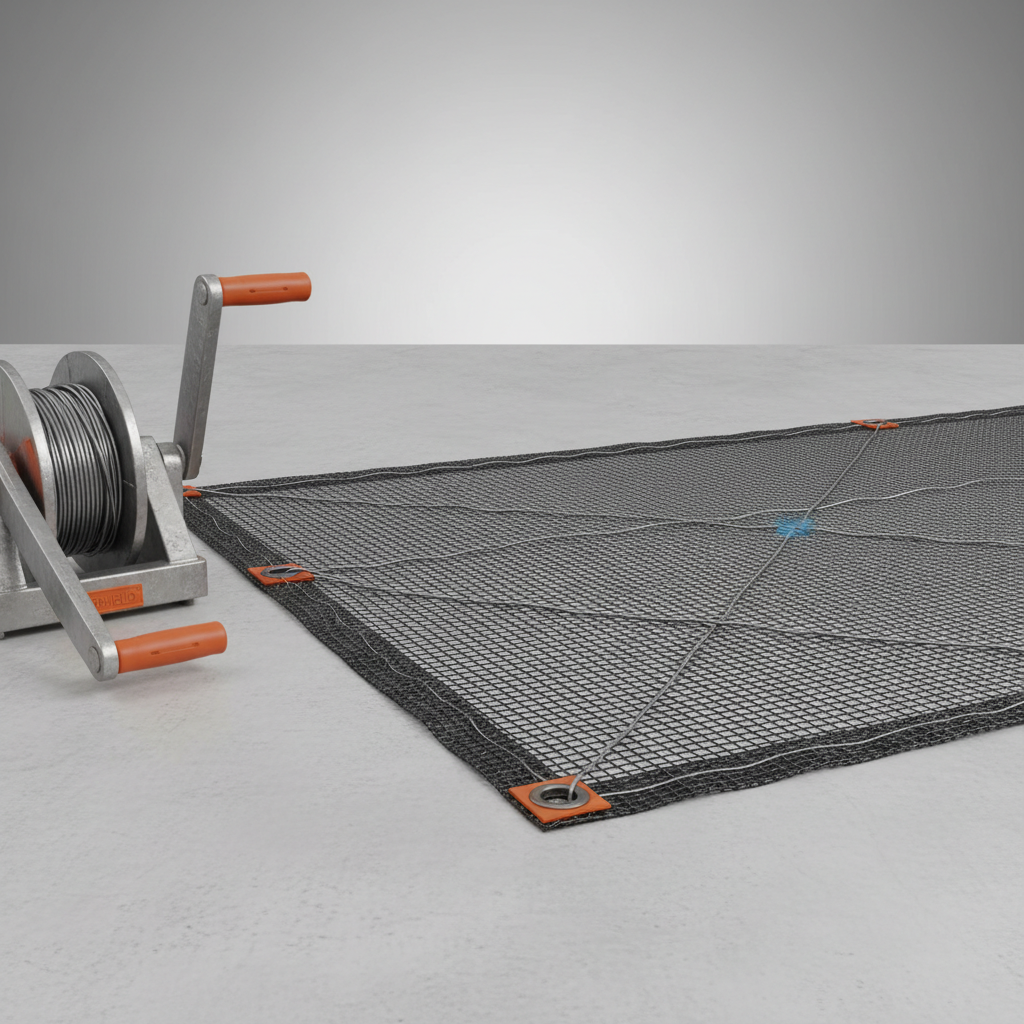
Effective installation involves securely anchoring the netting to the ground and providing adequate support. Use sturdy frames or stakes to prevent sagging and ensure a tight seal. Overlap the edges of the netting and secure them with clips, tape, or string to eliminate gaps. Regularly inspect the installation to address any tears or loose sections promptly. Consider using soil or rocks to weigh down the edges for added security.
Insect proof garden netting is generally considered more environmentally friendly than traditional pesticide applications. By reducing the need for chemicals, it protects beneficial insects, reduces soil and water contamination, and promotes biodiversity. However, the environmental impact of the netting itself depends on the material used. Choosing biodegradable or recyclable netting options can further minimize its environmental footprint.
Regular cleaning can extend the lifespan of your netting. Gently wash it with mild soap and water to remove dirt and debris. Avoid harsh chemicals or abrasive cleaners. Before storing, ensure the netting is completely dry to prevent mold and mildew growth. Store it in a cool, dry place away from direct sunlight to prevent degradation. Properly folded and stored netting will remain usable for multiple seasons.
Conclusion
Insect proof garden netting provides a powerful and sustainable solution for protecting crops from insect pests. Its versatility, cost-effectiveness, and environmental benefits make it an increasingly valuable tool for farmers, gardeners, and communities striving for food security. By adopting this technology, we can reduce reliance on harmful chemicals, promote healthier ecosystems, and ensure a more resilient food supply.
Looking ahead, continued innovation in materials and netting designs, combined with increased awareness and accessibility, will further expand its adoption globally. Investing in research and development, promoting best practices, and supporting initiatives that make netting affordable for all are crucial steps towards realizing its full potential and building a more sustainable agricultural future. Visit our website for more information: www.yjwiremesh.com