Comprehensive Guide to Wholesale Bird Netting for Crop and Property Protection
Bird Netting Wholesale: A Comprehensive Guide
Protecting crops and property from bird damage is a significant concern for farmers, orchard owners, and property managers. Wholesale bird netting offers an effective and cost-efficient solution. This article provides a detailed overview of bird netting, its applications, types, and considerations when purchasing wholesale. Understanding these aspects will help you select the right netting to safeguard your investments. We'll also explore the benefits of sourcing directly from a reliable manufacturer like YJ Wire Mesh.
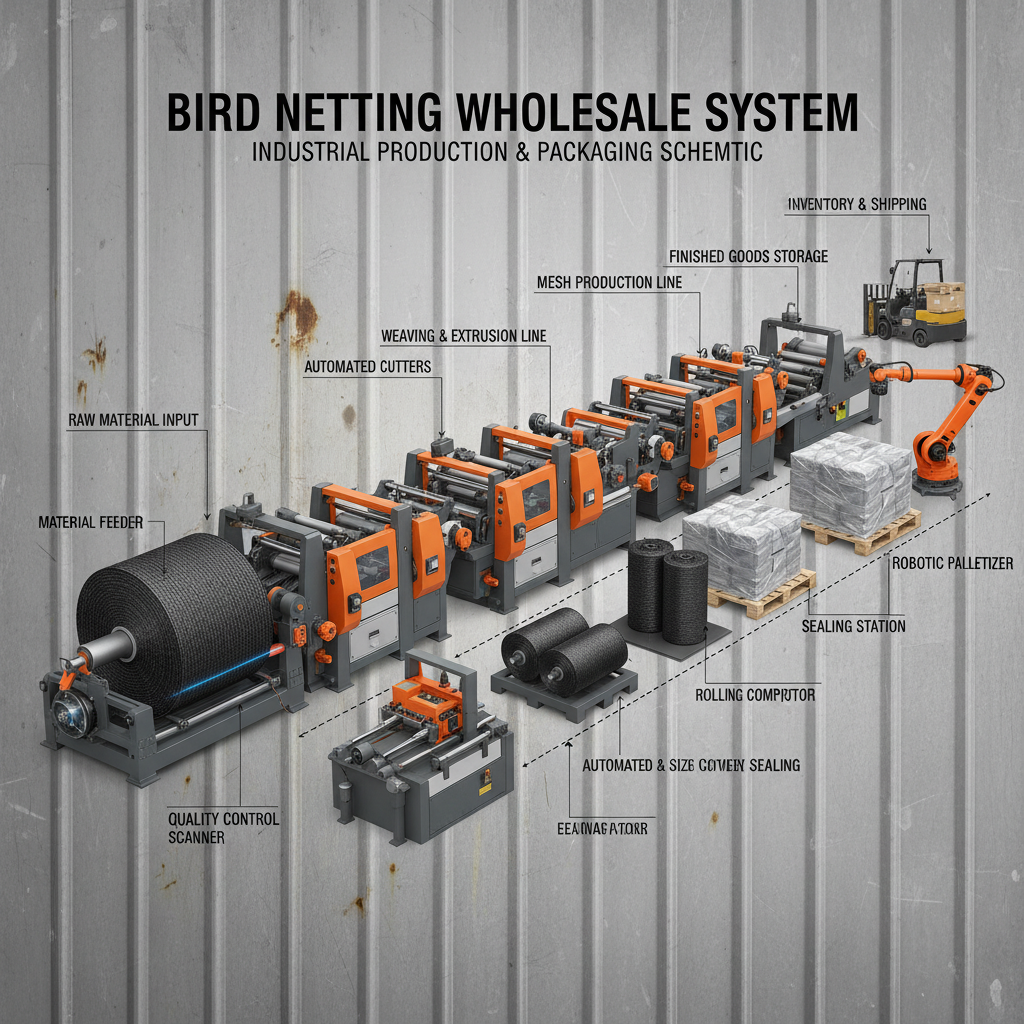
What is Bird Netting and Why Use It?
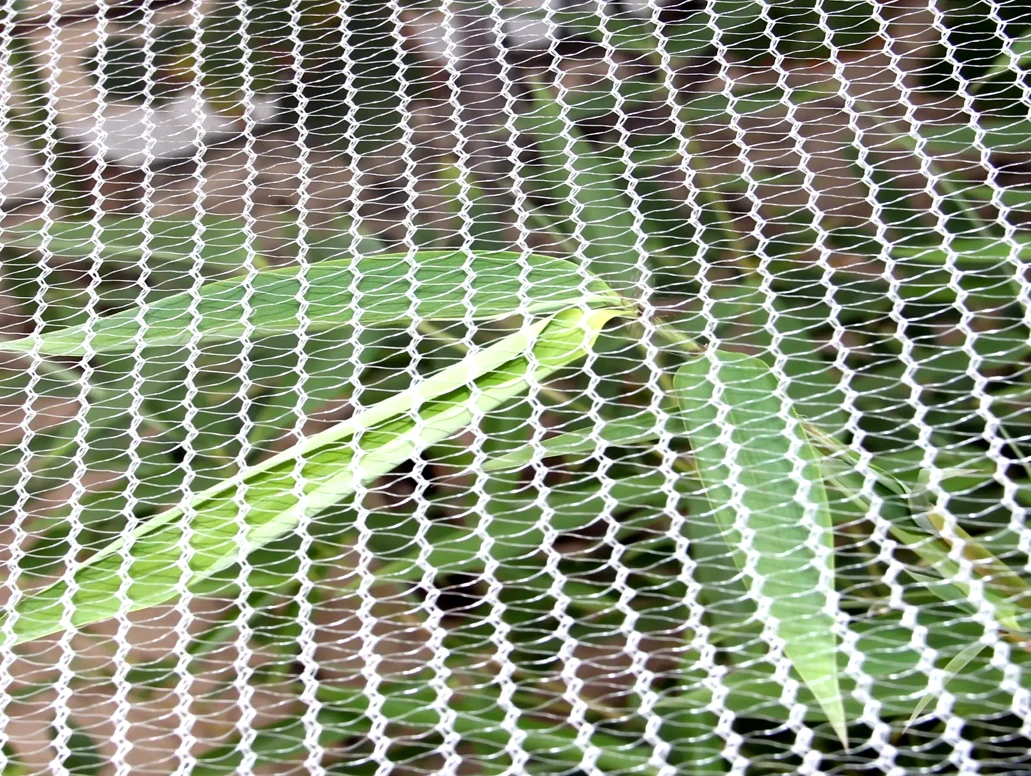
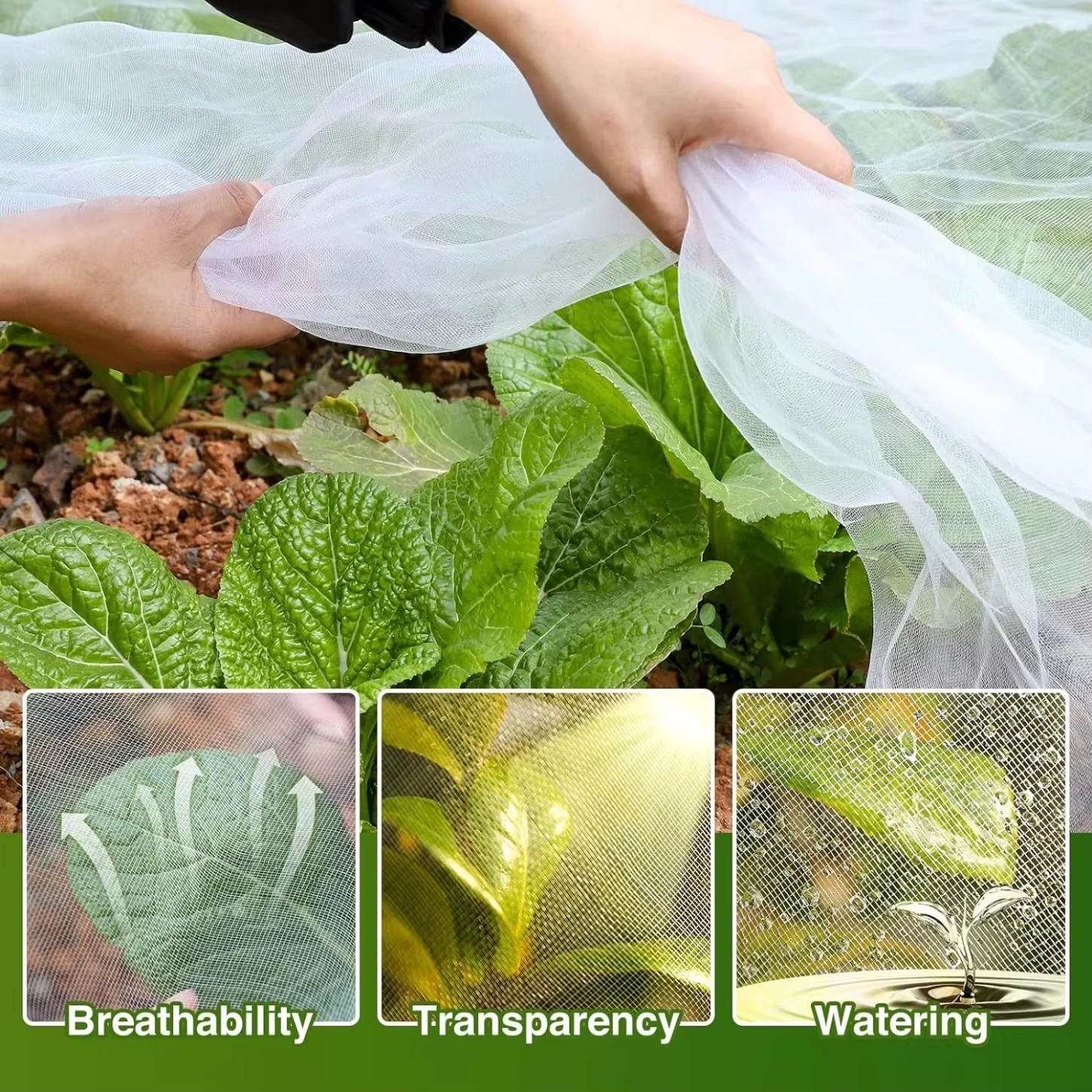
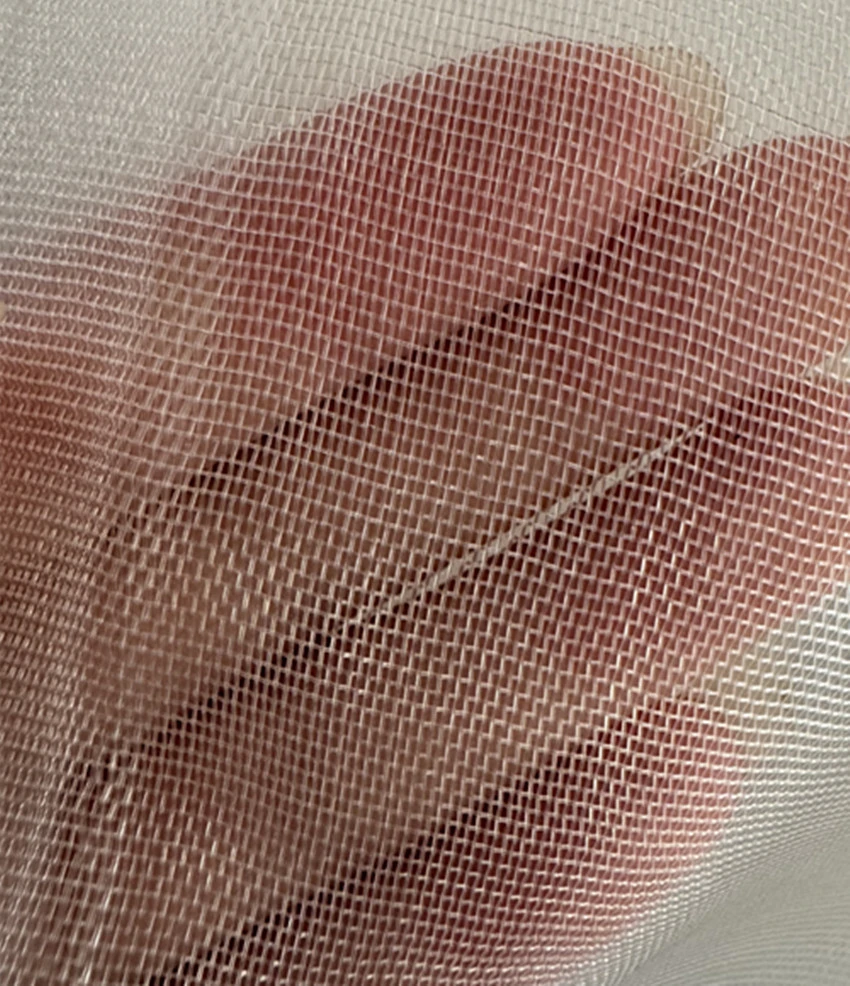
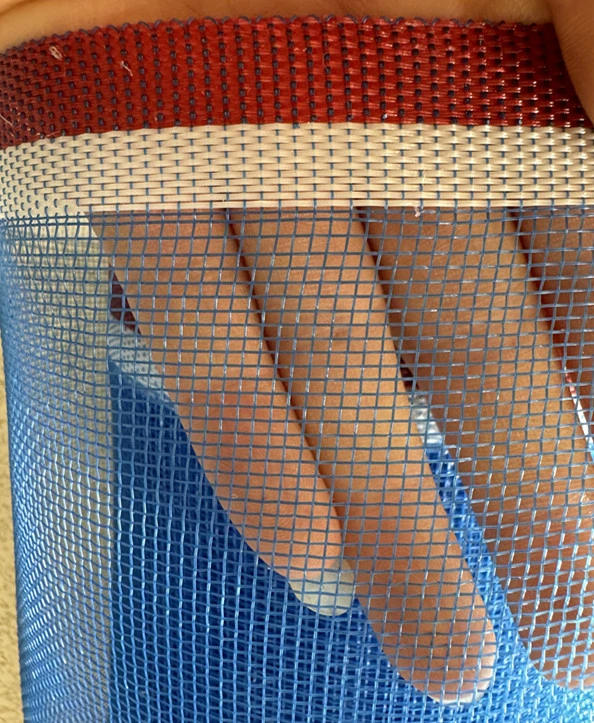
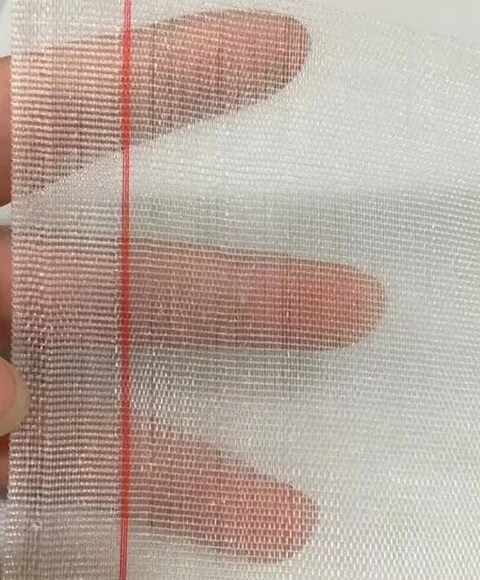
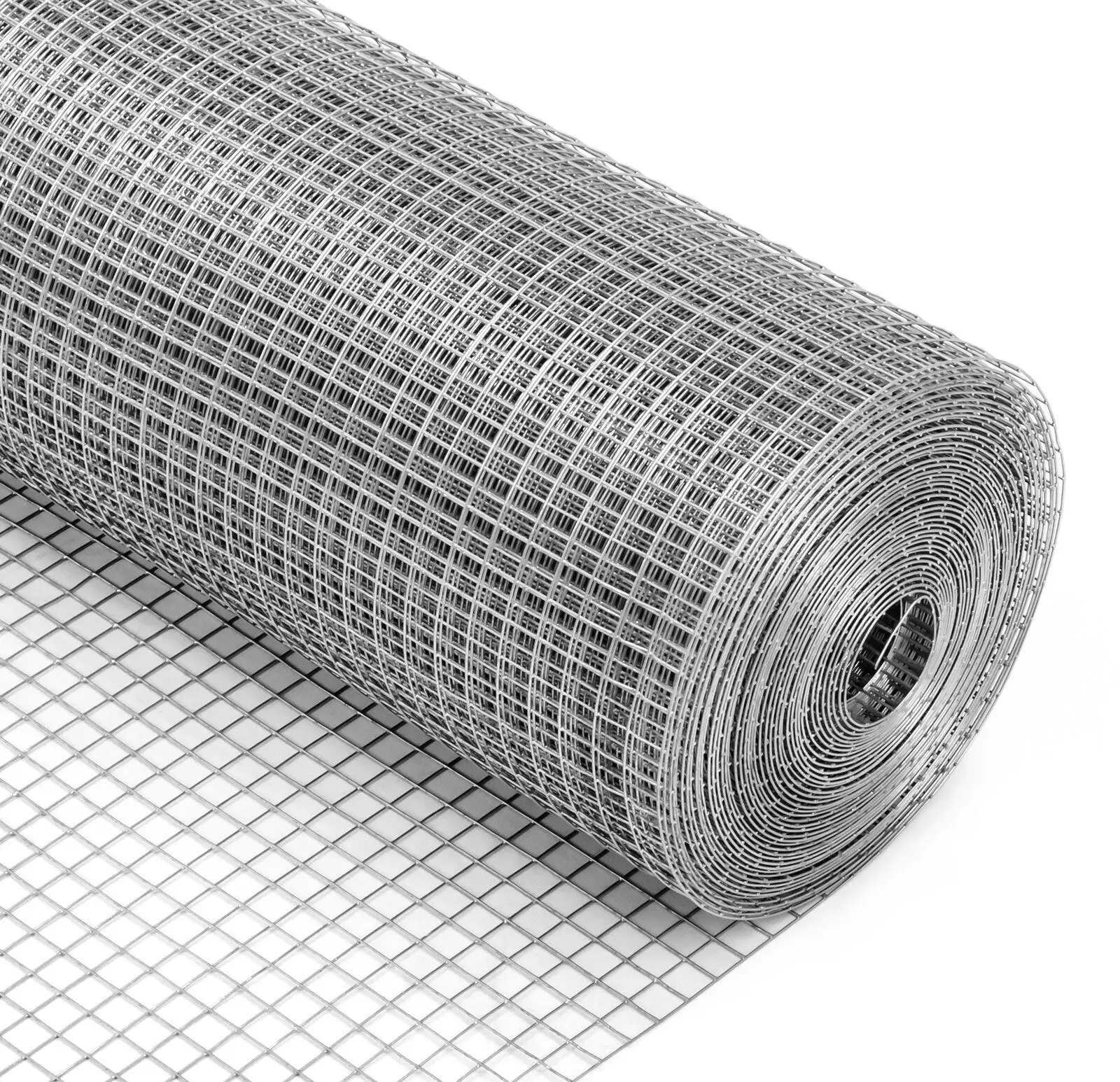
Bird netting is a mesh material designed to prevent birds from accessing specific areas. It’s commonly used in agriculture to protect fruits, vegetables, and grains, as well as in urban settings to deter birds from buildings and structures. The primary benefit of using bird netting is to minimize crop losses caused by birds feeding on fruits and vegetables. Beyond agriculture, it protects gardens, vineyards, and other valuable plants. Moreover, bird netting can prevent bird droppings, which can be a nuisance and pose health hazards. Investing in quality bird netting wholesale is a proactive step in protecting your assets.
Key Benefits: Minimizes crop loss, prevents damage to structures, reduces health hazards associated with bird droppings, and provides a cost-effective bird control solution.
Types of Bird Netting Available Wholesale
Several types of bird netting are available, each suited for different applications. The most common include:
- Nylon Netting: Strong, durable, and UV-resistant. Ideal for long-term protection and various environments.
- Polyethylene (PE) Netting: Lightweight and economical, suitable for temporary or less demanding applications.
- Knotless Netting: Provides a clean appearance and minimizes damage to birds. Often used in vineyards and orchards.
- Reinforced Netting: Designed for heavy-duty protection, resistant to tearing and stretching.
When choosing bird netting wholesale, consider the specific type of birds you’re trying to deter, the size of the area to be protected, and the desired level of durability.
Understanding Mesh Size and Netting Strength
Mesh size, measured in millimeters, determines the size of the openings in the netting. Smaller mesh sizes are more effective at deterring smaller birds, while larger mesh sizes are suitable for larger birds. Netting strength, often measured in denier or tensile strength, indicates its resistance to tearing and breaking. Choosing the right combination of mesh size and strength is crucial for ensuring long-lasting protection.
Mesh Size & Strength Guidelines:
• Small Birds (Sparrows, Finches): 19mm - 25mm mesh
• Medium Birds (Pigeons, Doves): 28mm - 50mm mesh
• Large Birds (Crows, Gulls): 50mm - 75mm mesh
• High Tensile Strength: Recommended for areas with strong winds or heavy bird pressure
Bird Netting Wholesale: Comparing Materials and Costs
The cost of bird netting wholesale varies depending on the material, mesh size, strength, and quantity purchased. Generally, nylon netting is more expensive than polyethylene netting due to its superior durability and UV resistance. However, the longer lifespan of nylon netting often makes it a more cost-effective choice in the long run. Here's a comparison:
Why Choose YJ Wire Mesh for Your Wholesale Bird Netting Needs?
When sourcing bird netting wholesale, selecting a reliable manufacturer is crucial. YJ Wire Mesh offers a wide range of high-quality bird netting options, competitive pricing, and excellent customer service. We are committed to providing durable and effective solutions to protect your crops and property. We provide customized solutions to fit any requirement, whether you need a large volume of standard netting or a specialized netting configuration. Our commitment to quality and customer satisfaction sets us apart.
Conclusion: Protecting Your Investment with Quality Bird Netting
Investing in high-quality bird netting wholesale from a trusted supplier like YJ Wire Mesh is a proactive step towards protecting your crops, property, and investments. By understanding the different types of netting, mesh sizes, and strengths, you can make an informed decision and choose the best solution for your specific needs. Don't let birds damage your hard work – choose YJ Wire Mesh for reliable and effective bird control.
Frequently Asked Questions (FAQs)
What is the expected lifespan of bird netting?
The lifespan of bird netting largely depends on the material used and the environmental conditions it's exposed to. Nylon netting typically lasts 5-10 years with proper care, while polyethylene netting usually has a lifespan of 2-5 years. Factors like UV exposure, weather conditions, and the amount of physical stress can affect its durability. Regular inspections for tears, damage, or deterioration are recommended to ensure the netting remains effective. Replacing damaged netting promptly will help prevent bird access and maintain protection.
How do I install bird netting properly?
Proper installation is crucial for ensuring the netting effectively deters birds. Begin by securely anchoring the netting to supports such as posts, trees, or structures. Use appropriate fasteners like clips, ties, or rope. Ensure the netting is taut and covers the entire area you want to protect, leaving no gaps for birds to enter. For larger areas, consider overlapping sections of netting to create a seamless barrier. Avoid stretching the netting too tightly, as this can cause it to tear. YJ Wire Mesh can provide installation guidance.
Is bird netting harmful to birds?
When installed correctly, bird netting is generally not harmful to birds. However, it's crucial to regularly inspect the netting and remove any birds that may become entangled. Knotless netting is less likely to cause entanglement compared to knotted netting. Avoid using netting with small mesh sizes in areas frequented by birds, as this increases the risk of entrapment. Prioritize bird welfare by ensuring the netting is maintained and any trapped birds are promptly released.
What quantity of bird netting should I order wholesale?
The quantity of bird netting you should order wholesale depends on the size of the area you need to protect, the height of the structures, and any potential overlaps or waste. It's always better to overestimate slightly to ensure you have enough material to cover the entire area. YJ Wire Mesh offers assistance with calculating the required quantity based on your specific needs. We can also provide custom cutting services to minimize waste and simplify installation.
-
High Quality Anti Bird Agro Net for Professional Crop ProtectionNewsApr.16,2026
-
Guide to Bird Netting Cost Per Square Foot and Material OptionsNewsApr.09,2026
-
Comprehensive Guide to Bird Netting Cost Factors and Material ChoicesNewsApr.07,2026
-
Comprehensive Guide to Bird Net for Balcony Cost and Installation OptionsNewsApr.04,2026
-
Comprehensive Guide to Bird Netting Price and Effective Protection SolutionsNewsMar.31,2026
-
Comprehensive Guide to Nylon Bird Net Price Factors and OptionsNewsMar.28,2026