Insect proof mesh for garden is becoming increasingly vital in modern horticulture and agriculture. Globally, crop losses due to insect damage are estimated at billions of dollars annually, impacting food security and economic stability. The demand for effective, sustainable pest control solutions is rising as traditional methods face challenges like pesticide resistance and environmental concerns. Understanding the applications and benefits of insect proof mesh for garden is crucial for growers, homeowners, and agricultural professionals alike, offering a proactive and eco-friendly approach to protect valuable plants and yields.
The increasing awareness of organic and sustainable gardening practices is driving the adoption of physical barriers like insect proof mesh for garden. Consumers are demanding pesticide-free produce, and growers are seeking solutions that minimize environmental impact. Furthermore, climate change is expanding the geographical range of many pest species, necessitating more robust and adaptable protective measures. The ability to provide consistent protection against a wide range of insects makes insect proof mesh for garden a valuable tool in this evolving landscape.
This technology isn’t simply about excluding pests; it's about creating a protected microclimate that allows plants to thrive. By preventing insect access, the mesh reduces plant stress, minimizes the need for chemical interventions, and promotes healthier growth. As the global population continues to grow, innovative solutions like insect proof mesh for garden are increasingly important in ensuring sustainable food production and preserving biodiversity.
Introduction: Global or Industry Context
The global agricultural landscape is facing unprecedented challenges from insect pests. According to the Food and Agriculture Organization (FAO) of the United Nations, insects cause an estimated 20-40% of crop losses worldwide. These losses not only impact food availability but also contribute to economic instability, particularly in developing countries. The rising demand for sustainable agricultural practices necessitates a shift away from reliance on harmful pesticides, and solutions like insect proof mesh for garden are playing an increasingly important role in this transition.
The insect proof mesh for garden industry is responding to this growing demand with advancements in materials and manufacturing techniques. The market is segmented by mesh size, material type (polyethylene, polypropylene, nylon), and application (greenhouses, tunnels, open-field crops). Recent reports indicate a significant growth trajectory for the market, fueled by increasing consumer awareness of food safety and the benefits of organic produce.
Definition & Meaning
Insect proof mesh for garden is a finely woven material designed to create a physical barrier against insects, preventing them from accessing plants and crops. Typically made from high-density polyethylene (HDPE) or polypropylene, the mesh is available in varying pore sizes to effectively exclude different types of pests, from small fruit flies to larger caterpillars. The purpose of insect proof mesh for garden is to offer a non-toxic, environmentally friendly alternative to chemical pesticides.
Its connection to modern agricultural and horticultural needs is profound. In a world increasingly focused on sustainability and food safety, insect proof mesh for garden represents a proactive step towards minimizing environmental impact and ensuring the production of healthy, high-quality produce. It aligns with principles of Integrated Pest Management (IPM), a holistic approach to pest control that prioritizes prevention and minimizes the use of synthetic chemicals.
Beyond simply preventing damage, insect proof mesh for garden can also contribute to improved crop quality and yield. By reducing insect-related stress on plants, the mesh promotes healthier growth and can even enhance the flavor and nutritional value of fruits and vegetables.
Key Factors or Core Components
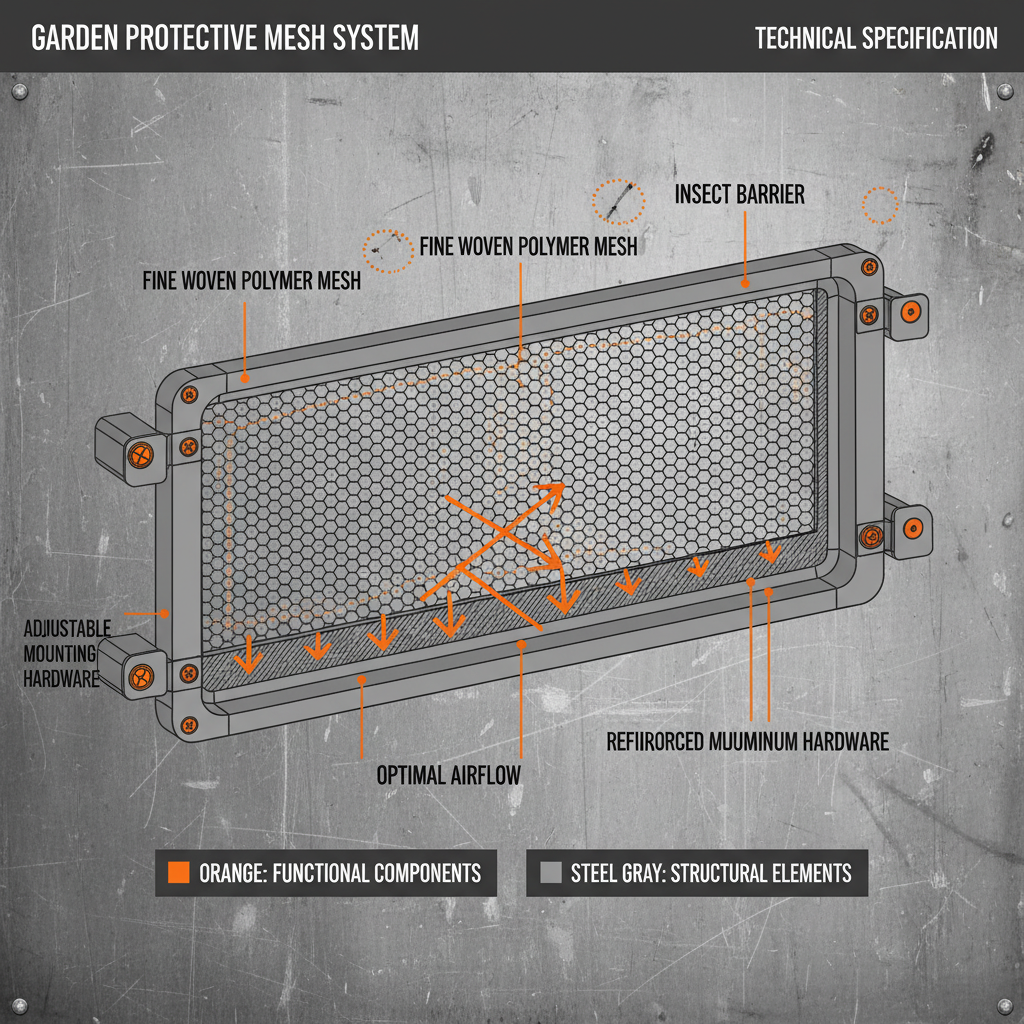
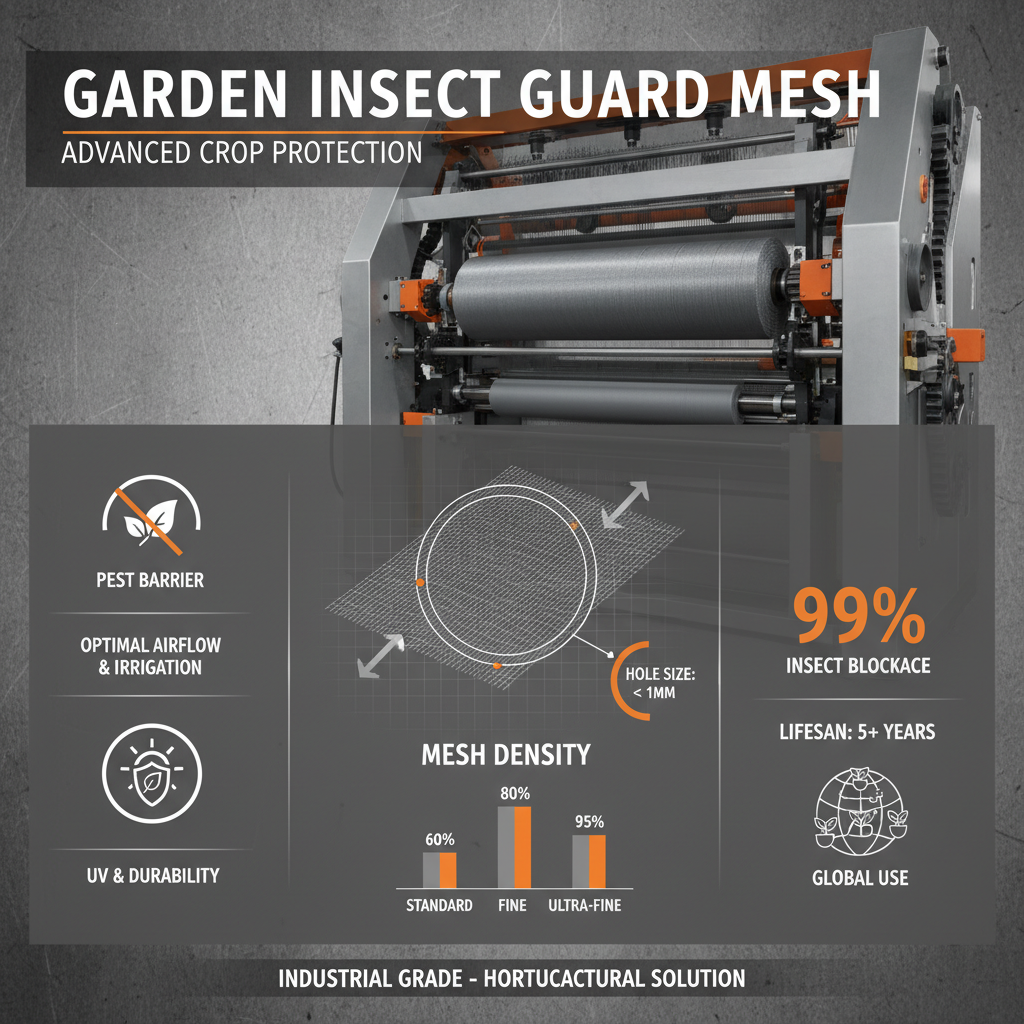
Mesh Density: This is arguably the most critical factor. The pore size of the mesh determines which insects can be excluded. Different crops and regions require different levels of protection, so selecting the appropriate mesh density is crucial.
Material Durability: Insect proof mesh for garden is exposed to harsh environmental conditions – UV radiation, rain, wind. High-quality materials like HDPE and polypropylene offer excellent resistance to degradation, ensuring a longer lifespan and reducing the need for frequent replacement.
UV Stabilization: Prolonged exposure to ultraviolet (UV) radiation can cause the mesh to become brittle and lose its effectiveness. UV-stabilized mesh contains additives that protect the material from degradation, extending its lifespan significantly, especially in sunny climates.
Tensile Strength: The mesh must be strong enough to withstand wind and physical stress without tearing or breaking. Higher tensile strength ensures that the barrier remains intact, providing continuous protection.
Air Permeability: While the mesh needs to be dense enough to exclude insects, it also needs to allow for adequate air circulation. Good air permeability prevents the build-up of humidity, reducing the risk of fungal diseases and promoting healthy plant growth.
Global Applications & Use Cases
Insect proof mesh for garden is widely used in greenhouse horticulture globally, from large-scale commercial operations in the Netherlands and Spain to smaller, family-run farms in the United States and Japan. In these settings, the mesh creates a protected environment for growing a wide range of crops, including tomatoes, cucumbers, peppers, and strawberries.
Beyond greenhouses, insect proof mesh for garden is increasingly used in open-field agriculture, particularly for protecting high-value crops like berries, grapes, and stone fruits. In regions with high pest pressure, such as parts of Africa and South America, the mesh provides a cost-effective and sustainable solution for improving crop yields and reducing reliance on pesticides.
In post-disaster relief operations, insect proof mesh for garden can be used to create temporary shelters that protect vulnerable populations from insect-borne diseases, offering a safe and hygienic environment during emergencies. Furthermore, in remote industrial zones where insect-borne illnesses are prevalent, mesh is used in worker housing and food storage facilities.
Insect Proof Mesh for Garden Application Effectiveness
Advantages & Long-Term Value
The advantages of using insect proof mesh for garden extend far beyond simple pest control. Cost savings are significant, as reduced pesticide use translates to lower input costs and minimized environmental remediation expenses. The mesh also offers a long-term sustainable solution, contributing to healthier ecosystems and promoting biodiversity.
From a social impact perspective, insect proof mesh for garden empowers growers to produce safe, healthy food for their communities. It enhances food security, particularly in regions vulnerable to crop losses from insect infestations. The improved yields and reduced chemical exposure also contribute to the well-being of farmers and their families.
Future Trends & Innovations
Ongoing research is focused on developing insect proof mesh for garden with enhanced properties, such as increased UV resistance, improved tensile strength, and even antimicrobial coatings. The integration of nanotechnology into mesh production holds promise for creating even finer pore sizes and offering broader spectrum pest control.
Smart mesh systems, incorporating sensors and data analytics, are also on the horizon. These systems could monitor insect activity, track mesh integrity, and provide real-time alerts to growers, optimizing protection and reducing maintenance requirements. The convergence of agricultural technology and material science will undoubtedly drive further innovations in this field.
Challenges & Solutions
One of the primary challenges associated with insect proof mesh for garden is the potential for damage from birds, hail, or strong winds. Regular inspection and maintenance are essential to ensure the integrity of the barrier. Using reinforced mesh or installing support structures can mitigate these risks.
Another challenge is the cost of installation, particularly for large-scale applications. However, the long-term cost savings from reduced pesticide use and increased yields often outweigh the initial investment. Furthermore, advancements in installation techniques and the availability of more affordable materials are helping to lower the barrier to entry.
Proper disposal of used mesh is also a concern. Developing biodegradable or recyclable mesh materials is a key area of research, addressing the environmental impact of end-of-life products. Exploring innovative recycling programs can also help to minimize waste.
Summary of Challenges and Solutions Related to Insect Proof Mesh for Garden
| Challenge |
Impact on insect proof mesh for garden |
Potential Solution |
Implementation Difficulty (1-10) |
| Physical Damage (Birds, Hail) |
Compromised barrier, insect entry |
Reinforced mesh, support structures |
4 |
| High Initial Installation Cost |
Limited adoption, especially for small farms |
Government subsidies, affordable materials |
6 |
| Mesh Degradation (UV Exposure) |
Reduced effectiveness, frequent replacement |
UV-stabilized materials, protective coatings |
5 |
| Limited Biodegradability |
Environmental waste, landfill burden |
Biodegradable mesh materials, recycling programs |
7 |
| Proper Installation Complexity |
Gaps and leaks compromise effectiveness |
Professional installation services, detailed guides |
3 |
| Maintenance Requirements |
Ongoing labor costs, potential for neglect |
Durable materials, automated inspection systems |
5 |
FAQS
The lifespan of insect proof mesh for garden typically ranges from 3 to 10 years, depending on the material quality, UV exposure, and environmental conditions. Higher-quality HDPE mesh with UV stabilization generally lasts longer. Warranties vary by manufacturer, often ranging from 1 to 5 years, covering defects in material and workmanship. It’s crucial to review the warranty terms before purchase to understand the coverage and limitations. Regular inspections and proper maintenance can further extend the mesh's lifespan.
Determining the correct mesh size requires identifying the target pests in your area. Smaller pests, such as thrips and spider mites, require finer mesh with smaller pore sizes (e.g., 80-100 mesh). Larger pests, like cabbage loopers and caterpillars, can be excluded with coarser mesh (e.g., 50-60 mesh). Consulting with local agricultural extension agents or pest control specialists can provide valuable insights into the prevalent pests and recommended mesh sizes for your region.
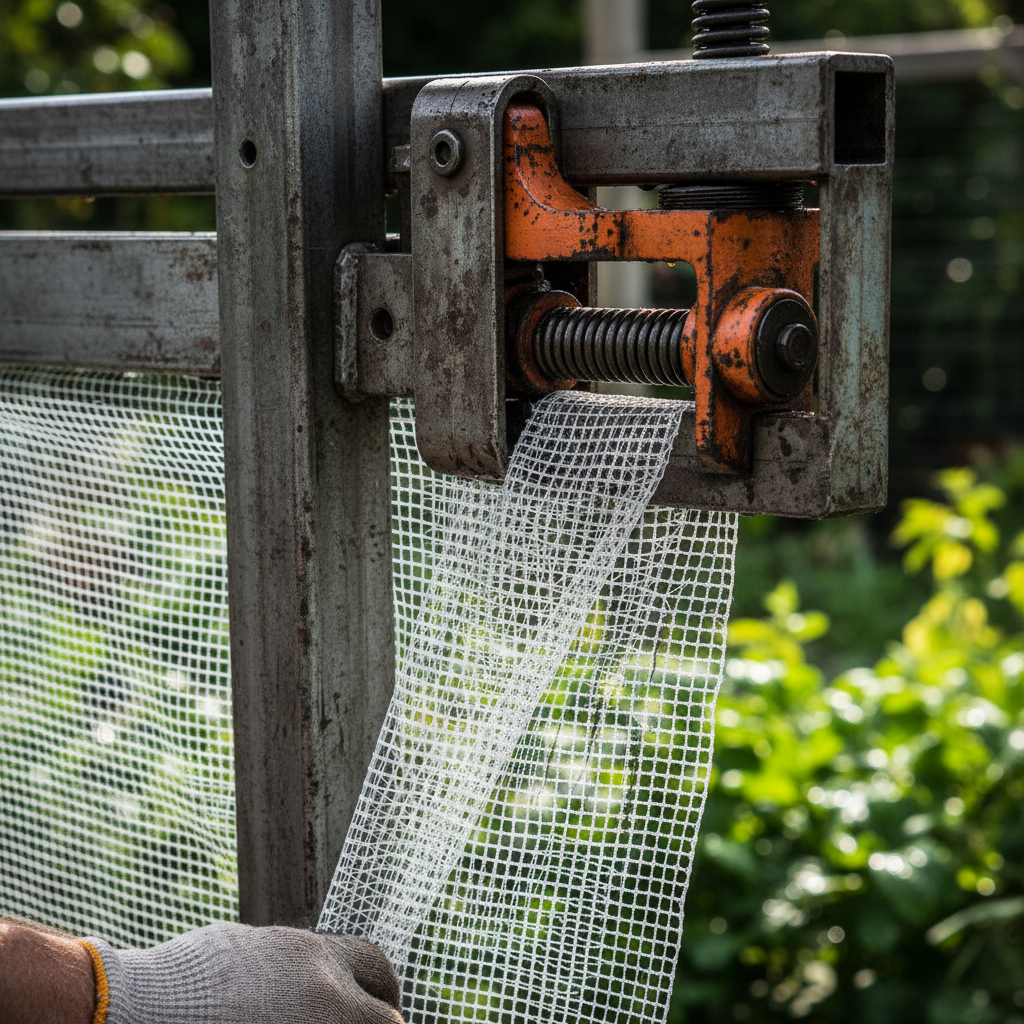
In many cases, insect proof mesh for garden is compatible with existing greenhouse structures, but modifications may be necessary. The mesh can be attached to greenhouse frames using clips, fasteners, or Velcro straps. It’s essential to ensure a tight fit to prevent gaps where insects can enter. For structures without existing attachment points, additional framing or support may be required. Consider the greenhouse's size and design when planning the installation.
Proper installation is critical for maximizing effectiveness. Ensure the mesh is taut and securely attached to the structure, leaving no gaps. Regularly inspect the mesh for tears, holes, or damage, and repair any issues promptly. Clean the mesh periodically to remove dust, debris, and algae, which can reduce light transmission. Avoid using harsh chemicals or abrasive cleaners that could damage the material.
Yes, insect proof mesh for garden is a highly environmentally friendly pest control option. It provides a physical barrier without the use of harmful pesticides, reducing the risk of chemical contamination and protecting beneficial insects and pollinators. By promoting sustainable agricultural practices, the mesh contributes to healthier ecosystems and reduces the environmental impact of food production. Selecting recyclable or biodegradable mesh materials further enhances its environmental benefits.
While the initial investment in insect proof mesh for garden may be higher than some traditional pest control methods, it often proves more cost-effective in the long run. The mesh eliminates the ongoing expense of pesticides, reduces crop losses, and minimizes the need for labor-intensive pest control activities. The lifespan of high-quality mesh can span several years, providing a substantial return on investment. Consider both the initial costs and long-term savings when evaluating the economic benefits.
Conclusion
Insect proof mesh for garden represents a significant advancement in sustainable pest management, offering a non-toxic, cost-effective, and environmentally friendly solution for protecting crops and gardens. Its ability to reduce pesticide reliance, enhance food security, and promote healthier ecosystems makes it an invaluable tool for growers, homeowners, and agricultural professionals worldwide. From its core components of mesh density and material durability to its diverse applications in greenhouses and open-field agriculture, understanding this technology is crucial in the face of growing environmental challenges.
Looking ahead, continued innovation in materials, installation techniques, and smart mesh systems will further enhance the effectiveness and accessibility of insect proof mesh for garden. By embracing these advancements and promoting responsible practices, we can harness the power of this technology to create a more sustainable and resilient food system for future generations. Visit our website at www.yjwiremesh.com to learn more about our range of insect proof mesh solutions and how they can benefit your growing needs.