Durable Nets to Protect Plants | Reliable Agricultural Netting Solutions
Nets to Protect Plants: The Unsung Heroes of Agricultural Success
Having spent over a decade in the industrial equipment sector, I've seen how sometimes the simplest solutions bring the biggest returns. Plant protection nets are one of those things. You probably don’t give them much thought until you’re staring down an entire orchard or greenhouse that’s been ravaged by pests or extreme weather. Oddly enough, the humble protective net can make or break a season.
These nets function as a frontline defense—not just against pesky birds or insects, but also harsh sunlight and hail. It feels like they quietly support entire ecosystems, allowing crops to flourish with less chemical intervention and fewer losses. I remember visiting a vineyard in California where the grower swore by his nets; he said they saved him so much from unexpected hailstorms that the investment paid for itself within two seasons. That stuck with me.
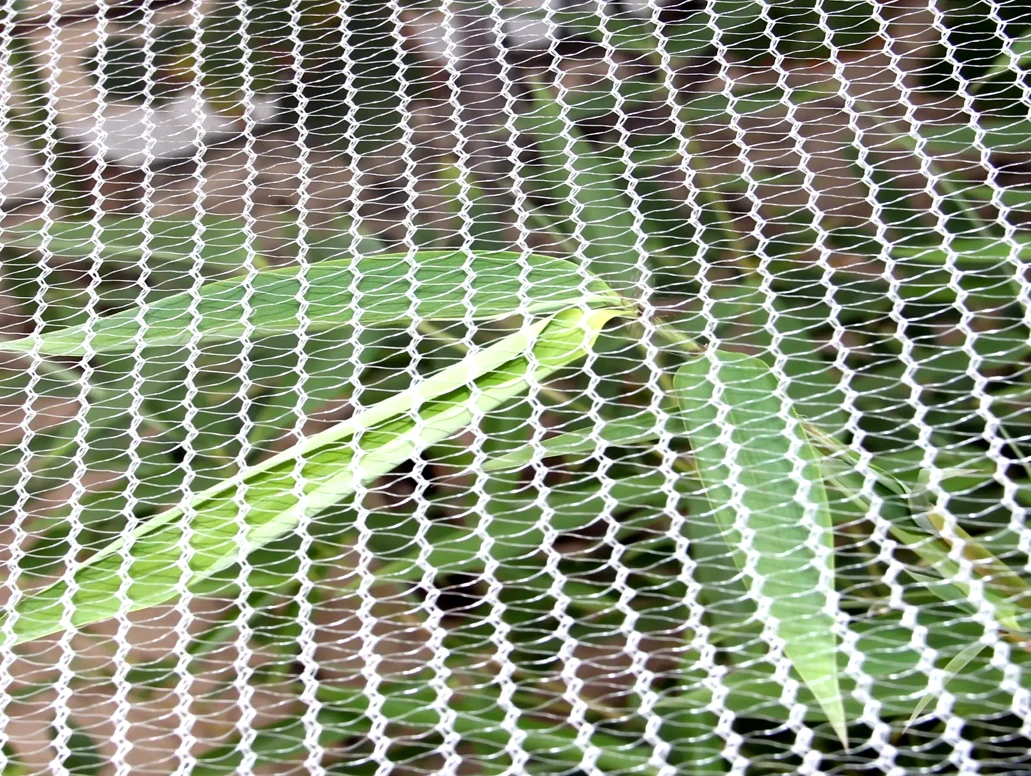
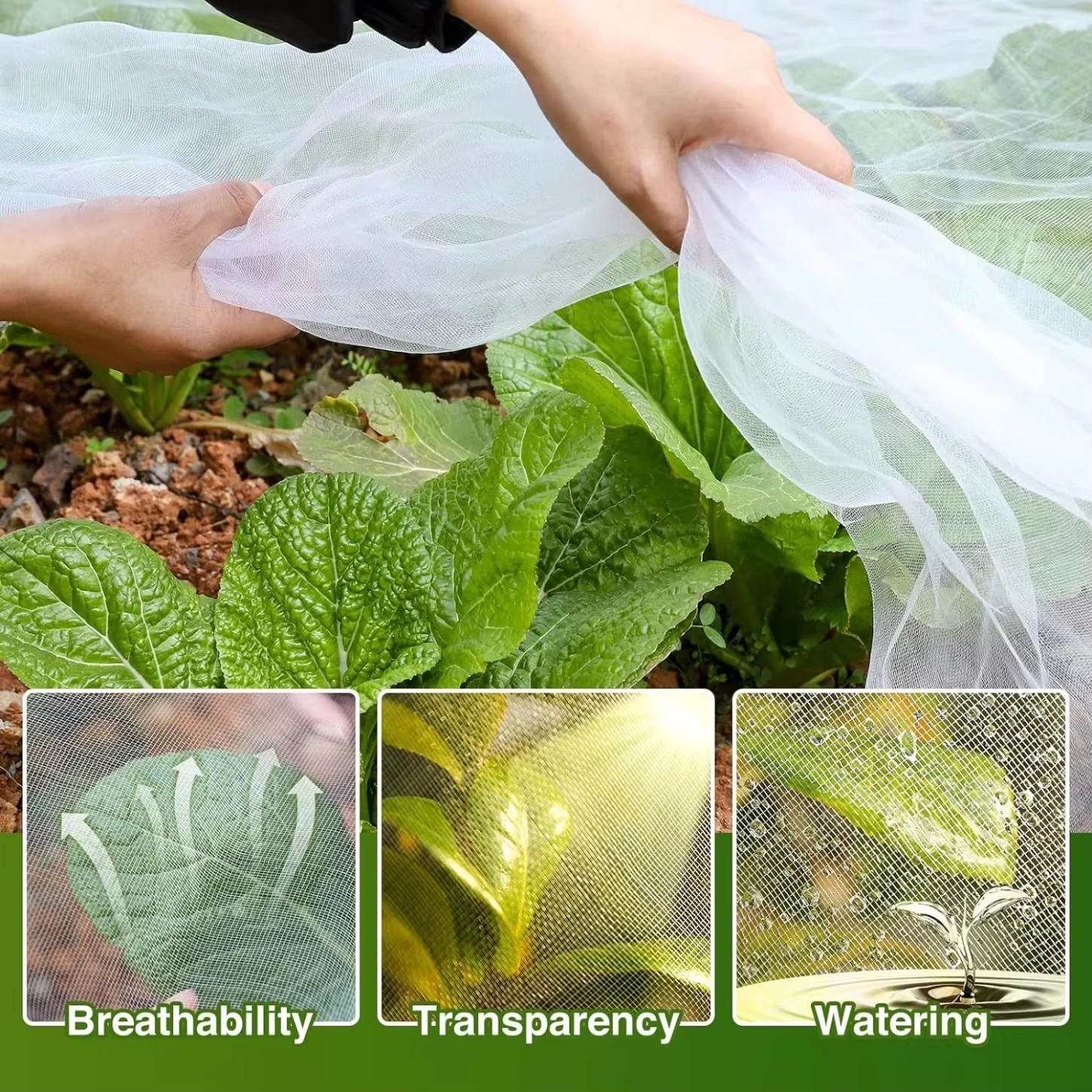
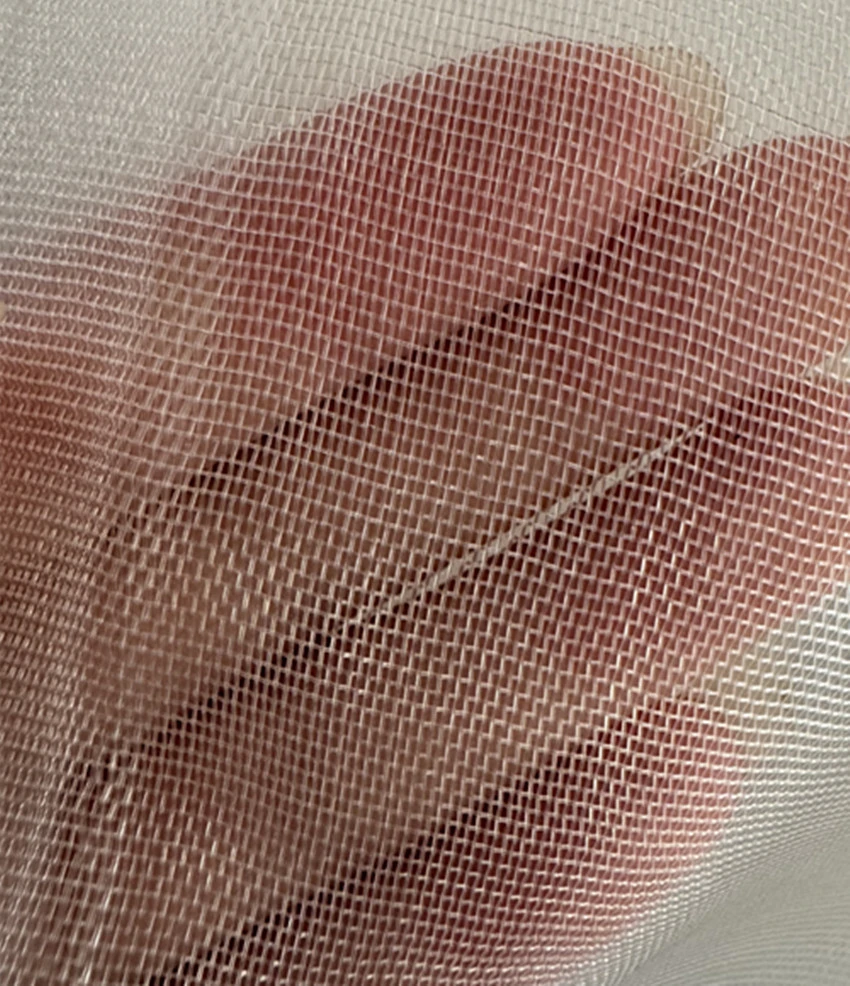
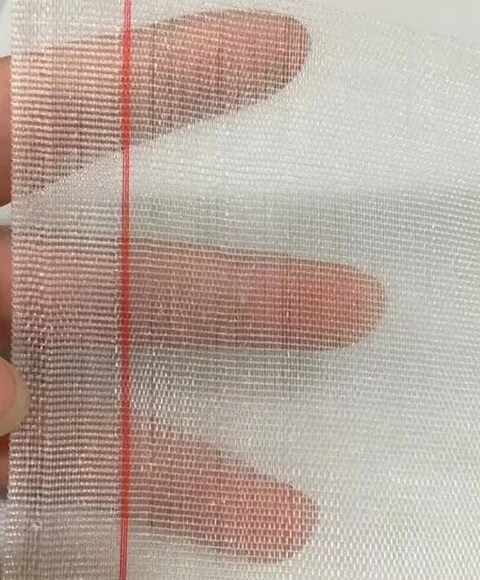
What makes these nets truly effective is their design and material composition. Most are made from high-density polyethylene (HDPE) or UV-stabilized polypropylene, which means they can last several years in the toughest conditions. The mesh size can be customized to block out specific insects or birds without impacting airflow and light penetration—both essential for healthy plant growth. Many engineers I've talked to emphasize the importance of that balance; too dense a net, and you risk suffocating your plants, too loose, and you invite trouble.
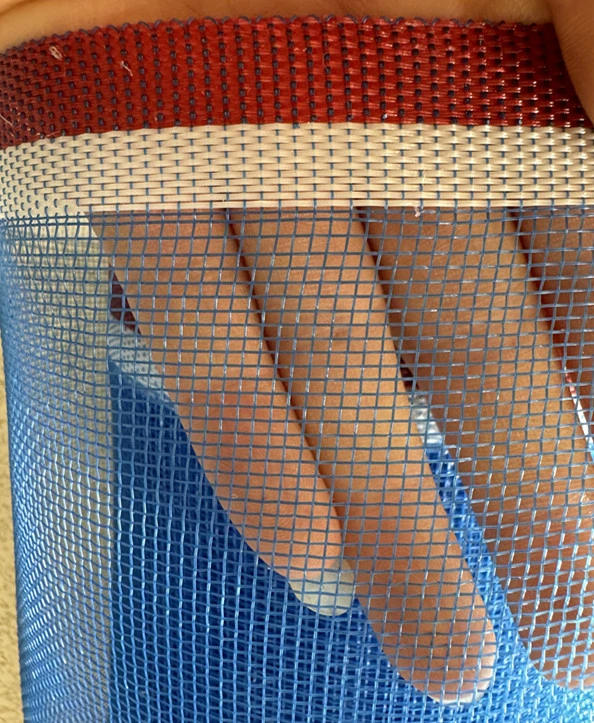
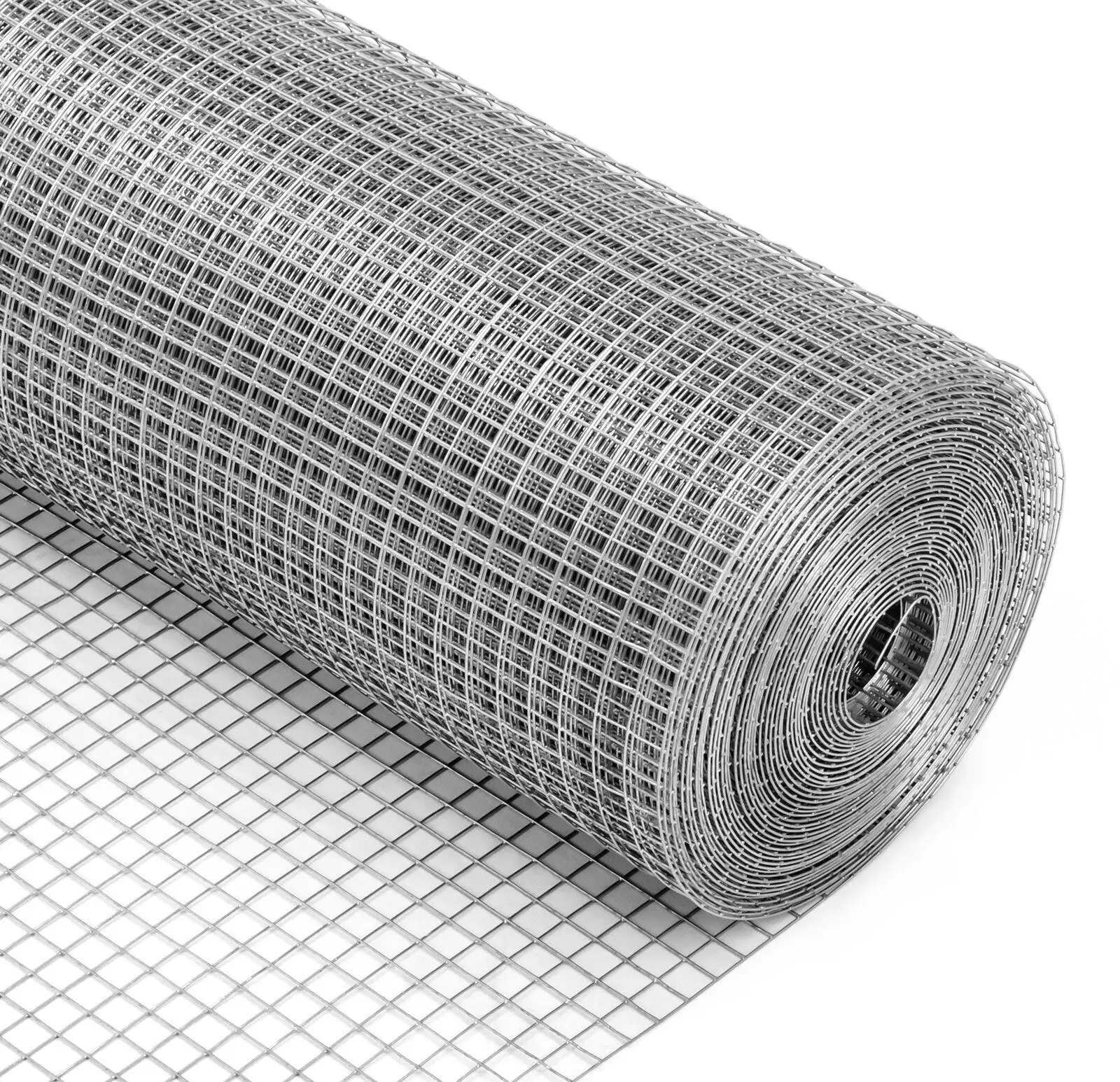
Protective nets for plants come in various formats—flat rolls, pre-cut covers, or even modular netting systems that can be mounted quickly over structures. Customization is king here because every crop and climate demands something a little different. For example, grape growers may want fine mesh to combat tiny fruit flies, while apple orchards might prioritize hail resistance and bird exclusion.
When selecting the right net, durability is a big factor. It’s not unusual to encounter nets that degrade after a single season in the sun, which frankly is a waste of time and money. That’s why UV resistance and tensile strength should be on your checklist. Some suppliers even offer anti-mildew or flame-retardant options depending on local regulations or specific risks.
| Specification | Details |
|---|---|
| Material | UV-Stabilized HDPE or Polypropylene |
| Mesh Size | From 0.5mm (insect proof) to 10mm (bird/hail protection) |
| Color Options | Green, Black, White, Custom |
| Roll Sizes | 2m to 6m wide, lengths up to 100m |
| UV Resistance | 5-7 years (industry standard) |
Of course, with so many vendors supplying protective nets, it pays to compare specs and customer service. I put together a quick vendor comparison based on reliability, customization options, and pricing—things that in real terms can save your project. Smaller growers often tell me they appreciate vendors who provide technical support and sampling, as it alleviates upfront risks.
| Vendor | Customization | Price Range (per m²) | Lead Time | Customer Support |
|---|---|---|---|---|
| YJ Wire Mesh | High (mesh size, color, UV grade) | $0.60 - $1.50 | 2-3 weeks | 24/7 technical support |
| AgriNet Co. | Medium (mostly standard sizes) | $0.50 - $1.20 | 3-4 weeks | Business hours support |
| GreenShield Supplies | Low (pre-fabricated options only) | $0.75 - $1.30 | 1-2 weeks | Email only |
In sum, nets to protect plants are much more than a simple add-on; they are part of a smart, sustainable farming approach. You can reduce pesticide use, improve yields, and shield your crops from unpredictable weather—all of which feels way more important now given the global climate situation.
If you’re thinking about upgrading your protection, consider choosing a reliable supplier who offers customization and solid support. Frankly, I’ve found providers like YJ Wire Mesh to be particularly strong in these areas. They know this sector well and back their products with the kind of service that gives you real confidence.
I guess it all boils down to protecting your investment. Because at the end of the day, every plant protected is a step toward a better harvest.
— John M., Industrial Equipment Specialist & Long-time Agricultural Consultant
References:
1. Agricultural Protection Nets: Material Science & Field Use, Journal of AgroTech, 2021
2. Smith, J. & Lewis, M. “Eco-friendly Pest Control Strategies,” Farm Innovations Magazine, 2022
3. Personal interviews with equipment manufacturers and growers, 2019-2023
-
High Quality Anti Bird Agro Net for Professional Crop ProtectionNewsApr.16,2026
-
Guide to Bird Netting Cost Per Square Foot and Material OptionsNewsApr.09,2026
-
Comprehensive Guide to Bird Netting Cost Factors and Material ChoicesNewsApr.07,2026
-
Comprehensive Guide to Bird Net for Balcony Cost and Installation OptionsNewsApr.04,2026
-
Comprehensive Guide to Bird Netting Price and Effective Protection SolutionsNewsMar.31,2026
-
Comprehensive Guide to Nylon Bird Net Price Factors and OptionsNewsMar.28,2026