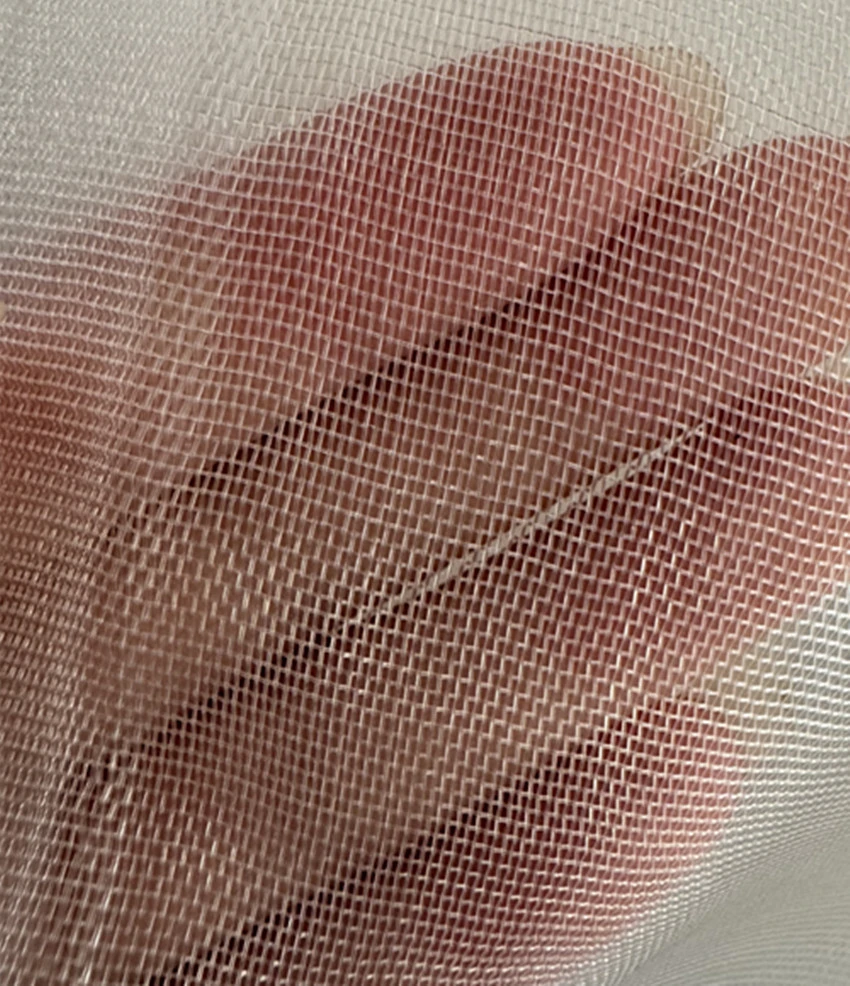
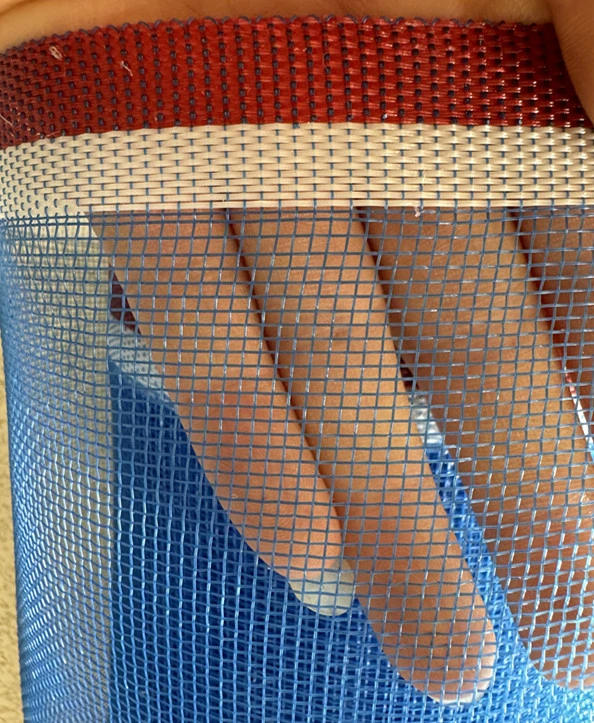
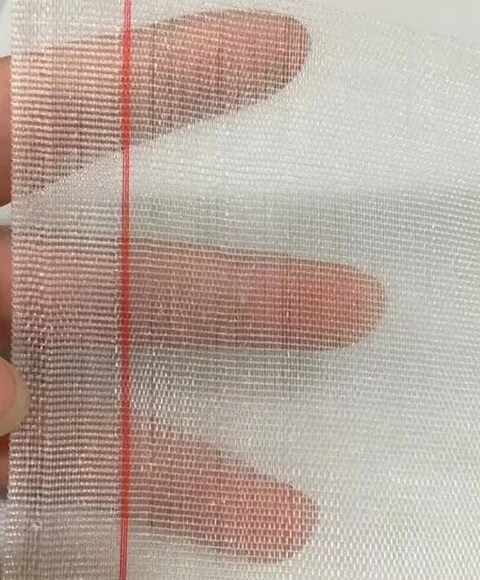
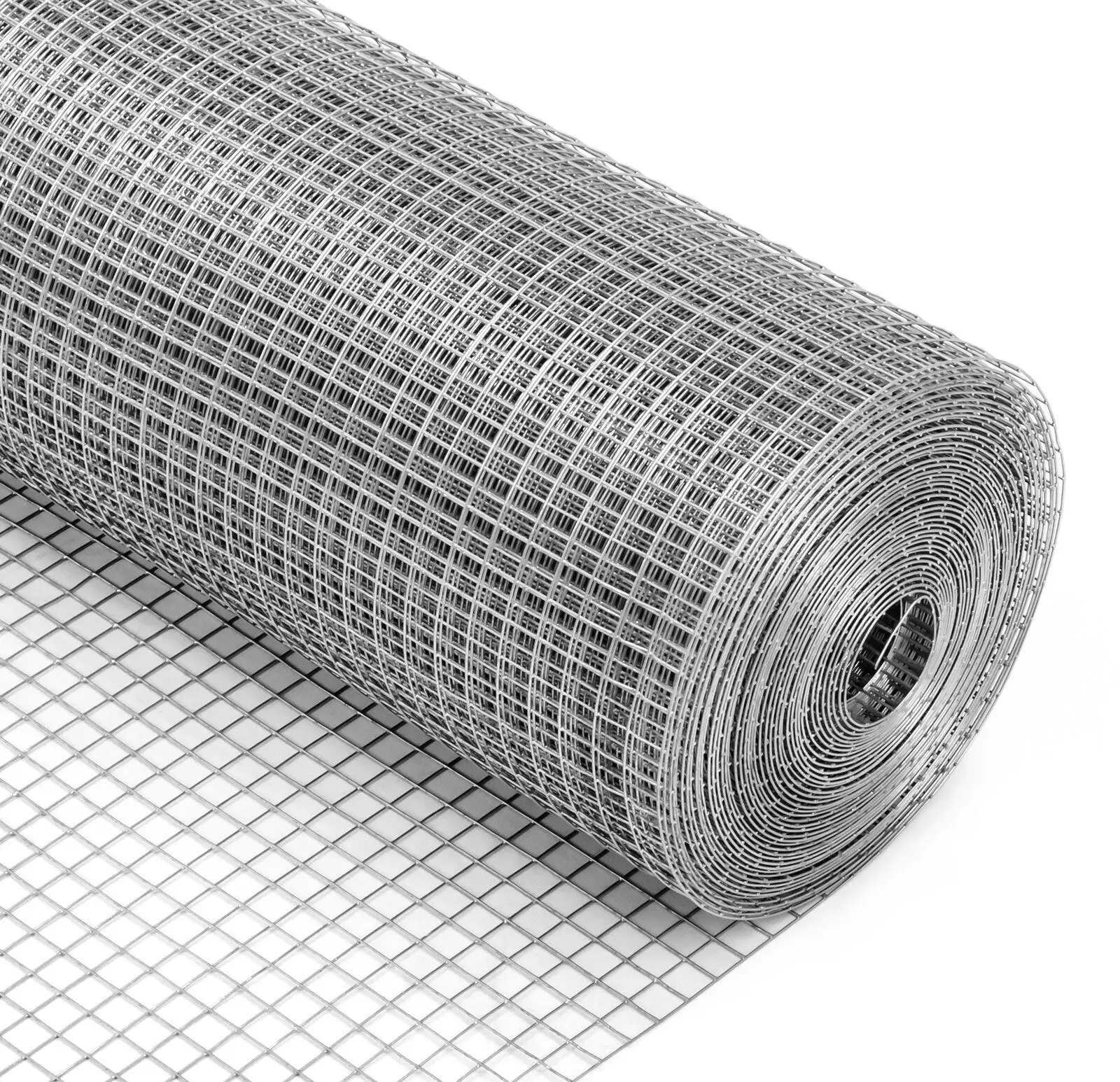
High Quality Anti Bird Agro Net for Professional Crop Protection
The Ultimate Guide to Anti Bird Agro Net for Crop Protection
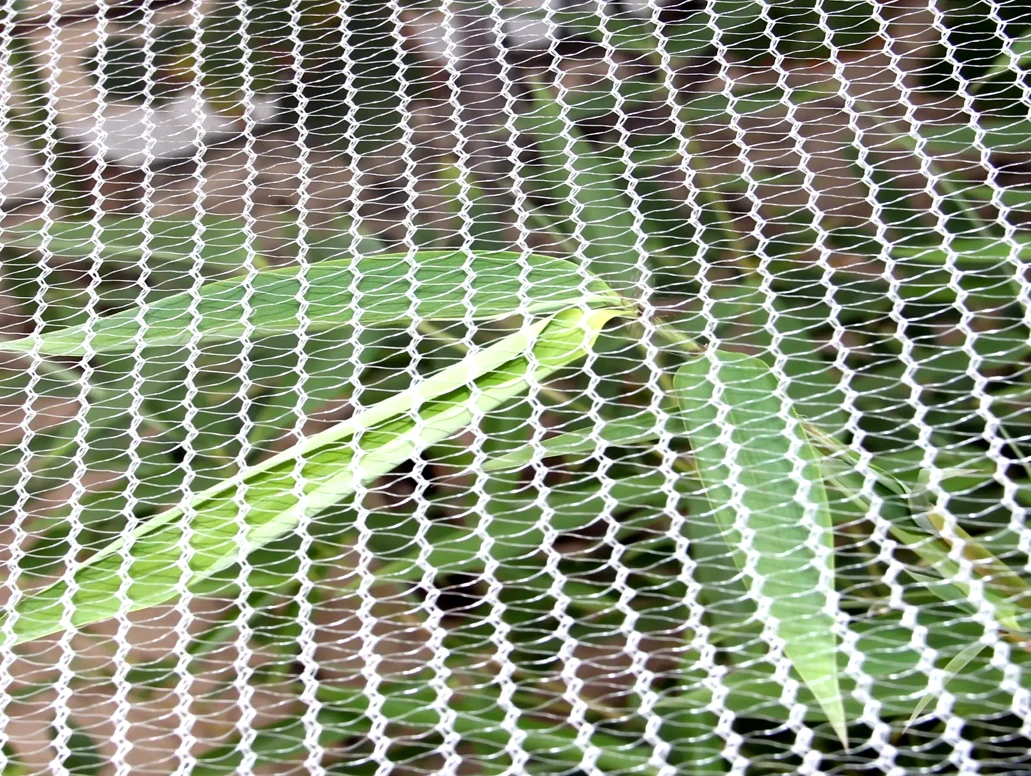
For farmers and commercial growers, protecting harvests from avian pests is a constant struggle. The use of a professional anti bird agro net provides a physical barrier that prevents birds from accessing crops, thereby reducing waste and increasing overall yield. Unlike chemical deterrents, these nets offer a sustainable, humane, and highly effective way to secure your agricultural investment. In this guide, we will explore how to choose the right netting, the technical specifications that matter, and why high-density materials are essential for long-term durability in harsh outdoor environments.
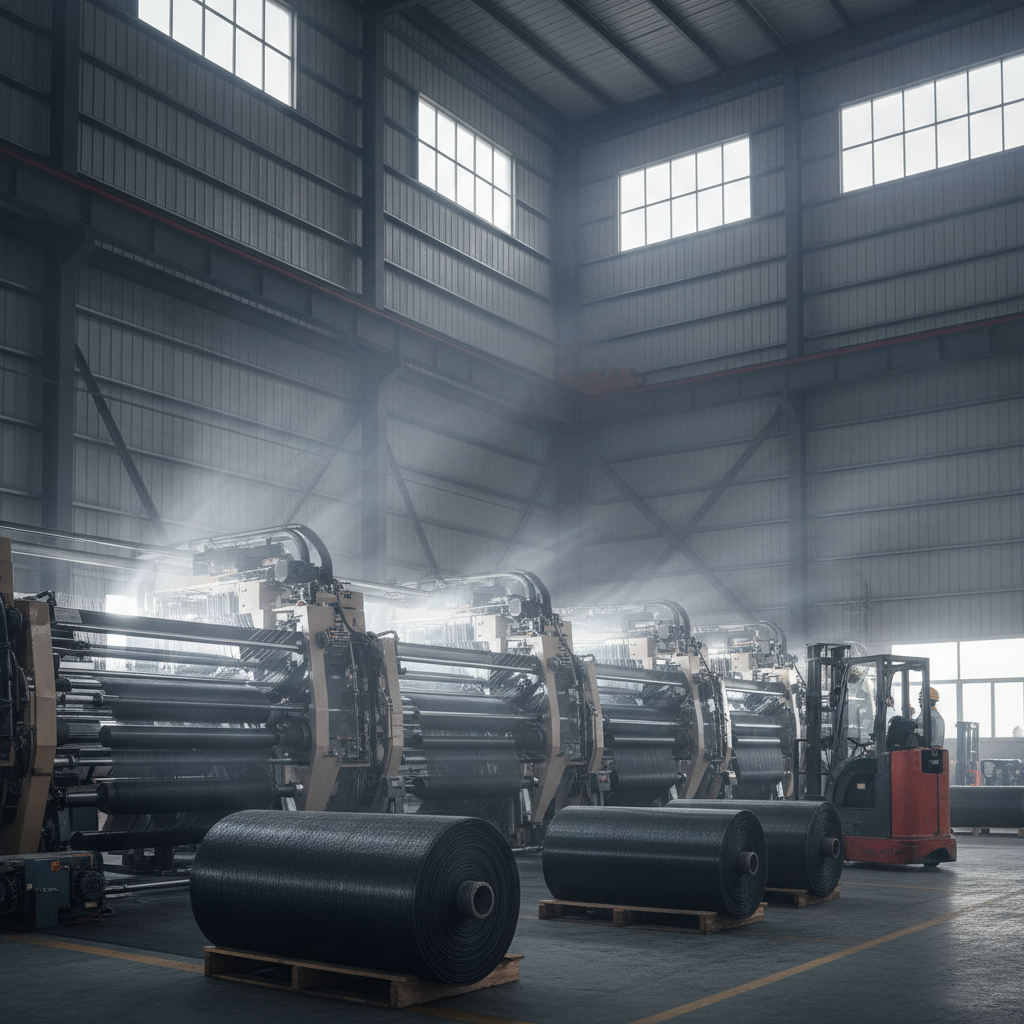
Why Invest in High-Quality Anti Bird Agro Net?
Not all agricultural nets are created equal. A premium anti bird agro net is specifically engineered to withstand UV radiation, heavy winds, and fluctuating temperatures. Cheap alternatives often degrade within a single season, leaving crops vulnerable. By investing in UV-stabilized polyethylene (HDPE), growers ensure that the mesh remains strong and flexible over several years. This protection is critical not only for preventing fruit loss but also for stopping birds from introducing pathogens into the planting area, ensuring a cleaner and healthier harvest.
Pro Tip: Always check for "UV-Stabilized" certifications. This ensures the net won't become brittle and break under intense summer sunlight, maintaining the structural integrity of your crop barrier.
Choosing the Right Mesh Size for Your Crops
The effectiveness of an anti bird agro net depends heavily on the mesh size. If the holes are too large, smaller birds can slip through; if they are too small, you may restrict airflow and sunlight, which can hinder plant growth. Typically, a mesh size between 15mm and 40mm is ideal for most fruit and vegetable crops. The goal is to create a visual and physical deterrent that prevents birds from landing while allowing the natural ecosystem—such as pollinators—to function effectively around the perimeter of the netted area.
Comparison: Agro Netting vs. Traditional Deterrents
When compared to scarecrows, sonic devices, or chemical repellents, the anti bird agro net is far more reliable. Birds quickly habituate to sounds and visual decoys, rendering them useless over time. Netting, however, provides a physical impossibility for the bird to reach the fruit. Below is a detailed comparison of the most common crop protection methods used in modern farming.
Installation Strategies for Maximum Protection
Installing your anti bird agro net correctly is just as important as the material itself. To avoid "gap leaks," the netting should be securely anchored to the ground or a perimeter fence. For taller orchards, a canopy-style installation is recommended, where the net is supported by poles and draped over the trees. This prevents birds from landing on top of the netting and pushing through. Ensuring a tight fit reduces the risk of birds becoming entangled, which is an essential consideration for ethical farming practices.
Technical Specifications of Professional Agro Nets
When sourcing from a professional supplier like YJ Wire Mesh, it is important to understand the technical parameters. The weight of the net (denier) determines its strength and tear resistance. Higher denier nets are suited for areas with high wind speeds or larger birds. The knotless design is often preferred for agriculture as it is less likely to snag on plant branches and is easier to install over large acreage.
Conclusion: Secure Your Harvest Today
Protecting your crops from avian pests is not just about reducing loss; it's about optimizing your entire agricultural operation. An anti bird agro net provides the most reliable, sustainable, and cost-effective solution available on the market today. By choosing high-density, UV-stabilized materials and implementing a precise installation strategy, you can ensure a bountiful harvest year after year. Invest in quality netting today to safeguard your hard work and maximize your productivity.
Frequently Asked Questions (FAQs)
Does the anti bird agro net block sunlight and rain?
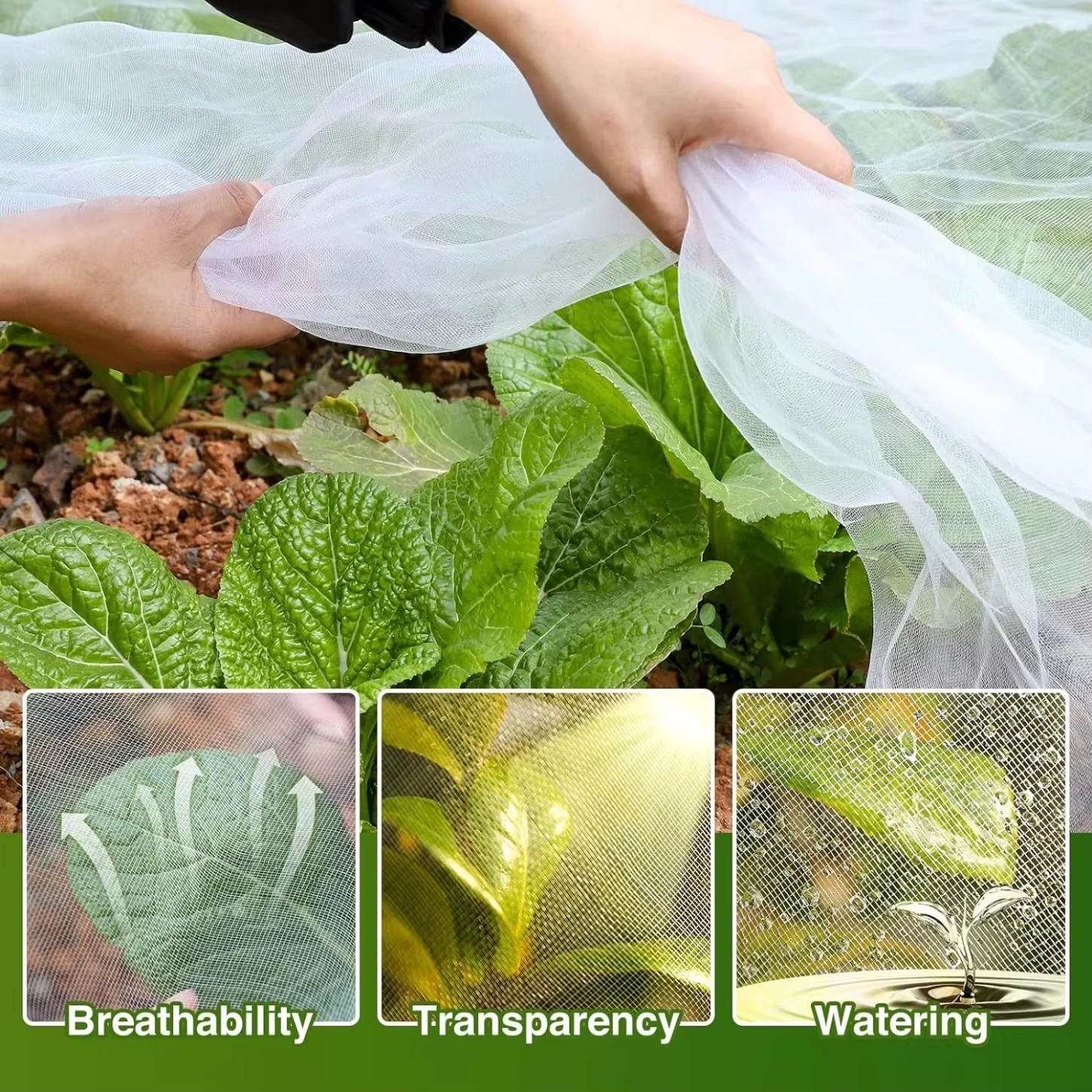
No, professional agricultural netting is designed specifically to be "breathable." The mesh structure allows sunlight to pass through and rainwater to penetrate, ensuring that your plants continue to receive the necessary nutrients and hydration. While some specialized shade nets exist, the standard anti bird agro net is engineered to have a minimal impact on the biological needs of the crop while providing a maximum barrier against pests.
How do I determine which mesh size is right for my specific bird problem?
The choice depends on the size of the birds targeting your crops. For small birds like sparrows or finches, a 15mm to 20mm mesh is usually sufficient. For medium to larger birds like pigeons, crows, or starlings, a 25mm to 40mm mesh is ideal. The key is to choose a size that is smaller than the bird's body but large enough to avoid excessive weight and wind resistance. If you are unsure, consulting with a specialist at YJ Wire Mesh can help you match the net to your local avian population.
Is HDPE netting better than nylon for agricultural use?
For long-term outdoor agricultural use, HDPE (High-Density Polyethylene) is generally superior to nylon. HDPE is naturally more resistant to UV degradation and does not absorb water, meaning it won't sag or rot when exposed to heavy rain and humidity. While nylon is very strong, it tends to stretch more and degrade faster under intense sunlight unless treated with expensive coatings. Therefore, for an anti bird agro net intended for several seasons of use, HDPE is the industry standard for durability.
Can I reuse the netting every year?
Yes, high-quality UV-stabilized nets are designed for multi-year use. To maximize the lifespan, it is recommended to carefully remove the netting at the end of the harvest season, clean it of debris, and store it in a cool, dry place away from direct sunlight. This prevents unnecessary wear and tear during the off-season. If you use professional-grade materials from YJ Wire Mesh, you can expect your netting to remain effective for many years.
-
Guide to Bird Netting Cost Per Square Foot and Material OptionsNewsApr.09,2026
-
Comprehensive Guide to Bird Netting Cost Factors and Material ChoicesNewsApr.07,2026
-
Comprehensive Guide to Bird Net for Balcony Cost and Installation OptionsNewsApr.04,2026
-
Comprehensive Guide to Bird Netting Price and Effective Protection SolutionsNewsMar.31,2026
-
Comprehensive Guide to Nylon Bird Net Price Factors and OptionsNewsMar.28,2026