Advanced Crop Protection Solutions with anti hail net in Argentina

High-performance mesh engineering designed to safeguard Argentine agriculture against extreme weather and pest pressures.

Current State of Mesh Manufacturing for Argentina's Agrarian Sector

Analyzing the intersection of extreme weather patterns and industrial mesh demand.

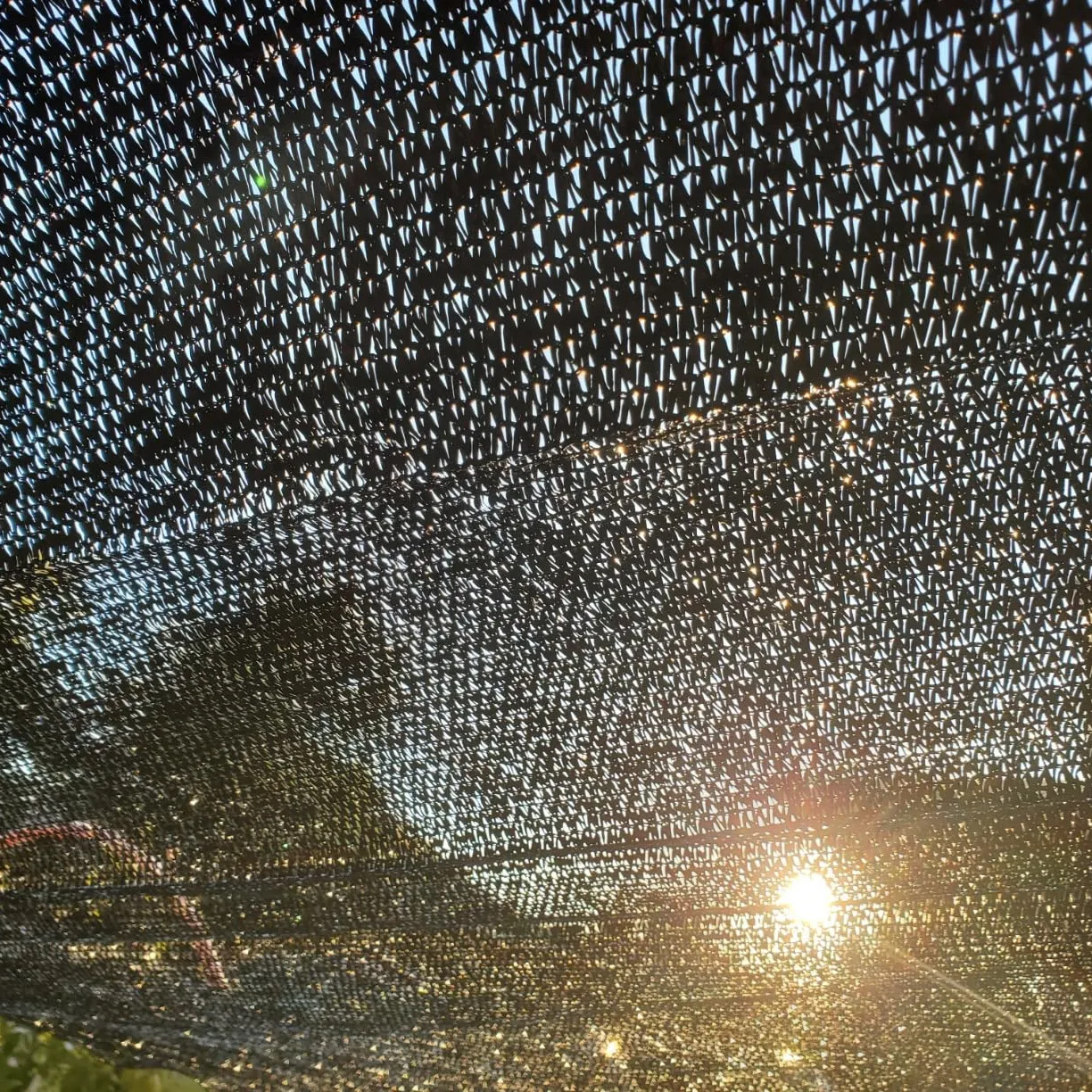
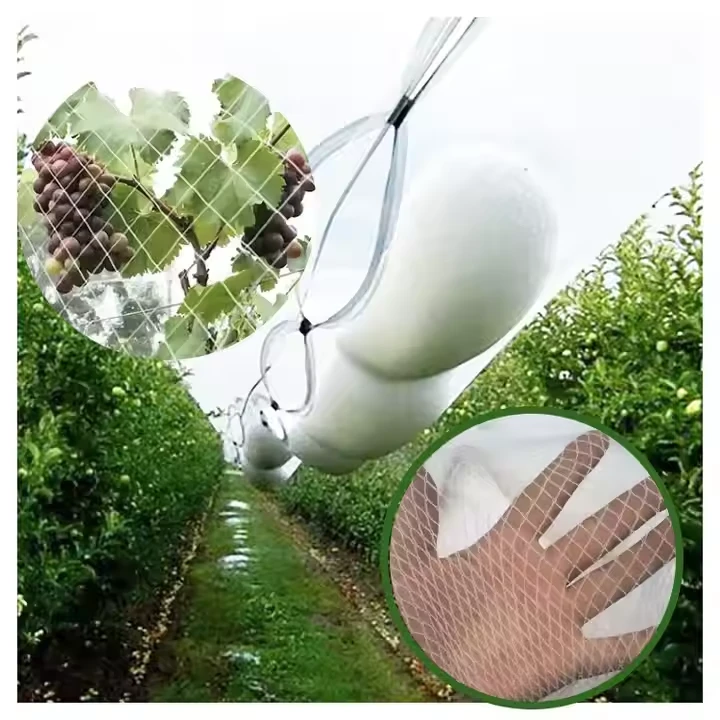
Argentina's agricultural landscape is characterized by high volatility, particularly in the wine-growing regions of Mendoza, where sudden hail storms can devastate entire harvests. This has created a critical dependency on high-density anti hail net systems that can withstand high-velocity impact while maintaining optimal airflow.

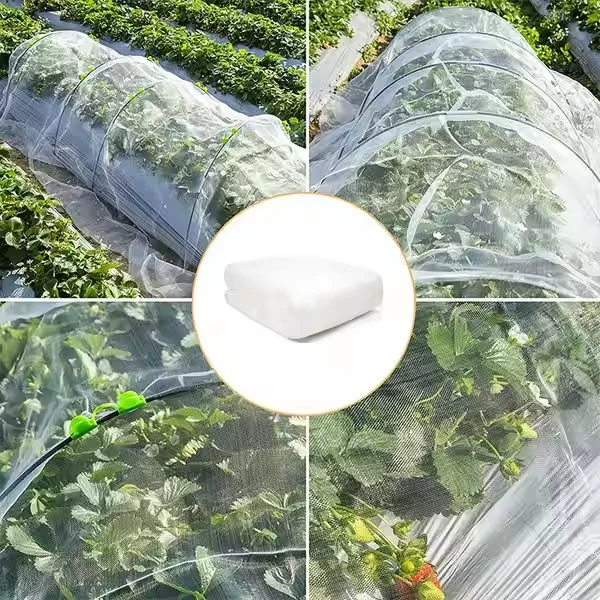
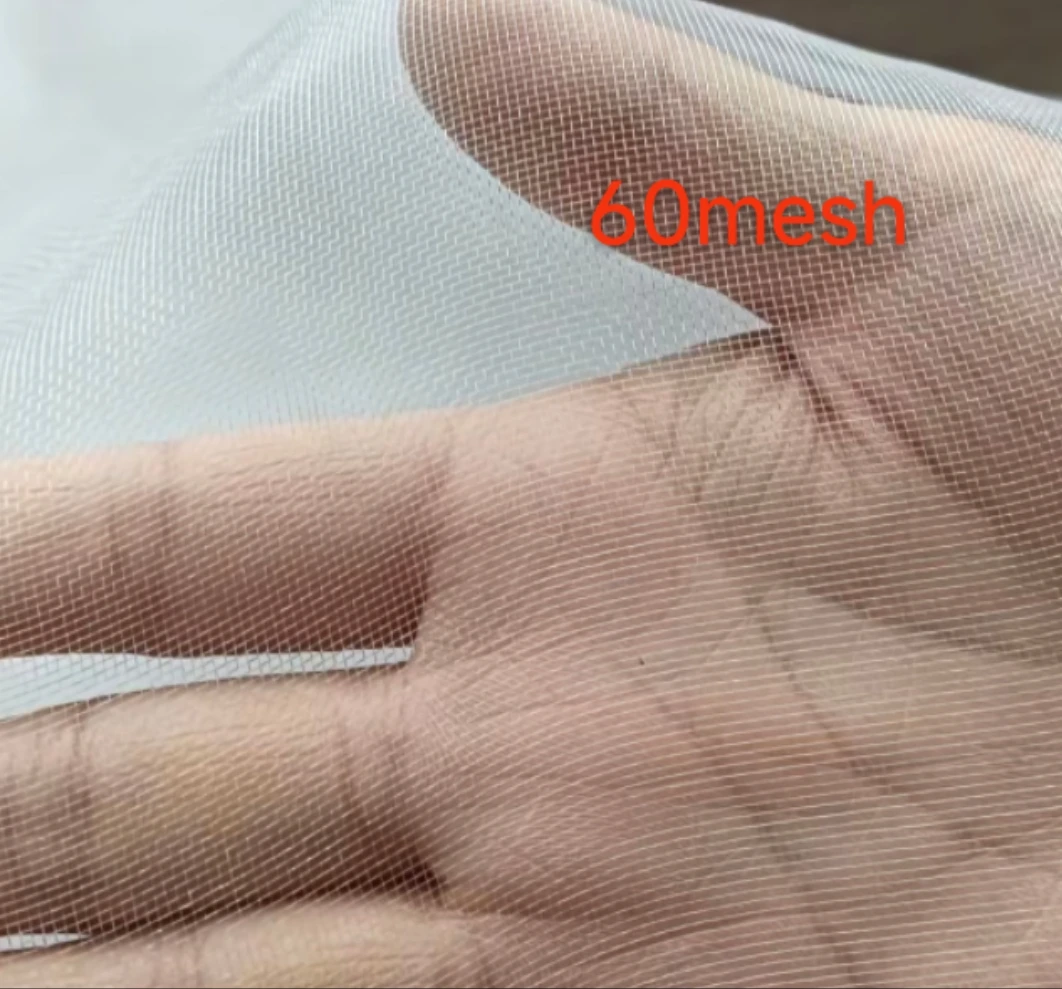
In the humid Pampas, the challenge shifts toward pest management. The increasing prevalence of invasive insects has pushed farmers to transition from chemical-heavy approaches to physical barriers, significantly increasing the adoption of insect proof mesh to protect soy and maize crops.

Furthermore, the industrial sector in Argentina is currently upgrading its infrastructure. The demand for safety mesh has grown alongside stricter occupational health and safety regulations in construction and mining sites across the provinces.

Evolution and Trajectory of Mesh Technology

From basic weaving to UV-stabilized polymer engineering.

Market Development History

In the early 2000s, the Argentine market relied heavily on basic nylon mesh, which offered strength but suffered from rapid degradation under the intense South American UV radiation.

Between 2010 and 2020, a technical pivot occurred toward HDPE (High-Density Polyethylene) extrusion. This era saw the introduction of specialized agricultural net solutions that integrated UV stabilizers directly into the polymer matrix, extending the service life from 2 years to over 8 years.

By 2023, the integration of "Smart Mesh" began, featuring precision-engineered pore sizes tailored to specific insect species, moving the industry from general protection to targeted biological exclusion.

Future Development Trends

Biodegradable Polymer Integration

Shift toward eco-friendly materials that reduce the plastic footprint in Argentine soil while maintaining structural integrity during the growing season.

Nano-Coating for Enhanced Durability

Implementation of hydrophobic and anti-fungal nano-coatings to prevent mold growth in humid regions, reducing the weight of the mesh when wet.

AI-Driven Mesh Density Mapping

Utilizing satellite data to determine the exact shade and density requirements for specific plots, optimizing sunlight filtration for maximum yield.

Industry Trends and Future Outlook

Strategic projections for the next 3-5 years in the metal and polymer mesh sector.

Climate-Adaptive Engineering
Developing nets that adjust porosity based on temperature to regulate crop micro-climates.
Circular Economy Integration
Implementing full-cycle recycling programs for worn-out industrial meshes in Argentina.
Automation in Installation
Development of mechanized deployment systems for large-scale agricultural netting.
Hybrid Material Fusion
Combining metal wire reinforcement with polymer flexibility for extreme-duty safety barriers.

Industry Outlook

Based on Google search trends in the Southern Cone, there is a rising query volume for "sustainable agriculture" and "pest-resistant mesh," indicating a shift toward biological protection over chemical interventions. We expect the demand for specialized agricultural net to grow by 12% annually.

The fusion of IoT sensors with mesh installations will likely become the new standard, allowing Argentine farmers to monitor tension and degradation in real-time, ensuring the longevity of their investments.

Localized Application Scenarios in Argentina

Practical implementations of high-performance mesh across diverse regional needs.

01. Viticulture Protection in Mendoza

Using heavy-duty anti hail net to protect high-value Malbec grapes from sudden Andean hail storms, ensuring crop stability and quality.

02. Greenhouse Pest Control in Tucumán

Installation of micro-pore insect proof mesh for citrus and lemon plantations to eliminate the need for excessive pesticides.

03. Livestock Containment in the Pampas

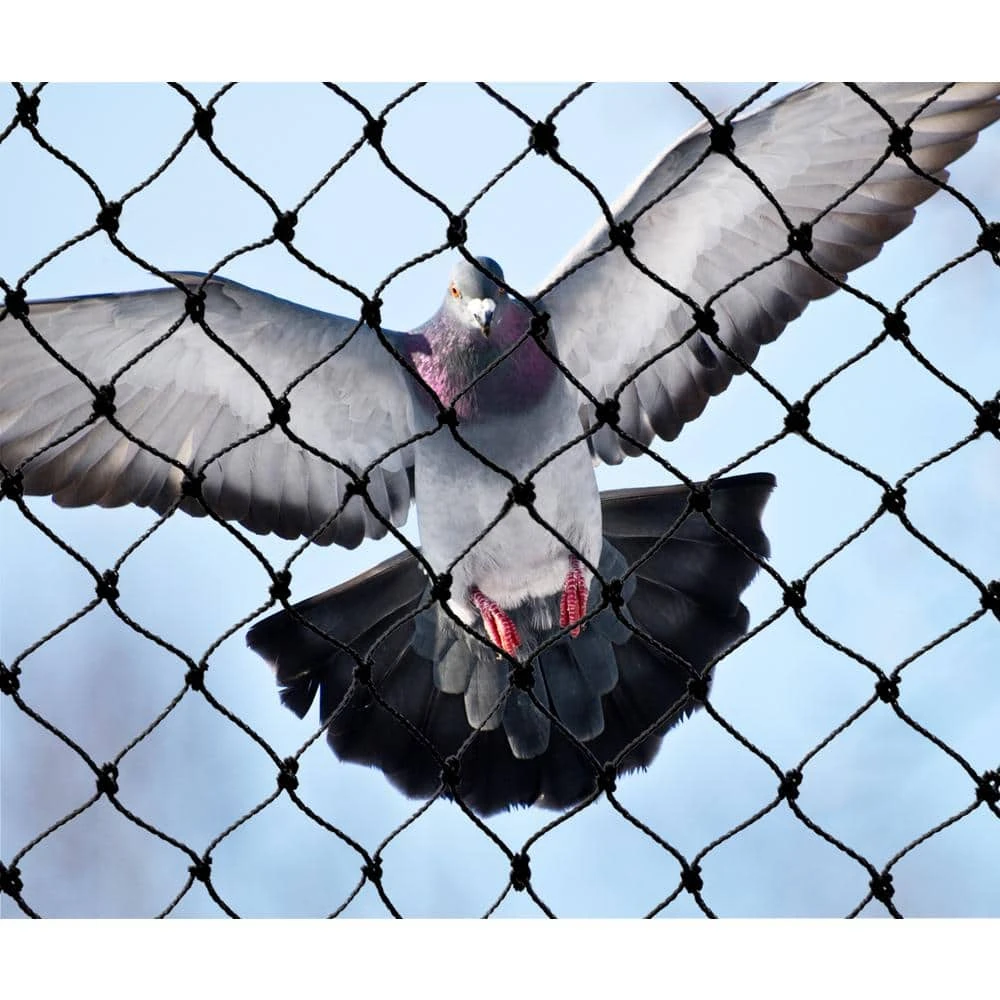
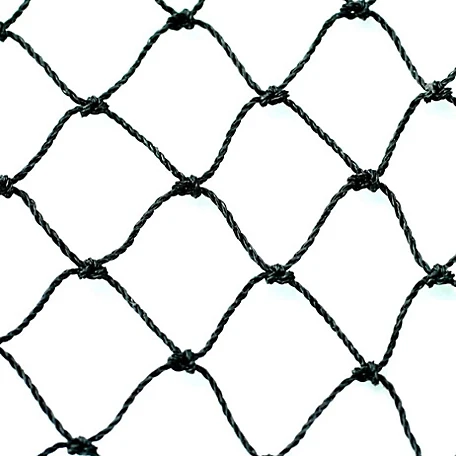
Deploying reinforced nylon mesh for temporary livestock partitioning and erosion control in cattle grazing lands.

04. Construction Safety in Buenos Aires

Implementing high-visibility safety mesh on urban high-rise project sites to prevent debris falls and ensure worker safety.

05. Organic Berry Farming in Patagonia

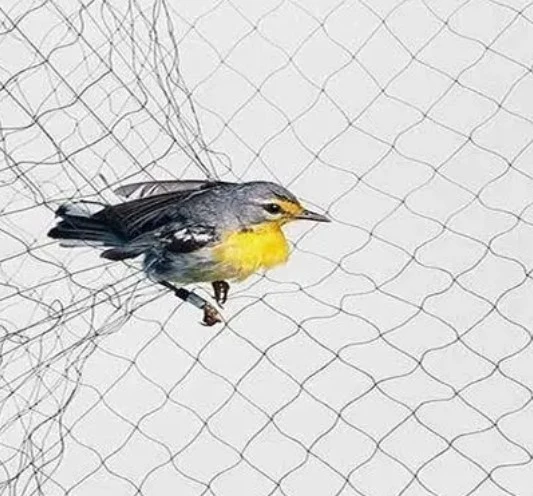
Utilizing specialized agricultural net to protect berries from wind burn and avian pests in the harsh southern climates.

Brand Story

Global Development Journey of Anping Yongju Metal Products Co., Ltd.

Industrial Roots

Established in the heart of China's wire mesh capital, focusing on the mastery of metal weaving and basic industrial screening.

Material Innovation

Expanding from traditional metals to high-performance polymers, solving the corrosion and weight issues for global agricultural clients.

Global Outreach

Strategically entering the South American market, adapting product specifications to meet the rigorous demands of Argentine farmers.

Quality Certification

Achieving international standards for UV resistance and tensile strength, ensuring our mesh survives the most extreme environments.

Sustainable Future

Committing to R&D in biodegradable polymers to lead the transition toward a greener, more sustainable mesh industry.

Frequently Asked Questions for Argentina

Technical insights and procurement advice for regional mesh applications.

What is the best anti hail net density for vineyards in Mendoza?

For the Mendoza region, we recommend a high-density mesh with a specific mesh size that balances hail energy absorption with sufficient light transmission to prevent grape shading.

How does UV stabilization affect the life of agricultural net in South America?

Our nets use advanced UV inhibitors that prevent the polymer chains from breaking under intense sunlight, ensuring the mesh remains flexible and strong for 5-10 years.

Can insect proof mesh be used for organic certification in Argentina?

Yes, our physical barriers are ideal for organic farming as they reduce or eliminate the need for chemical pesticides, helping farmers meet strict organic certification standards.

What is the tensile strength difference between nylon mesh and HDPE?

While nylon offers higher initial elasticity, HDPE provides superior long-term durability and UV resistance, making HDPE the preferred choice for permanent agricultural installations.

Which safety mesh is compliant with Argentine construction site regulations?

We provide reinforced safety mesh that meets international load-bearing standards, designed to withstand high impact and prevent debris fall in urban construction zones.

How to clean and maintain agricultural netting during the off-season?

We recommend gentle pressure washing to remove organic residue and inspecting the tension points to prevent sagging before the next growing season.

Secure Your Harvest Today

Expert mesh solutions delivered across Argentina. Contact our technical team for a customized quotation.

Contact Us Now
text

If you are interested in our products, you can choose to leave your information here, and we will be in touch with you shortly.