Comprehensive Guide to Bird Netting Cost Factors and Material Choices
Understanding Bird Netting Cost: A Comprehensive Guide
Protecting crops, gardens, and property from birds requires effective solutions, and bird netting is a widely used and reliable method. But what influences the bird netting cost? This article will delve into the factors affecting pricing, different types of netting available, and how to choose the most cost-effective solution for your needs. We’ll explore materials, mesh sizes, and installation considerations to provide a complete understanding of the investment involved.
Factors Influencing Bird Netting Cost
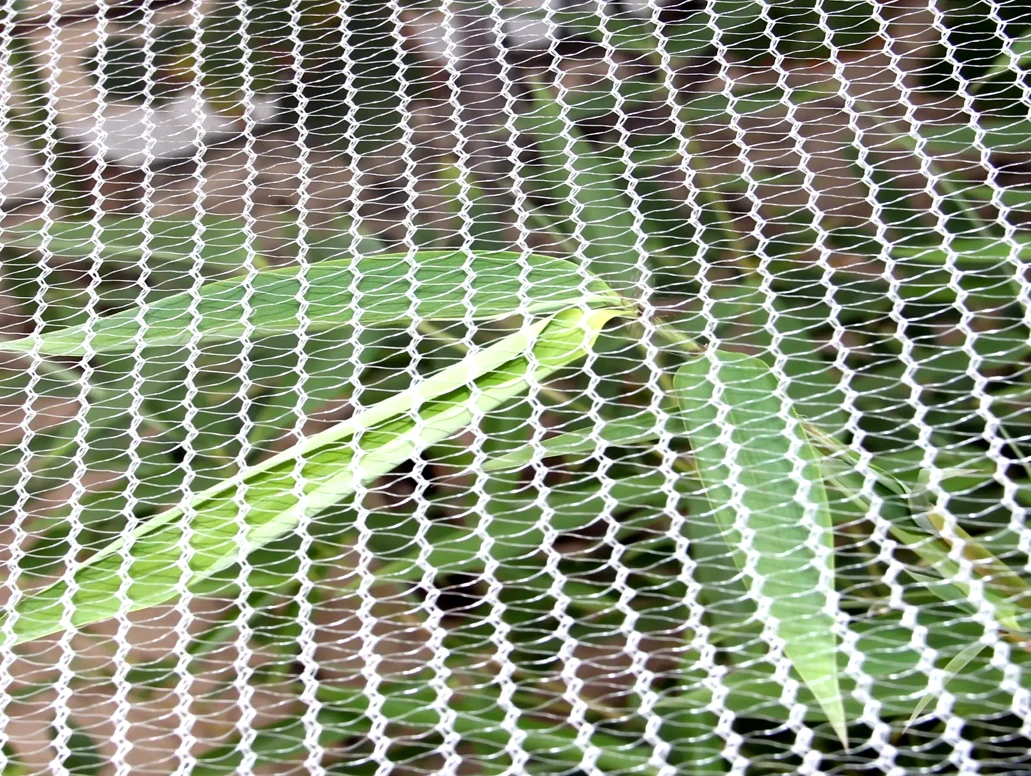
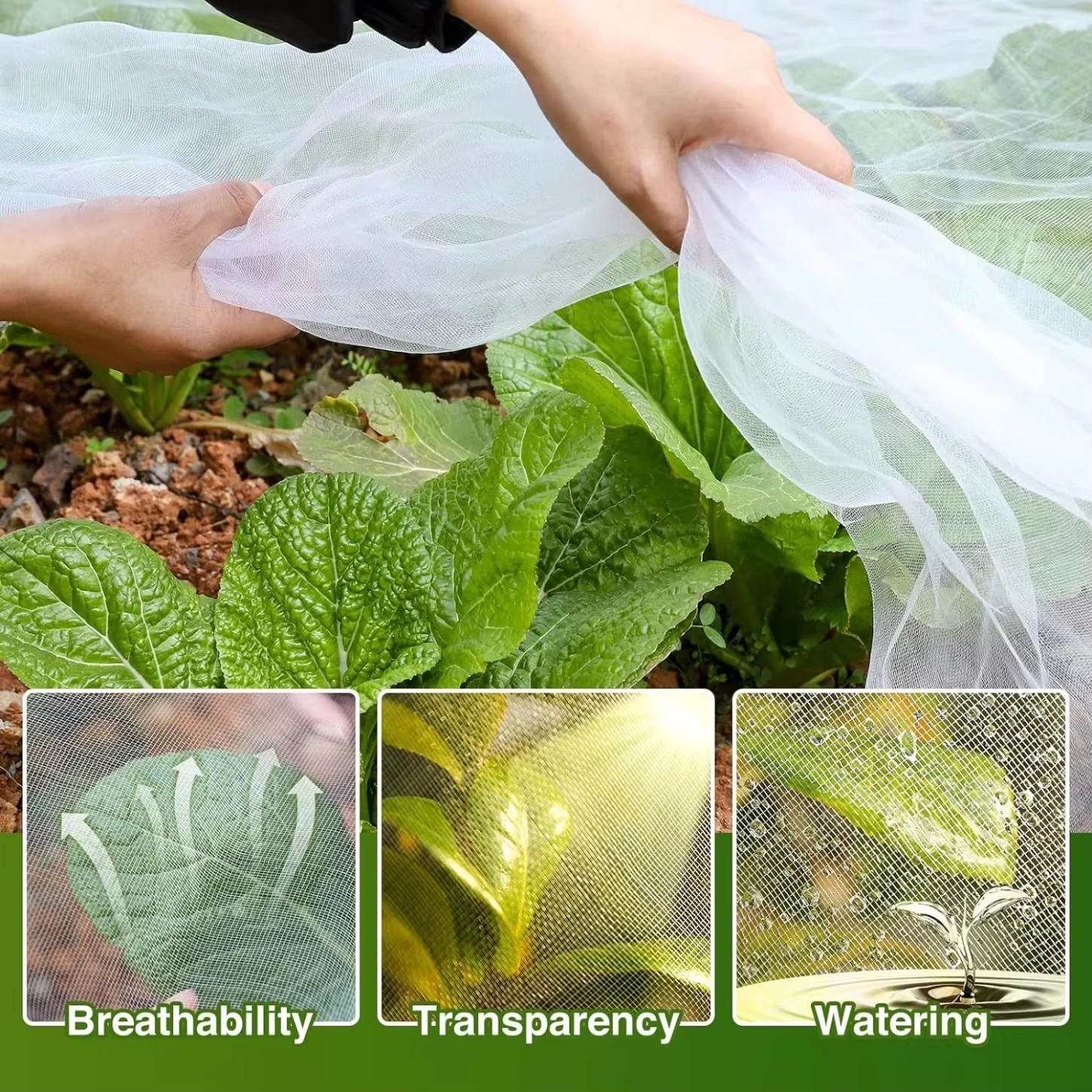
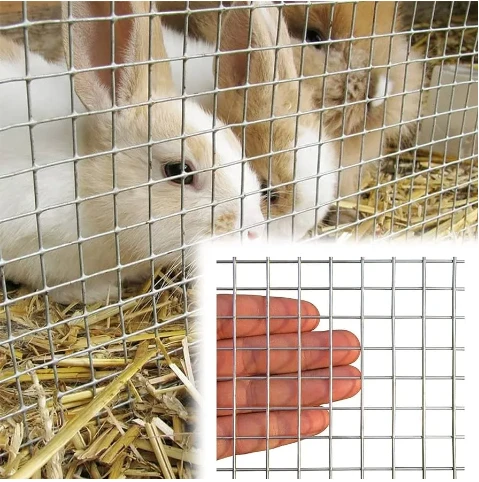
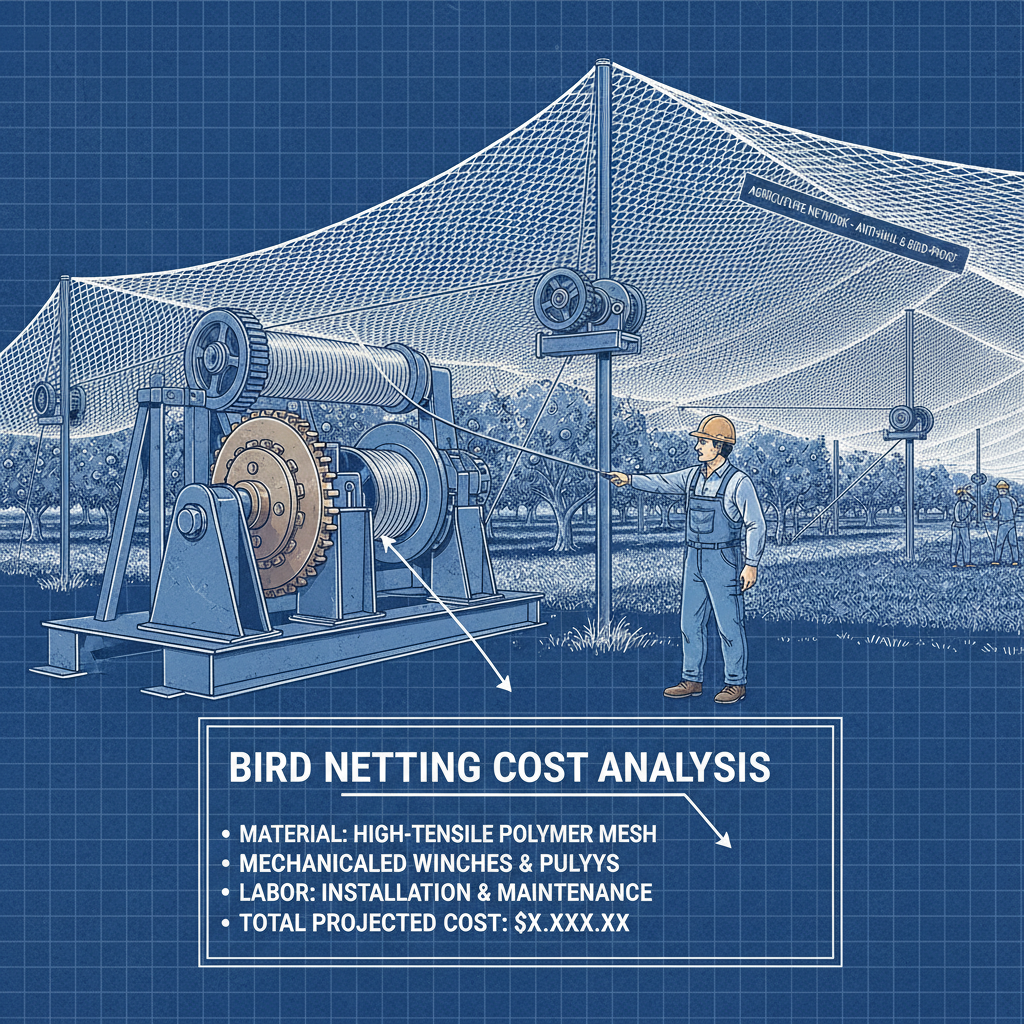
Several key factors contribute to the overall cost of bird netting. The primary influence is the material used. Nylon netting is generally more affordable than polyethylene (PE) or polypropylene (PP) netting, but may be less durable. Mesh size also plays a role – smaller mesh sizes offer better protection but typically come at a higher price. The size of the area you need to cover is, logically, a significant factor. Larger areas require more netting, increasing the material cost. Finally, installation costs, whether you choose DIY or professional installation, will add to the total expense. Consider these factors carefully when budgeting for your bird netting project. You can find a wide range of options to fit your budget and needs at YJ Wire Mesh.
Key Considerations: Material, Mesh Size, Area Coverage, and Installation Method all play a role in determining the final cost.
Types of Bird Netting and Their Price Points
Bird netting comes in various types, each with a different price point and suitability for specific applications. Common options include:
- Nylon Netting: The most economical option, suitable for general protection.
- Polyethylene (PE) Netting: Offers good durability and UV resistance, making it ideal for outdoor use.
- Polypropylene (PP) Netting: Known for its strength and lightweight nature, often used for larger areas.
- Knitted Netting: Provides a tighter weave for superior bird protection.
- Woven Netting: More robust and durable, ideal for long-term use.
The choice depends on the level of protection needed, the environment, and your budget. A comparison table below outlines typical price ranges:
DIY vs. Professional Installation: Cost Considerations
Installing bird netting yourself can save on labor costs, but it requires time, effort, and the right tools. Professional installation ensures proper tensioning and secure attachment, which is crucial for effectiveness. DIY projects might cost between $0.50 - $1.50 per square meter for materials only. Professional installation can range from $2.00 to $5.00 per square meter, including materials and labor. Consider the complexity of your project and your skill level when making this decision. YJ Wire Mesh offers resources and support to help you choose the right option.
Installation Cost Breakdown:
• DIY: Materials only - $0.50 - $1.50/sq meter
• Professional: Materials + Labor - $2.00 - $5.00/sq meter
Long-Term Cost Savings: Protecting Your Investment
While the initial bird netting cost is a key consideration, it’s important to view it as a long-term investment. Protecting crops from bird damage can prevent significant financial losses. For orchards, vineyards, and agricultural operations, the cost of netting is often far less than the value of the harvest it protects. Choosing durable materials and proper installation can extend the lifespan of the netting, maximizing your return on investment.
Factors Affecting Regional Price Variation
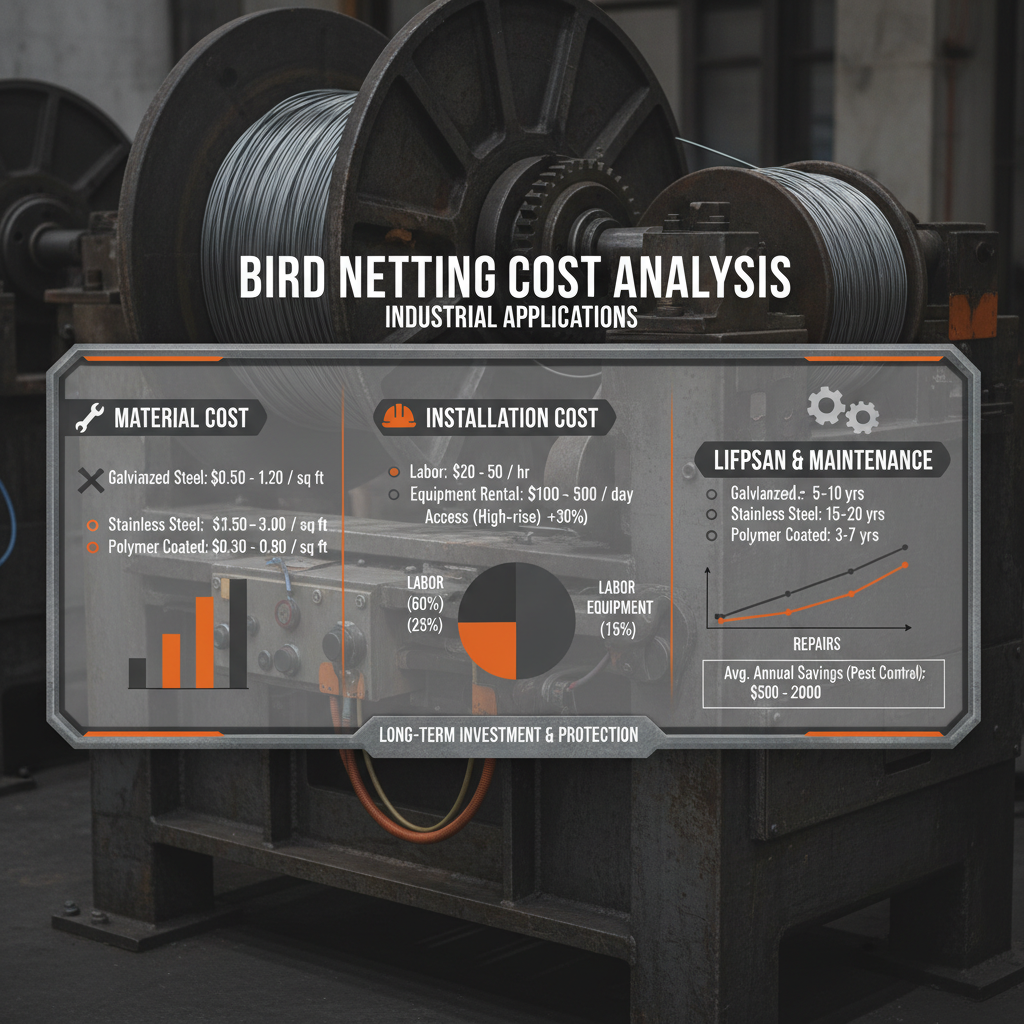
Bird netting costs can vary significantly depending on your geographical location. This is due to several factors, including transportation costs, local demand, and labor rates. Areas with higher transportation costs may experience higher material prices. Similarly, regions with high demand for bird netting may see inflated costs due to limited supply. Labor costs for professional installation can also vary widely depending on the local market. Obtaining quotes from multiple suppliers and installers in your area is essential to ensure you're getting a competitive price.
Conclusion: Making an Informed Decision
Understanding the various factors that influence bird netting cost is crucial for making an informed decision. By considering your specific needs, the type of netting, installation method, and regional price variations, you can choose the most cost-effective solution to protect your crops and property. Don't hesitate to reach out to reputable suppliers like YJ Wire Mesh for expert advice and competitive pricing.
Frequently Asked Questions (FAQs)
What mesh size is best for bird netting?
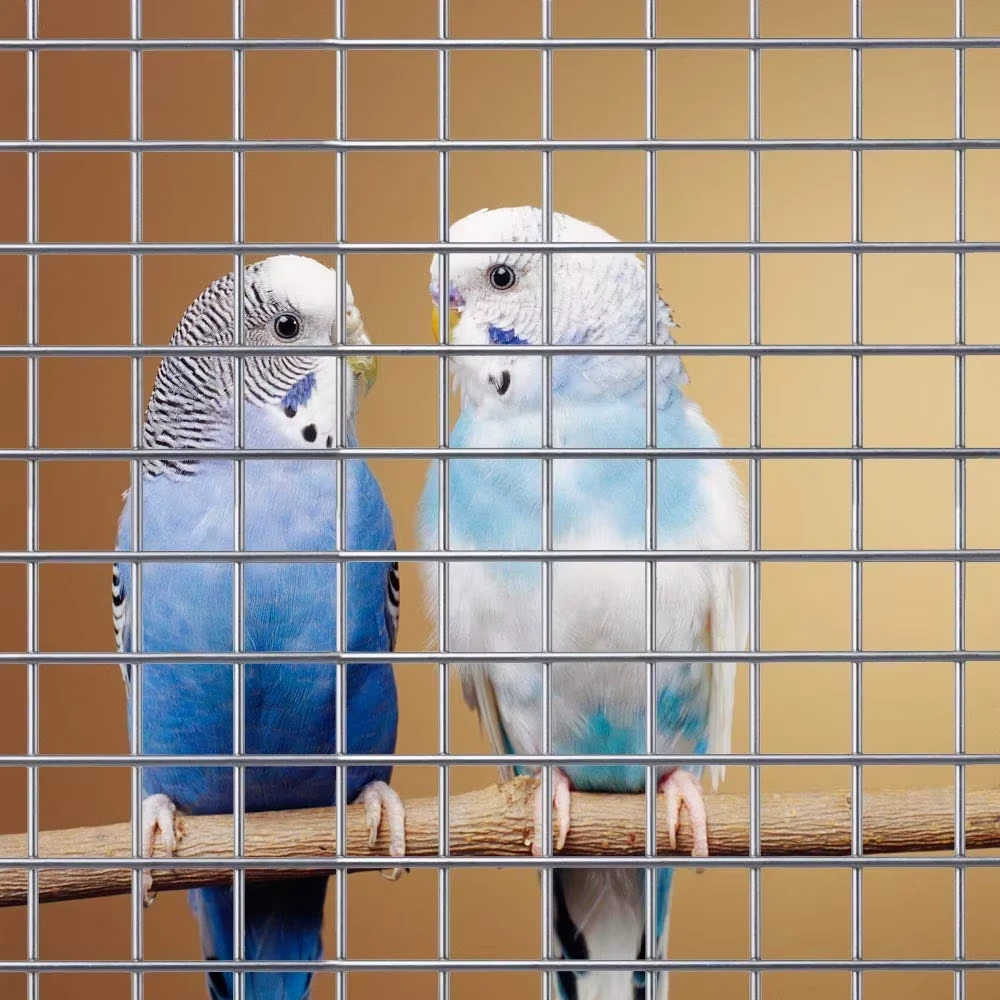
The ideal mesh size depends on the type of birds you’re trying to deter. For smaller birds like sparrows and finches, a mesh size of ¼ inch or smaller is recommended. For larger birds like pigeons and starlings, a ½ inch mesh size may be sufficient. Smaller mesh sizes offer more comprehensive protection but can be more expensive. Consider the specific bird species in your area when choosing the appropriate mesh size.
How long does bird netting typically last?
The lifespan of bird netting varies depending on the material, UV exposure, and environmental conditions. Nylon netting typically lasts 2-3 years, while polyethylene and polypropylene netting can last 5-10 years. Regular inspection and maintenance can extend the lifespan of the netting. Replacing damaged or worn netting promptly is crucial for maintaining its effectiveness.
Is bird netting harmful to birds?
When installed correctly, bird netting is generally considered a humane method of bird control. However, improper installation can pose a risk to birds. Ensure the netting is installed tautly to prevent birds from becoming entangled. Regularly inspect the netting for any trapped birds and release them immediately. Choose netting with a smaller mesh size to reduce the risk of entanglement.
What is the best way to secure bird netting?
Securing bird netting properly is essential for its effectiveness. Use UV-resistant clips, ties, or fasteners specifically designed for netting. Ensure the netting is taut and securely attached to supporting structures. Avoid using staples or nails, as these can damage the netting and create potential hazards. Consider using a combination of attachment methods for optimal security.
-
High Quality Anti Bird Agro Net for Professional Crop ProtectionNewsApr.16,2026
-
Guide to Bird Netting Cost Per Square Foot and Material OptionsNewsApr.09,2026
-
Comprehensive Guide to Bird Net for Balcony Cost and Installation OptionsNewsApr.04,2026
-
Comprehensive Guide to Bird Netting Price and Effective Protection SolutionsNewsMar.31,2026
-
Comprehensive Guide to Nylon Bird Net Price Factors and OptionsNewsMar.28,2026