Guide to Bird Netting Cost Per Square Foot and Material Options
Understanding Bird Netting Cost Per Square Foot: A Complete Buyer's Guide
Protecting your crops, balconies, or warehouses from avian intruders requires a balance between durability and budget. When planning your project, the most critical question is usually the bird netting cost per square foot. While prices vary based on material and mesh size, understanding the pricing structure allows you to make an informed investment. High-quality netting doesn't just keep birds away; it ensures long-term structural integrity and minimal maintenance. In this guide, we will break down the factors influencing costs and help you choose the most cost-effective solution for your specific needs.
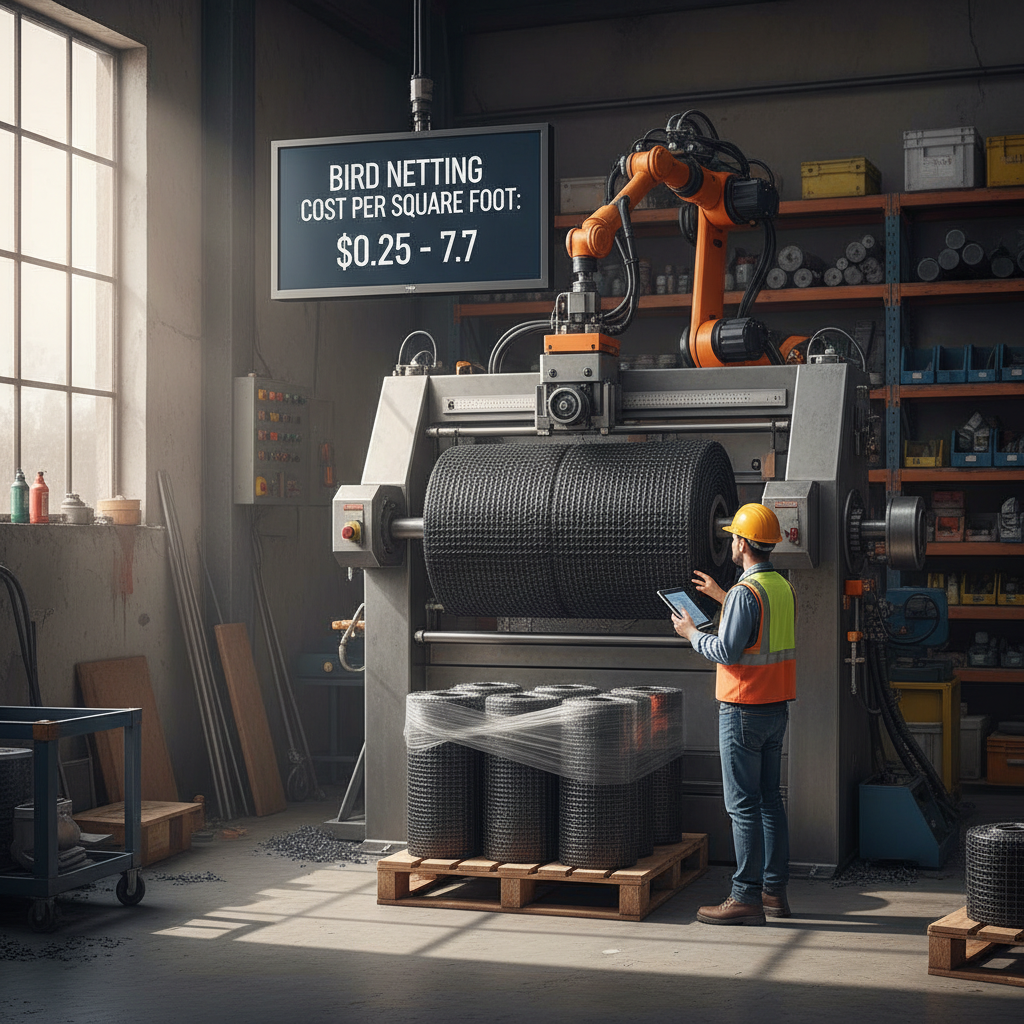
Factors Influencing the Bird Netting Cost Per Square Foot
Several variables dictate why one netting solution costs significantly more than another. First, the material plays a huge role; polyethylene (PE) is generally more affordable, while stainless steel or reinforced nylon is priced higher due to extreme durability. Second, the mesh size impacts the amount of raw material used; smaller apertures designed for tiny birds often require more material and precision, increasing the cost. Additionally, UV stabilization is a critical feature for outdoor use, as it prevents the netting from becoming brittle under the sun, adding a small premium to the price of the bird netting cost per square foot.
Quick Tip: Always check if the price includes installation hardware like clips or cables, as these "hidden" costs can increase the total project budget by 15-20%.
Comparing Materials and Estimated Costs
Choosing the right material is a trade-off between the initial bird netting cost per square foot and the expected lifespan of the product. For residential balconies, a lightweight plastic mesh is usually sufficient. However, for industrial warehouses or agricultural orchards, heavy-duty materials are mandatory to withstand wind loads and animal aggression. Below is a detailed comparison of common materials used in the industry.
Calculating Your Total Project Budget
To accurately estimate your total expenditure, you cannot rely solely on the bird netting cost per square foot. You must account for wastage (usually 10-15% for overlaps and trimming) and installation labor. For a professional install, labor costs often exceed the material costs. If you are DIY-ing, ensure you purchase a high-quality tensioning system to prevent the net from sagging, which can lead to bird entanglement and material failure.
Installation Methods and Their Impact on Cost
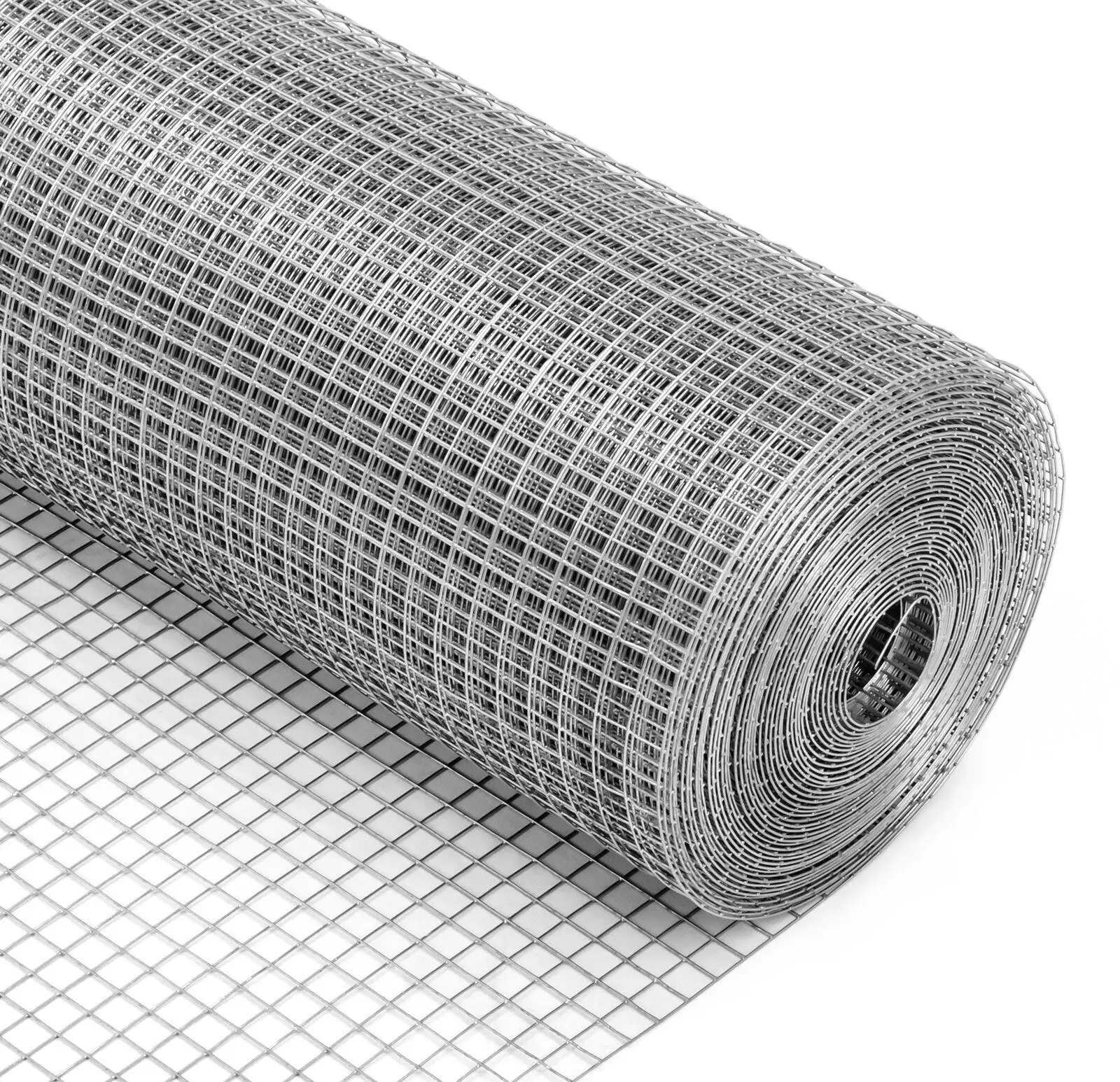
How you install the netting significantly alters the perceived cost per square foot. Fixed Installation involve permanent cables and anchors, which are expensive upfront but last for decades. Temporary Installation uses bungee cords or zip ties; while cheaper, they require frequent replacement. For large-scale industrial applications, using a professional wire mesh provider ensures that the netting is tensioned correctly, reducing the risk of tearing and saving money on long-term repairs.
Cost-Saving Installation Tips:
• Measure twice to minimize expensive material waste.
• Use UV-resistant ties to prevent premature netting failure.
• Opt for bulk rolls of netting to lower the unit price.
Product Specifications for Different Bird Species
Not all nets are created equal. The cost varies because the technical specifications must match the target bird species. A net designed for pigeons requires a larger mesh than one designed for sparrows. Using a net with a mesh that is too large is a waste of money, as birds will simply fly through. Conversely, a mesh that is too small may be unnecessarily expensive and block too much light or airflow. Refer to the following specification table to align your needs with the bird netting cost per square foot.
Conclusion: Maximizing Value in Your Bird Proofing
Determining the bird netting cost per square foot is only the first step. True value comes from selecting a material that matches your environment and the specific species you are deterring. While low-cost options are tempting, investing in UV-stabilized, high-density materials often saves money over time by reducing replacement frequency. Whether you are protecting a commercial warehouse or a private garden, quality netting provides the peace of mind that your property remains bird-free. Choose a trusted supplier to ensure your investment delivers lasting results.
Frequently Asked Questions (FAQs)
Why is there such a big difference in bird netting cost per square foot?
The price variance is primarily driven by the raw material quality and the manufacturing process. For instance, basic polyethylene is mass-produced and inexpensive, whereas stainless steel netting requires specialized weaving and corrosion-resistant treatments. Additionally, nets with UV inhibitors are more expensive than non-treated nets because they contain chemical additives that prevent the plastic from breaking down in sunlight. The mesh density also affects price; the more "knots" or intersections per square inch, the more material is used, increasing the cost.
Is it cheaper to install bird netting yourself or hire a professional?
DIY installation is significantly cheaper in terms of immediate cash outlay, as you only pay for the materials. However, professional installation ensures the netting is tensioned correctly and anchored securely. Poorly installed DIY nets often sag, creating "pockets" where birds can get trapped or the net can tear under wind pressure. In the long run, a professional installation might be more cost-effective because it lasts longer and requires fewer repairs. For small areas like a garden, DIY is great; for high-ceiling warehouses, professionals are highly recommended.
How long does typical bird netting last before needing replacement?
The lifespan depends entirely on the material. Standard non-UV treated plastic nets may only last 1-2 years before becoming brittle. UV-stabilized HDPE nets typically last 5-10 years. Stainless steel netting can last 20 years or more, depending on the salinity of the environment. To extend the life of your netting, avoid using abrasive cleaning tools and check tension points annually to ensure the weight is distributed evenly across the structure. Regular maintenance prevents small tears from becoming large holes.
Does mesh color affect the cost or effectiveness of the netting?
Color generally has a negligible impact on the cost per square foot, but it has a huge impact on aesthetics and effectiveness. Black netting is the most popular because it is nearly invisible against the sky or shadows, making it less disruptive to the building's appearance. Transparent or white netting is often used in greenhouses to allow maximum light penetration. Some believe birds are more deterred by certain colors, but the physical barrier is the primary deterrent. Choosing a color that blends into the environment is usually the best strategy for residential and commercial properties.
-
High Quality Anti Bird Agro Net for Professional Crop ProtectionNewsApr.16,2026
-
Comprehensive Guide to Bird Netting Cost Factors and Material ChoicesNewsApr.07,2026
-
Comprehensive Guide to Bird Net for Balcony Cost and Installation OptionsNewsApr.04,2026
-
Comprehensive Guide to Bird Netting Price and Effective Protection SolutionsNewsMar.31,2026
-
Comprehensive Guide to Nylon Bird Net Price Factors and OptionsNewsMar.28,2026