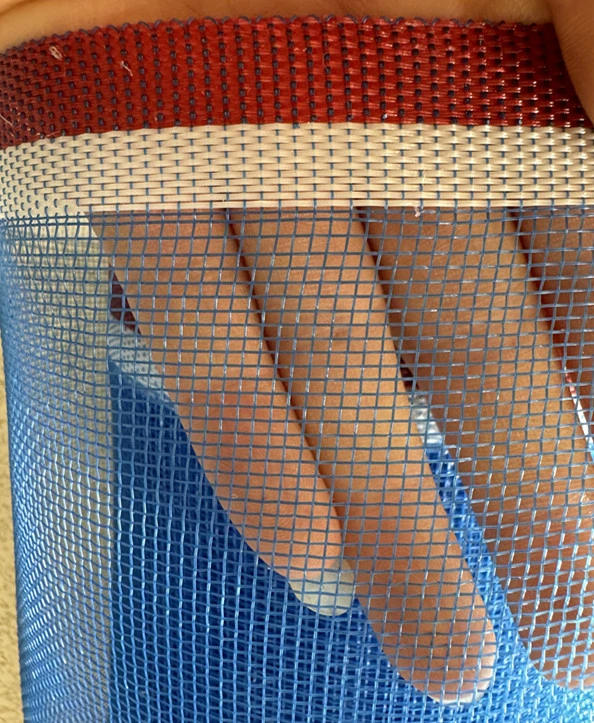
Chile Advanced anti hail net Protection Systems

Engineered for the diverse climatic challenges of the Chilean agricultural landscape, providing maximum crop security and durability.

Chile Advanced anti hail net Protection Systems

High-performance mesh solutions designed to shield high-value crops in South America's most productive agricultural zones from extreme weather and pests.

Chile's Agricultural Mesh Market Landscape

Adapting to the unique geographical demands of the Atacama to Patagonia corridor.

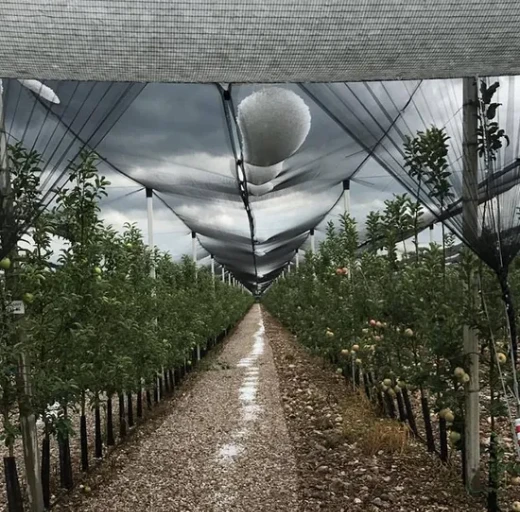
Chile's agricultural sector faces a complex set of challenges due to its extreme longitudinal stretch. In the central valleys, the increasing frequency of erratic hail storms has made the deployment of anti hail net a critical necessity for vineyards and fruit orchards to prevent total crop loss.

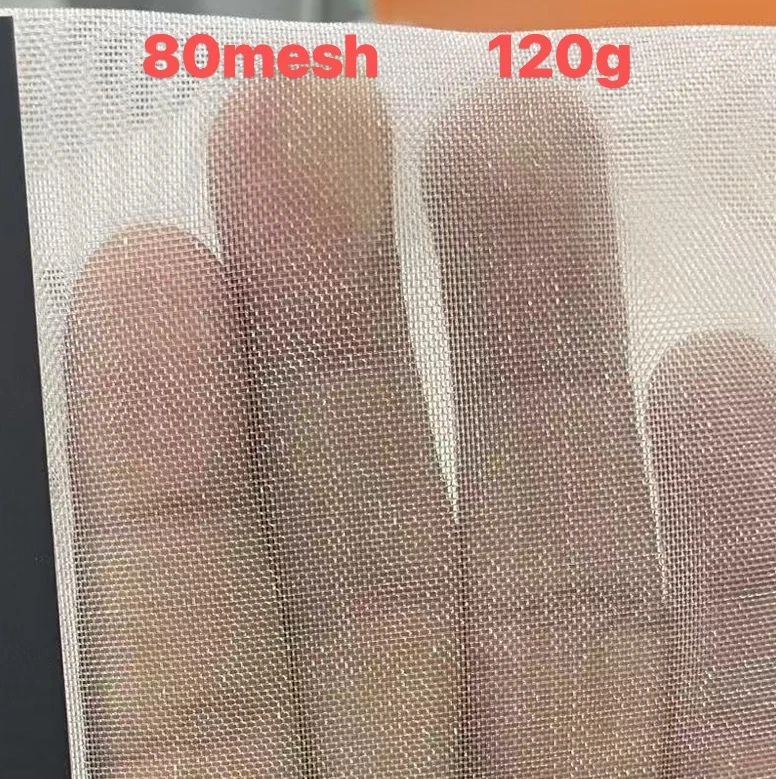
Furthermore, the coastal regions struggle with high salinity and humidity, which accelerate the corrosion of traditional metal mesh. This has led to a surge in demand for high-density nylon mesh that offers superior resistance to UV radiation and environmental degradation.

Economically, the shift toward high-export value crops like blueberries and cherries has forced local producers to upgrade from basic fencing to specialized insect proof mesh to meet strict international phytosanitary standards for export to Asia and North America.
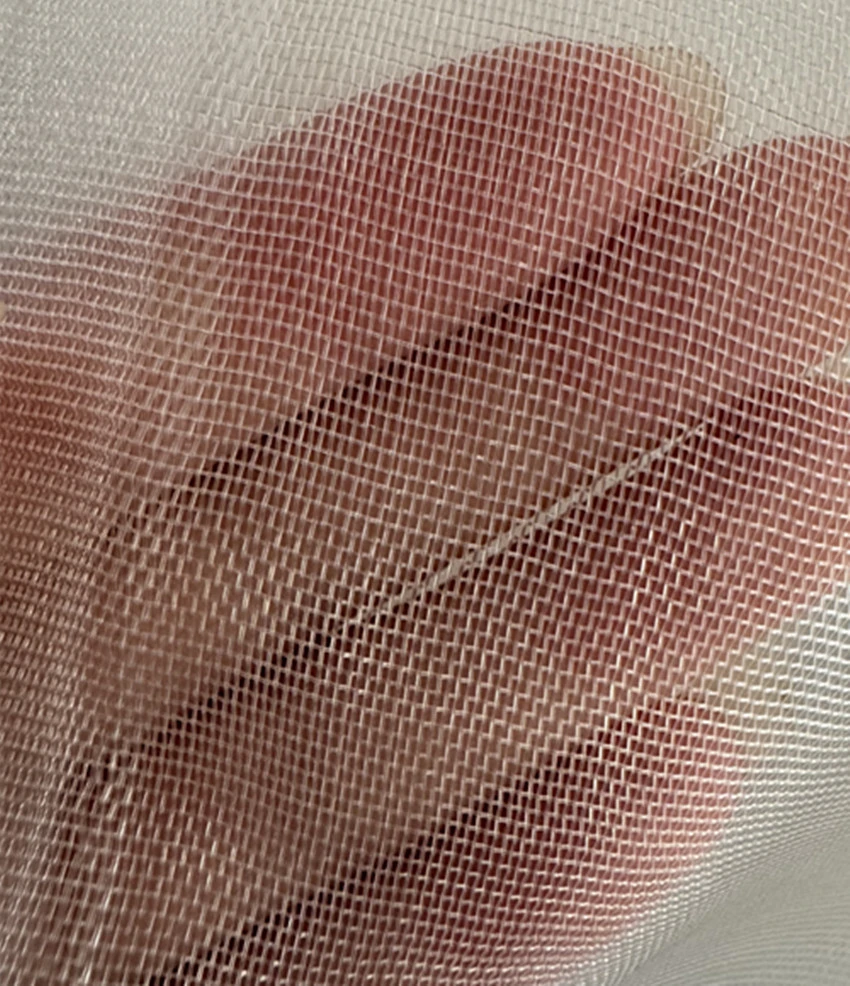
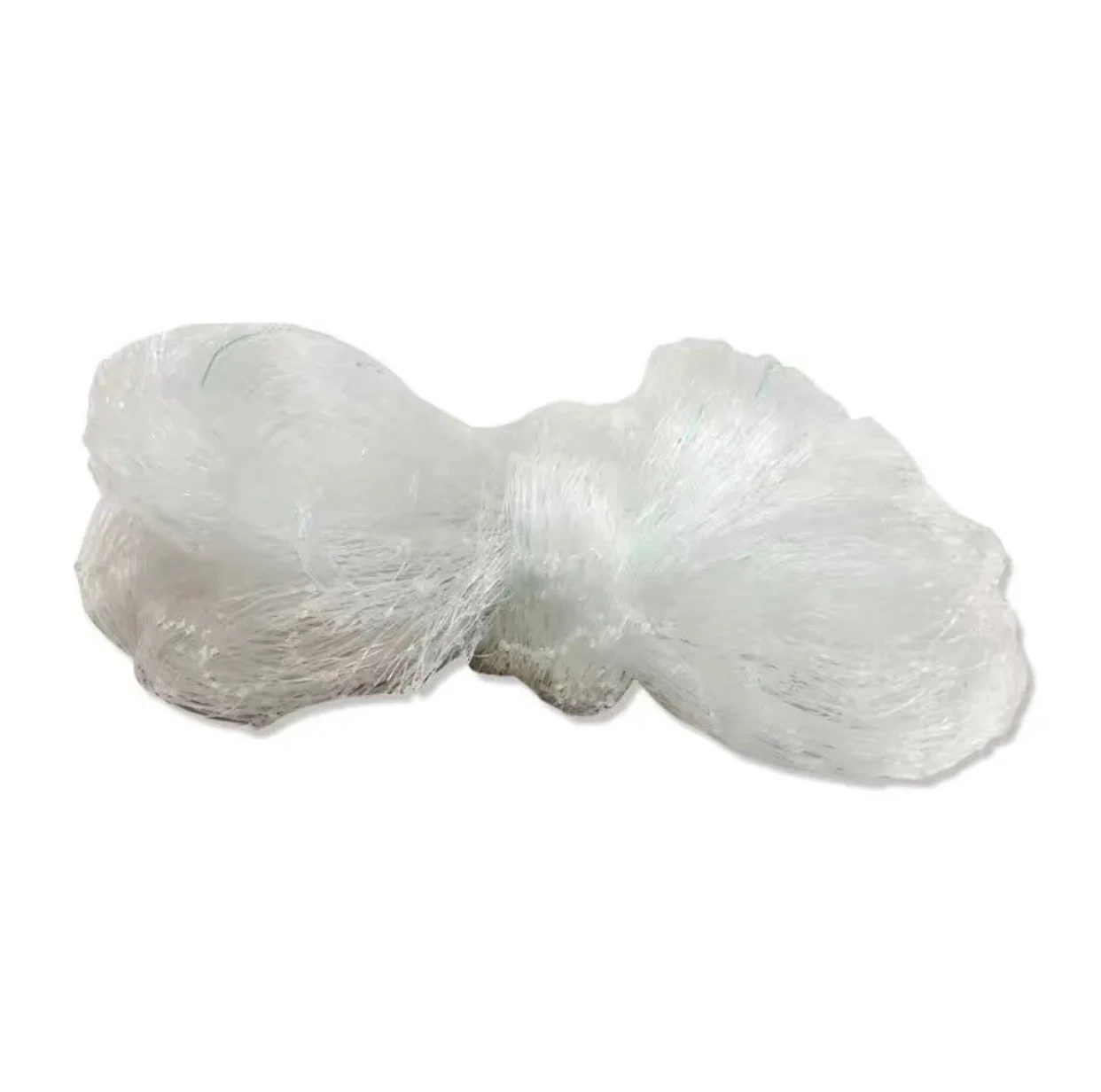
Evolution of Mesh Technology in Chile

From rudimentary barriers to smart agricultural shielding.

Market Development History

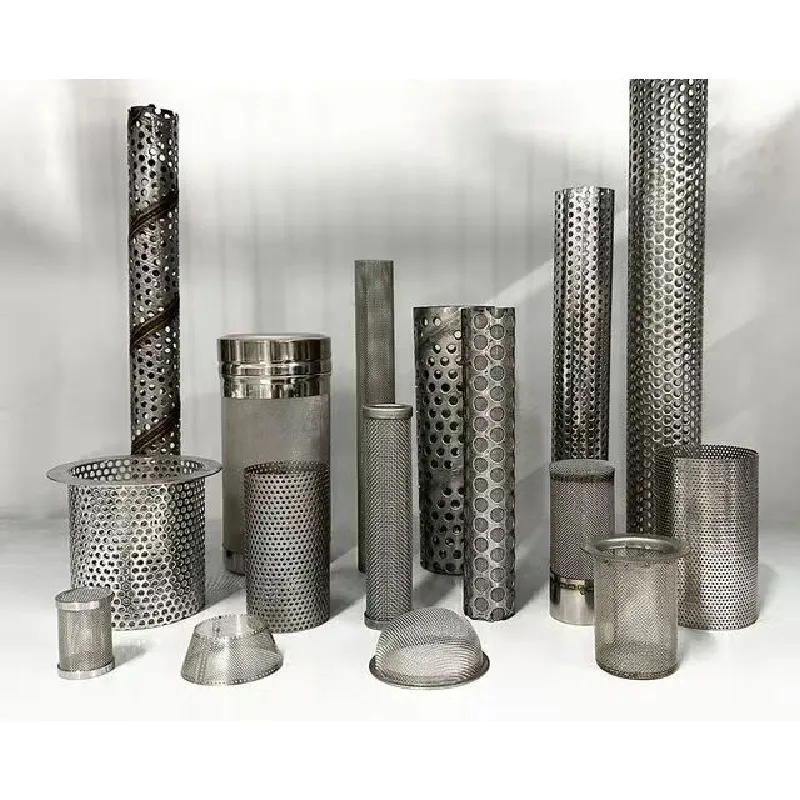
In the 1990s, Chilean agriculture relied primarily on heavy galvanized steel wires and basic netting, which provided minimal protection against wind-borne debris and small pests.

Between 2005 and 2015, the introduction of polymer-coated wires and specialized agricultural net materials allowed for better light transmission and air circulation, optimizing photosynthesis for fruit crops.

From 2016 to the present, the industry has transitioned toward multi-functional meshes, integrating UV stabilizers and anti-tear technologies to withstand the intense Andean solar radiation.

Future Development Trends

Biodegradable Polymer Integration

Expect a transition toward eco-friendly materials that maintain high strength but reduce the plastic footprint in the Chilean soil.

Smart Sensor Integration

Integration of IoT sensors within the mesh structure to monitor tension and impact loads in real-time during storm events.

Precision Pore Engineering

Development of mesh with variable pore sizes to target specific invasive pest species without hindering pollination.

Future Outlook: The Next Era of Protective Mesh

Strategic advancements in material science and structural engineering for Chile.

UV-Resistant Nano-Coatings
Implementing nano-scale UV inhibitors to extend the lifespan of nets in high-altitude Andean regions.
High-Tensile Structural Integrity
Advanced weaving patterns to prevent sagging and failure during sudden wind gusts in Southern Chile.
Integrated Pest Management
Developing multi-layered meshes that combine physical barriers with pheromone-infused fibers.
Automated Installation Kits
Rapid-deployment hardware to reduce labor costs during critical pre-season setup.

Industry Outlook

Based on Google search trends in South America, there is a significant increase in queries regarding "sustainable farming" and "climate-resilient agriculture" in Chile. This indicates a strong market shift toward high-end, long-lasting safety mesh and specialized protective coatings.

The industry is moving toward a "Service-as-a-Product" model, where mesh providers offer lifecycle maintenance and structural audits to ensure maximum crop yield protection over 10-15 year periods.

Local Application Scenarios in Chile

Real-world implementations tailored to the Chilean geography.

01. Maipo Valley Vineyard Protection

Installation of high-density anti hail net to protect premium wine grapes from unpredictable mountain storms, ensuring consistent berry quality for export.

02. Atacama Greenhouse Enclosures

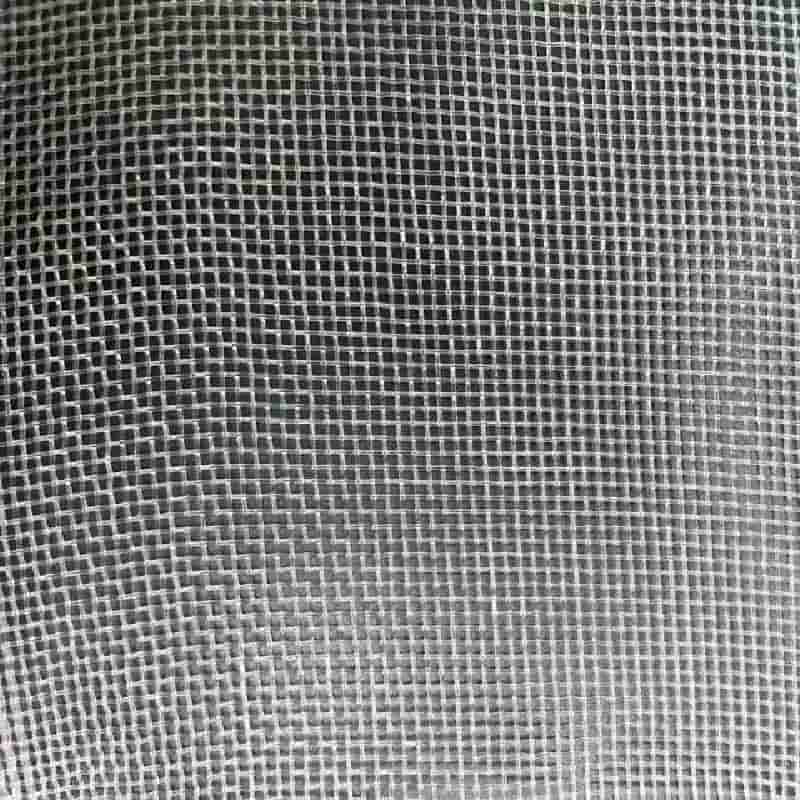
Using specialized insect proof mesh to create controlled environments for high-value desert crops, preventing pest infestation while allowing maximum ventilation.

03. Los Lagos Berry Orchards

Application of reinforced nylon mesh to shield berry crops from wind-burn and heavy rainfall typical of the southern lakeland regions.

04. Santiago Industrial Construction Sites

Deployment of heavy-duty safety mesh to prevent debris fall in urban development projects, complying with strict Chilean safety regulations.

05. Central Valley Seedling Nurseries

Use of fine-weave agricultural net to protect delicate seedlings from UV scorching and small avian pests during the early growth stage.

Brand Story

Global Development Journey of Anping Yongju Metal Products Co., Ltd.

Foundational Excellence

Established in the heart of China's wire mesh capital, focusing on the precision engineering of basic metal grids.

Material Diversification

Expanded beyond steel into advanced polymers and nylon composites to solve the corrosion issues of coastal clients.

Global Expansion

Entering the South American market, specifically optimizing products for the unique agricultural needs of Chile.

Technological Innovation

Implementing automated weaving and UV-stabilization technology to ensure product longevity in extreme climates.

Sustainable Vision

Committing to eco-friendly manufacturing processes and recyclable mesh materials for a greener global future.

Chilean Market FAQs

Technical answers for local agricultural and industrial professionals.

What is the best anti hail net for Chilean vineyards?

For Chilean vineyards, we recommend a high-density polyethylene (HDPE) mesh with integrated UV stabilizers and a specific pore size that balances impact absorption with light transmission.

How does nylon mesh perform in coastal regions of Chile?

Our specialized nylon mesh is treated with anti-corrosive coatings, making it ideal for high-salinity environments where traditional metal mesh would fail prematurely.

Can insect proof mesh reduce chemical pesticide use in Chile?

Yes, by providing a physical barrier against pests, our insect proof mesh significantly reduces the need for chemical sprays, helping farms achieve organic certifications.

What safety mesh standards are required for Santiago's construction sites?

Our safety mesh complies with international load-bearing standards and is designed to meet the rigorous safety inspections required by Chilean urban development authorities.

How long does a professional agricultural net last in the Andean sun?

Depending on the UV-stabilization level, our professional nets typically last between 5 to 12 years, even under the intense solar radiation of the Andes.

Is custom sizing available for large-scale Chilean farms?

Absolutely. We provide bespoke dimensions and customized weaving densities to fit the specific topography and crop layout of any Chilean estate.

Ready to Secure Your Harvest?

Get expert consultation on high-performance mesh solutions tailored for the unique environment of Chile.

Contact Us Now
text

If you are interested in our products, you can choose to leave your information here, and we will be in touch with you shortly.