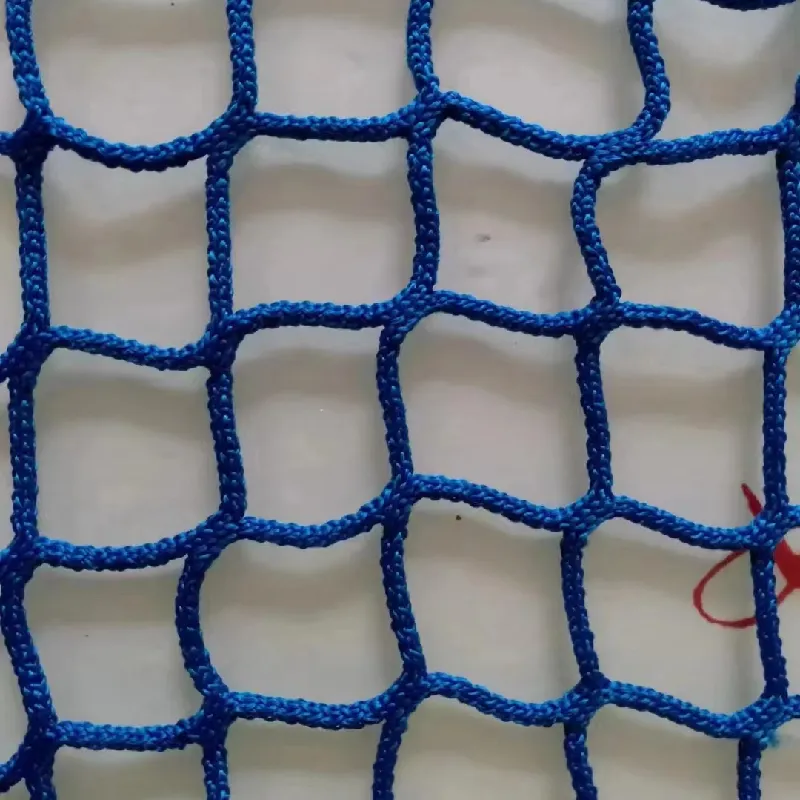
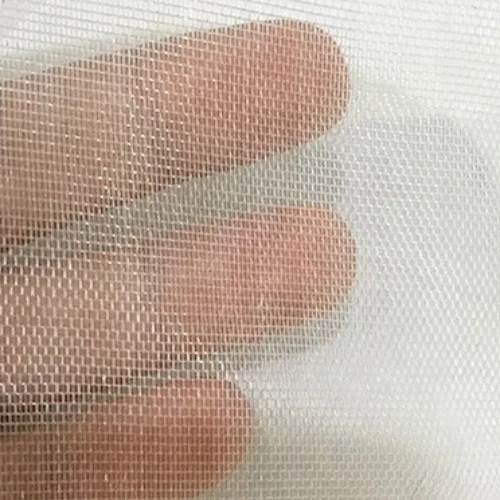
Colombia High-Performance anti hail net Solutions

Advanced protective mesh engineering designed to safeguard Colombian agriculture and industrial safety against extreme weather and biological threats.

Colombia High-Performance anti hail net Solutions

Integrating industrial-grade metal wire mesh and polymer technology to provide robust shielding for the diverse climatic zones of Colombia, from the Andes to the Caribbean coast.

Analyzing the Mesh Infrastructure in Colombia

Addressing the intersection of varied topography and agricultural vulnerability.

Colombia's unique geography, characterized by three Andean ranges, creates microclimates that expose crops to unpredictable hail and pest surges. This has led to an urgent demand for high-tenacity agricultural net systems that can withstand sudden temperature shifts and high UV radiation in high-altitude regions like Boyacá and Cundinamarca.

In the industrial sector, the rapid urbanization of cities like Bogotá and Medellín has increased the requirement for safety mesh to prevent construction accidents and secure public spaces. The current market is transitioning from basic woven fabrics to engineered polymer and metal hybrids that offer superior tear resistance.

Furthermore, the fight against invasive species in the coffee and flower export industries has made insect proof mesh a critical component of biological security. Local producers are shifting away from chemical pesticides toward physical barriers to meet strict EU and US import standards.
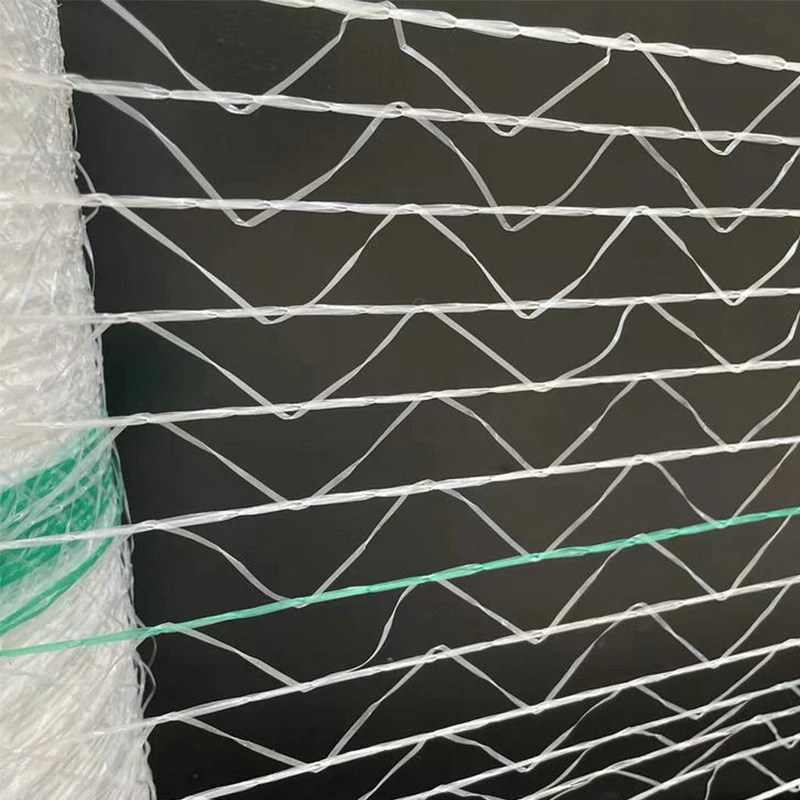
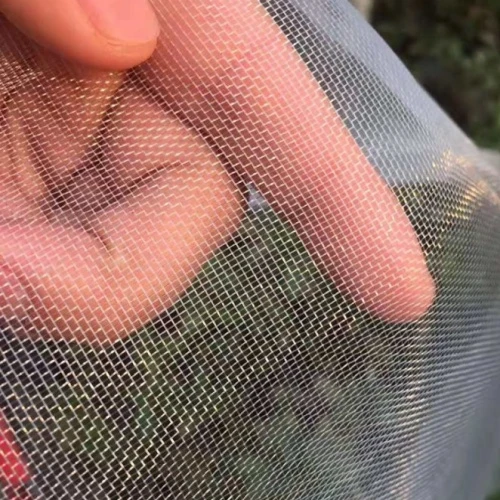
Evolution of Protective Mesh Technology

From traditional weaving to high-precision industrial extrusion.

Market Development History

From 1990 to 2005, the Colombian market relied heavily on low-density polyethylene (LDPE) films and basic nylon mesh, which lacked UV stabilization and degraded rapidly under the equatorial sun.

Between 2006 and 2015, the industry saw the introduction of HDPE (High-Density Polyethylene) and knitted structures. This era marked the rise of specialized hail protection, introducing a move toward customized mesh density based on regional hail stone size.

Since 2016, the focus has shifted toward "Smart Mesh" integration, combining UV-reflecting coatings with high-tensile metal wires for hybrid structures that provide both structural support and environmental filtration.

Future Development Trends

Biodegradable Polymer Integration

Movement towards eco-friendly resins to reduce the plastic footprint in Colombian rural landscapes without compromising strength.

Nano-Coated Anti-Corrosion

Implementation of nano-silver or zinc coatings on metal meshes to prevent oxidation in the humid tropical rainforests of the Chocó region.

AI-Driven Mesh Density Optimization

Using weather data to determine the exact micron thickness and hole size required for specific crop types in the Coffee Axis.

Strategic Outlook for Mesh Manufacturing

Forecasting the next 5 years of technical iteration in South America.

UV-Resistant Polymerization
Developing advanced carbon-black stabilized HDPE to double the lifespan of nets in high-altitude Colombian sun.
High-Tensile Steel Hybrids
Combining galvanized steel wire with polymers for extreme load-bearing industrial safety applications.
Precision Pore Geometry
Optimizing aperture sizes to block specific pests while maximizing airflow for Colombian orchid farms.
Circular Economy Loops
Implementing recycling programs for old nets to be repurposed into industrial flooring or safety barriers.

Industry Outlook

Google search trends indicate a significant rise in queries for "sustainable agricultural shielding" and "industrial safety compliance" within Colombia. This suggests a shift from mere cost-saving procurement to value-based investment in long-term durability.

The future will be dominated by customized, data-driven mesh solutions where the material properties are tailored to the specific altitude and humidity of the installation site, reducing waste and maximizing crop yield.

Localized Application Scenarios in Colombia

Real-world implementations across diverse Colombian landscapes.

01. High-Altitude Berry Farming in Boyacá

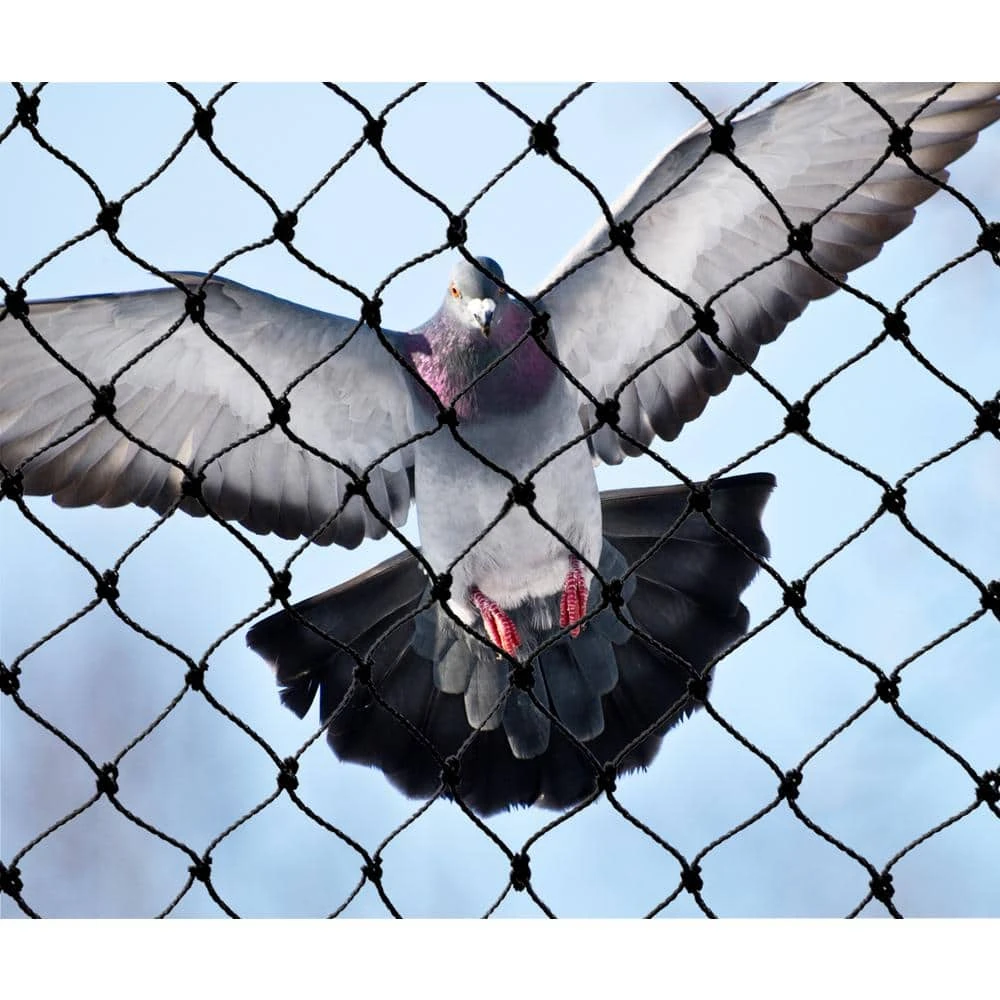
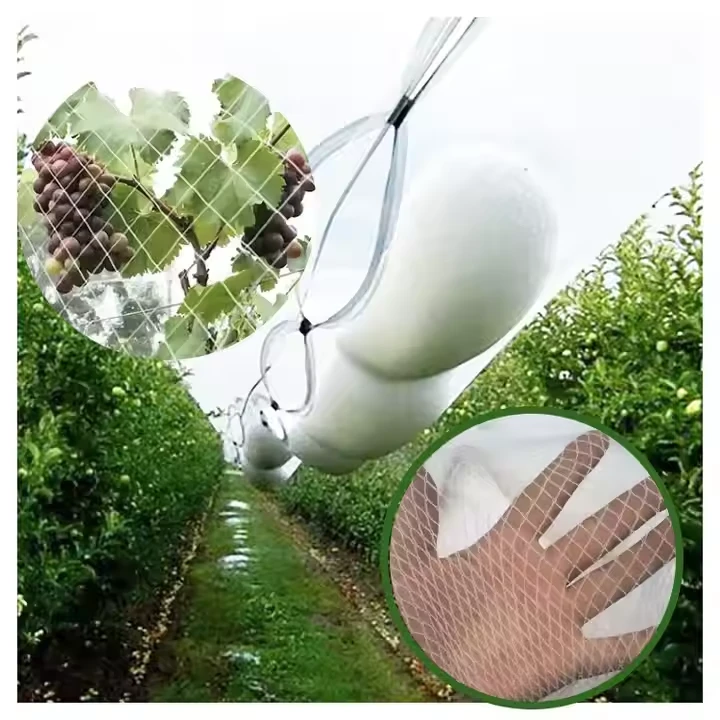
Deploying heavy-duty anti hail net to protect blueberries and raspberries from sudden Andean hail storms that can destroy an entire season's harvest in minutes.

02. Export-Grade Flower Greenhouses in Cundinamarca

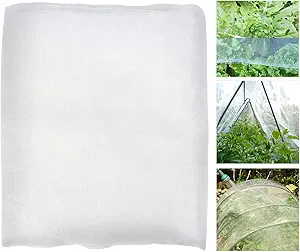
Utilizing ultra-fine insect proof mesh to maintain a sterile environment, reducing reliance on chemical pesticides for rose and carnation exports.

03. Urban Construction Safety in Bogotá

Installation of high-impact safety mesh on skyscraper facades to prevent debris fall and ensure worker safety in dense metropolitan areas.

04. Aquaculture Containment in the Pacific Coast

Using reinforced nylon mesh for fish farming pens, designed to resist saltwater corrosion and withstand strong tidal currents.

05. Coffee Plantation Shade Management

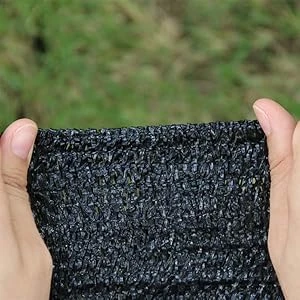
Applying specialized agricultural net to regulate sunlight exposure for young coffee plants, preventing leaf scorch during peak UV hours.

Brand Story

Global Development Journey of Anping Yongju Metal Products Co., Ltd.

Industrial Foundations

Established in the heart of China's wire mesh capital, we began by solving basic filtration problems with high-quality steel weaving.

Polymer Innovation

Recognizing the need for versatility, we expanded into HDPE and nylon extrusion, blending metal strength with polymer flexibility.

Global Expansion

We extended our reach to South America, adapting our technical standards to meet the rigorous demands of Colombian agriculture.

Sustainability Shift

Implementing eco-friendly production lines to ensure our mesh products contribute to a greener planet and sustainable farming.

Future-Proof Engineering

Today, we lead in the design of hybrid protective systems, solving the most complex shielding challenges for our global partners.

Colombian Market Technical FAQ

Expert answers to the most common technical queries from local distributors.

How does UV stabilization affect the lifespan of agricultural net in the Andes?

In high-altitude regions, UV radiation is significantly stronger. Our nets use specialized carbon-black stabilization and HALS additives to prevent polymer chain degradation, extending the service life from 2 years to over 5 years.

What is the optimal mesh size for insect proof mesh in flower greenhouses?

Depending on the target pest (e.g., thrips or whiteflies), we recommend a pore size between 0.6mm and 1.2mm. This ensures maximum biological exclusion while maintaining necessary ventilation for plant transpiration.

Can anti hail net withstand the extreme wind gusts found in the Caribbean coast?

Yes, our knitted structures are designed with specific elasticity to absorb wind energy. When combined with reinforced edge cables, they resist tearing during high-wind events common in coastal regions.

What are the certification standards for industrial safety mesh in Bogotá?

Our safety meshes comply with international tensile strength and flame retardancy standards, ensuring they meet the strict urban safety regulations required for high-rise construction in major Colombian cities.

Is nylon mesh suitable for saltwater aquaculture in the Pacific?

Absolutely. We provide marine-grade nylon with an anti-fouling coating that prevents algae buildup and resists the corrosive nature of saltwater, ensuring structural integrity for fish pens.

How do I choose between HDPE and nylon for agricultural applications?

HDPE is generally superior for long-term outdoor UV exposure and hail protection, whereas nylon is preferred for applications requiring higher elasticity and abrasion resistance, such as cargo netting or aquaculture.

Partner with the Mesh Experts

Ready to upgrade your agricultural or industrial infrastructure in Colombia? Our technical team is standing by to provide customized engineering solutions.

Contact Us Now
text

If you are interested in our products, you can choose to leave your information here, and we will be in touch with you shortly.