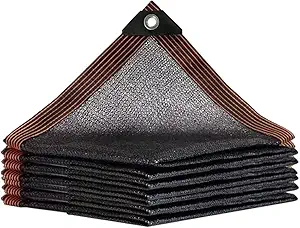
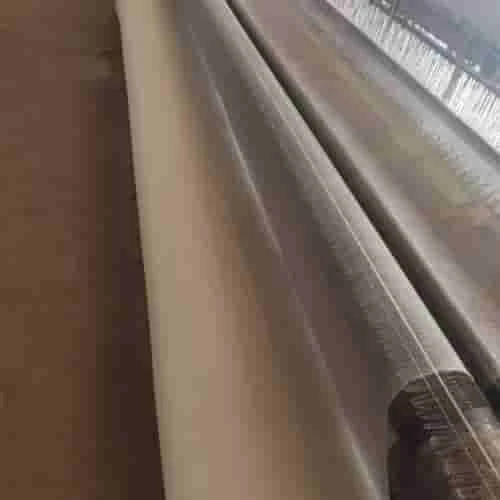
High-Performance anti hail net Solutions for Bolivian Agriculture

Engineering durable protective mesh systems to safeguard high-altitude crops against extreme weather and pests in the Andean region.

High-Performance anti hail net Solutions for Bolivian Agriculture

Our specialized mesh products are designed to withstand the unique climatic volatility of Bolivia, ensuring crop security and long-term structural integrity for commercial farms.

Current Landscape of Mesh Manufacturing in Bolivia

Analyzing the intersection of geological challenges and protective netting requirements.

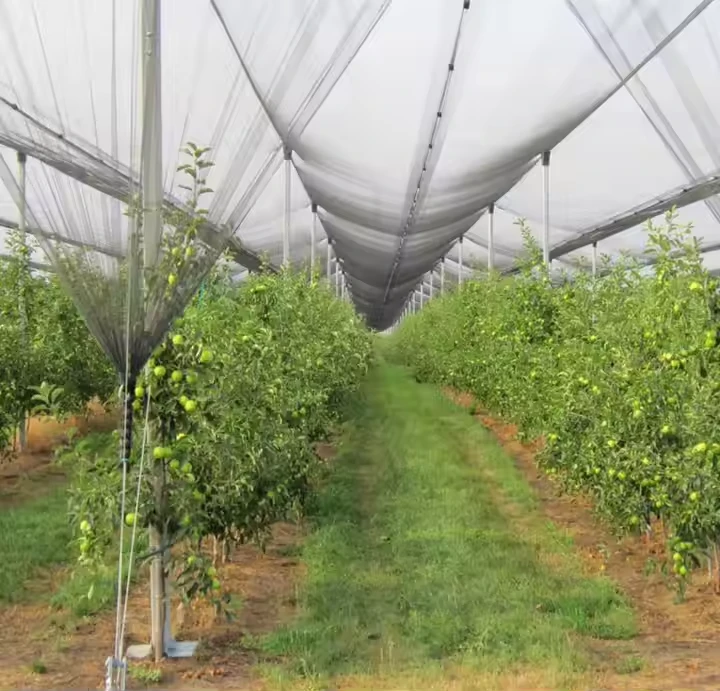
Bolivia's agricultural sector faces severe challenges due to its diverse topography, ranging from the Altiplano highlands to the tropical lowlands. The prevalence of sudden hailstorms in the valleys makes the deployment of high-grade agricultural net essential for protecting vineyards and fruit orchards from total crop failure.

In the Santa Cruz region, the intensification of soybean and corn production has increased the demand for advanced insect proof mesh. Farmers are shifting away from chemical pesticides toward physical barriers to meet growing international organic certification standards.

However, the local market has historically relied on low-density polymers that degrade rapidly under the intense UV radiation characteristic of high-altitude Andean sunlight. This creates a critical need for UV-stabilized nylon mesh that maintains tensile strength over multiple growing seasons.
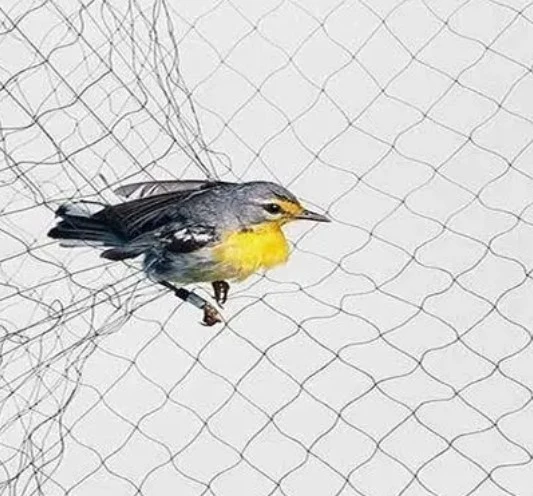
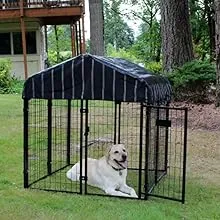
Evolution and Trajectory of Protective Netting

From rudimentary barriers to high-tensile engineered fabrics.

Market Development History

Prior to 2010, the Bolivian market primarily used heavy-gauge galvanized wire or basic plastic sheets. These methods provided minimal ventilation and often caused humidity-related fungal diseases in crops due to poor airflow.

Between 2010 and 2020, the introduction of extruded polyethylene and knitted nylon mesh revolutionized the sector. This period saw a transition toward lighter, more flexible materials that allowed for larger-scale installation across sloping terrains.

Currently, the focus has shifted toward "Smart Mesh" technology, where the weave density and UV-blockage percentages are customized based on the specific light requirements of the crop and the local UV index of the Bolivian department.

Future Development Trends

Biodegradable Polymer Integration

Integrating eco-friendly polymers to reduce the environmental footprint of agricultural plastics in the Amazonian basins.

Automated Deployment Systems

Transitioning from manual installation to retractable mesh systems that can be deployed rapidly during hail warnings.

Nano-Coating for Pest Repulsion

Developing insect proof mesh with nano-coatings that repel insects without the need for chemical additives.

Industry Trends and Strategic Outlook

Mapping the technological shifts in metal and polymer mesh for South American markets.

Enhanced UV Resistance
Utilizing advanced stabilizers to prevent polymer breakdown under the intense Altiplano radiation.
Tensile Strength Optimization
Increasing the tear-resistance of safety mesh to prevent failures during high-wind events.
Precision Weave Density
Calibrating mesh apertures to block specific pest sizes while maintaining optimal transpiration.
Hybrid Material Fusion
Combining metal wire frames with polymer mesh for permanent, high-stability agricultural installations.

Industry Outlook

Google search trends indicate a rising interest in "sustainable agriculture" and "climate-resilient farming" within the South American region. We predict that within the next 3-5 years, the demand for multifunctional mesh that provides both thermal insulation and pest protection will grow by 25% in Bolivia.

The integration of IoT-enabled tension sensors into safety mesh systems will allow large-scale commercial operations to monitor structural integrity in real-time, reducing maintenance costs and preventing catastrophic failures during storm seasons.

Localized Applications in Bolivia

Practical implementations tailored to Bolivian geography and economy.

1. High-Altitude Vineyard Protection in Tarija

Implementing heavy-duty anti hail net systems to shield high-value wine grapes from sudden Andean hailstorms, ensuring harvest stability.

2. Organic Vegetable Greenhouse in Santa Cruz

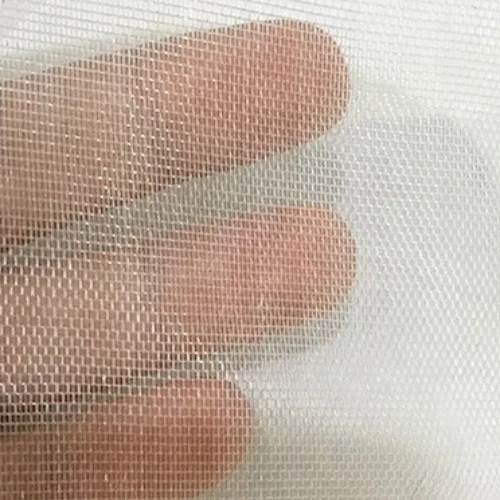
Deploying fine-mesh insect proof mesh to eliminate the need for chemical insecticides in export-grade organic produce.

3. Poultry and Livestock Enclosures in Cochabamba

Using high-strength nylon mesh for durable animal containment that resists corrosion in humid valley environments.

4. Industrial Safety Barriers in Potosí Mining Sites

Installation of reinforced safety mesh for debris containment and personnel protection in steep mining terrains.

5. Quinoa Crop Shading in the Altiplano

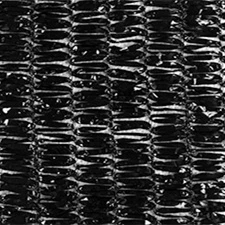
Utilizing customized agricultural net to regulate light intensity and reduce evapotranspiration for ancestral grain crops.

Brand Story

Global Development History of Anping Yongju Metal Products Co., Ltd.

Industrial Foundations

Established in the heart of China's wire mesh capital, we began by mastering the fundamental physics of metal weaving and polymer extrusion.

Technical Innovation

We pioneered UV-stabilization techniques that extended the lifespan of agricultural netting by 300%, solving the pain point of rapid degradation.

Global Expansion

Expanding into the South American market, we adapted our product specifications to meet the extreme atmospheric conditions of high-altitude regions.

Quality Certification

Achieving international ISO standards, ensuring every roll of mesh produced meets rigorous tensile and durability benchmarks.

Future Vision

Our mission is to empower global farmers with sustainable, high-performance barriers that secure food production against climate volatility.

Frequently Asked Questions for Bolivian Clients

Expert answers to common technical and logistics queries.

How does UV radiation in Bolivia affect the lifespan of agricultural net?

Due to the high altitude of the Altiplano, UV levels are extreme. We use specialized UV-stabilizers integrated into the polymer chain to ensure our nets do not become brittle, extending their functional life to 5-8 years.

Which anti hail net density is recommended for vineyards in Tarija?

We recommend a mesh size between 3mm and 6mm depending on the average hailstone size in your specific valley. This ensures maximum protection without blocking essential sunlight for grape ripening.

Can insect proof mesh be used for organic certification in Santa Cruz?

Yes, our physical barriers are an ideal replacement for chemical pesticides, helping farmers meet organic standards by preventing pest ingress without introducing toxins into the soil.

What is the difference between standard nylon mesh and high-tensile versions?

High-tensile versions undergo a heat-setting process that reduces elasticity and increases breaking strength, making them far more suitable for heavy-duty safety applications or animal containment.

How do I install safety mesh on steep Andean slopes?

We recommend a reinforced anchor system using galvanized steel posts and tensioning cables to ensure the mesh remains taut despite the irregular terrain and high wind loads.

Are your products resistant to the high humidity of the Amazonian lowlands?

Absolutely. Our polymer materials are hydrophobic and resistant to mold and rot, making them ideal for the humid environments found in northern Bolivia.

Request a Professional Consultation

Providing world-class mesh engineering to the agricultural and industrial sectors of Bolivia.

Contact Us Now
text

If you are interested in our products, you can choose to leave your information here, and we will be in touch with you shortly.