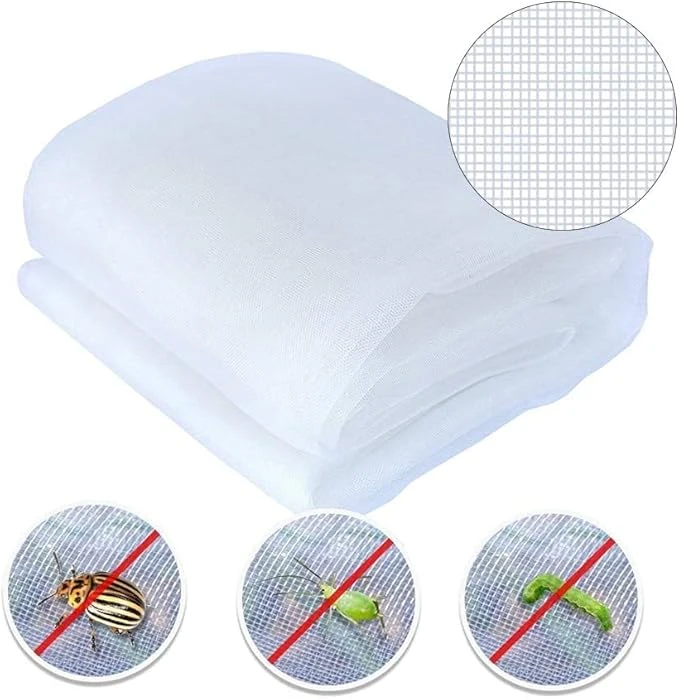
High-Performance anti hail net Solutions for Ecuador Agriculture

Engineered for the diverse climates of the Andes and the Coast, providing ultimate crop protection and durability.

High-Performance anti hail net Solutions for Ecuador Agriculture

Integrating advanced polymer science with metallic precision to safeguard Ecuador's high-value export crops against extreme weather and pest infestations.

Agricultural Protection Landscape in Ecuador

Analyzing the intersection of geography and mesh technology in the Ecuadorian market.

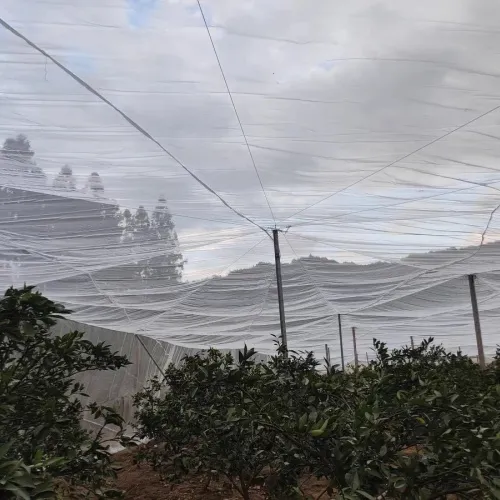
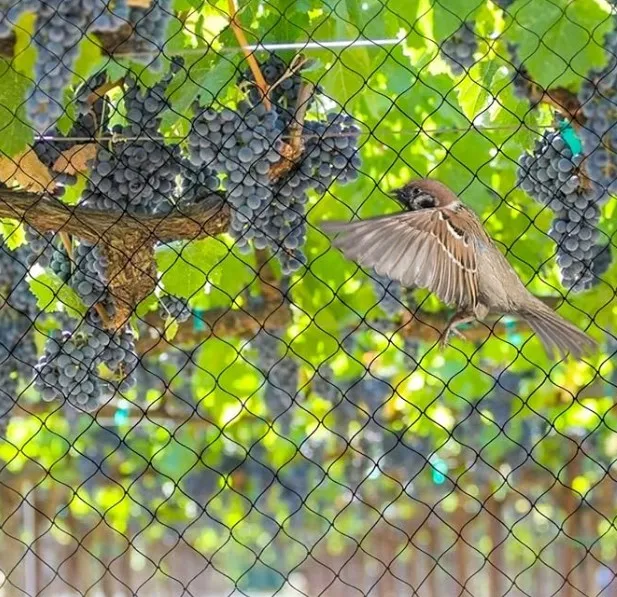
Ecuador's unique topography, ranging from the humid Amazon basin to the high-altitude Andean plateaus, creates a complex environment for crop protection. In regions like Imbabura and Pichincha, sudden hail storms can devastate entire harvests of roses and berries in minutes, making the demand for professional anti hail net critical for economic stability.

The coastal regions face different challenges, where high humidity and tropical pest pressure necessitate the use of high-density insect proof mesh. Traditional farming methods are rapidly transitioning toward precision agriculture to meet global export standards for bananas and cocoa.

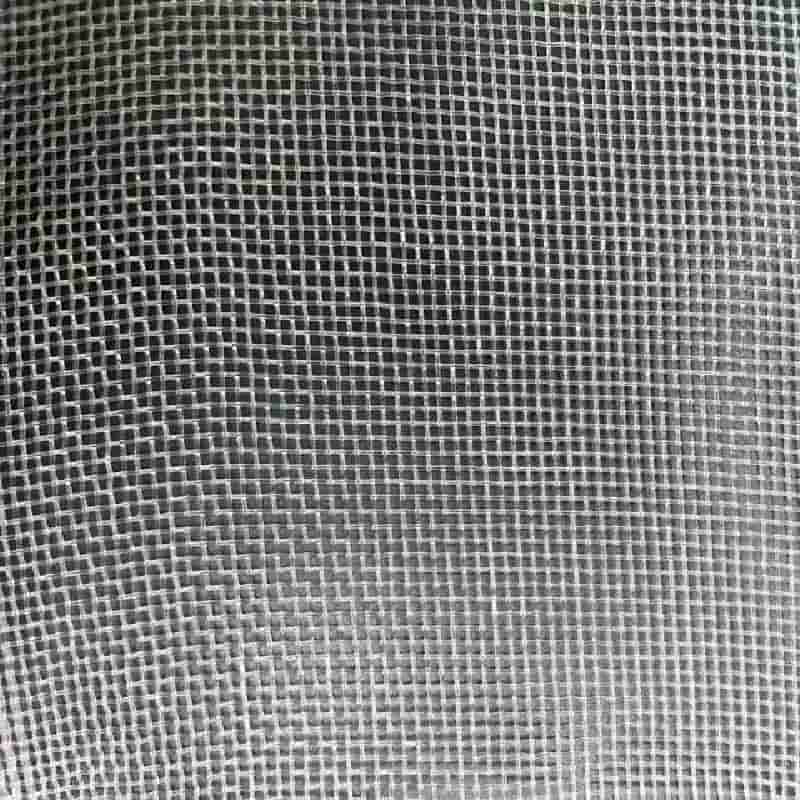
Currently, the market is shifting from low-cost, short-lived plastics to UV-stabilized, industrial-grade materials. The integration of nylon mesh has become a benchmark for those seeking a balance between tensile strength and permeability in volatile weather conditions.
Evolution of Crop Shielding Technology

From traditional weaving to high-tech polymer extrusion.

Market Development History

In the early 2000s, Ecuadorian farmers relied heavily on rudimentary coverings and basic organic barriers. The initial introduction of agricultural net was characterized by basic polyethylene fabrics that suffered from rapid UV degradation under the intense equatorial sun.

Between 2010 and 2020, a technical pivot occurred with the adoption of HDPE (High-Density Polyethylene) and advanced knitting techniques. This era saw the rise of specialized safety mesh for greenhouse structural support, reducing crop loss by nearly 40% in the Andean highlands.

Since 2021, the industry has moved toward "smart" mesh materials. Modern solutions now incorporate anti-drip coatings and specific micron-level pore sizes to target specific pests while maintaining optimal airflow and light transmission for photosynthesis.

Future Development Trends

Biodegradable Polymer Integration

Transitioning toward eco-friendly materials that decompose after their lifecycle, reducing the plastic footprint in Ecuador's fertile soils.

Nano-Coated UV Resistance

Implementing nano-scale metallic coatings to extend the lifespan of nets in high-altitude regions where UV radiation is most severe.

Automated Installation Systems

Development of modular mesh frameworks that can be deployed rapidly across vast plantations via automated tensioning systems.

Strategic Trends and Future Outlook

Projecting the trajectory of protective mesh technology for the next 5 years.

Precision Pest Control
Hyper-specialized mesh apertures tailored to the specific wing-span of Ecuadorian tropical insects.
Climate-Adaptive Polymers
Materials that adjust permeability based on temperature to regulate humidity in greenhouses.
High-Tension Durability
Enhanced tensile strength to withstand the high wind speeds typical of the Andean slopes.
Circular Economy Models
Implementing recycling programs for old mesh to be repurposed into industrial flooring.

Industry Outlook

Based on Google search trends in Latin America, there is a surging interest in "Sustainable Greenhouse Infrastructure." This indicates that Ecuadorian producers are no longer looking for the cheapest solution, but the one with the lowest total cost of ownership (TCO) over a 5-year period.

The future will likely see a convergence of metal-wire support systems and high-polymer netting, creating hybrid structures that provide both the rigid protection of steel and the flexible filtering of modern polymers.

Localized Application Scenarios in Ecuador

Tailored mesh deployment for the specific agricultural needs of the region.

1. Andean Rose Plantations (Cayambe & Tabacundo)

Deployment of heavy-duty anti hail net to protect delicate petals from sudden frost and hail, ensuring premium export quality for the Valentine's Day market.

2. Coastal Banana Estates (Guayas & Los Ríos)

Installation of reinforced safety mesh as windbreaks and structural supports to prevent plant lodging during tropical storm surges.

3. High-Altitude Berry Farms (Cotopaxi)

Integration of insect proof mesh greenhouses to eliminate the need for chemical pesticides, facilitating organic certification for European exports.

4. Organic Vegetable Gardens (Sierra Region)

Use of flexible nylon mesh for trellis support and pest exclusion in small-to-medium scale organic farming cooperatives.

5. Specialized Avocado Orchards (Manabí)

Application of custom-shade agricultural net to optimize sunlight penetration and reduce evapotranspiration in arid coastal pockets.

Brand Story

Global Development Journey of Anping Yongju Metal Products Co., Ltd.

Foundational Excellence

Established in the heart of China's wire mesh capital, focusing on the fundamental engineering of metal filaments to solve industrial filtration problems.

Polymer Diversification

Expanding expertise from pure metal to high-performance polymers, bridging the gap between rigid strength and flexible protection.

Global Quality Standards

Achieving international certifications to ensure every roll of mesh meets the rigorous demands of global agriculture and construction.

Latin American Expansion

Developing specialized logistics and product lines tailored for the South American climate, with a particular focus on the Ecuadorian highlands.

Sustainable Future

Committing to the development of recyclable and long-life mesh solutions to support the global transition toward sustainable farming.

Complete Protection Suite for Ecuador's Agriculture

A comprehensive range of mesh solutions designed for durability and maximum yield.

Ecuador Mesh Implementation FAQ

Technical answers for professional growers and distributors in Ecuador.

What is the best anti hail net density for the Andean highlands?

For the high-altitude regions of Ecuador, we recommend a high-density HDPE mesh with UV stabilization. The density should be balanced to stop hail impacts while allowing sufficient light for crop growth.

How does insect proof mesh reduce pesticide use in organic farming?

By creating a physical barrier that prevents pests from entering the cultivation area, growers can significantly reduce or eliminate chemical sprays, meeting strict organic export standards.

Is nylon mesh suitable for the high humidity of coastal Ecuador?

Yes, high-grade nylon is highly resistant to rot and mildew, making it ideal for the humid coastal provinces like Guayas, where other materials might degrade.

What is the expected lifespan of agricultural net in equatorial UV conditions?

Our UV-stabilized nets are engineered to last 5-8 years depending on the specific application and maintenance, far exceeding standard non-stabilized options.

Can safety mesh be used for greenhouse structural reinforcement?

Absolutely. Our safety mesh provides the necessary tensile strength to support heavy crops and protect the structure from wind-induced stress.

Do you offer customized sizes for specific plantation layouts in Ecuador?

Yes, we provide precision cutting and custom widths to ensure minimum waste and optimal coverage for various plantation geometries.

Request Your Custom Mesh Solution

Contact our technical engineering team to optimize your crop protection strategy in Ecuador.

Contact Us Now
text

If you are interested in our products, you can choose to leave your information here, and we will be in touch with you shortly.