A Practical Guide to Pigeon Safety Nets Price: Costs, Benefits & Trends
Understanding Pigeon Safety Nets Price: A Practical Look at Costs and Benefits
Let’s cut to the chase: pigeon safety nets are more than just mesh barriers keeping pesky birds away. They represent an important investment for urban dwellers, businesses, and municipalities concerned about hygiene, structural integrity, and public health. Naturally, the pigeon safety nets price becomes a key consideration before installation.
Why should anyone care, globally? Well, pigeon-related issues impact countless cities worldwide, leading to costly building damages and sanitation risks. Pigeon control nets offer a humane and effective solution, but prices vary wildly depending on quality, size, and supplier. Grasping these costs is crucial whether you're a property manager in New York, a restaurant owner in Mumbai, or a city planner in Madrid.
Introduction: The Global Context of Pigeon Safety Nets Price
Pigeons thrive near humans, but their droppings damage monuments, contaminate food areas, and carry diseases. According to a 2019 World Health Organization report, urban pigeon infestations cause billions in maintenance and health expenses annually. Consequently, installing safety nets has become industry standard in many regions with dense urban populations and strong bird presence.
However, the challenge lies in balancing price with durability and installation ease. Pigeon safety nets price varies regionally due to material costs, labor, and regulatory standards. For instance, ISO standards for net durability (ISO 16611:2015) influence supplier offerings and costs.
What Are Pigeon Safety Nets and How Does Their Price Matter?
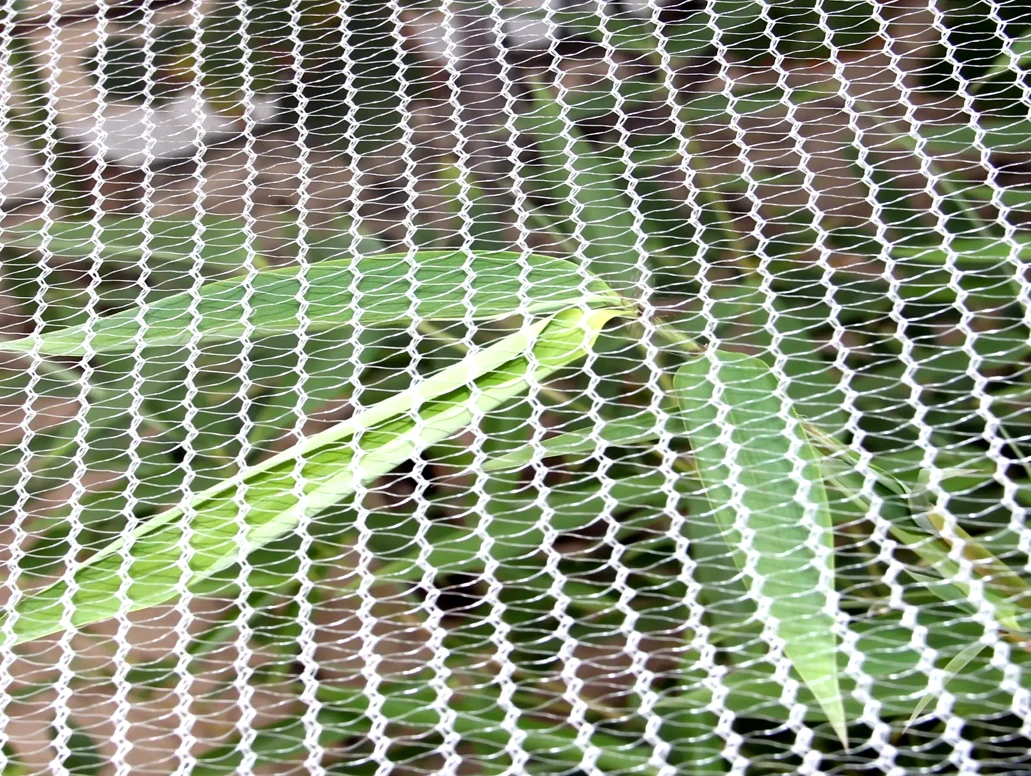
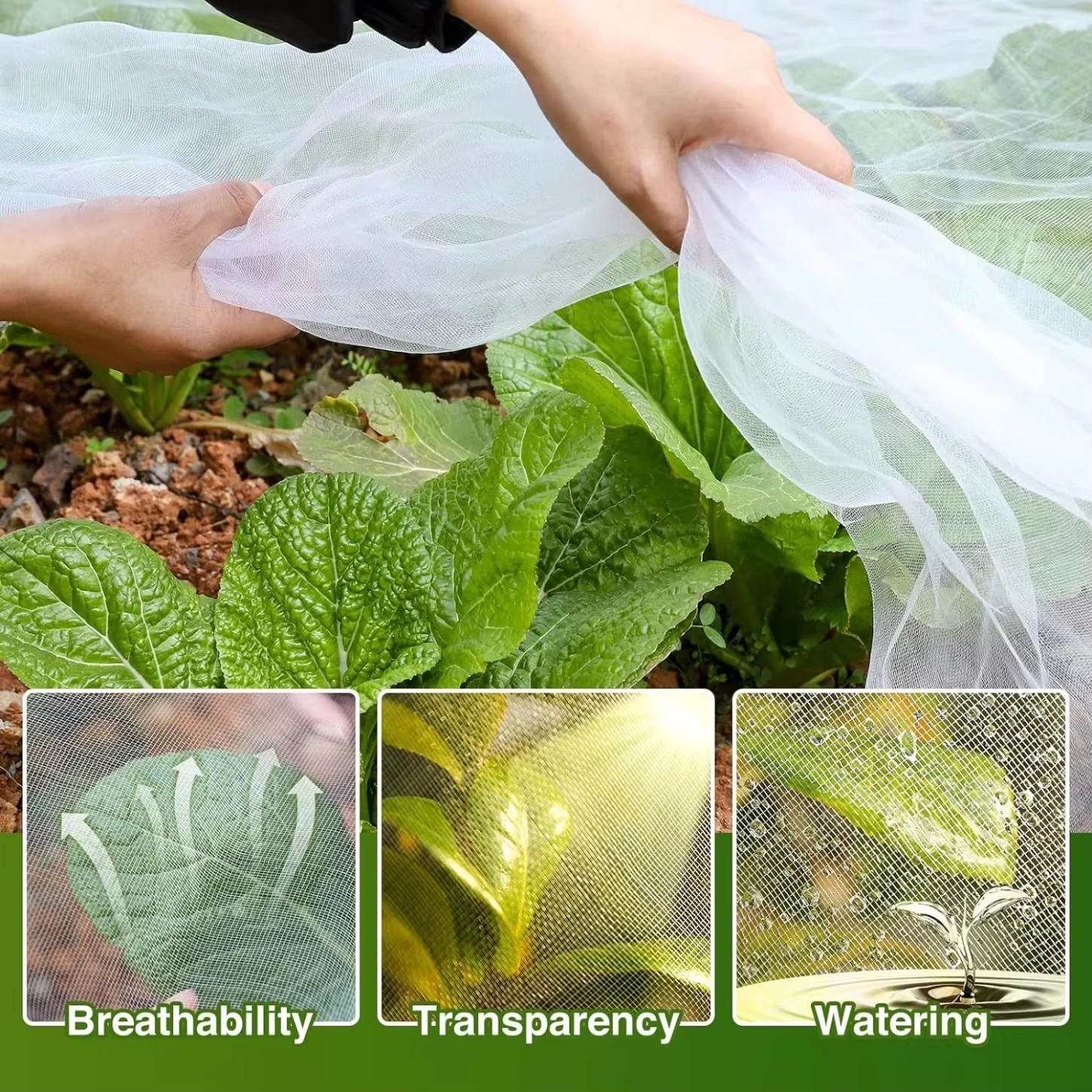
Simply put, pigeon safety nets are durable netted barriers designed to prevent pigeons from roosting or nesting in unwanted areas. The price tag on these nets reflects things like mesh type, thickness, UV resistance, and installation complexity. These nets aren’t just an annoyance fix—they’re linked to protecting heritage sites, industrial complexes, and even food processing plants.
Modern industries increasingly demand high-quality, certified materials that last years under tough environmental exposure. Thus, understanding the nuances of pigeon safety nets price connects directly to operational budgets and long-term sustainability.
Key Factors Influencing Pigeon Safety Nets Price
1. Material Durability
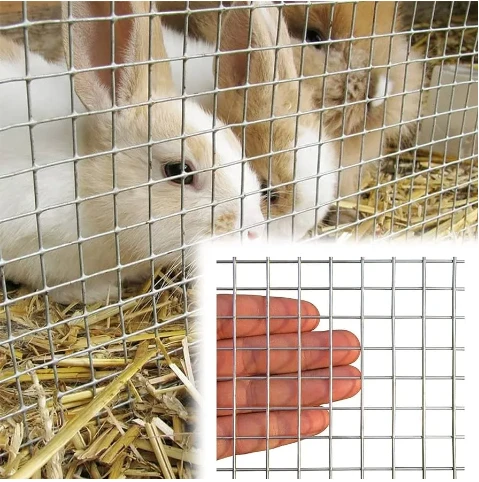
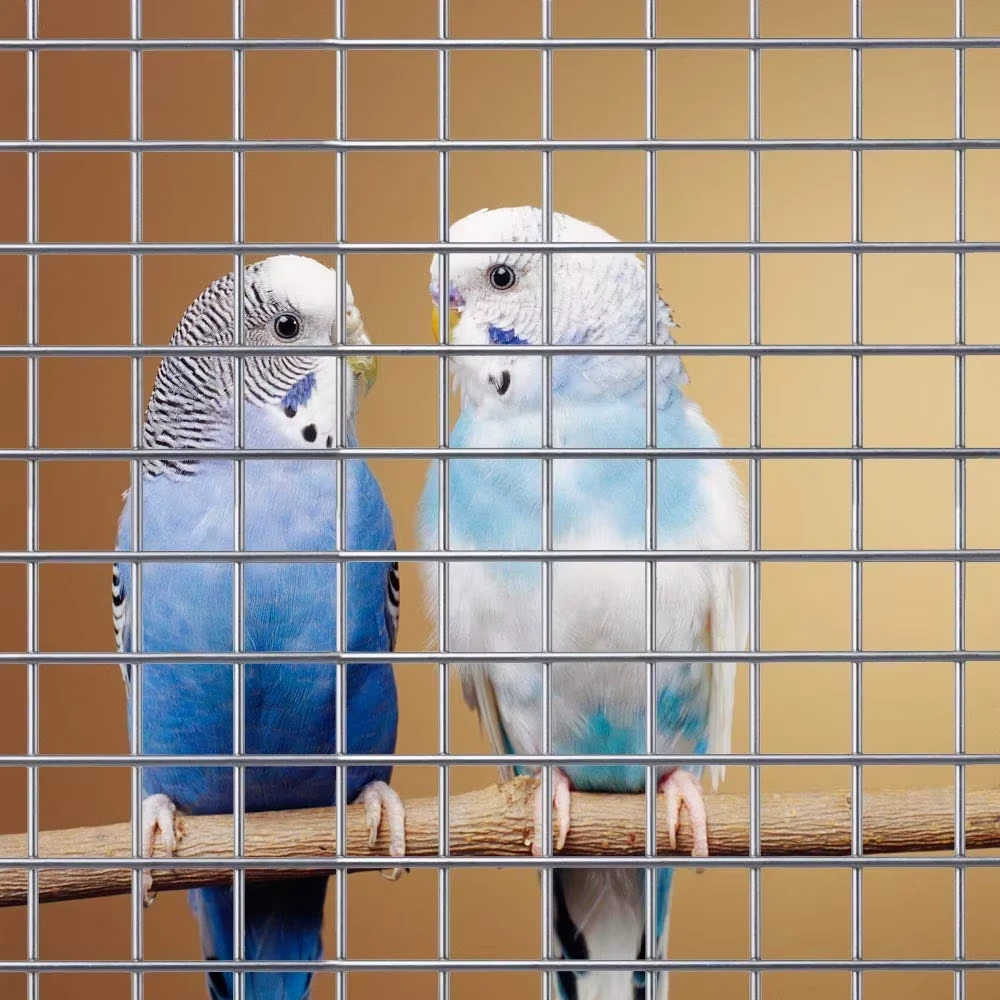
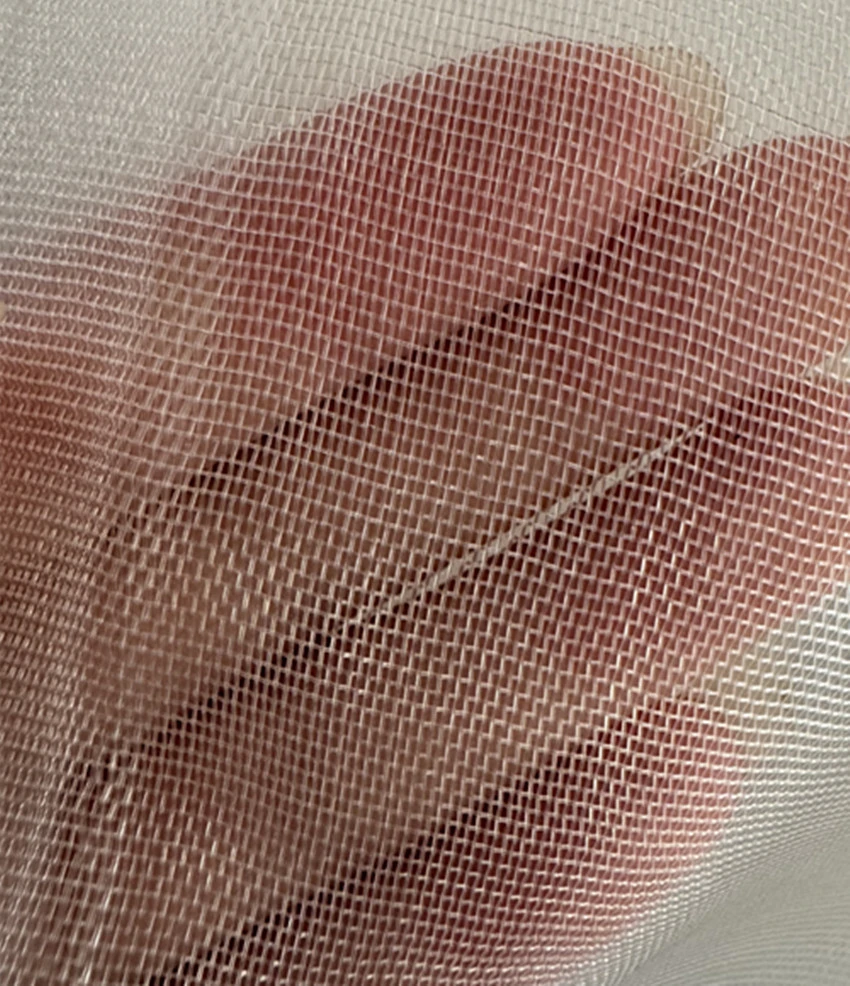
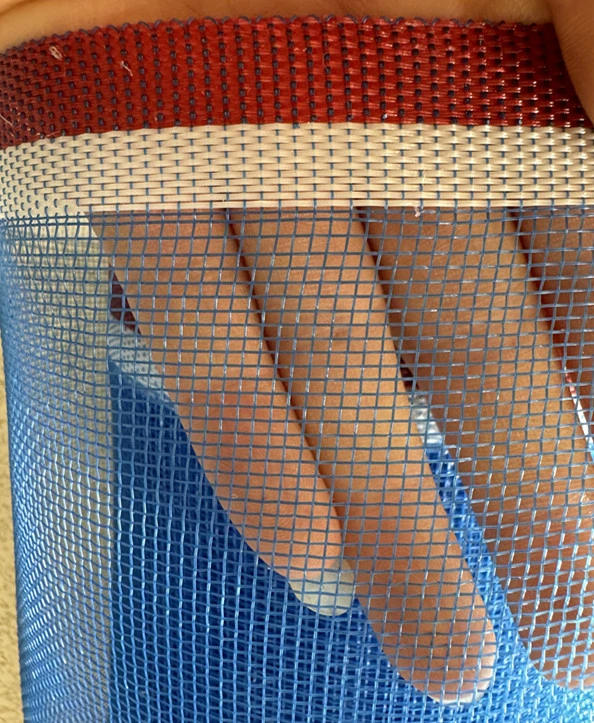
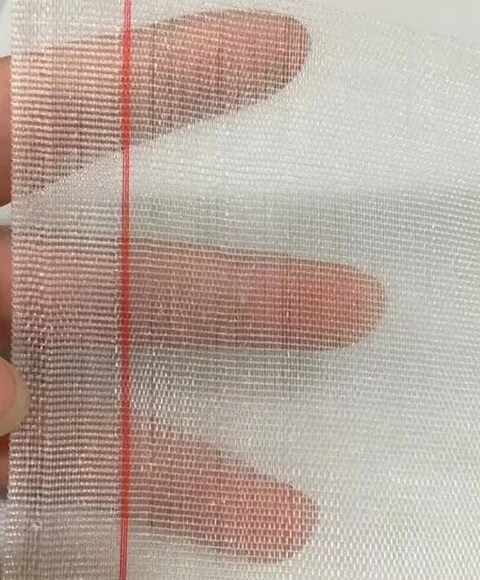
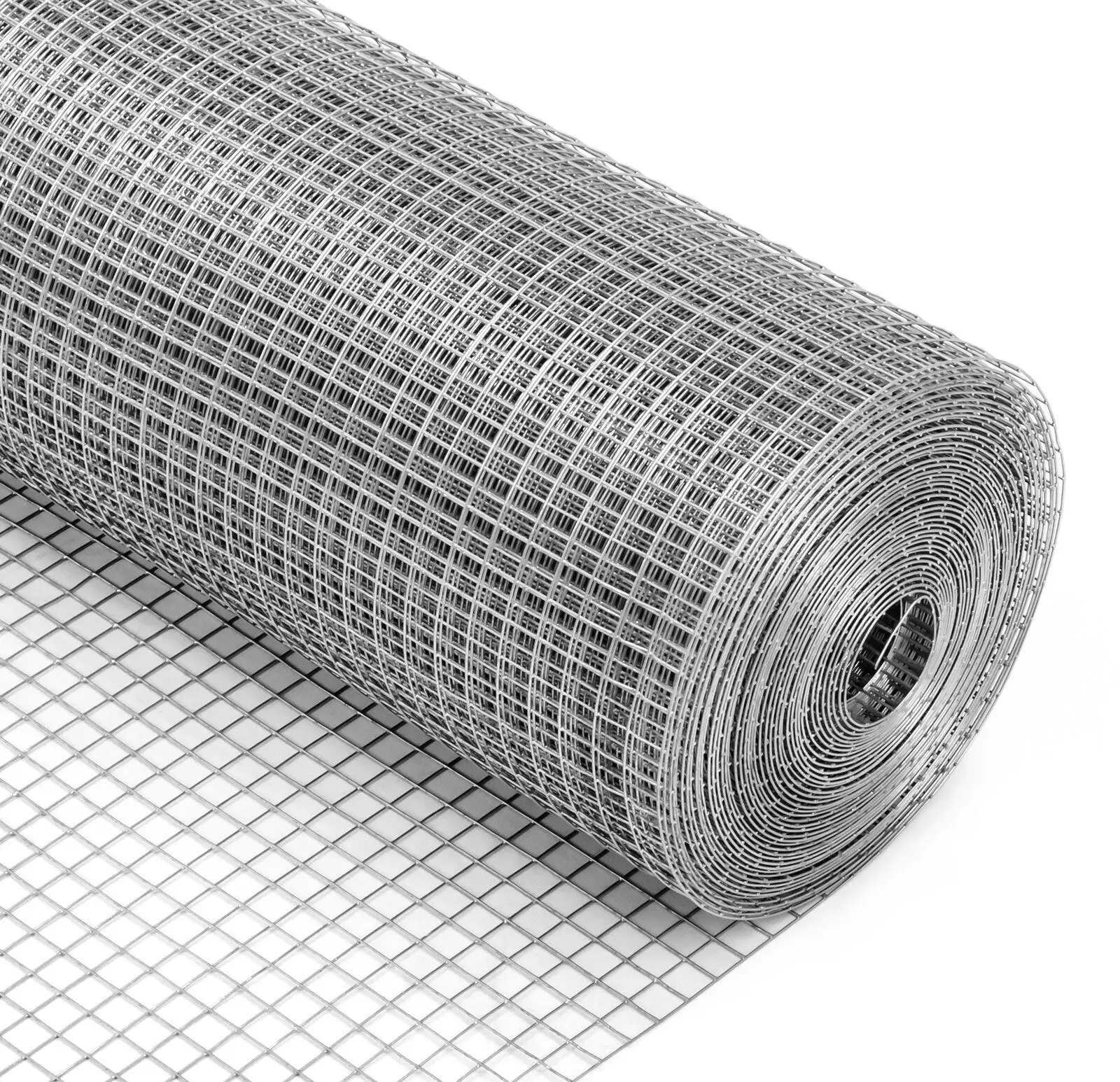
The common materials range from polyethylene to stainless steel wire. Polyethylene nets, while cost-effective, typically offer lifespan around 5 years. Stainless steel is pricier but can resist 15+ years of weather and corrosion. Durability directly impacts replacement frequency, which affects total cost.
2. Mesh Size and Specification
The mesh dimension affects both price and effectiveness. A finer mesh keeps smaller birds out but costs more in material and installation. Larger mesh nets are cheaper but might be less effective against young pigeons or other birds.
3. Installation Complexity
Installing nets around intricate architectural features or large commercial spaces drives up labor costs. Easier setups generally reduce the pigeon safety nets price on the invoice, but may sacrifice custom fit and effectiveness.
4. Regional Pricing Variability
Labor costs, local regulations, taxes, and shipping fees all contribute to price variations. For example, urban centers with strict building codes might demand higher quality nets that are pricier upfront.
Practical Product Specifications at a Glance
| Specification | Polyethylene Net | Stainless Steel Wire Net |
|---|---|---|
| Mesh Size | 12 mm | 10 mm |
| Lifespan | 5 - 7 Years | 15+ Years |
| UV Resistance | High | Very High |
| Weight per m² | 0.3 kg | 1.5 kg |
| Approximate Cost | $3 - $5 / m² | $15 - $25 / m² |
Mini takeaway: The tradeoff is clear—lower upfront pigeon safety nets price for polyethylene corresponds to shorter lifecycle, while stainless steel nets demand higher initial investment but offer durable protection.
Global Applications & Who Benefits?
From historical sites in Europe to food processing plants in Southeast Asia, pigeon nets are everywhere. For example:
- Heritage preservation: Protecting statues and monuments from acidic droppings.
- Hospitality industry: Maintaining hygiene in outdoor restaurants.
- Urban housing: Keeping balconies and windows clean and safe.
- Food manufacturing: Compliance with health codes mandates bird control.
Pigeon safety nets price affects budgets of municipal governments and enterprises alike. Oddly enough, even UN disaster relief agencies incorporate these nets when dealing with temporary shelters prone to bird infestation.
Vendor Comparison: What to Expect in The Marketplace
| Vendor | Material | Price per m² | Warranty | Installation Support |
|---|---|---|---|---|
| YJ Wire Mesh | Polyethylene & Stainless Steel | $5 - $20 | 5 - 15 years | Full |
| Metro Bird Solutions | Polyethylene only | $3 - $7 | 3 years | Limited |
| EcoGuard Nets | Biodegradable Polyethylene | $6 - $12 | 4 years | Full |
Mini takeaway: Different vendors offer a range of materials and warranty options. Choose based on your specific needs, balancing initial cost vs long-term durability.
Advantages & Long-Term Value of Investing Wisely
If you think about it, the decision transcends mere dollars spent. There’s a real value in maintaining safety and cleanliness, fostering trust with customers or residents, and avoiding costly repairs. While the initial pigeon safety nets price may feel high especially for premium materials, the avoidance of structural corrosion, cleaning charges, and disease risk can save tens of thousands over time.
One hospitality manager I chatted with recently remarked how investing in quality nets led to a 40% drop in maintenance costs and improved customer feedback about outdoor dining spaces. There’s also something reassuring about employing humane, aesthetically pleasing barriers instead of bird spikes or chemical repellants, which can look harsh and be environmentally questionable.
Emerging Trends & Innovations
Looking ahead, the pigeon safety nets market is embracing greener, more sustainable materials. Biodegradable polymers and nets infused with anti-microbial treatments help reduce environmental impact and inhibit pest-borne diseases. Digital tools now aid in precise mesh design and monitoring installations through drones. Automation of installation, especially for skyscrapers, is becoming more common, optimizing labor and further affecting net pricing structures.
Challenges & Solutions
Of course, no solution is perfect. Some challenges include:
- Installation in complex architectures: Requires custom designs that can spike prices.
- Material degradation in harsh climates: Long-term UV and salt exposure can weaken nets faster than expected.
- Maintenance requirements: Nets occasionally get damaged or clogged and need cleaning or repair.
Experts suggest proactive maintenance contracts and choosing high-spec materials aligned with local conditions mitigate most problems. Also, consulting vendors who provide installation support can save unforeseen costs.
Frequently Asked Questions About Pigeon Safety Nets Price
Q1: Why do prices vary so much between polyethylene and stainless steel nets?
A: Polyethylene nets are lightweight and cheaper but have a shorter lifespan. Stainless steel is expensive upfront but lasts much longer, resisting corrosion and damage better, which can lower total life-cycle costs.
Q2: How can I estimate installation costs alongside net prices?
A: Installation depends on site complexity, building height, and local labor rates. Typically, installation adds 30-50% extra to the net material price. Getting vendor quotes including this is essential.
Q3: Are there eco-friendly pigeon nets available?
A: Yes, some vendors offer biodegradable polyethylene nets or nets made from recycled materials to reduce environmental impact without raising costs significantly.
Q4: What warranties should I expect when buying pigeon safety nets?
A: Warranties vary but usually range from 3 to 15 years, depending on material quality. Always clarify warranty terms and check coverage for UV and weather degradation.
Conclusion: Why Understanding Pigeon Safety Nets Price Matters
In real terms, pigeon safety nets price reflects a balance of durability, material quality, installation complexity, and environmental considerations. Investing thoughtfully ensures not only protection from nuisances and damage but long-term savings and peace of mind. Considering different materials, vendors, and emerging trends can help you make an informed choice that truly suits your setting and budget.
For detailed quotes, tailored options, and expert advice, be sure to visit pigeon safety nets price and explore current offerings.
Mini takeaway: Don’t just buy a net—invest in a lasting solution that protects your property and community with minimal fuss.
References
-
High Quality Anti Bird Agro Net for Professional Crop ProtectionNewsApr.16,2026
-
Guide to Bird Netting Cost Per Square Foot and Material OptionsNewsApr.09,2026
-
Comprehensive Guide to Bird Netting Cost Factors and Material ChoicesNewsApr.07,2026
-
Comprehensive Guide to Bird Net for Balcony Cost and Installation OptionsNewsApr.04,2026
-
Comprehensive Guide to Bird Netting Price and Effective Protection SolutionsNewsMar.31,2026
-
Comprehensive Guide to Nylon Bird Net Price Factors and OptionsNewsMar.28,2026