Comprehensive Guide to Bird Net for Balcony Cost and Installation Options
Bird Net for Balcony Cost: A Comprehensive Guide
Protecting your balcony garden or outdoor living space from birds can be a surprisingly affordable endeavor. This guide delves into the costs associated with bird netting for balconies, breaking down the factors that influence price, different material options, and installation considerations. Whether you’re a DIY enthusiast or prefer professional installation, understanding these costs will help you make an informed decision. We'll cover everything from basic netting rolls to custom-fit solutions and explore how to get the best value for your investment.
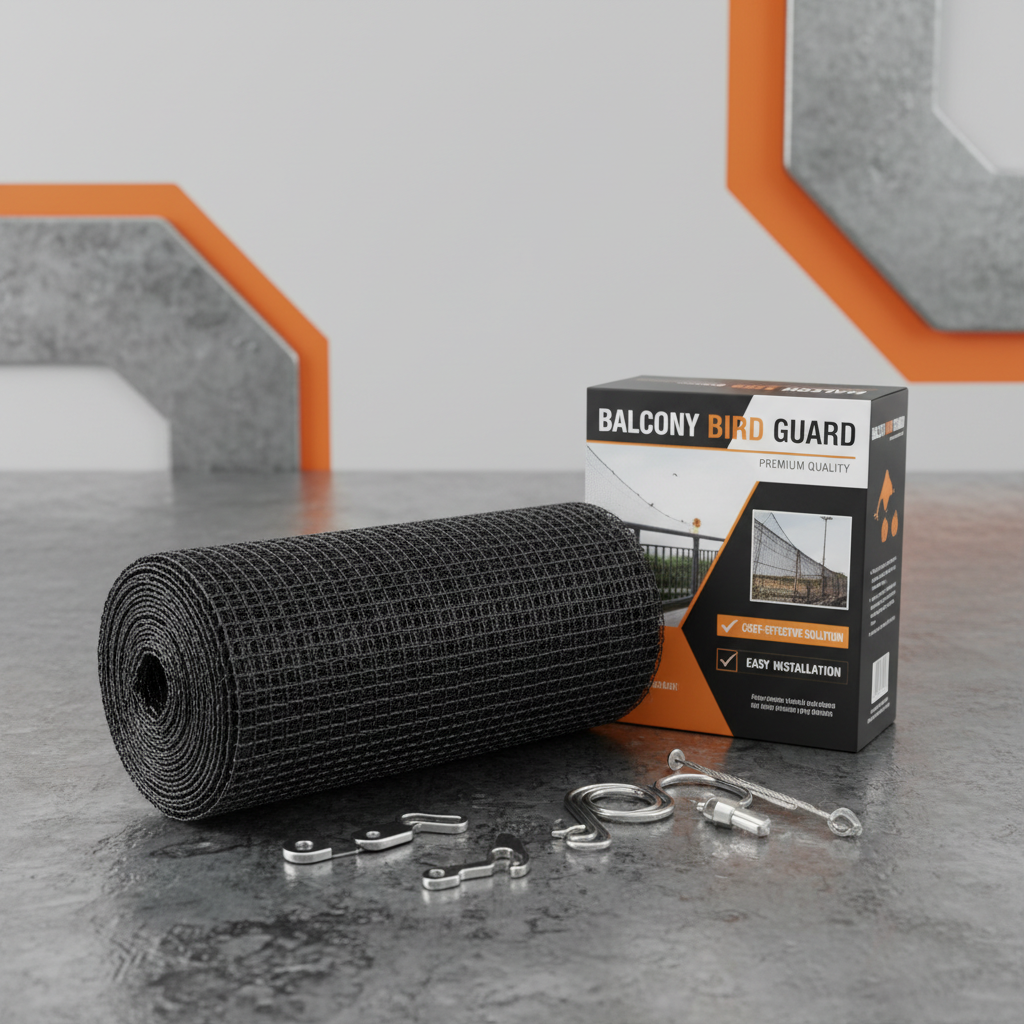
Factors Influencing the Cost of Bird Netting
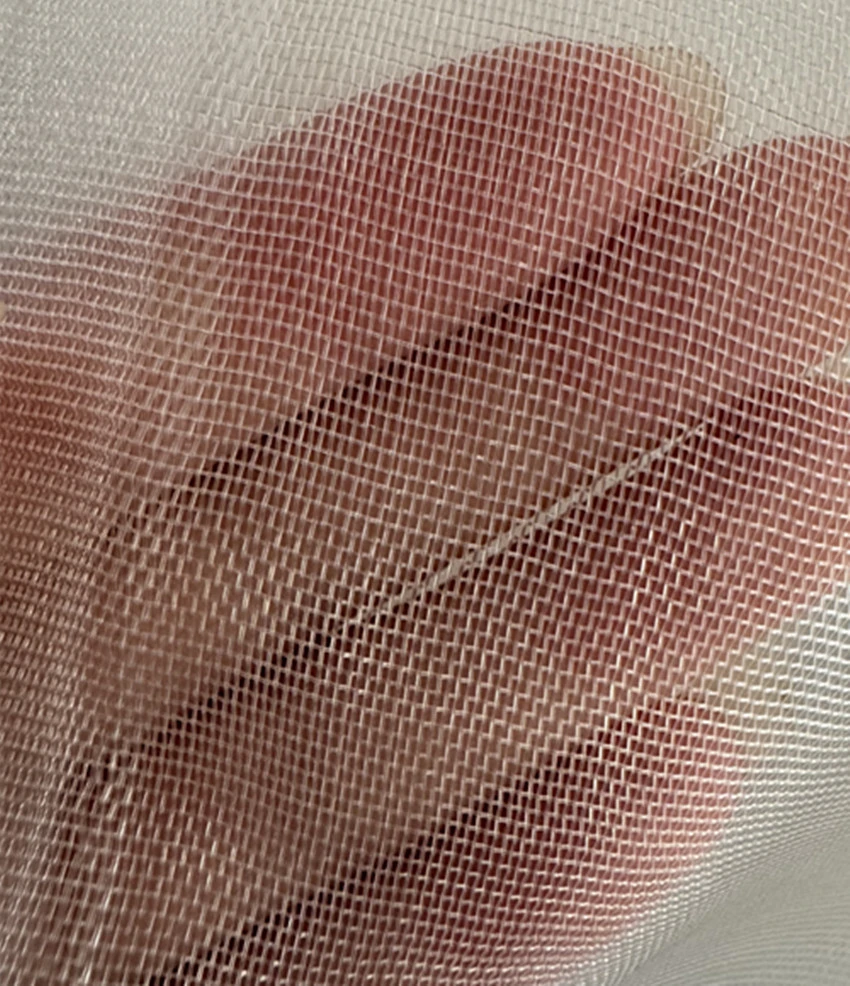
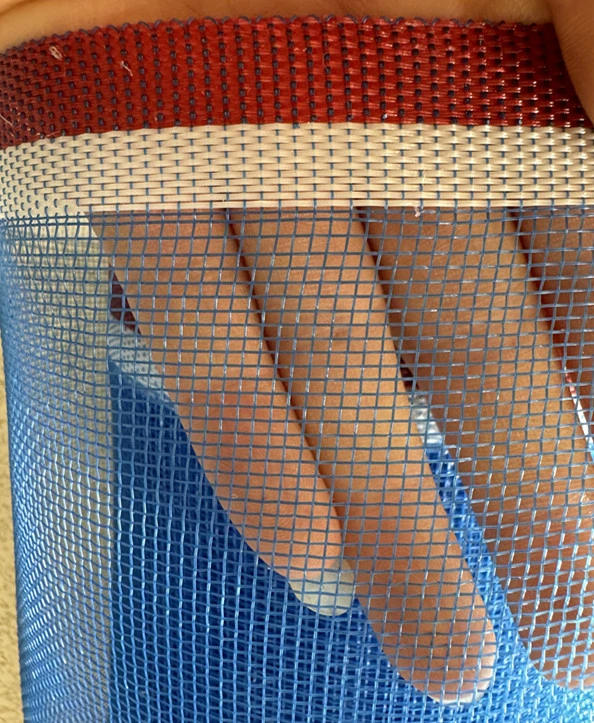
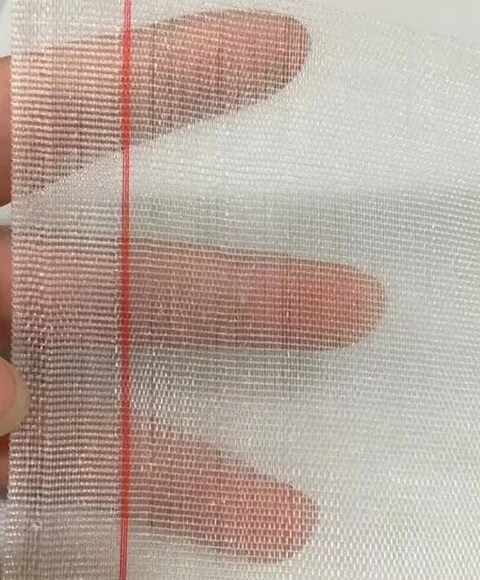
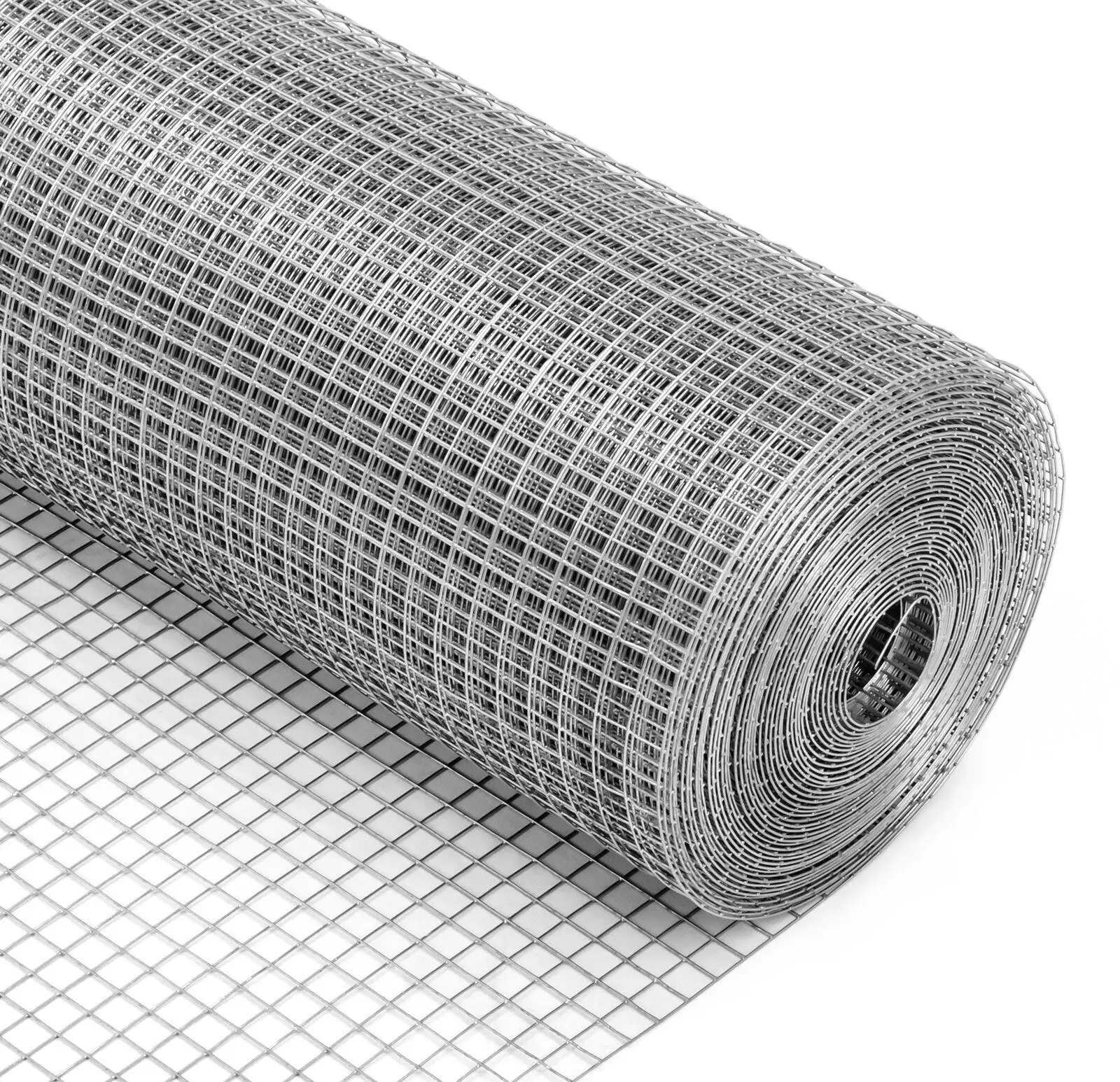
Several factors determine the final cost of bird netting for your balcony. The size of your balcony is a primary driver, as larger spaces naturally require more netting material. The type of netting material significantly impacts price – nylon, polyethylene, and stainless steel each come with different cost points and levels of durability. Installation method also plays a role, with DIY solutions being cheaper but requiring your time and effort, while professional installation adds to the overall expense. Finally, the complexity of the installation – whether it’s a simple drape or requires a more intricate framework – will affect the cost. Understanding these variables is key to budgeting effectively.
Key Considerations: Balcony size, netting material (nylon, polyethylene, stainless steel), installation method (DIY vs. Professional), installation complexity.
Bird Netting Material Costs: A Comparison
The material you choose has a direct impact on both the initial cost and the longevity of your bird netting. Here's a breakdown of common materials and their price ranges (estimates are per square meter):
DIY vs. Professional Installation: A Cost Breakdown
Choosing between a DIY installation and hiring a professional will significantly impact your overall costs. DIY is considerably cheaper, requiring only the cost of the netting and any necessary hardware like hooks, zip ties, or rope. However, it demands your time, effort, and potentially some DIY skills. Professional installation, while more expensive, offers convenience and ensures a secure, properly fitted net. Here’s a rough cost comparison:
Installation Cost Comparison:
• DIY: $20 - $100 (depending on hardware needed)
• Professional Installation: $150 - $500+ (depending on balcony size and complexity)
Estimating Your Total Bird Netting Cost
To estimate your total cost, consider the following: Measure your balcony's dimensions to calculate the square footage of netting needed. Choose a material based on your budget and desired durability. Decide whether to install it yourself or hire a professional. Add the cost of any necessary hardware (hooks, zip ties, rope, etc.). For example, a 10 square meter balcony with polyethylene netting and DIY installation might cost between $50 and $80. A larger balcony (20 square meters) with stainless steel netting and professional installation could easily exceed $500. YJ Wiremesh offers competitive pricing and a range of options to suit your needs.
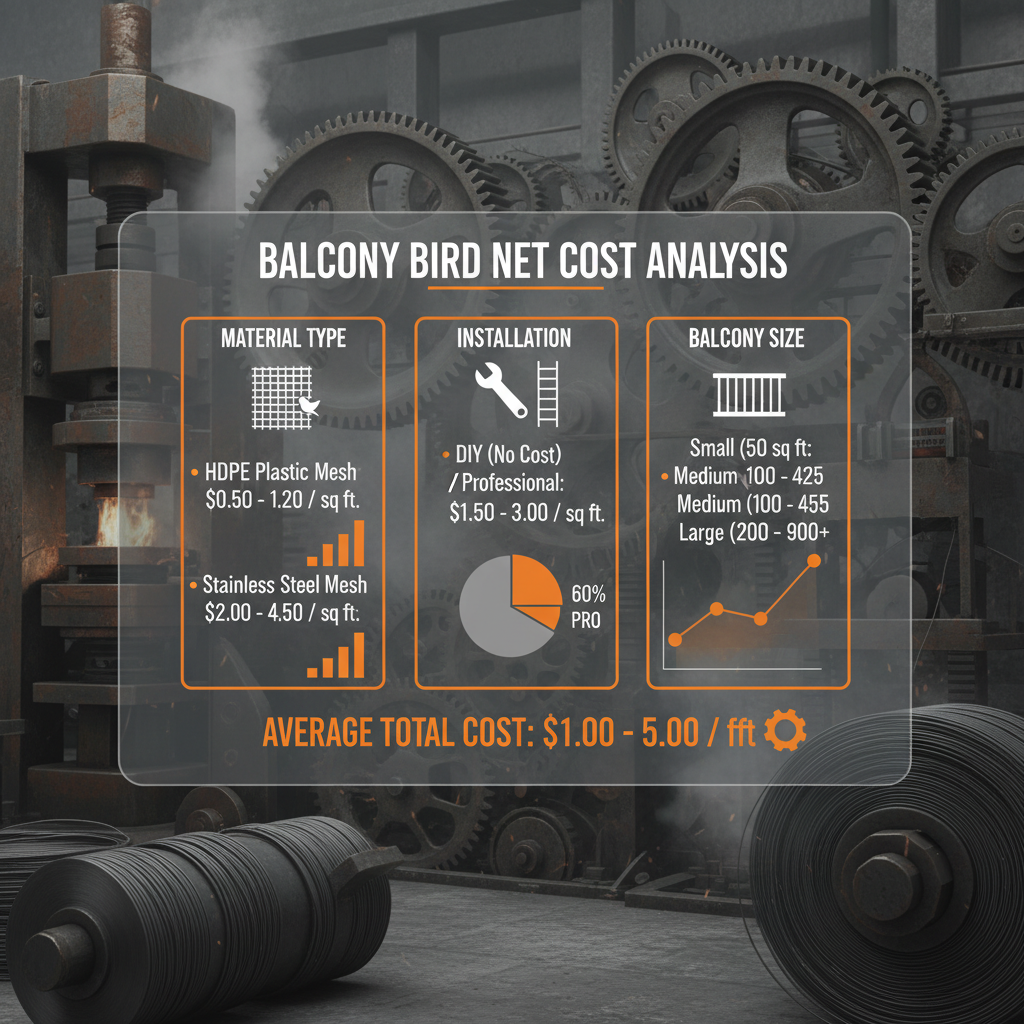
Factors that Can Increase Costs
Several factors can unexpectedly increase the cost of your bird netting project. Complex balcony shapes or obstructions may require custom cutting or additional materials. If you live in a high-rise building, accessing your balcony for installation might necessitate specialized equipment or permits, increasing professional installation costs. Choosing higher-quality hardware (like stainless steel hooks) will also add to the expense. Finally, unexpected issues like damaged railings requiring repair before netting installation can contribute to unforeseen costs.
Conclusion: Protecting Your Balcony Within Budget
Investing in bird netting for your balcony is a cost-effective way to protect your plants and enjoy your outdoor space. By carefully considering the factors outlined in this guide, you can accurately estimate your costs and choose the best solution for your needs and budget. Don’t let birds ruin your balcony oasis – take control and create a peaceful, bird-free environment!
Frequently Asked Questions (FAQs)
What is the best netting material for coastal areas with salty air?
For coastal areas, stainless steel netting is the most recommended option due to its exceptional resistance to corrosion from salt air. While more expensive upfront, its longevity and durability make it a cost-effective choice in the long run. Nylon and polyethylene, while cheaper, will degrade more quickly in a saltwater environment and require more frequent replacement. Proper rinsing with fresh water can help prolong the life of nylon or polyethylene netting, but stainless steel remains the most reliable solution for harsh coastal conditions.
How often will I need to replace the bird netting?
The replacement frequency depends on the material and environmental factors. Polyethylene netting typically lasts 2-3 years, nylon can last 3-5 years, and stainless steel can last 10+ years with proper care. Exposure to strong sunlight, extreme weather, and physical damage will shorten the lifespan. Regular inspections for tears, holes, or degradation are crucial. Replacing the netting proactively is important to ensure continued protection.
Can bird netting damage my balcony railings?
If installed incorrectly, bird netting can potentially damage balcony railings. Using abrasive materials to tie the netting can scratch or wear down the railing's finish. Tightening the netting excessively can also cause stress or warping. Using soft ties, hooks designed for railings, and ensuring a loose but secure fit are essential to prevent damage. Professional installation is recommended if you're concerned about potential railing damage.
Is bird netting an effective deterrent against all types of birds?
Bird netting is highly effective against most common balcony birds, such as pigeons, sparrows, and starlings. However, larger birds or those determined to access your balcony might still find a way through. The mesh size of the netting is critical – smaller mesh sizes are more effective against smaller birds. Combining netting with other deterrents, such as visual repellents or sonic devices, can further enhance its effectiveness.
-
High Quality Anti Bird Agro Net for Professional Crop ProtectionNewsApr.16,2026
-
Guide to Bird Netting Cost Per Square Foot and Material OptionsNewsApr.09,2026
-
Comprehensive Guide to Bird Netting Cost Factors and Material ChoicesNewsApr.07,2026
-
Comprehensive Guide to Bird Netting Price and Effective Protection SolutionsNewsMar.31,2026
-
Comprehensive Guide to Nylon Bird Net Price Factors and OptionsNewsMar.28,2026