Agricultural Bird Netting: Durable Crop Protection Solutions
Agricultural Bird Netting: Practical Protection for Your Crops
Having spent well over a decade in the industrial equipment sector—mostly surrounded by the hum of heavy machinery and the gritty details of materials science—I’ve come across countless solutions designed for the agriculture industry. One seemingly simple but vital product is agricultural bird netting. If you haven’t considered it yet, the reason might be that its role often goes underappreciated until you see a flock of clever birds decimating your freshly planted fruits or vegetables.
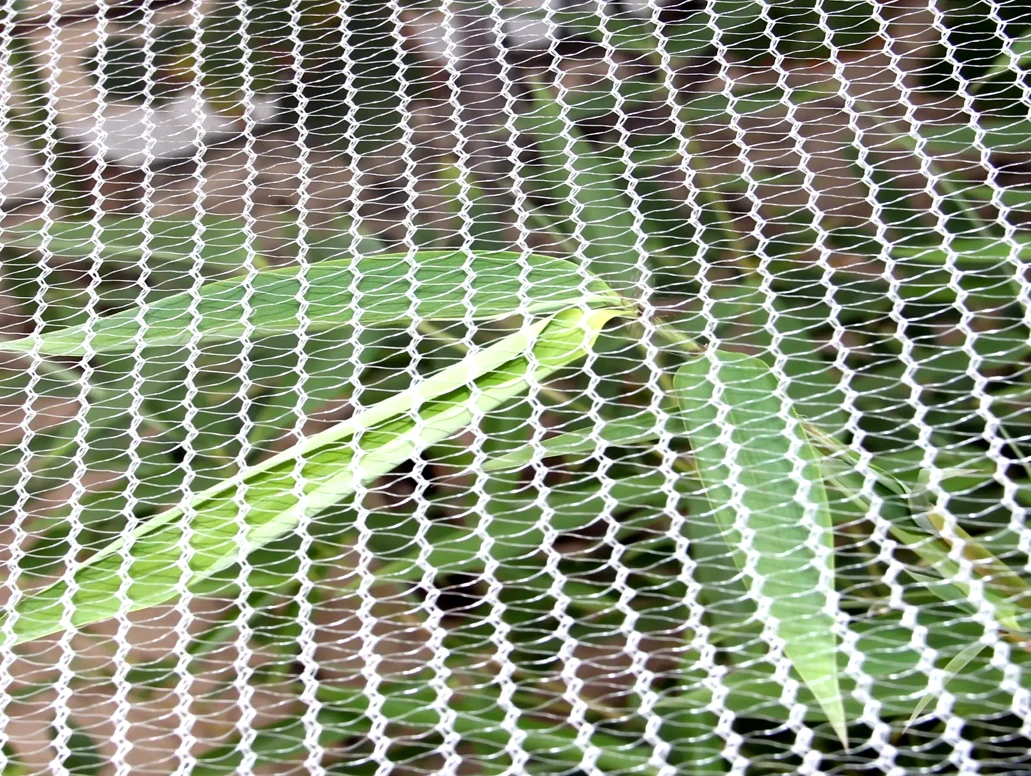
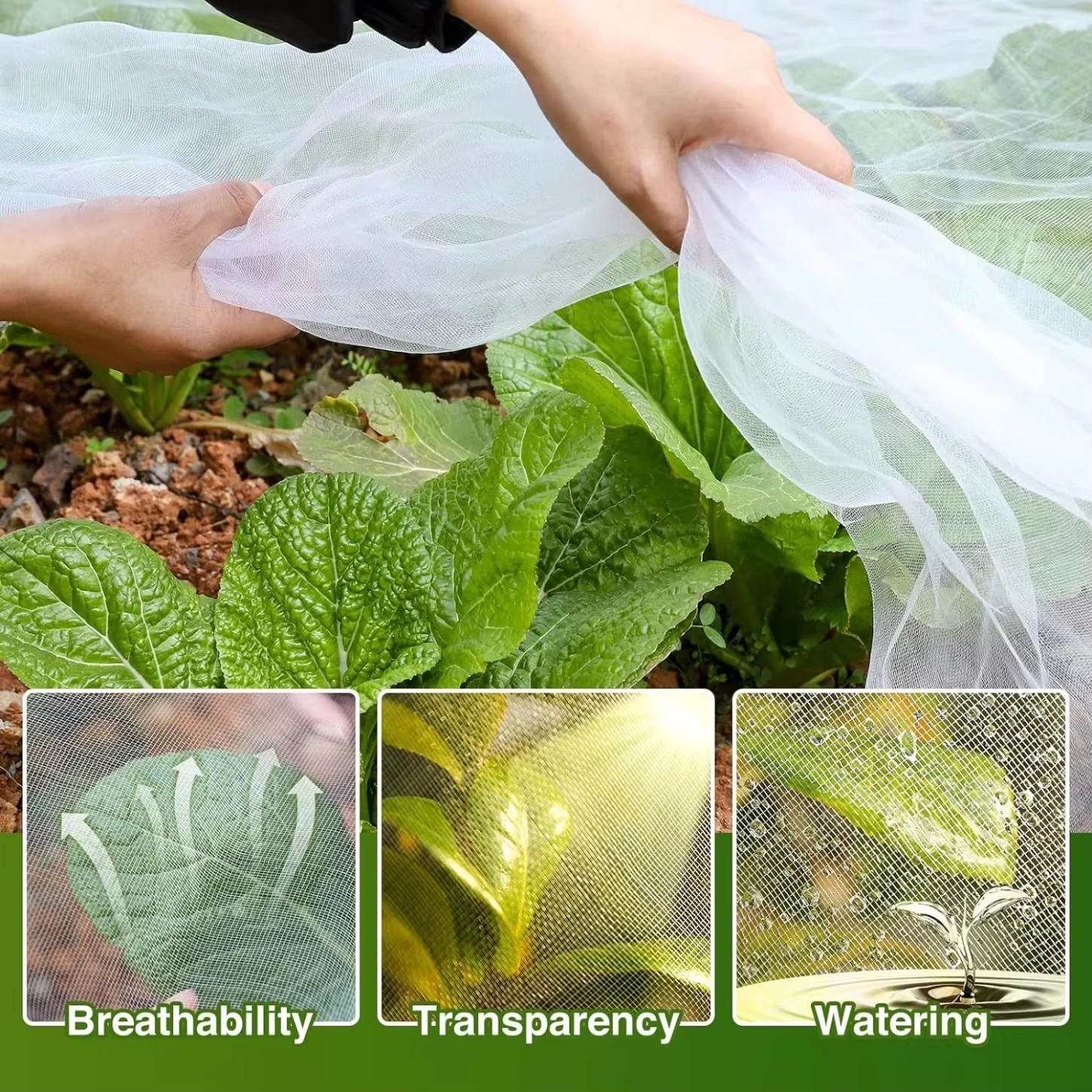
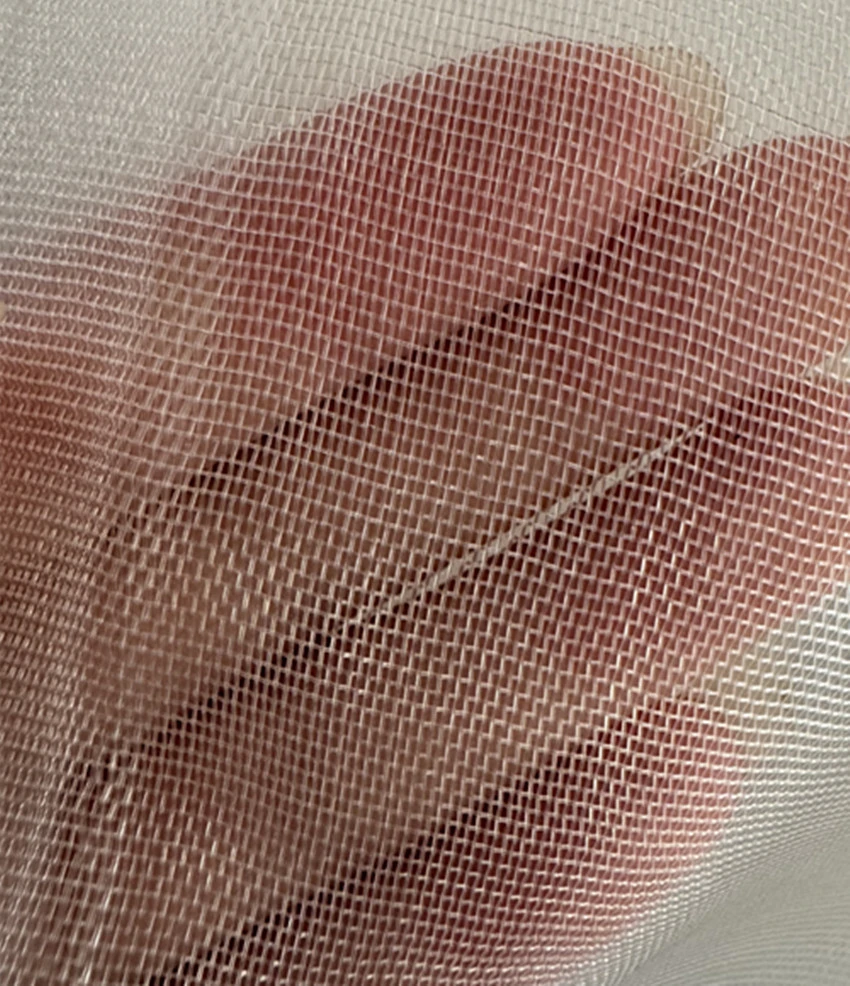
Birds can cause surprisingly significant losses, whether in vineyards, orchards, or berry patches. That's where bird netting steps in—not as an afterthought, but as a well-engineered barrier that blends durability, flexibility, and subtlety. The netting’s job is to keep the birds away while letting sunlight, air, and water through without damaging the crop or environment.
Now, the industry has seen a few trends over the last years. Materials have shifted from brittle plastics to more robust polyethylene and nylon yarns with UV stabilization. This means the netting can endure sun exposure, rain, and even harsh windstorms without tearing or degrading quickly. Frankly, it’s impressive how some of these nets can easily last 4-6 seasons, depending on use and care.
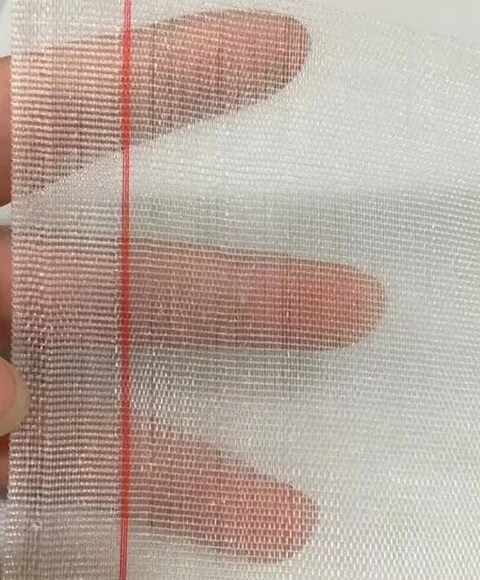
I recall visiting a vineyard in California where the manager swore by a specific type of netting that felt almost invisible from a distance—critical for aesthetics in a tourist-friendly location. The idea isn’t just keeping birds out; it’s doing so without creating an eyesore or interfering with routine vineyard operations. This balance is something many farmers appreciate.
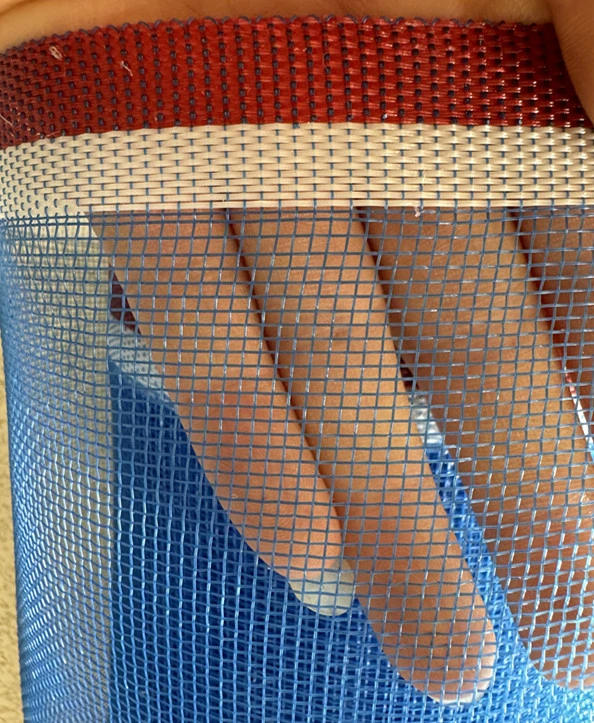
In terms of design, nettings come in various mesh sizes and thread thicknesses to target different bird species and crop types. For example, a tighter mesh keeps out smaller birds, but may restrict air flow more. Conversely, a more open weave is easier to install and less noticeable but only effective against larger birds.
| Specification | Range/Value |
|---|---|
| Material | UV Stabilized HDPE or Nylon |
| Mesh Size | 15 mm – 40 mm (varies by application) |
| Thickness | ~0.3 – 0.5 mm |
| Color | Green, Black, White |
| Roll Length | 25 – 100 meters |
| UV Resistance | Up to 4+ years |
One often overlooked feature is customization. Many suppliers now offer custom mesh sizes and roll lengths tailored specifically to your crop's vulnerability and field layout. This flexibility can significantly reduce waste and installation effort—something a busy farm manager always appreciates.
Speaking of suppliers, I collected a brief comparison of a few prominent vendors that many in the field mention:
| Vendor | Material Quality | Customization | Price Range | Lead Time |
|---|---|---|---|---|
| YJ Wire Mesh | High-grade UV stabilized HDPE | Full custom mesh & roll size | Moderate | 2-4 weeks |
| Vendor B | Standard plastic mesh | Limited sizes | Lower | 1-2 weeks |
| Vendor C | Premium nylon mesh | Some options | Higher | 3-5 weeks |
Oddly enough, while price often matters the most, the tradeoff between quality and cost can be stark. In real terms, a cheaper net that unravels mid-season could end up costing more than a robust UV-stabilized option that lasts several years. You know, investing in quality nets, like those offered by YJ Wire Mesh, often pays off—especially when it comes with customization.
Before buying, I always recommend asking about UV resistance testing and field-proven lifespan. Manufacturers who share this data openly tend to be more trustworthy. Also, check if the netting is certified for environmental safety, because crops and ecosystems thrive better without toxic materials.
One customer I spoke with in Oregon described how switching to custom agricultural bird netting improved their blueberry yields by nearly 25%—a substantive figure when margins are thin. They told me, “It’s like we finally stopped fighting nature and started working alongside it.” And that, I suppose, is the best kind of technology.
In summary, agricultural bird netting is an unsung hero for many growers. It's deceptively simple but requires thoughtful selection and installation to get the most benefit.
That said, investing time to pick the right netting can save countless hours and dollars on crop protection. It feels worth it, doesn’t it?
References:
- “Advances in UV-Stabilized Polyethylene Netting.” Journal of Agricultural Materials, 2021.
- YJ Wire Mesh Product Brochures and Technical Datasheets, 2023.
- Field interviews with Pacific Northwest fruit growers, 2022.
-
High Quality Anti Bird Agro Net for Professional Crop ProtectionNewsApr.16,2026
-
Guide to Bird Netting Cost Per Square Foot and Material OptionsNewsApr.09,2026
-
Comprehensive Guide to Bird Netting Cost Factors and Material ChoicesNewsApr.07,2026
-
Comprehensive Guide to Bird Net for Balcony Cost and Installation OptionsNewsApr.04,2026
-
Comprehensive Guide to Bird Netting Price and Effective Protection SolutionsNewsMar.31,2026
-
Comprehensive Guide to Nylon Bird Net Price Factors and OptionsNewsMar.28,2026