Butterfly Protection Netting: Durable & Eco-Friendly Solutions for B2B Industries
Butterfly Protection Netting is a key solution in industries where the delicate balance between environment and infrastructure must be meticulously maintained. Frankly, it’s a product many B2B decision makers find indispensable when safeguarding sensitive areas, be it in agriculture, manufacturing, or even construction. This article explores how https://www.yjwiremesh.com supports professionals with durable, high-performance products, and explains why this solution is often the ideal choice for businesses operating in these sectors.
Table of Contents
- Butterfly Protection Netting Overview
- Benefits & Use Cases of Butterfly Protection Netting
- Cost, Maintenance & User Experience
- Sustainability & Market Trends
- Frequently Asked Questions
- Conclusion on Butterfly Protection Netting from China
Butterfly Protection Netting Overview
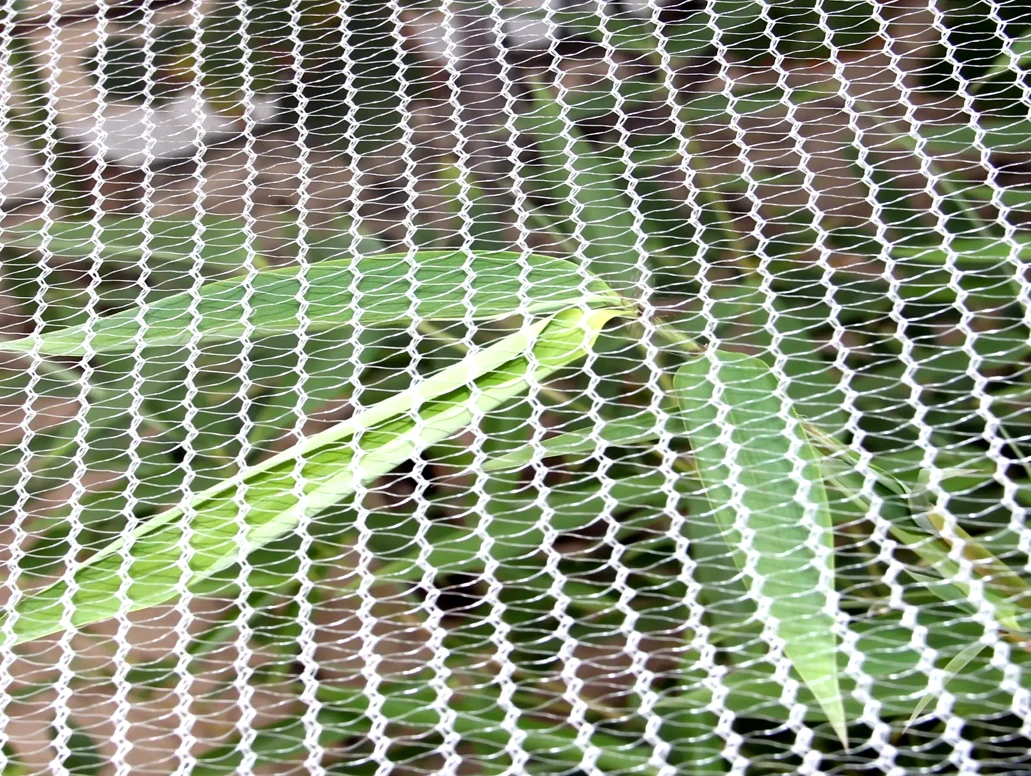
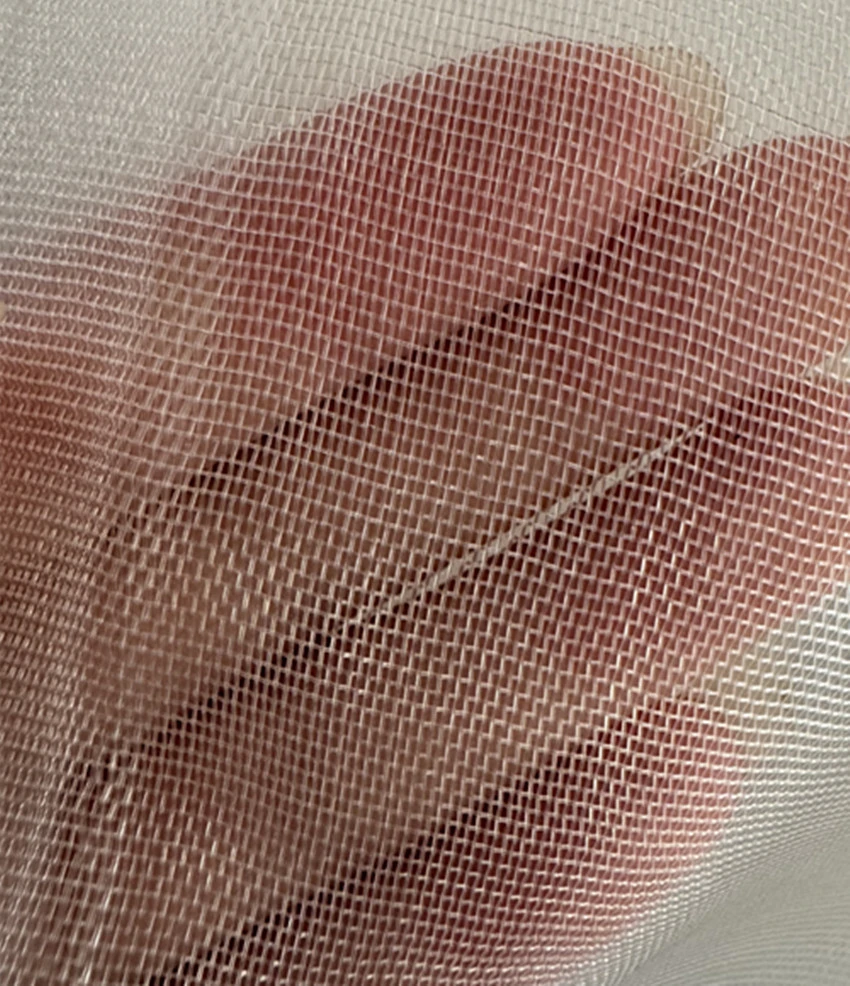
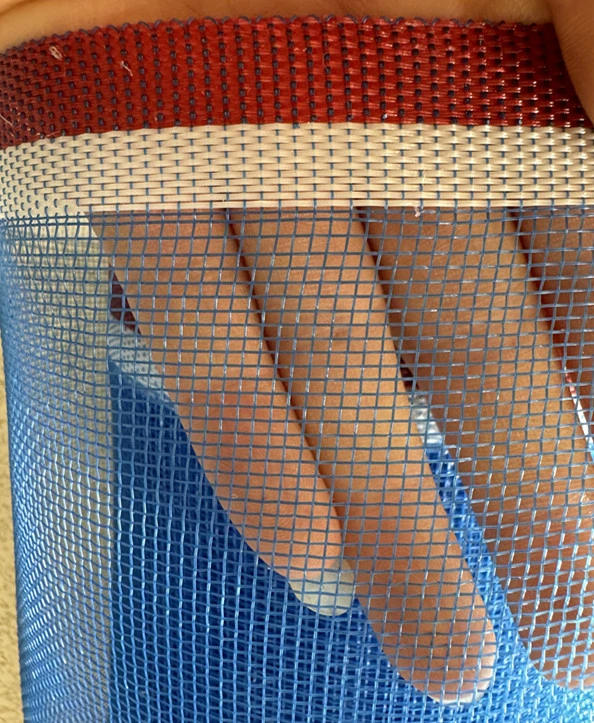
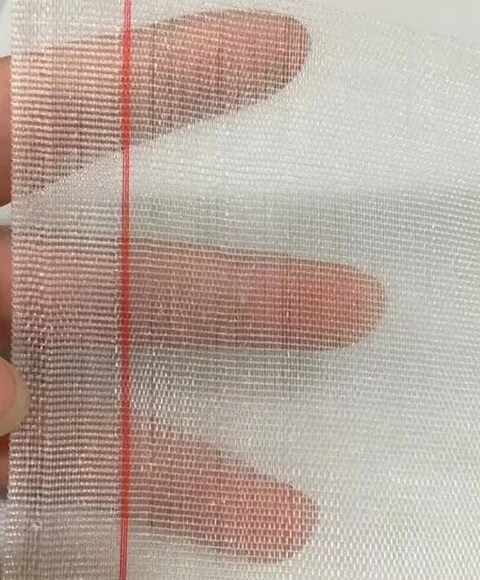
Butterfly Protection Netting might sound niche at first, but it’s frankly a clever piece of industrial equipment designed to protect environments from unwanted intrusions of butterflies or other sensitive flying insects that could disrupt production or delicate ecosystems. It’s not just about keeping pests out; sometimes it’s about safeguarding pollinators or ensuring that certain zones remain insect-controlled for health or scientific reasons. For industries like agriculture, specialized greenhouses, or even some manufacturing areas, this netting offers a breathable, durable barrier with precision-engineered mesh sizes specifically tailored for butterflies.
- The netting is typically fabricated with high-tensile polyester fibers coated with UV-resistant PVC, ensuring longevity under harsh outdoor conditions.
- Mesh size generally ranges from 15mm to 25mm diamond-shaped openings, which selectively block butterflies while letting smaller beneficial insects pass.
| Specification | Details |
|---|---|
| Material | Polyester fiber with UV-stabilized PVC coating |
| Mesh Size | 15mm to 25mm diamond pattern |
| Color Options | Black, Green, White |
| Weight | 50-70 g/m² |
| Durability | 5+ years outdoor use |
Benefits & Use Cases of Butterfly Protection Netting
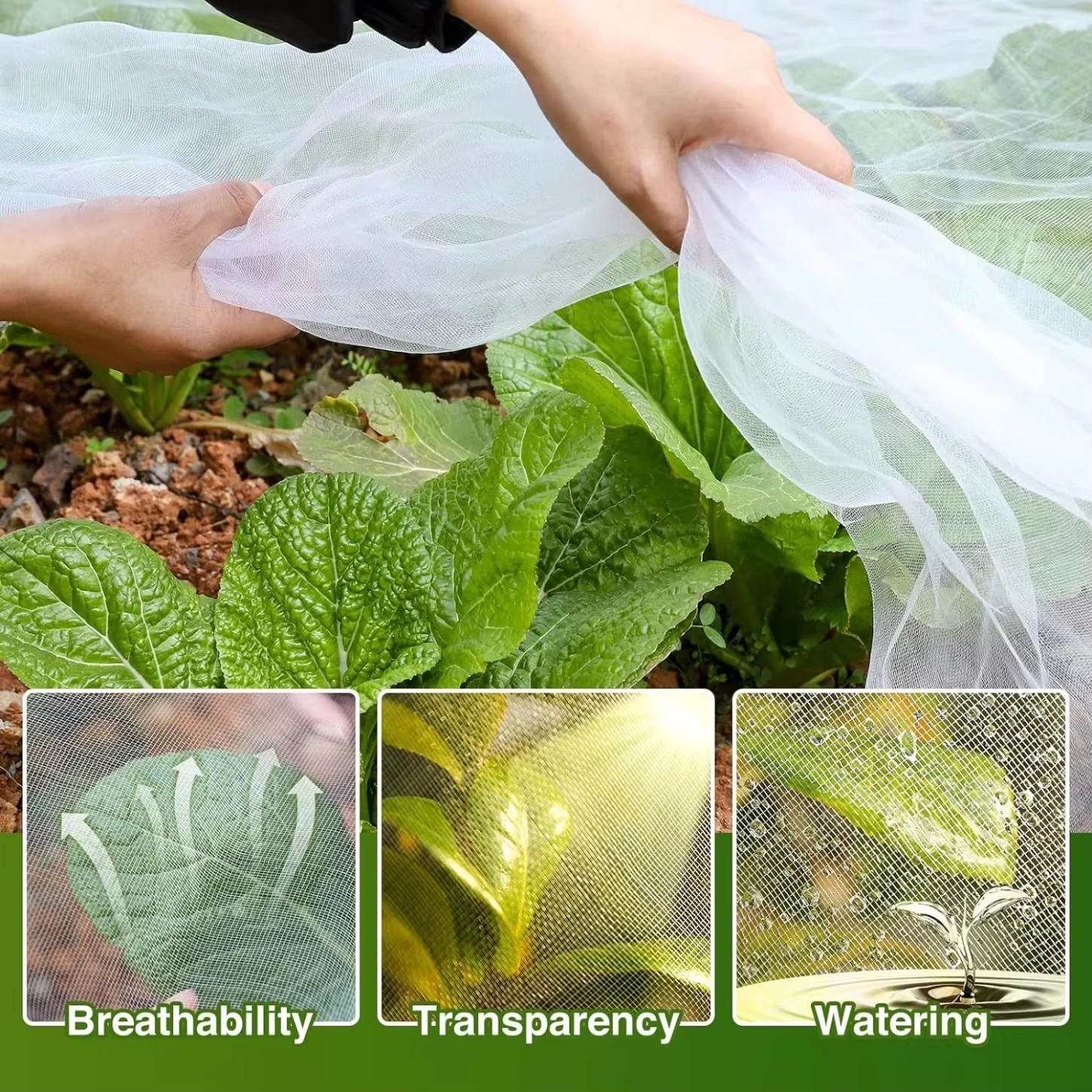
In real terms, the biggest advantage industry insiders swear by is how this netting balances protection with ecological sensitivity. Agricultural operations rely on it to shield crops from butterfly larvae that might otherwise damage the plants, while still allowing sunlight and air to permeate through the weave. Greenhouses for plants that need a controlled environment also benefit – it’s kind of like having a guard that keeps the wrong visitors out but doesn’t suffocate the ecosystem. Plus, its UV resistance and tensile strength mean fewer replacements and less downtime.
- Use in eco-sensitive agricultural zones to protect crops from invasive butterfly species.
- Employing Butterfly Protection Netting in botanical research facilities to isolate experimental plots.
- Industrial applications where controlled airflow with insect exclusion is critical.
| Vendor | Material Quality | Customization Options | UV Resistance | Typical Price Range |
|---|---|---|---|---|
| YJ Wire Mesh | High-grade polyester with PVC coating | Yes, mesh size, color, size | Excellent (5+ years) | $$$ |
| Competitor A | Standard polyester | Limited | Moderate (3 years) | $$ |
| Competitor B | Basic nylon netting | No | Low (1-2 years) | $ |
Cost, Maintenance & User Experience
Considering total cost of ownership, Butterfly Protection Netting from trusted suppliers feels like a wise investment. The PVC-coated polyester stands up remarkably well against UV exposure and mechanical wear, meaning replacements aren't needed every year, which frankly eases the budget pressure. A case in point: a major greenhouse operator told me they saved around 20% on maintenance compared to traditional netting solutions.
- Durability reduces frequency of replacement, lowering long-term costs.
- Customer feedback often highlights ease of installation and effective insect exclusion.
Sustainability & Market Trends
A broader look at Butterfly Protection Netting reveals an encouraging shift toward sustainability. With ecological regulations tightening globally and industries increasingly valuing minimal environmental disruption, products that reduce pesticide use and physical damage to crops are gaining traction. Oddly enough, netting solutions that maintain biodiversity while protecting assets are becoming a strategic choice rather than just a cost issue. Industry growth projections confirm increased uptake as more businesses seek eco-friendly, efficient protective measures.
Frequently Asked Questions about Butterfly Protection Netting
- What is Butterfly Protection Netting and how does it work?
- It’s a specialized netting designed to block butterflies and similar-sized insects by using mesh openings sized precisely to exclude these species — all while allowing air and light to flow through. It essentially forms a physical barrier without chemicals.
- What are the main benefits of using Butterfly Protection Netting in industrial applications?
- Key benefits include high durability, UV resistance, cost-efficiency over time, and eco-friendly protection that reduces the need for pesticides or other chemical controls.
- How does Butterfly Protection Netting compare to traditional alternatives?
- Unlike simple nylon or mesh nets, it offers longer lifespan, better UV resistance, and customization options that ensure fit-for-purpose use across various industries.
- What industries can benefit most from Butterfly Protection Netting implementation?
- Agricultural farms, greenhouse growers, botanical research facilities, and certain manufacturing plants where insect control is key are primary beneficiaries of this tech.
Conclusion on Butterfly Protection Netting from china
To sum up, Butterfly Protection Netting is more than just a barrier; it’s a practical, sustainable solution tailored to nuanced industrial needs. For many businesses, especially those keen on marrying performance with eco-consciousness, it feels like a no-brainer. And for those interested, a great place to start is always https://www.yjwiremesh.com, offering competitive products backed by solid expertise.
- A versatile choice that respects both ecological and economic priorities.
- Customized, durable, and backed by real-world use.
1. Industry reports on agricultural netting, FAO publications
2. Customer case studies from YJ Wire Mesh
3. Market trend analysis from Environmental Technology Review
-
High Quality Anti Bird Agro Net for Professional Crop ProtectionNewsApr.16,2026
-
Guide to Bird Netting Cost Per Square Foot and Material OptionsNewsApr.09,2026
-
Comprehensive Guide to Bird Netting Cost Factors and Material ChoicesNewsApr.07,2026
-
Comprehensive Guide to Bird Net for Balcony Cost and Installation OptionsNewsApr.04,2026
-
Comprehensive Guide to Bird Netting Price and Effective Protection SolutionsNewsMar.31,2026
-
Comprehensive Guide to Nylon Bird Net Price Factors and OptionsNewsMar.28,2026