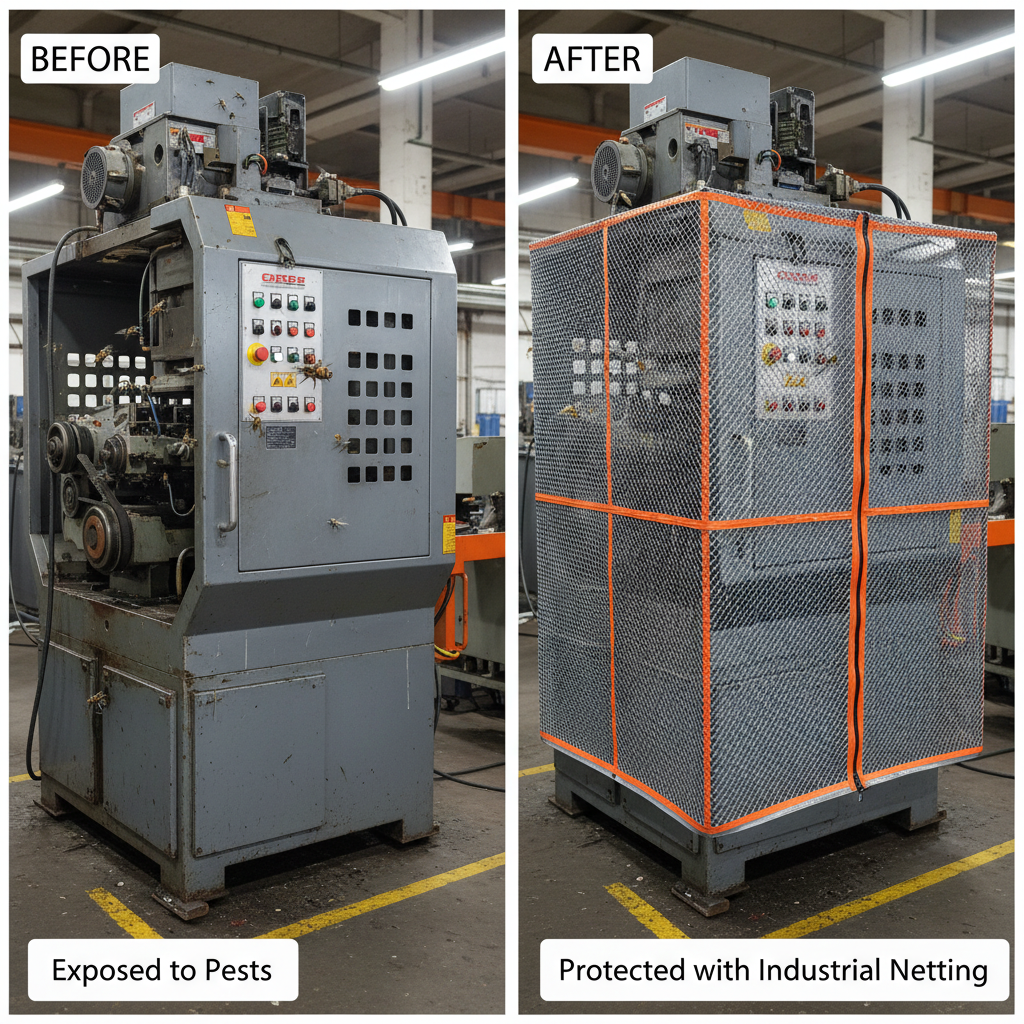
Look, I've spent the last twenty years getting dirt under my fingernails on construction sites, and let me tell you, dealing with bugs is a constant battle. It doesn't matter if you're building a hospital, a school, or someone’s home – insects find a way in, causing delays, material damage, and even health concerns. That’s where reliable netting to keep bugs out comes into play. It's not just about convenience; it’s about protecting the integrity of the project and the well-being of the people working on it and eventually inhabiting the space.
We’re seeing a bigger focus on preventative measures, and rightfully so. Fixing insect-related problems after they occur is expensive and time-consuming. Good netting to keep bugs out acts as a first line of defense, cutting down on costly remediation and ensuring projects stay on schedule. I've seen projects stalled for weeks because of infestations – that's money flying out the window.
The demand is driven by more than just practicality, too. Building codes are getting stricter, and clients are increasingly aware of the importance of pest control in creating healthy indoor environments. It’s no longer a ‘nice-to-have’; it’s often a requirement, and frankly, it should be.
The Importance of Bug-Proofing in Construction
I've seen firsthand how much damage insects can cause on a build site. Termites can compromise structural integrity, mosquitoes spread disease, and even small insects can contaminate sensitive materials. Using netting to keep bugs out isn't just about following regulations; it's about protecting the investment and ensuring the longevity of the structure. We’re talking about avoiding costly repairs down the line.
It’s also a safety issue. Workers aren’t going to be productive – and they shouldn’t be – in environments swarming with pests. Plus, certain insects can trigger allergic reactions or transmit diseases. Proper netting solutions contribute to a healthier and safer work environment, which is paramount.
Defining Effective Netting Solutions
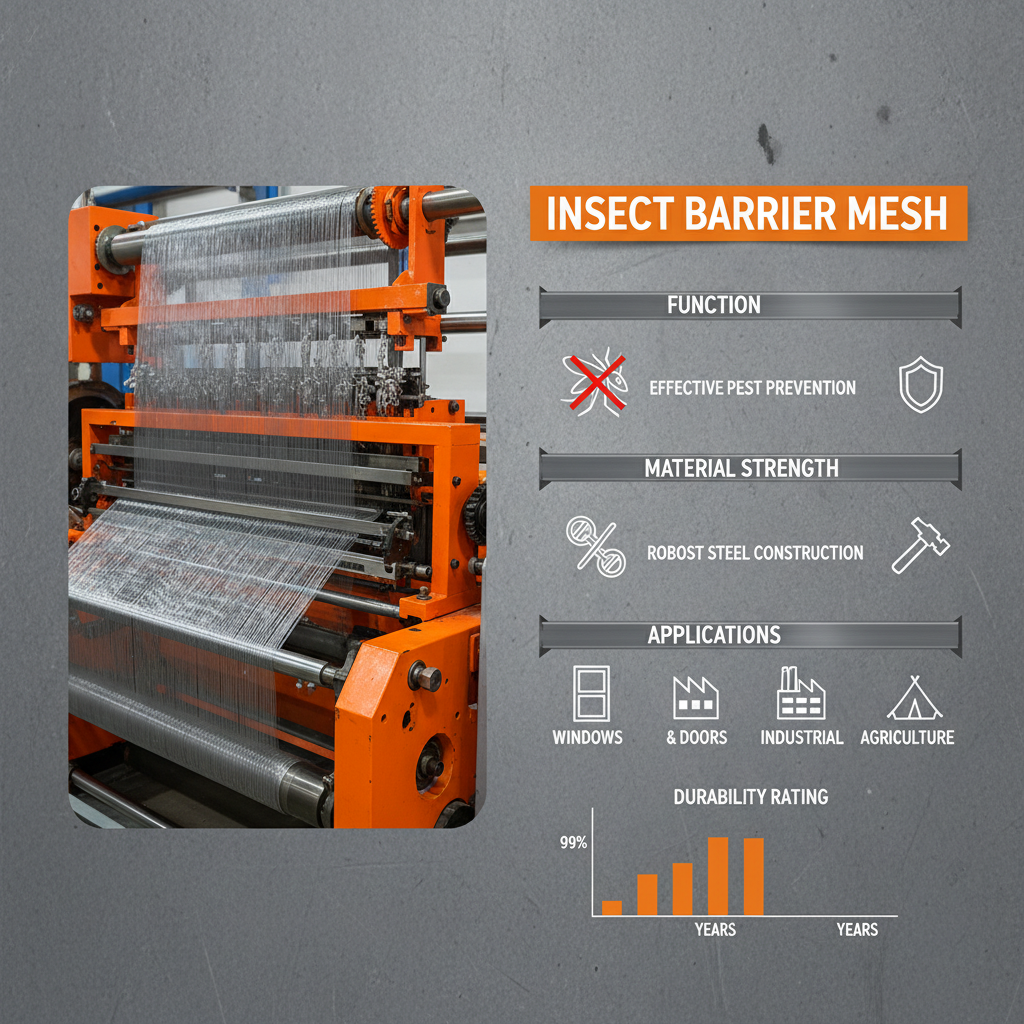
When I talk about "effective netting," I'm not just talking about slapping up some flimsy screen. It’s about selecting the right material for the specific application. You need to consider mesh size – what size insects are you trying to exclude? You also need to think about the environment – will it be exposed to harsh weather, UV radiation, or chemicals? A cheap solution will quickly degrade and become useless.
We’re seeing more sophisticated options now, like high-density polyethylene (HDPE) netting, which is incredibly durable and resistant to the elements. There are also fire-retardant options available, which are essential for certain projects. It's all about understanding the project requirements and choosing a netting solution that meets those needs.
The installation is just as important as the material itself. Properly secured netting, with no gaps or tears, is crucial for preventing insect entry. A poorly installed netting system is a waste of money.
Key Factors for Durable Netting
Durability is the name of the game. We’re not installing this stuff to be replaced every few months. A good netting to keep bugs out needs to withstand constant exposure to the elements – sun, rain, wind, and even snow. That means the material needs to be UV-stabilized and resistant to tearing and abrasion.
Another key factor is tensile strength. The netting needs to be able to handle the weight of any debris that might accumulate on it, like leaves or snow, without sagging or breaking. I've seen netting collapse under the weight of just a few inches of wet snow – a complete disaster.
Finally, consider the material's resistance to chemicals. On construction sites, you're constantly dealing with paints, solvents, and other harsh substances. The netting shouldn't degrade or dissolve when exposed to these chemicals.
Global Applications and Industries Relying on Netting
It's not just construction, either. I’ve seen netting to keep bugs out used in agricultural settings to protect crops from pests, in food processing plants to maintain hygiene, and even in healthcare facilities to prevent the spread of disease-carrying insects. Anywhere maintaining a clean and pest-free environment is critical, you'll find netting being used.
In post-disaster relief operations, netting is essential for creating safe and sanitary shelters. It provides a barrier against mosquitoes and other insects that can transmit diseases. I've been involved in projects where netting literally saved lives.
Netting Performance Across Industries
The Advantages of Proactive Insect Control
Look, prevention is always cheaper than remediation. Investing in good netting to keep bugs out upfront saves you time, money, and headaches down the line. It reduces the risk of project delays, minimizes material damage, and protects the health and safety of workers and occupants.
Beyond the practical benefits, there’s the reputational aspect. Clients are going to be impressed by a contractor who proactively addresses pest control issues. It demonstrates attention to detail and a commitment to quality.
Future Trends in Netting Technology
We’re starting to see some really interesting innovations in this space. Self-cleaning netting materials are being developed, which reduces maintenance requirements. There's also research into biodegradable netting options, which are more environmentally friendly.
I also anticipate increased integration of sensors into netting systems. These sensors could detect insect activity and alert building managers, allowing for proactive pest control measures. The future of netting isn’t just about keeping bugs out; it’s about creating intelligent pest management systems.
Smart materials are going to be a game-changer. Netting that can actively repel insects, or even change color to indicate damage, is on the horizon.
Challenges and Innovative Solutions
One of the biggest challenges is dealing with large openings and complex structures. It can be difficult to create a completely sealed environment. That’s where custom-designed netting solutions come in. You need to be able to adapt to the specific requirements of each project.
Another challenge is maintaining the integrity of the netting over time. Regular inspections and repairs are essential. We’re seeing the development of drone-based inspection systems that can quickly identify tears or damage.
The key is to think beyond just the netting itself and consider the entire pest management system. That includes proper sealing of cracks and crevices, regular cleaning, and ongoing monitoring.
Summary of Key Challenges and Solutions in Netting Applications
| Challenge |
Impact on Netting to keep bugs out |
Innovative Solution |
Implementation Cost (1-10) |
| Large Openings |
Difficulty achieving complete seal |
Custom-designed netting panels |
7 |
| Complex Structures |
Increased installation complexity |
Modular netting systems |
6 |
| Material Degradation |
Reduced effectiveness over time |
UV-stabilized and fire-retardant materials |
5 |
| Regular Inspections |
Labor-intensive and time-consuming |
Drone-based inspection systems |
8 |
| Environmental Concerns |
Non-biodegradable materials |
Biodegradable netting options |
4 |
| Pest Resistance |
Insects adapting to netting materials |
Netting with insect repellent properties |
9 |
FAQS
For effective mosquito control, you need a mesh size of 1.2mm or smaller. Mosquitoes are pretty small, so you need a tight weave to prevent them from getting through. Anything larger, and they'll find a way in. It’s critical to examine the netting closely for any holes or tears, even small ones, as mosquitoes can exploit even minor imperfections.
High-quality HDPE netting, when properly installed and maintained, can last anywhere from 2 to 5 years on a construction site. Of course, this depends on the environmental conditions and the level of exposure to UV radiation and harsh chemicals. Regular inspections and repairs are crucial to maximizing its lifespan. Replacing worn-out netting proactively is far less expensive than dealing with the consequences of an infestation.
Whether fire-retardant netting is necessary depends on local building codes and the specific requirements of the project. In many jurisdictions, it's mandatory for commercial buildings and projects with a high occupancy load. Even if it's not legally required, it's a good idea to consider it as an extra layer of safety, particularly in areas prone to fire hazards. It can significantly slow the spread of flames and give people more time to evacuate.
Small tears can often be repaired with a specialized netting tape or patch. Make sure the tape is compatible with the netting material and that it creates a waterproof seal. For larger tears, it’s usually best to replace the entire section of netting. Attempting a complicated repair can compromise the integrity of the netting and create new entry points for insects.
Look for a supplier with a proven track record of providing high-quality netting solutions. Check their certifications and ask for references. A good supplier will be able to provide you with technical support and guidance on selecting the right netting for your specific needs. Don’t be afraid to ask questions and compare prices, but prioritize quality and reliability over the cheapest option.
Yes, there are! Biodegradable netting options are becoming increasingly available, typically made from materials like plant-based fibers. While these options may not be as durable as traditional HDPE netting, they are a more sustainable choice for environmentally conscious projects. Research your options and consider the trade-offs between durability and environmental impact.
Conclusion
Effective netting to keep bugs out is more than just a preventative measure; it’s a crucial component of responsible construction, healthcare, agriculture, and disaster relief. Investing in quality netting, proper installation, and regular maintenance saves time, money, and protects the well-being of those involved in and impacted by these projects. It’s a small investment that yields significant returns.
The future of netting is leaning towards smarter, more sustainable solutions. Keep an eye on innovations in materials, sensor technology, and design. Proactive pest control isn’t just about keeping bugs out – it’s about building a healthier, safer, and more sustainable future. For reliable, high-quality netting to keep bugs out, visit our website today: www.yjwiremesh.com.