Durable Agricultural Nets for Crop Protection | YJ Wire Mesh
Understanding the Importance of net for agriculture
Having spent many years around the industrial equipment sector, I’ve seen quite a few innovations come and go. However, one element that remains surprisingly pivotal yet overlooked is the humble net for agriculture. Oddly enough, these nets play a quiet hero role in ensuring crops stay healthy, animals are protected, and farmers keep their yields up — all without losing too much time fiddling over complicated tools.
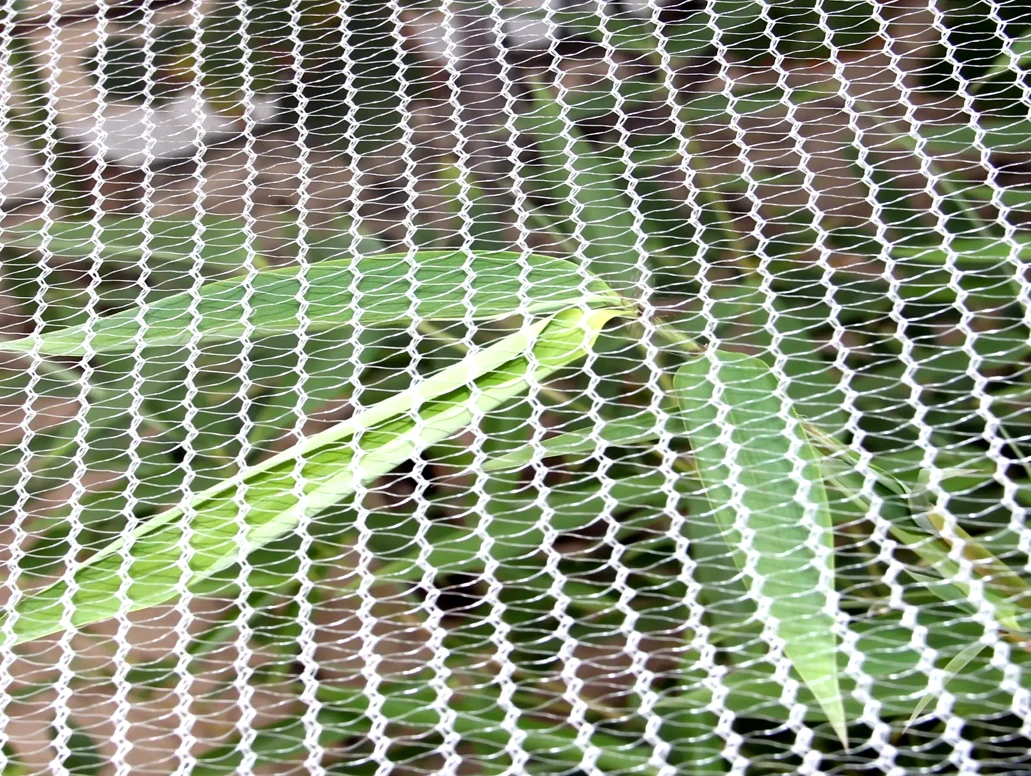
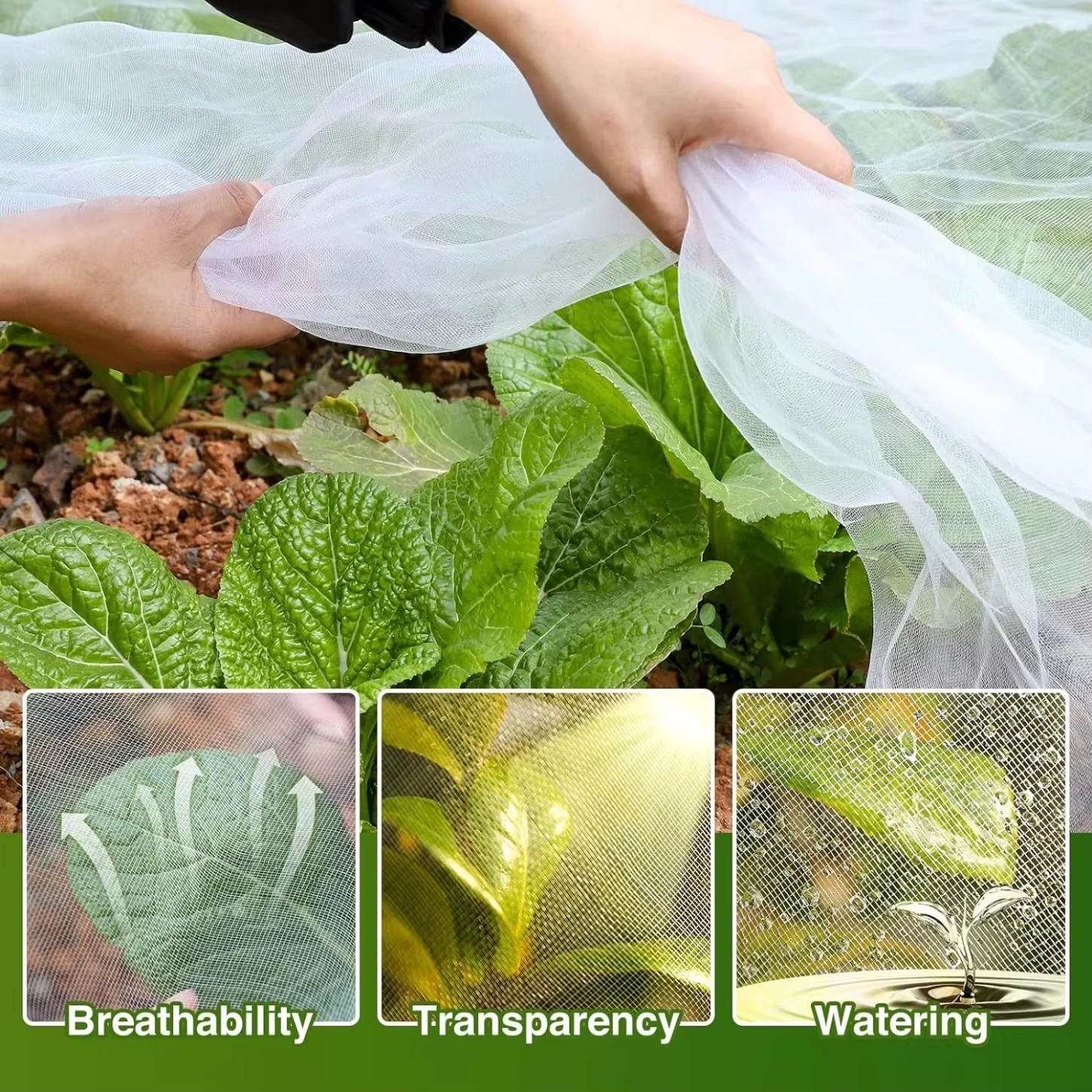
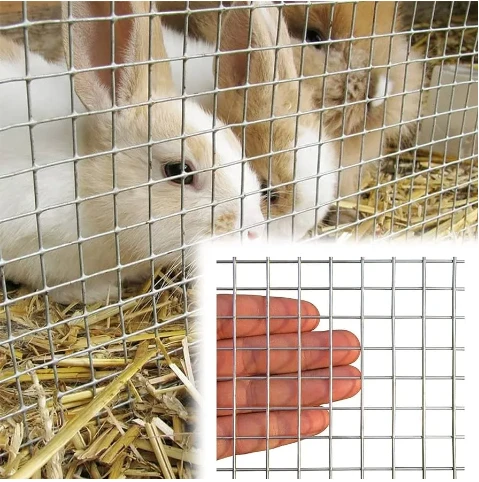
Now, you might wonder, why something as simple as a net really matters? Well, think about this: protection from pests, birds, and even intense weather conditions can make or break a season in farming. The right agricultural netting material doesn’t just keep undesirables out; it genuinely improves growth environments. Frankly, without it, there’s a lot more guesswork, crop loss, and frustration.
From my experience, the key factors that really differentiate these nets are the materials used, their weave density, durability, and how adaptable they are to custom farm needs. Most manufacturers I’ve worked with now use high-density polyethylene (HDPE) because it’s lightweight, resistant to UV rays, and can last years despite continuous sun exposure and rough weather. Some nets even come with anti-UV coatings that prolong lifespan — which is money saved in the long run.
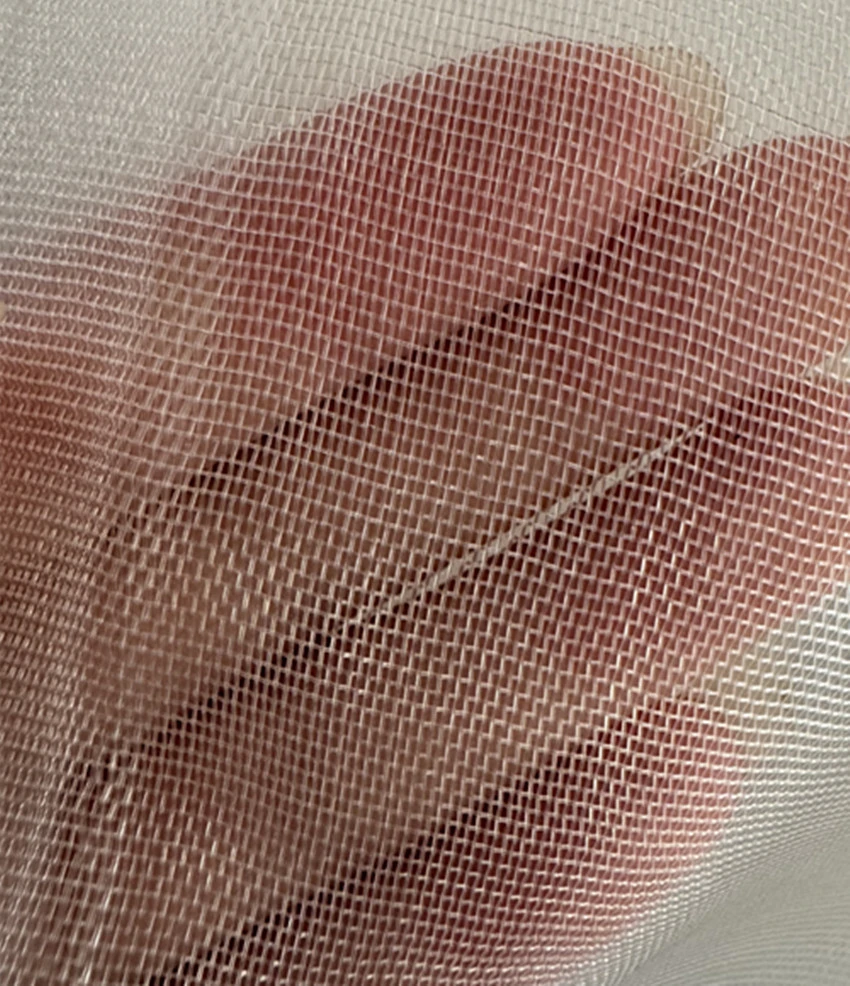
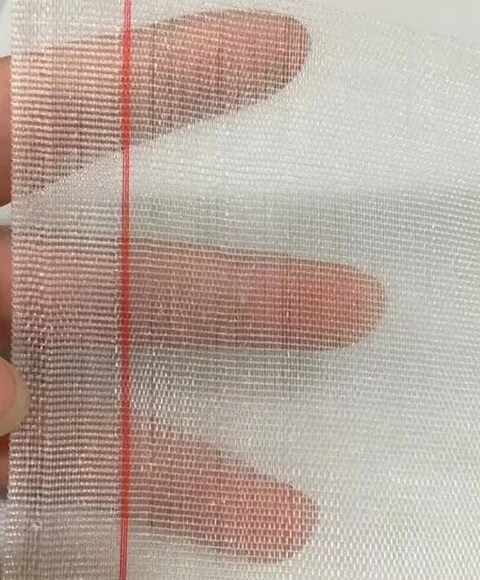
And speaking of design, mesh size often gets underrated. A net too tightly woven can suffocate crops, while one too loose lets pests right through. So, it feels like a Goldilocks zone: not too tight, not too loose. You want it just right to balance airflow with protection.
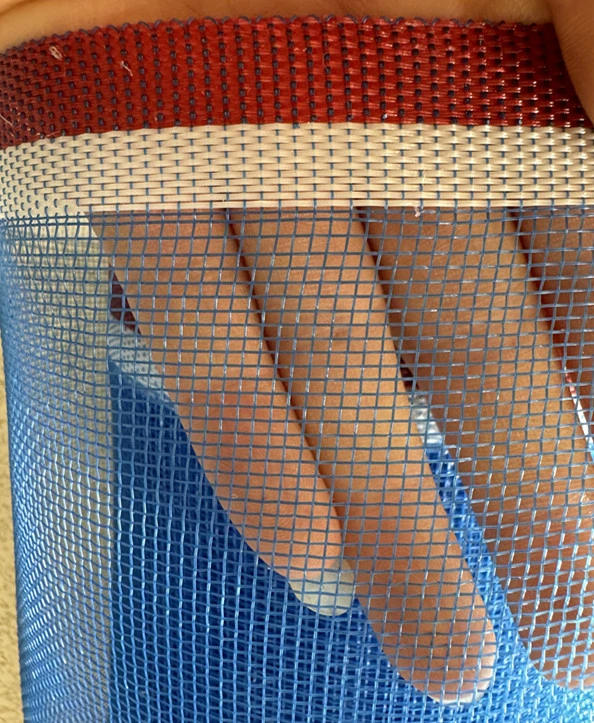
I remember a farmer friend who switched from a standard polypropylene net to a UV-stabilized HDPE one, and he noticed fewer birds and better ventilation — clearly, a win. Plus, because these nets can be tailored in width, length, and color (sometimes green to blend with fields), they’re far from one-size-fits-all. Customization is key — and I often advise checking that before purchase.
Agricultural Net Specifications
| Specification | Details |
|---|---|
| Material | HDPE (High-Density Polyethylene) with UV Stabilizer |
| Mesh Size | 10mm to 50mm (customizable) |
| Color Options | Green, black, white, or transparent |
| Tensile Strength | Up to 1800 N/cm |
| Lifespan | 5 to 8 years depending on field conditions |
You might ask how to pick the right supplier. Well, not all vendors are created equal. From my years in the field, I tend to look at their quality control, customization ability, and customer support. The last one? It’s crucial. Oddly, many forget it until after a shipment goes wrong or delivery is late.
Vendor Comparison for Agricultural Nets
| Vendor | Material Quality | Customization | Lead Time | Customer Support |
|---|---|---|---|---|
| YJ Wire Mesh | Excellent (HDPE with UV stabilizer) | Highly customizable sizes and colors | 2-3 weeks | Responsive & knowledgeable |
| Vendor B | Good (polypropylene-based) | Limited colors, standard sizes only | 3-5 weeks | Average |
| Vendor C | Fair (standard netting) | No customization | 1-2 weeks | Limited support |
From what I’ve gathered, investing time in your net choice can really pay off. The right net doesn’t just protect your crops; it boosts efficiency, reduces waste, and frankly, makes the whole seasonal cycle a bit less of a headache. Especially when working with trusted suppliers like YJ Wire Mesh, which have proven their quality repeatedly in demanding environments.
Before signing off, just a little nugget: always request a sample if you can — nothing beats hands-on experience before bulk orders. And if you are trying out net for agriculture for the first time, ask about installation guidance too; some nets need careful handling or anchoring methods to perform optimally.
So, next time you’re looking at improving your farm’s productivity or protecting your harvest, don’t dismiss the simple power of a well-made agricultural net. It feels like one of those small improvements that just keeps giving season after season.
References:
- Agricultural Netting Handbook, Farm Equipment Today, 2022.
- Materials and Durability in Agricultural Nets, Journal of Agricultural Sciences, 2021.
- Customer Case Studies: Crop Protection Nets, YJ Wire Mesh, 2023.
-
High Quality Anti Bird Agro Net for Professional Crop ProtectionNewsApr.16,2026
-
Guide to Bird Netting Cost Per Square Foot and Material OptionsNewsApr.09,2026
-
Comprehensive Guide to Bird Netting Cost Factors and Material ChoicesNewsApr.07,2026
-
Comprehensive Guide to Bird Net for Balcony Cost and Installation OptionsNewsApr.04,2026
-
Comprehensive Guide to Bird Netting Price and Effective Protection SolutionsNewsMar.31,2026
-
Comprehensive Guide to Nylon Bird Net Price Factors and OptionsNewsMar.28,2026