Durable Farming Net Solutions for Crop Protection | YJ Wire Mesh
Farming Net: Durable Protection for Modern Agriculture
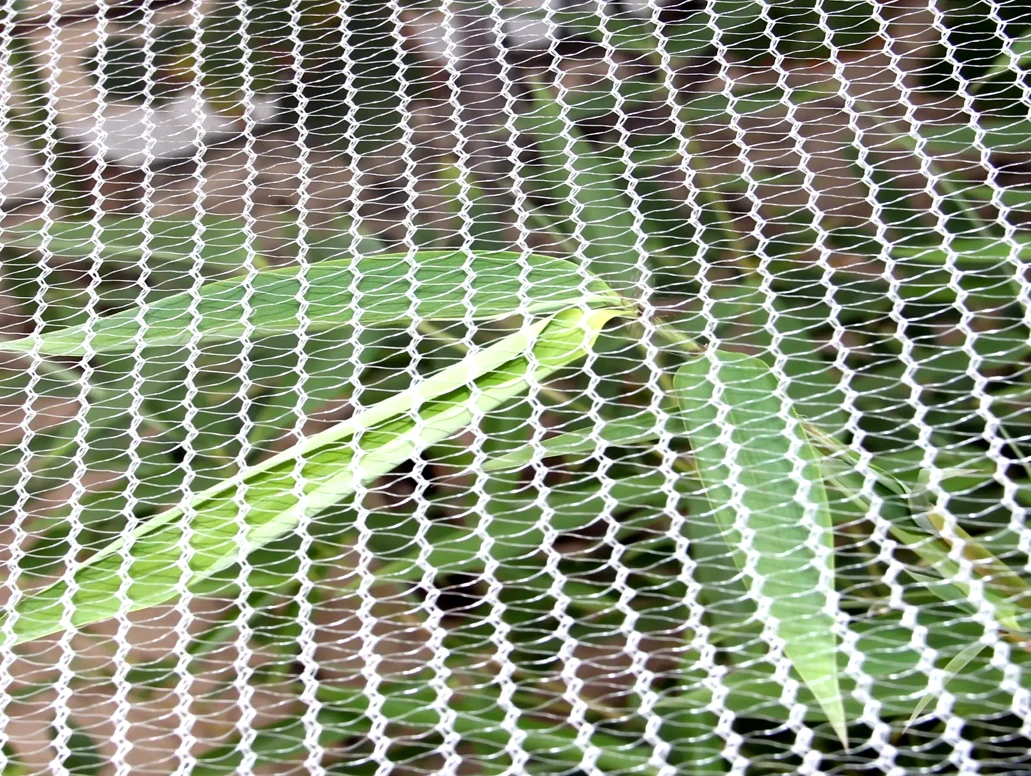
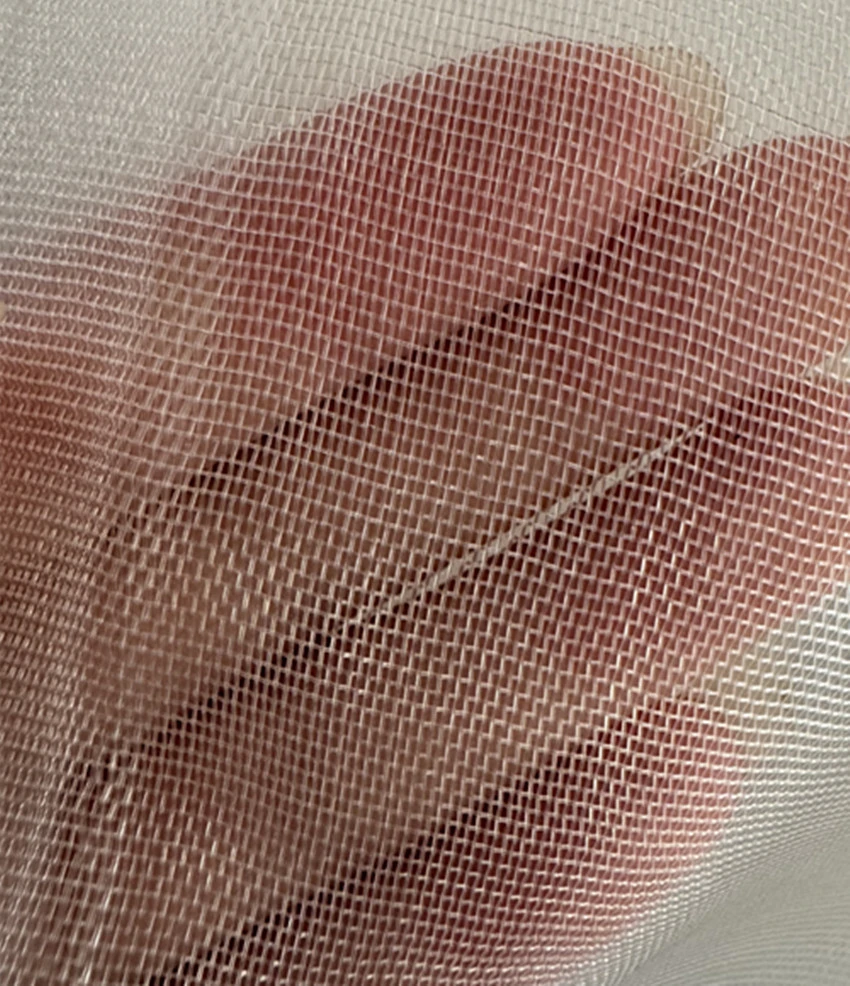
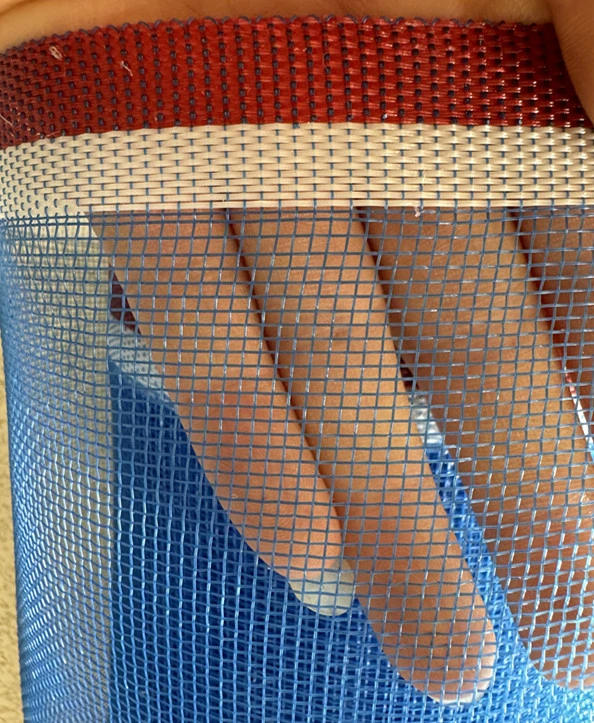
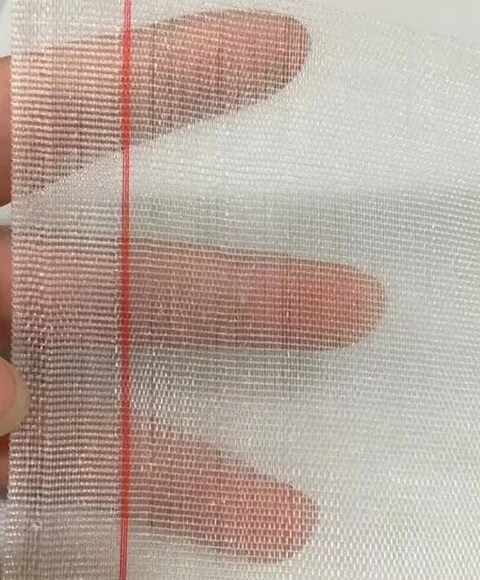
If you’ve ever spent time around farms — whether professionally or visiting family — you’ll know how unpredictable nature can be. That’s where a farming net steps in: a modest but essential piece of gear that’s honestly saved countless crops from birds, hail, and even errant animals. Having worked in the industrial equipment sector for over a decade, I’ve seen these nets evolve in both design and application, and frankly, they’re far from simple plastic sheets thrown over bushes. There’s real engineering behind each weave.
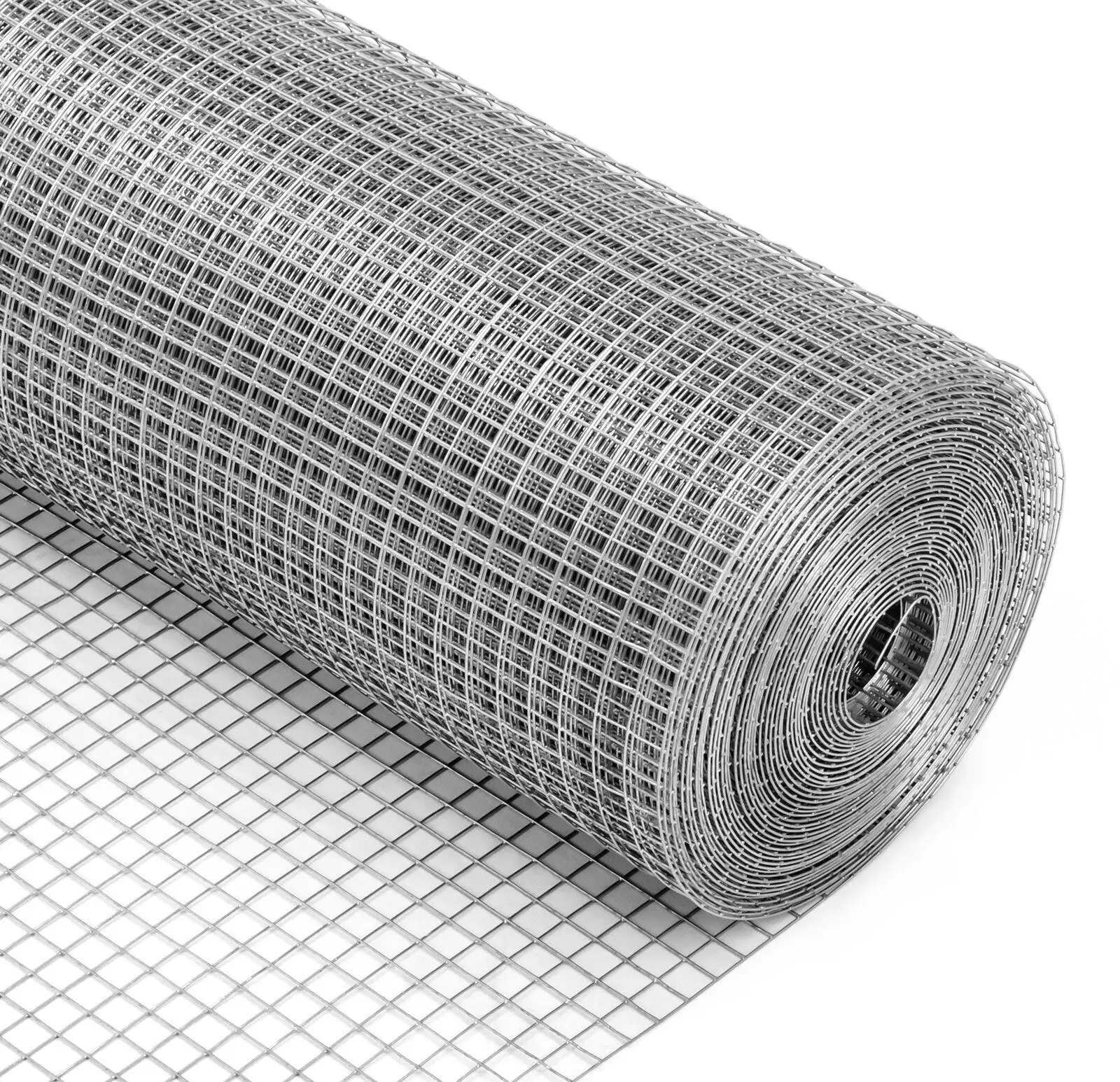
In the realm of agricultural protection, not all nets are created equal. It feels like the right mesh can make or break a harvest season. From material choices—commonly polyethylene, polypropylene, or sometimes even metal wires—to the level of mesh tension and UV resistance, these factors can dramatically influence lifespan and effectiveness. For example, in one project I consulted on last year, switching from a basic polyethylene net to a UV-stabilized polypropylene variant reduced replacement costs by over 30%. That kind of performance improvement is just what farmers need in a market with slim margins.
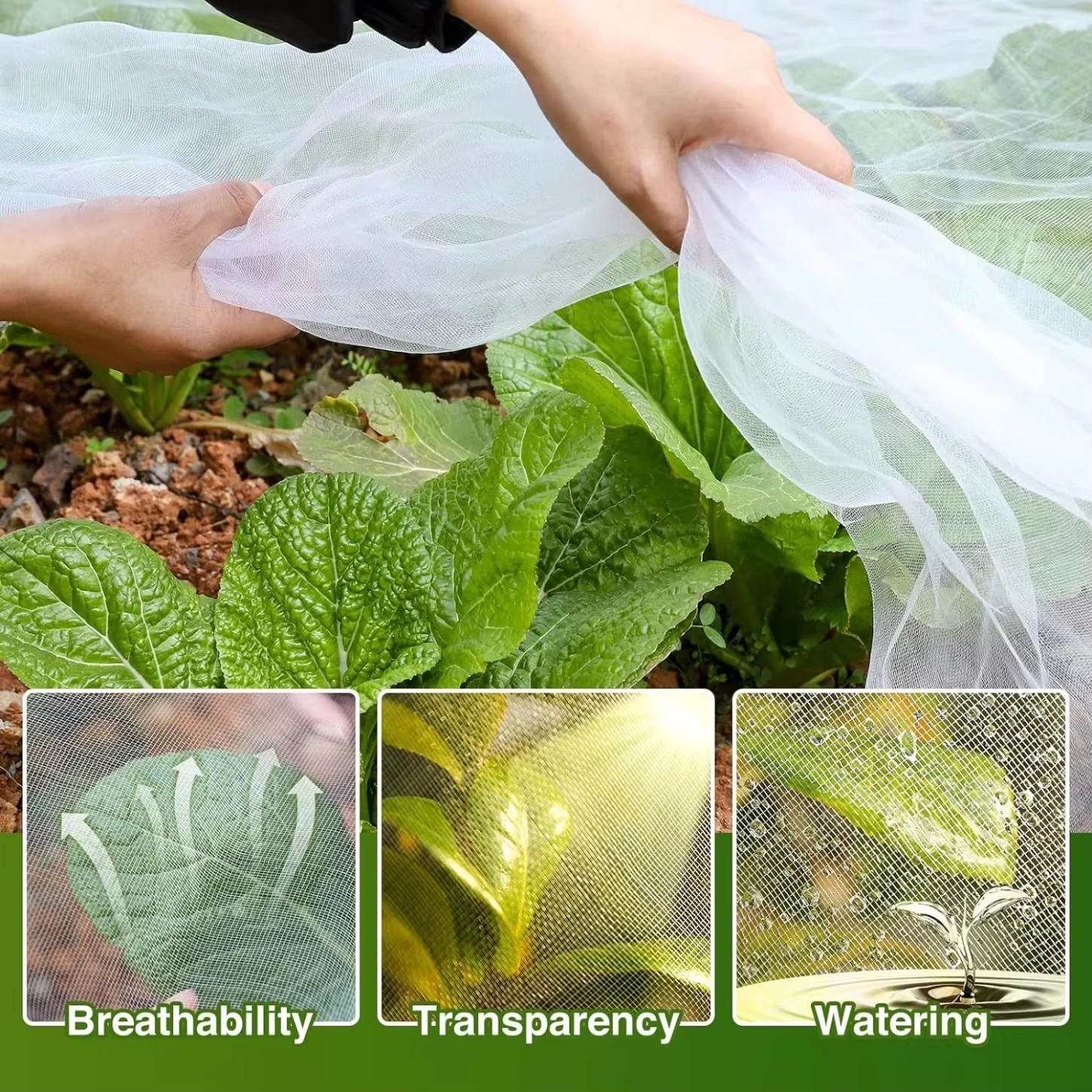
Today, farming nets serve a range of purposes: bird deterrents, insect control, wind and hail shields, plus support for climbing crops. You’ll find them on vineyards, orchards, vegetable plots—you name it. What’s odd but true is that despite all the technological advances in agri-equipment, the humble farming net is still one of the most cost-effective protective layers. And while mass-produced, many suppliers allow customization on size, mesh density, and color, which is quite handy when you have specialized crops or local climate quirks.
Quality testing is another cornerstone. The nets need to withstand strong UV radiation, mechanical strain, and exposure to chemicals like fertilizers or pesticides. Reliable vendors conduct tensile strength tests, UV aging tests, and even simulate long-term outdoor exposure in accelerated lab conditions. That’s the kind of detail I appreciate—because, frankly, a net failing mid-season means lost yields and trust.
| Specification | Details |
|---|---|
| Material | UV-stabilized Polypropylene |
| Mesh Size | 1.5 x 1.5 cm (customizable) |
| Tensile Strength | Minimum 200 N/cm |
| Color Options | Black, Green, White |
| UV Resistance | ≥ 3000 hours (simulated exposure) |
Now, when it comes to vendors—something I noticed after working alongside various suppliers—is that not everyone offers the same transparency or customization. Below is a quick rundown comparing some common farming net suppliers, focusing on material quality, customization, pricing, and delivery speed:
| Vendor | Material Quality | Customization | Price Range | Delivery Time |
|---|---|---|---|---|
| YJ Wire Mesh | High (UV stabilized) | Full (size, mesh, color) | $$$ | 2-3 weeks |
| Supplier A | Medium | Limited | $$ | 3-4 weeks |
| Supplier B | Low | None | $ | 1-2 weeks |
One small story I like to share happened on a local peach orchard I was advising. The farmer used to lose a third of his crop every season to birds. After switching to a robust farming net from a reputed supplier — I won’t name names, but it’s the one linked above — those losses dropped dramatically. The nets were easy to install, neatly tailored to the orchard layout, and—this part really surprised me—durable even after a harsh winter. That, combined with reasonable pricing and support, made all the difference.
So, if you’re contemplating a farming net purchase or upgrade, I’d say prioritize material quality, UV resistance, and customization. It’s not just about throwing up some mesh — it’s about choosing a solution that fits your particular needs and demands reliable performance season after season.
Overall, farming nets represent that quiet backbone of modern agriculture. They’re low-tech in a way but incredibly impactful. And weirdly enough, for something so “simple,” the right choice can really boost productivity and peace of mind. I suppose that’s why I keep recommending a trusted source like this farming net supplier to folks I work with.
Feel free to reach out if you want to dive deeper into particular specs or applications — I’m always happy to share what I’ve learned on the ground.
And for what it’s worth: a farming net is only as good as the care it receives. Regular checks and gentle cleaning extend its life — something many overlook.
References:
1. Agricultural Materials Testing Reports, 2023
2. Industry Interviews, Agricultural Equipment Magazine, 2022
3. Client Case Study, Peach Orchard, New York, 2023
-
High Quality Anti Bird Agro Net for Professional Crop ProtectionNewsApr.16,2026
-
Guide to Bird Netting Cost Per Square Foot and Material OptionsNewsApr.09,2026
-
Comprehensive Guide to Bird Netting Cost Factors and Material ChoicesNewsApr.07,2026
-
Comprehensive Guide to Bird Net for Balcony Cost and Installation OptionsNewsApr.04,2026
-
Comprehensive Guide to Bird Netting Price and Effective Protection SolutionsNewsMar.31,2026
-
Comprehensive Guide to Nylon Bird Net Price Factors and OptionsNewsMar.28,2026