Durable Netting To Cover Plants | Protective Solutions for Agriculture & Horticulture
Netting To Cover Plants is a key solution in the industry, specifically within agricultural and horticultural sectors. This article explores how YJ Wire Mesh supports professionals with durable, high-performance products, and explains why this product is an ideal choice for businesses in these sectors.
Table of Contents
- Netting To Cover Plants Overview
- Benefits & Use Cases of Netting To Cover Plants
- Cost, Maintenance & User Experience
- Sustainability & Market Trends
- Frequently Asked Questions
- Conclusion on Netting To Cover Plants from China
Netting To Cover Plants Overview
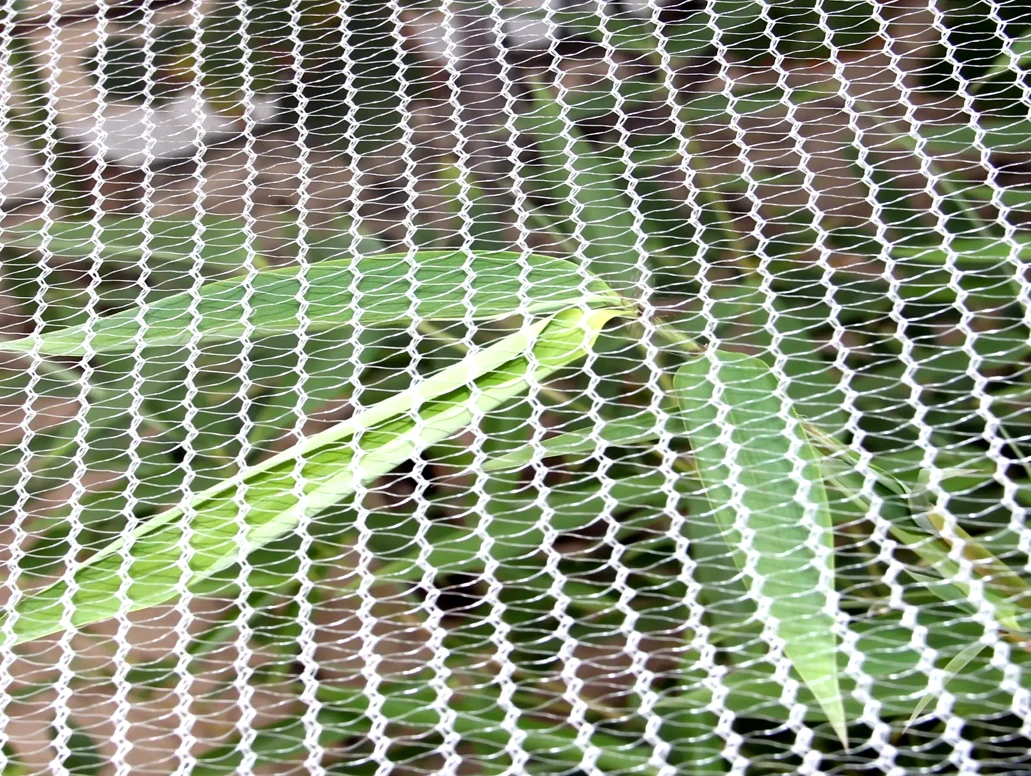
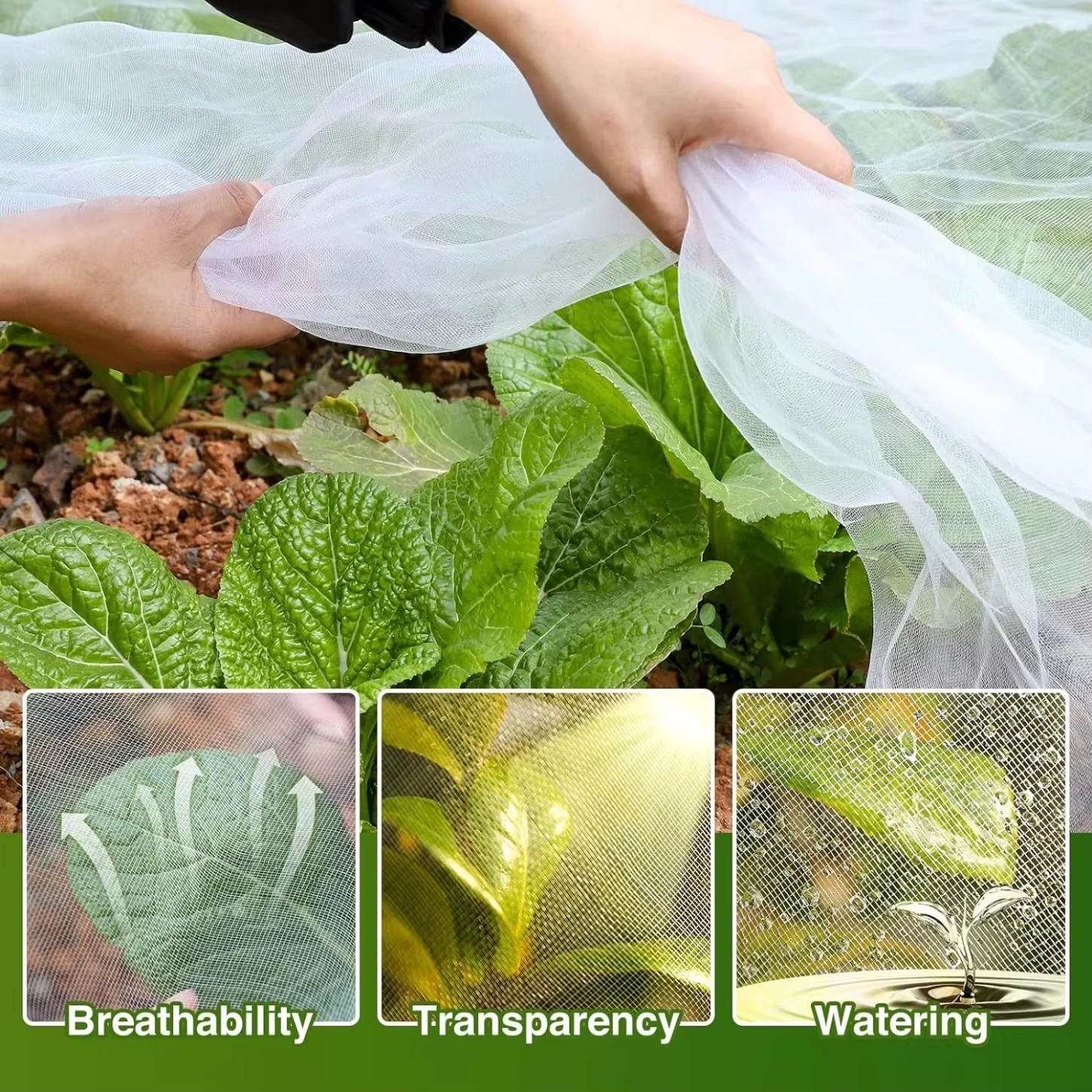
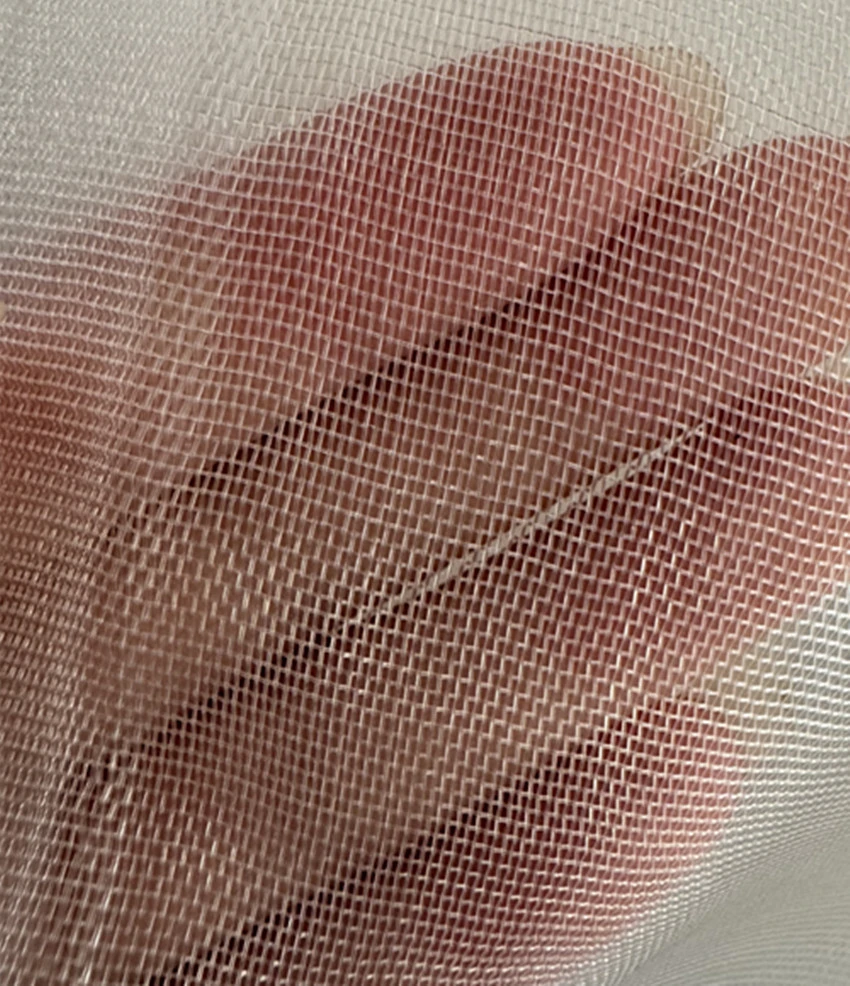
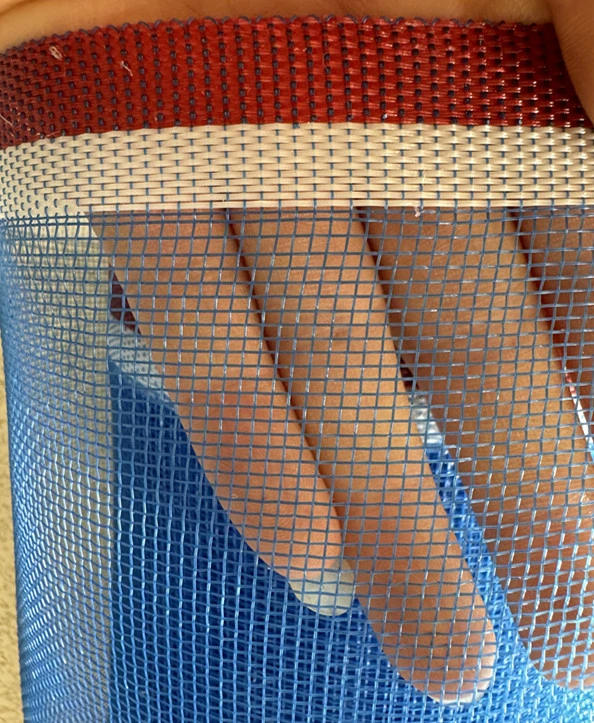
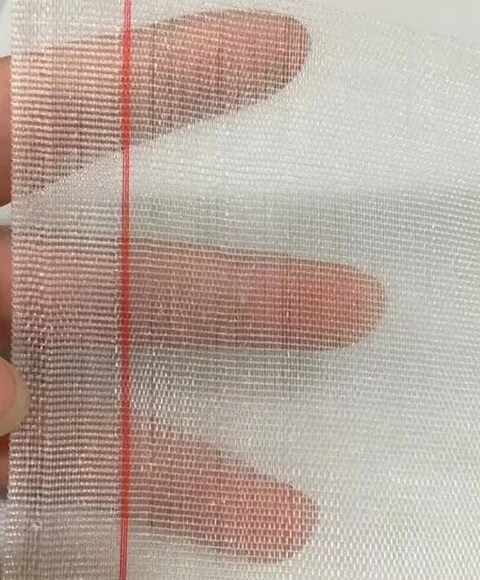
So, what exactly is netting to cover plants? In essence, it's a specially designed mesh that acts like a protective shield over your crops, shrubs, or nursery plants. This isn't just any garden net; it's engineered for industries where plant protection must go beyond aesthetics and deliver real durability under harsh conditions.
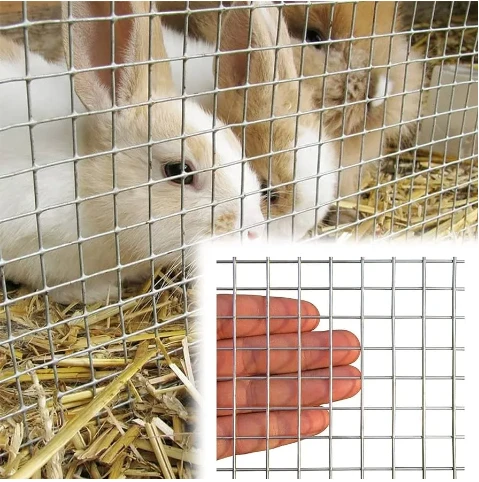
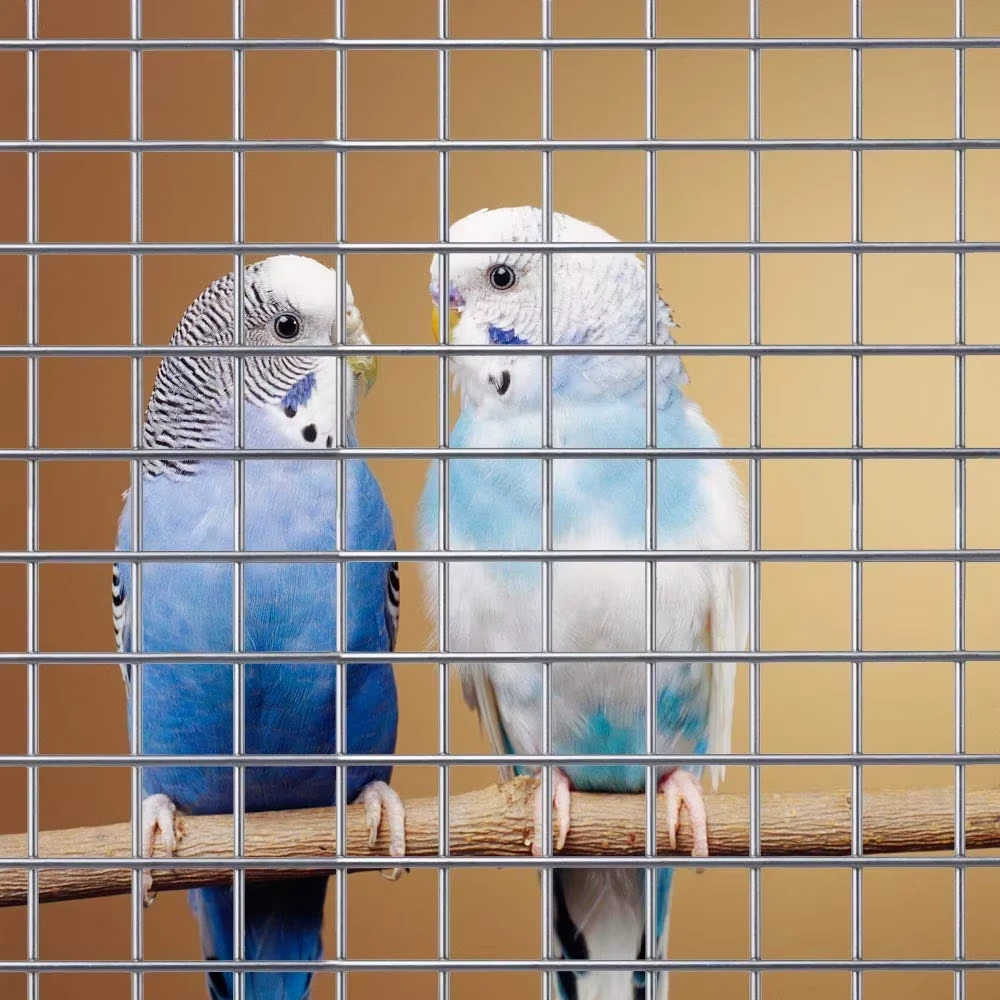
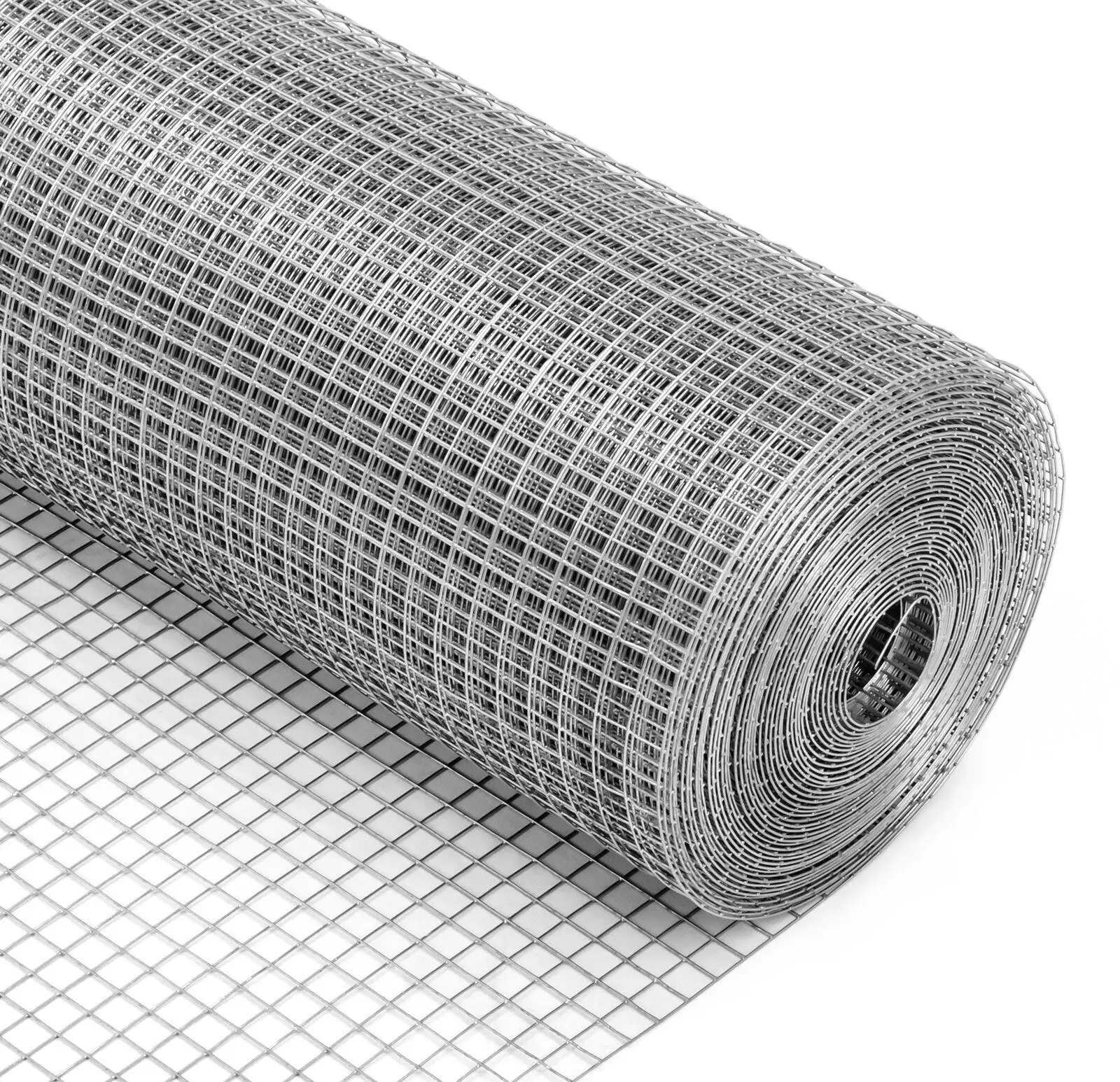
The technical specifications usually include materials like UV-stabilized polyethylene or polypropylene — those plastics that don't easily degrade in sun or rain. Sometimes, metal netting variants come into play, particularly for more abrasive environments or heavy-duty usage. Typical mesh sizes vary depending on the target pest or environmental threat, ranging from fine meshes for insect exclusion to larger apertures that keep birds away.
A quick case worth mentioning: an orchard in Washington state trialed YJ Wire Mesh’s netting last season and noted significantly reduced damage from hail and bird pecking. This showcases not only physical protection but also improved overall yield quality — which frankly, many businesses will appreciate.
| Feature | Specification |
|---|---|
| Material | UV-stabilized polyethylene, polypropylene, or stainless steel wire |
| Mesh Size | 1mm to 20mm (custom sizes available) |
| Color Options | Green, black, white, or transparent |
| Roll Length | 50m, 100m, and custom lengths |
| UV Resistance Lifespan | Up to 5 years under normal sunlight exposure |
Benefits & Use Cases of Netting To Cover Plants
Diving into the benefits — frankly, they're pretty compelling. Netting to cover plants primarily acts as a barrier against pests like birds, insects, and even small animals, which can ravage crops unexpectedly. Beyond that, it provides protection from environmental factors such as hail, excessive sunlight, or frost.
In practical terms, industries like commercial orchards, nurseries, and large-scale vegetable farms leverage this netting to minimize loss and enhance product quality. The ability to customize mesh size and material allows businesses to tailor their solution based on the specific threat or environmental challenge in their region.
Competitive advantages? Well, besides durability, many engineers note the lightweight nature of the netting makes installation and repositioning less labor-intensive — an often overlooked cost-saving. Add to that the resistance against UV degradation, and you get fewer replacements, so the long-term value is quite decent.
For example, a berry farm in California incorporated netting from YJ Wire Mesh to reduce bird damage during peak season. They reported healthier yields and a noticeable reduction in crop loss—a win-win.
Cost, Maintenance & User Experience
When considering total cost of ownership, the initial purchase price of quality netting might seem higher compared to cheaper plastic sheets or conventional fencing. However, the ROI comes into play with its longevity and minimal upkeep. UV-stabilized fabrics and corrosion-resistant wires cut down the frequency of replacements, which traditionally rack up labor and material expenses.
Maintenance is generally straightforward — a periodic inspection for tears or holes suffices. Repairs can happen on-site and usually don’t require specialized skills, which actually makes the entire system more business-friendly.
As for user feedback, a number of agricultural businesses report positive experiences with YJ Wire Mesh products, especially praising the consistent product quality and reliable customer service. It almost feels like this netting is designed with the end-user in mind — which, I suppose, is what separates good vendors from great ones.
Sustainability & Market Trends
In the era of environmental responsibility, sustainability in agricultural materials is more than a buzzword. The demand for eco-friendly netting with recyclable or biodegradable components is growing — and suppliers like YJ Wire Mesh are adapting by sourcing materials that align with these goals.
Regulations in many countries increasingly pressure businesses to reduce plastic waste and carbon footprints, and investing in durable, reusable netting plays well in that narrative. You might find it odd that the humble plant net could be part of climate-conscious production, but it absolutely is.
Market trends show an uptick in integrated solutions that combine pest control with climate mitigation — such as shading nets that also act as frost protectors. Netting to cover plants fits nicely in this multi-functional product landscape, making it a smart choice through a broader lens.
| Vendor | Material Options | UV Resistance (years) | Customization | Price Range |
|---|---|---|---|---|
| YJ Wire Mesh | Polyethylene, polypropylene, steel wire | Up to 5 years | High (mesh size, color, roll length) | Mid-range |
| Competitor A | Polyethylene only | 3 years | Limited | Low |
| Competitor B | Polypropylene and Nylon | 4 years | Moderate | High |
Frequently Asked Questions about Netting To Cover Plants
- What is Netting To Cover Plants and how does it work?
- Netting to cover plants is a mesh barrier used to shield plants from pests, birds, and environmental factors. It works by physically blocking harmful elements while allowing air and light to pass through, supporting healthy growth.
- What are the main benefits of using Netting To Cover Plants in industrial applications?
- Key benefits include durable pest protection, reduced crop loss, UV resistance, and adaptability to different climates. It also lowers labor costs due to ease of installation and maintenance.
- How does Netting To Cover Plants compare to traditional alternatives?
- Compared to plastic sheets or metal fencing, this netting is more lightweight, breathable, and specifically designed for agricultural use, combining protection with plant health support.
- What industries can benefit most from Netting To Cover Plants implementation?
- Primarily agriculture, horticulture, nurseries, and even landscaping industries use this netting. These sectors benefit by protecting plants from pests, weather damage, and improving yield quality.
Conclusion on Netting To Cover Plants from China
To wrap up, Netting To Cover Plants offers a resilient, customizable solution that helps businesses safeguard their crops efficiently. Its blend of durability, ease of use, and sustainability is why many B2B buyers gravitate toward it — especially those sourcing from trusted Chinese manufacturers like YJ Wire Mesh. If you’re considering an upgrade to your plant protection strategy, it’s worth a look.
- Recap: reliable pest and weather protection with good ROI and long life.
- Visit our website: https://www.yjwiremesh.com
Oddly enough, sometimes the simplest mesh can save you the most trouble — that’s a farmer’s wisdom you can bank on.
- “Agricultural Netting and Crop Protection,” Journal of Agricultural Tech, 2022.
- YJ Wire Mesh customer case study, Washington Orchard, 2023.
- Global Market Trends Report: Sustainable Agricultural Materials, 2024.
-
High Quality Anti Bird Agro Net for Professional Crop ProtectionNewsApr.16,2026
-
Guide to Bird Netting Cost Per Square Foot and Material OptionsNewsApr.09,2026
-
Comprehensive Guide to Bird Netting Cost Factors and Material ChoicesNewsApr.07,2026
-
Comprehensive Guide to Bird Net for Balcony Cost and Installation OptionsNewsApr.04,2026
-
Comprehensive Guide to Bird Netting Price and Effective Protection SolutionsNewsMar.31,2026
-
Comprehensive Guide to Nylon Bird Net Price Factors and OptionsNewsMar.28,2026