Durable Netting to Protect Plants from Squirrels - Expert Guide
Netting to Protect Plants from Squirrels: Practical Industry Insights
Having spent a good chunk of my career working around industrial mesh and agricultural protection, I’ve seen firsthand how crucial a properly designed netting system becomes in the battle against persistent nuisances — squirrels, for one. Oddly enough, it’s one of those challenges that feels deceptively simple until you get your hands dirty. You’d think any mesh would do the trick, but in real terms, the right netting to protect plants from squirrels combines durability, flexibility, and ease of installation in ways many overlook.
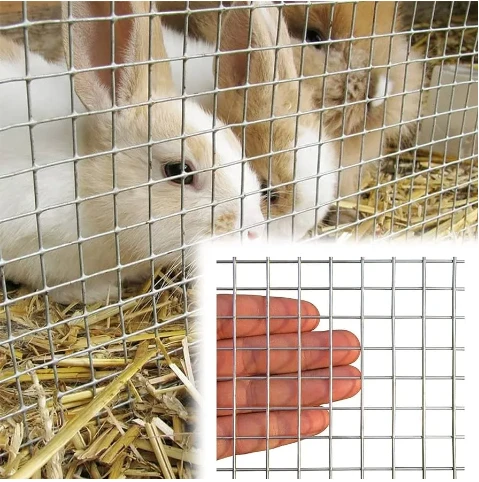
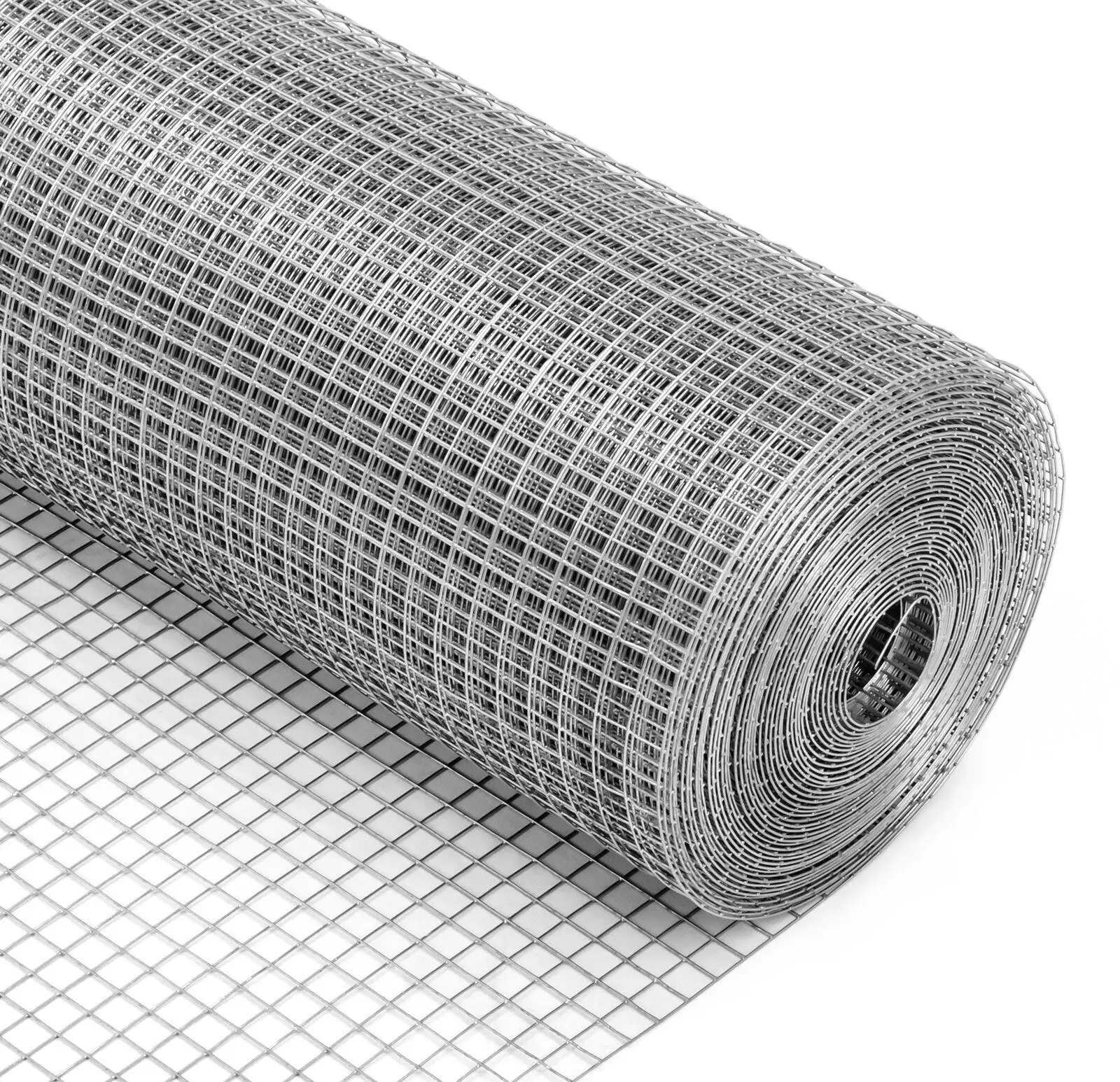
Squirrels are crafty little creatures – they chew, climb, and squeeze through surprisingly tiny gaps. I remember a local orchard owner telling me how initial attempts with flimsy plastic netting didn’t last a season. The rodents shredded it in no time, and the plants paid the price. That’s where industrial-grade galvanized steel or UV-resistant polyethylene netting steps in, offering that balance of strength versus portability. It’s not just about blocking squirrels but also safeguarding expensive crops without complicated setups.
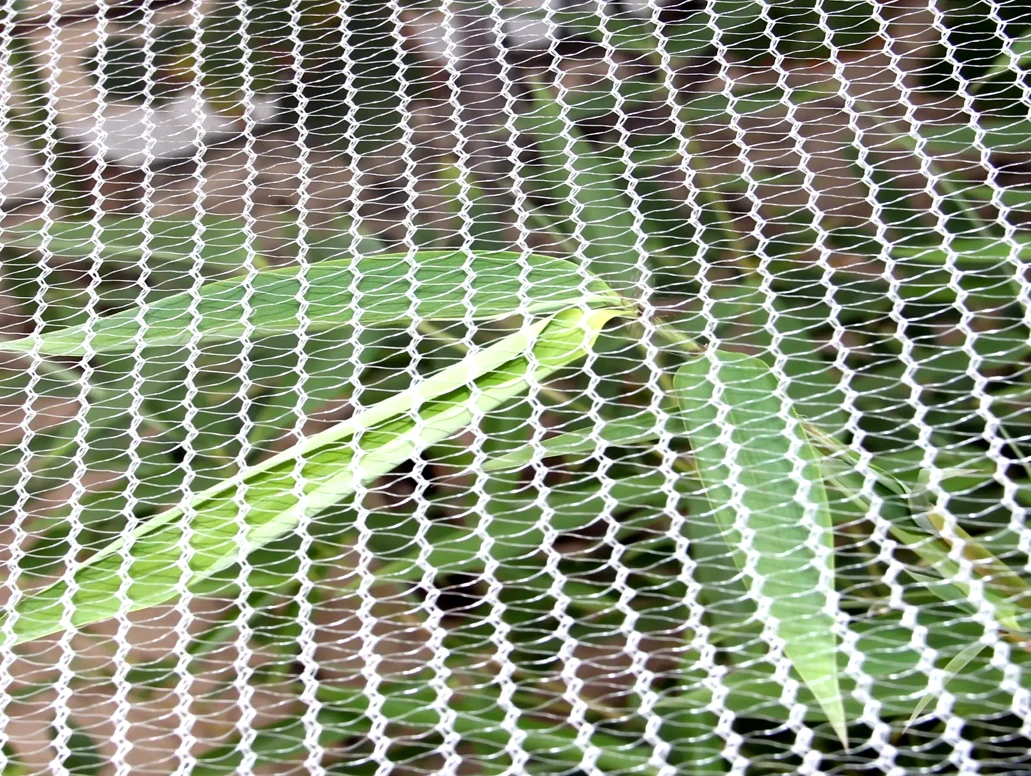
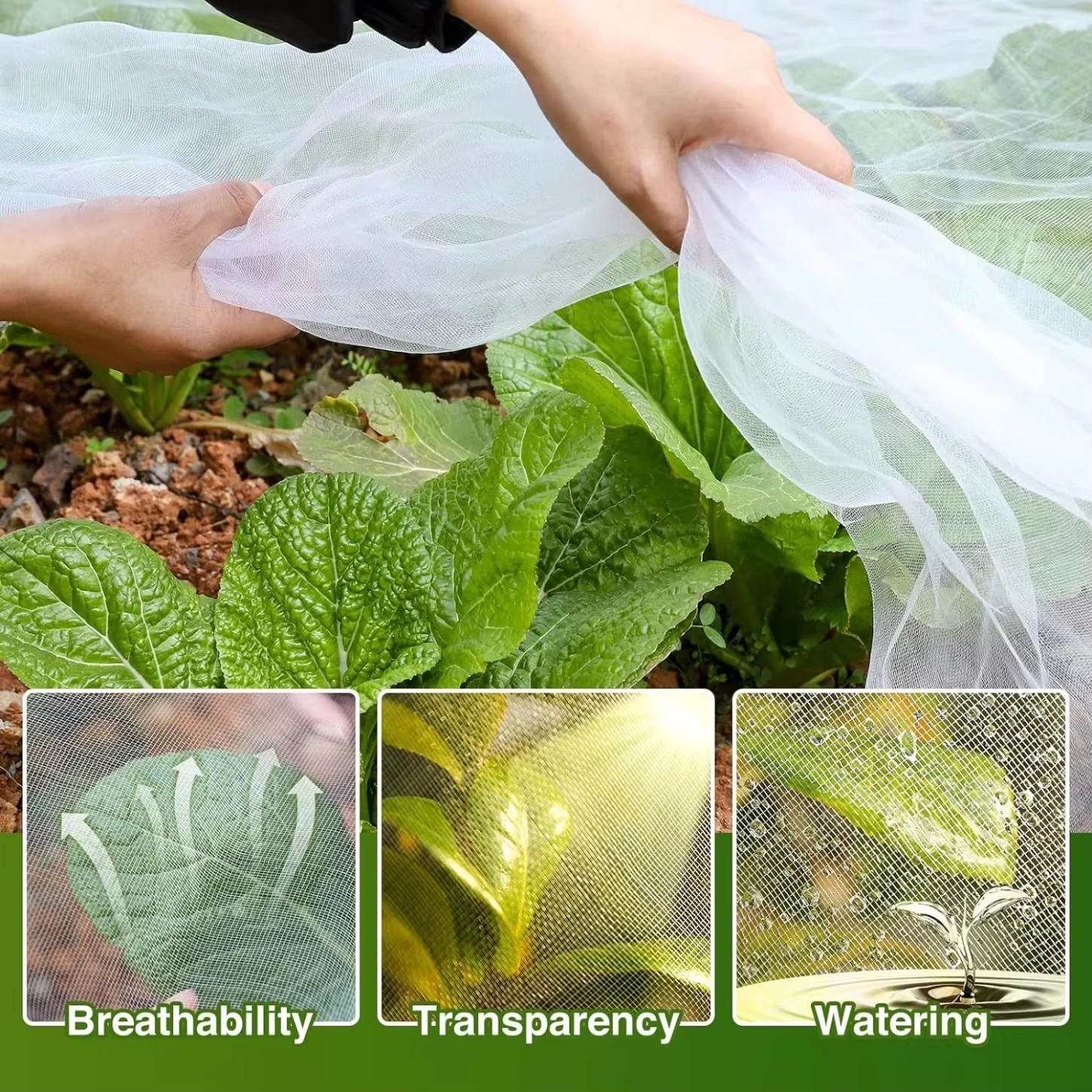
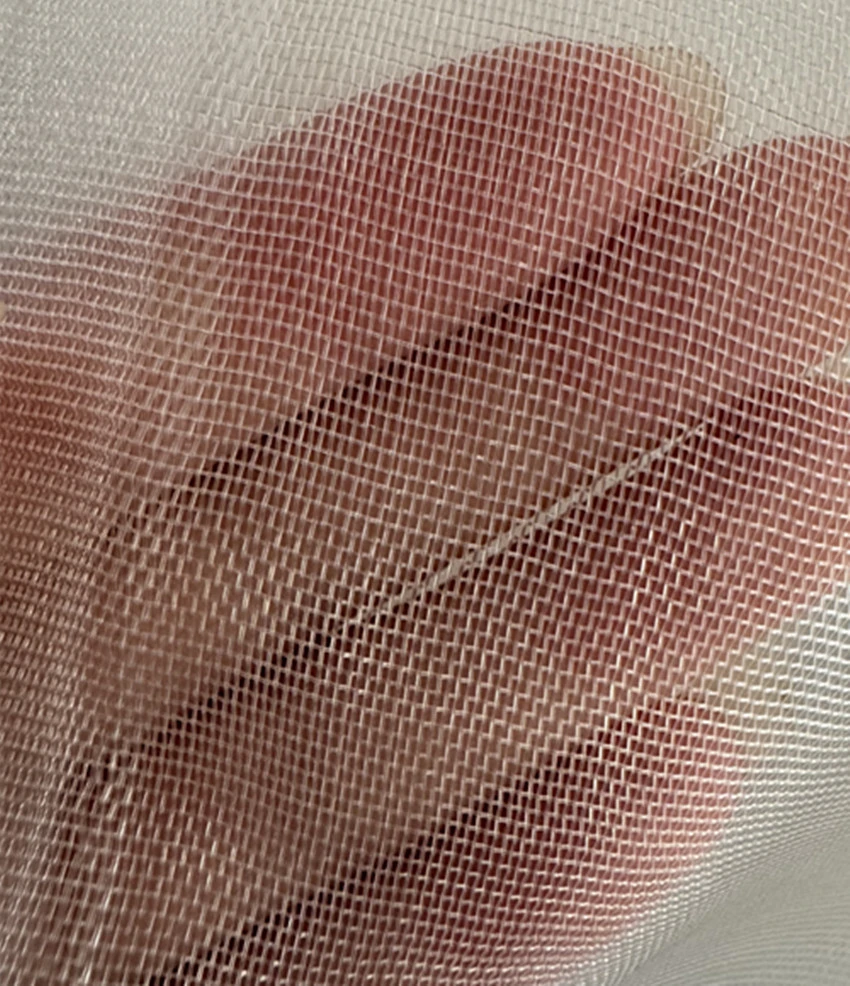
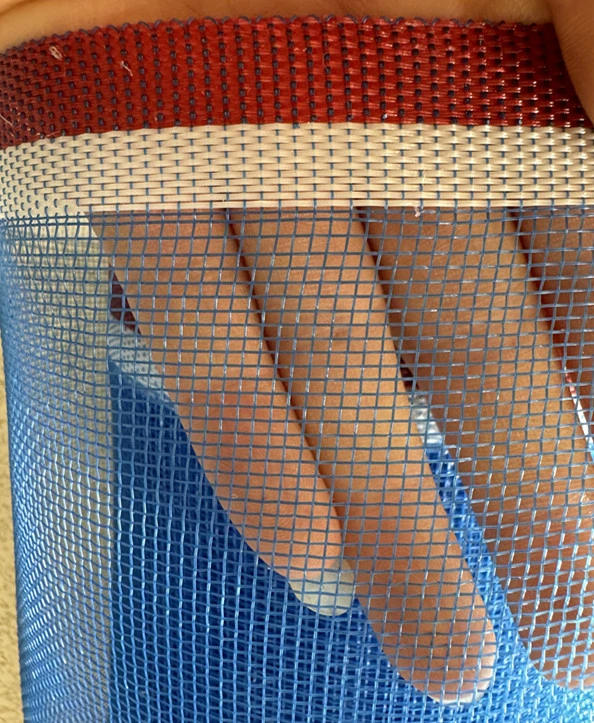
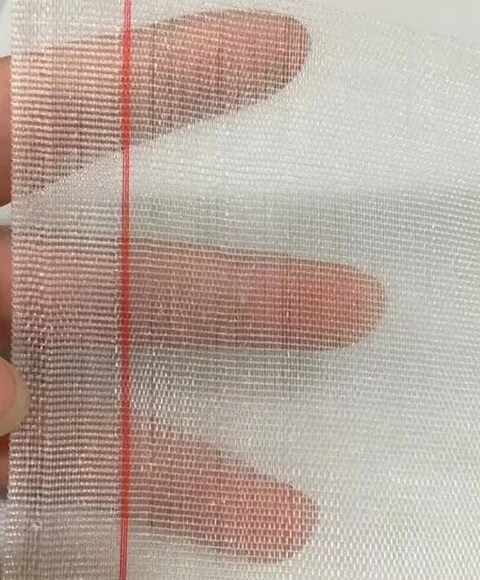
These days, the market offers a variety of mesh types, but I keep seeing a clear preference for knotless knits with mesh sizes around 10x10 mm. This size is small enough to deter most squirrels, yet allows plenty of sunlight and airflow — crucial for healthy plant growth. You’d be surprised how many engineers emphasize the “breathability” factor; netting that traps heat or moisture ends up doing more harm than good.
| Specification | Detail |
|---|---|
| Material | Galvanized Steel / UV-stabilized Polyethylene |
| Mesh Size | 10mm x 10mm (typical) |
| Thickness | Gauge 20-24 for steel; 1.5mm for polyethylene |
| UV Resistance | Excellent (Poly only) |
| Durability | 5+ years outdoor exposure (steel galvanized coating) |
| Installation | Staple or clip to frames, easy customization |
I’d be remiss not to mention how customization plays a big role here. Industrial customers I’ve worked with often ask for panels cut to precise sizes or even reinforced edges to withstand stretched tension without deforming. You can’t just slap on generic netting and expect it to hold up season after season. The netting must fit the plant’s layout and growth habits. It feels a bit like tailoring, honestly.
Vendor Comparison: What to Consider When Choosing Protective Netting
| Vendor | Material Options | UV Resistance | Customization | Price Range |
|---|---|---|---|---|
| YJ Wire Mesh | Galvanized Steel, Polyethylene | High (Poly only) | Full Custom Cuts & Reinforcements | Mid |
| Generic Garden Netting Co. | Polyethylene | Medium | Limited Sizes | Low |
| Heavy Duty Mesh Inc. | Stainless Steel | Excellent | Custom Panels Only | High |
Frankly, when you’re battling squirrels that can outsmart a lot of common barriers, raw material quality and proper mesh sizing make a tangible difference. I recall a case in the Pacific Northwest where using galvanized steel netting boosted fruit yields by nearly 30% just by keeping those little nibblers at bay. Plus, the longevity of these products means you’re not buying new netting every season — quite the win from a maintenance and cost perspective.
One final thought: while installation might seem straightforward, applying netting to complex plant layouts or over uneven terrain requires patience and sometimes a bit of trial and error. I always advise professionals and hobbyists alike to plan for adjustable anchoring points and to think about how the net will adapt as plants grow.
So if you’re considering netting to protect plants from squirrels, look for something robust but breathable, customizable, and backed by a vendor who knows the ins and outs of both mesh manufacturing and real-world usage.
Remember, a squirrel-proof garden is not just about prevention, but about smart materials, smart designs, and a little patience.
References:
1. Industry Mesh Experts Panel, 2023
2. Orchard Equipment Field Study, 2022
3. YJ Wire Mesh Product Line Data, 2024
-
High Quality Anti Bird Agro Net for Professional Crop ProtectionNewsApr.16,2026
-
Guide to Bird Netting Cost Per Square Foot and Material OptionsNewsApr.09,2026
-
Comprehensive Guide to Bird Netting Cost Factors and Material ChoicesNewsApr.07,2026
-
Comprehensive Guide to Bird Net for Balcony Cost and Installation OptionsNewsApr.04,2026
-
Comprehensive Guide to Bird Netting Price and Effective Protection SolutionsNewsMar.31,2026
-
Comprehensive Guide to Nylon Bird Net Price Factors and OptionsNewsMar.28,2026