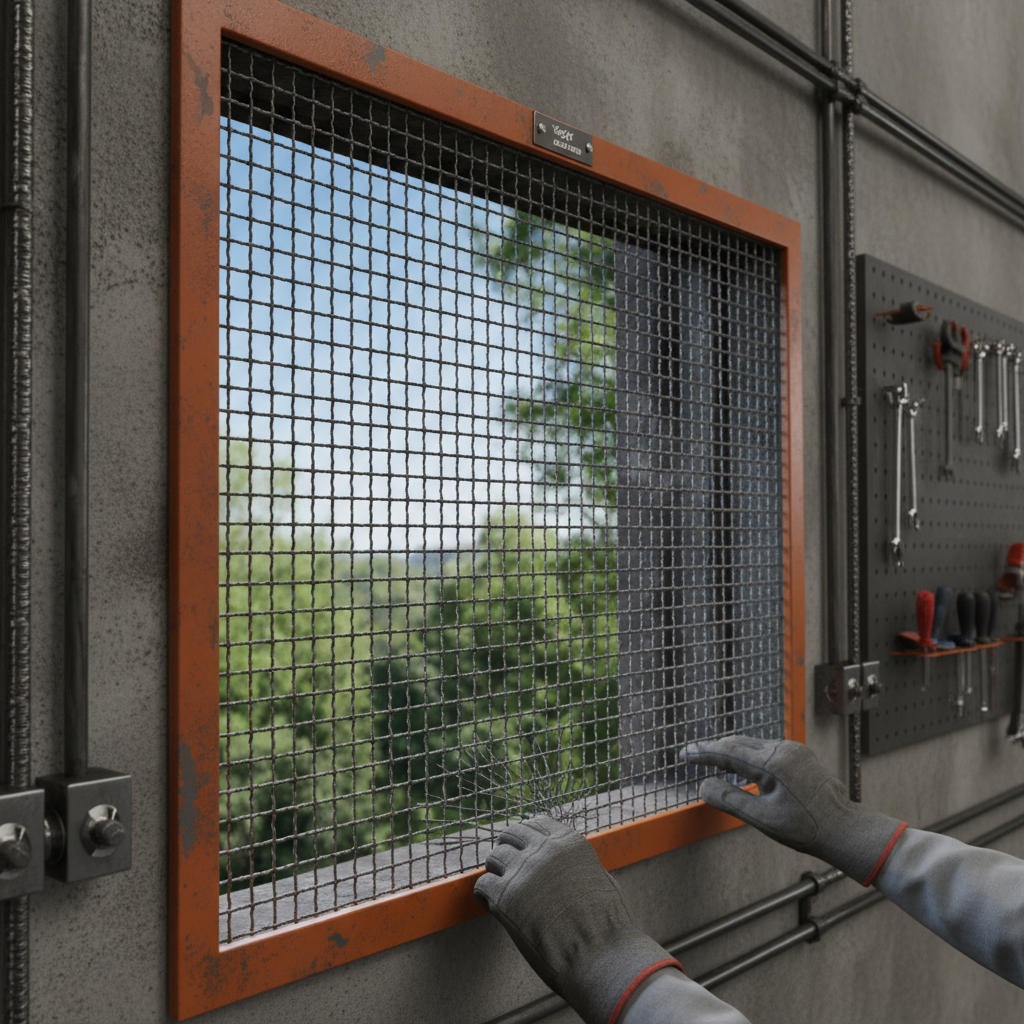
In the modern era of sustainable agriculture and advanced architectural design, the role of specialized barrier materials has become paramount. A fine insect proof mesh serves as a critical line of defense, bridging the gap between productivity and protection. By preventing the ingress of harmful pests while maintaining optimal airflow, these mesh solutions ensure that crops and living spaces remain healthy and uncontaminated without relying heavily on chemical interventions.
Across the globe, the demand for high-precision filtration and exclusion materials is rising as climate change shifts pest migration patterns. Industries ranging from high-tech greenhouse farming to urban residential construction are integrating fine insect proof mesh to mitigate the risks of crop failure and disease transmission. The ability to customize aperture sizes and material compositions allows for a tailored approach to pest management, making it an indispensable tool for food security and public health.
Understanding the technical nuances of mesh density, UV stability, and material tensile strength is essential for any professional looking to optimize their infrastructure. Whether it is utilized in a massive industrial breeding facility or a small-scale organic garden, the application of a quality fine insect proof mesh provides a tangible return on investment through reduced pesticide costs and increased yield quality. This comprehensive guide explores the multifaceted benefits and technical specifications of these essential protective barriers.
Global Relevance of Fine Insect Proof Mesh
The global agricultural landscape is currently facing an unprecedented challenge due to the proliferation of invasive pest species. According to data aligned with ISO standards for agricultural equipment, the loss of crops to insect pests can range from 20% to 40% annually if not properly managed. The adoption of fine insect proof mesh has emerged as a globally recognized strategy to reduce this volatility, providing a mechanical barrier that is both environmentally friendly and highly effective.
Beyond agriculture, the relevance extends to urban planning and public health. In regions where mosquito-borne diseases are endemic, the integration of precision-engineered mesh in residential and commercial architecture is not just a luxury but a necessity. By utilizing a fine insect proof mesh, cities can significantly lower the incidence of vector-borne illnesses, reducing the burden on healthcare systems and improving the overall quality of life for millions of people.
Defining the Technical Scope of Insect Proofing
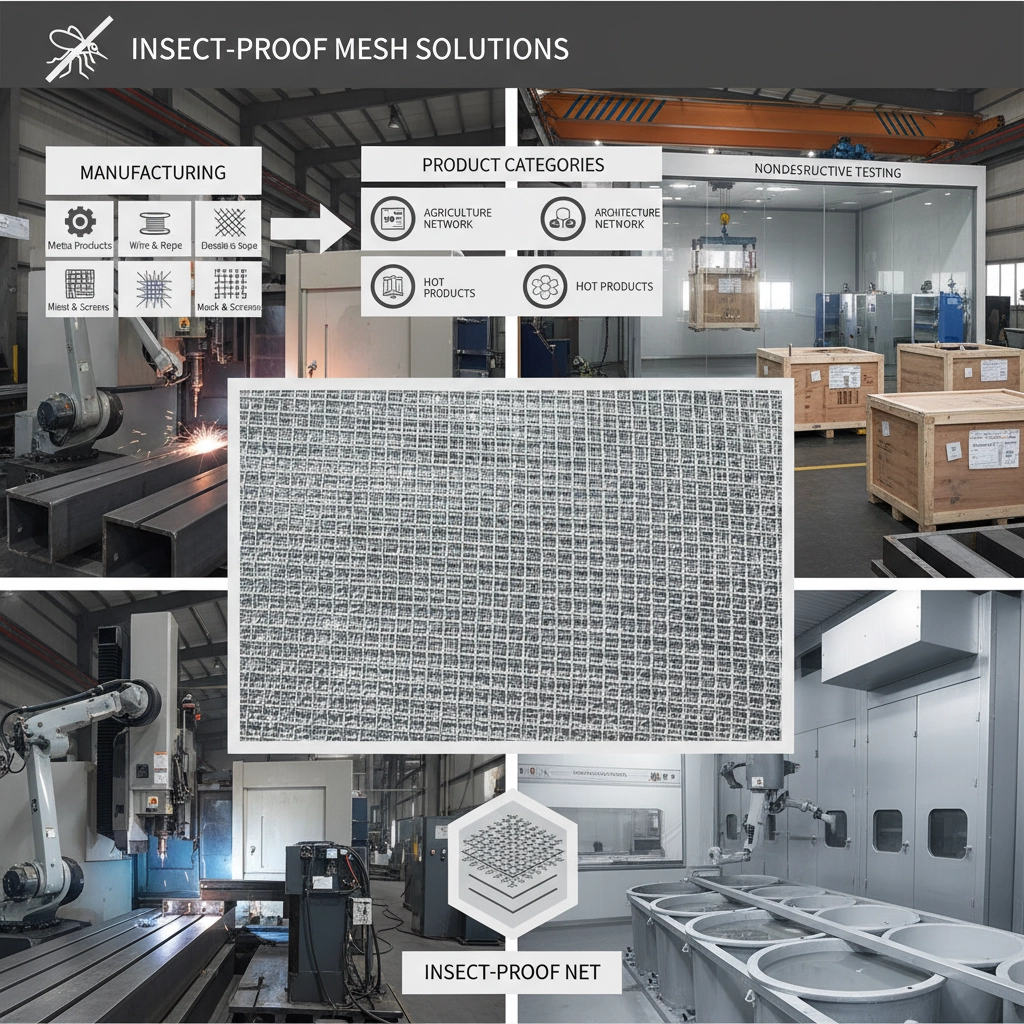
At its core, fine insect proof mesh is a high-density weaving or knitting of synthetic or metallic fibers designed to create an aperture size smaller than the body of the target pest. Unlike standard screening, "fine" mesh refers to a specific micron-level precision that allows for the passage of air, light, and water while blocking microscopic insects like thrips, whiteflies, and aphids.
This technical definition is intrinsically linked to modern industrial needs for "controlled environment agriculture" (CEA). In these settings, the mesh acts as a biological filter. It doesn't just keep bugs out; it manages the microclimate of the interior space. The tension and weave density are calculated to ensure that the internal humidity remains stable while preventing the entry of pathogens carried by insects.
Furthermore, the transition from traditional wire mesh to advanced polymer-based fine insect proof mesh has allowed for better flexibility and resistance to corrosion. This evolution means that these materials can now be deployed in harsh coastal environments or high-humidity tropical zones without losing their structural integrity, ensuring long-term protection for critical infrastructure.
Core Components of High-Performance Mesh
Durability is the first cornerstone of any professional-grade fine insect proof mesh. To withstand the rigors of outdoor exposure, the fibers must be treated with UV inhibitors. This prevents the material from becoming brittle under intense sunlight, ensuring that the mesh remains taut and effective over several growing seasons.
Breathability and Light Transmission are equally critical. A high-quality fine insect proof mesh must balance the "exclusion rate" with the "airflow rate." If the mesh is too dense, plants may suffer from heat stress or lack of CO2, whereas if it is too open, pests will penetrate the barrier. Achieving this equilibrium is where material science meets biological necessity.
Finally, Scalability and Ease of Installation define the practical utility of the product. Whether it is deployed as a wrap for a small nursery or a massive curtain for an industrial warehouse, the fine insect proof mesh must be capable of being stretched without deformation, maintaining a consistent aperture size across the entire surface area.
Global Applications and Real-World Use Cases
In real-world contexts, fine insect proof mesh is applied across diverse sectors. In the Netherlands' advanced hydroponic greenhouses, these meshes are used to create "insect-proof" zones that allow for organic certification by eliminating the need for chemical pesticides. Similarly, in Southeast Asia, the mesh is integrated into livestock breeding nets to protect poultry and pigs from flies and mosquitoes, which significantly reduces the spread of livestock diseases.
In remote industrial zones or post-disaster relief operations, the deployment of portable screens utilizing fine insect proof mesh provides immediate health protection. For example, in temporary housing units in malaria-prone regions, these meshes are installed in ventilation gaps to ensure that fresh air circulates while lethal insects are kept at bay, illustrating the humanitarian value of technical mesh products.
Performance Analysis of Fine Insect Proof Mesh Variants
Long-Term Value and Sustainability Benefits
The long-term value of investing in a premium fine insect proof mesh extends far beyond simple pest exclusion. From a logical perspective, the reduction in chemical pesticide usage leads to lower operational costs and healthier soil. From an emotional and ethical standpoint, it represents a commitment to sustainable farming and the safety of the end consumer, fostering trust between the producer and the market.
Furthermore, the sustainability impact is significant. By preventing crop loss, fine insect proof mesh reduces the amount of wasted land and water resources. In an era where "green" certifications are becoming a market requirement, the use of mechanical barriers over chemical toxins provides a competitive edge, allowing businesses to align themselves with global ESG (Environmental, Social, and Governance) goals.
Future Trends in Mesh Material Science
The future of fine insect proof mesh is leaning heavily toward "smart materials." We are seeing the emergence of nano-coatings that can repel water and dust (self-cleaning mesh), which prevents the buildup of debris that typically restricts airflow. These innovations ensure that the mesh maintains its efficiency over a longer lifespan with minimal maintenance.
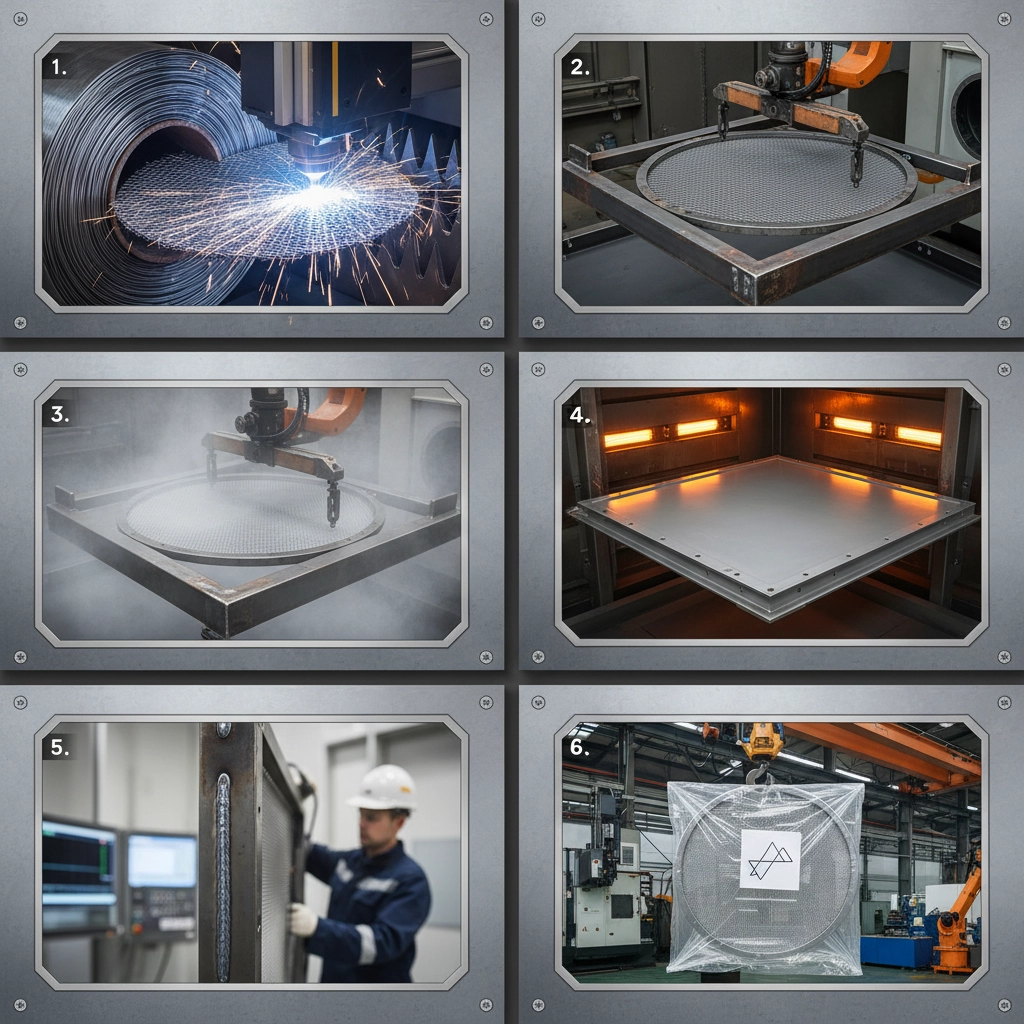
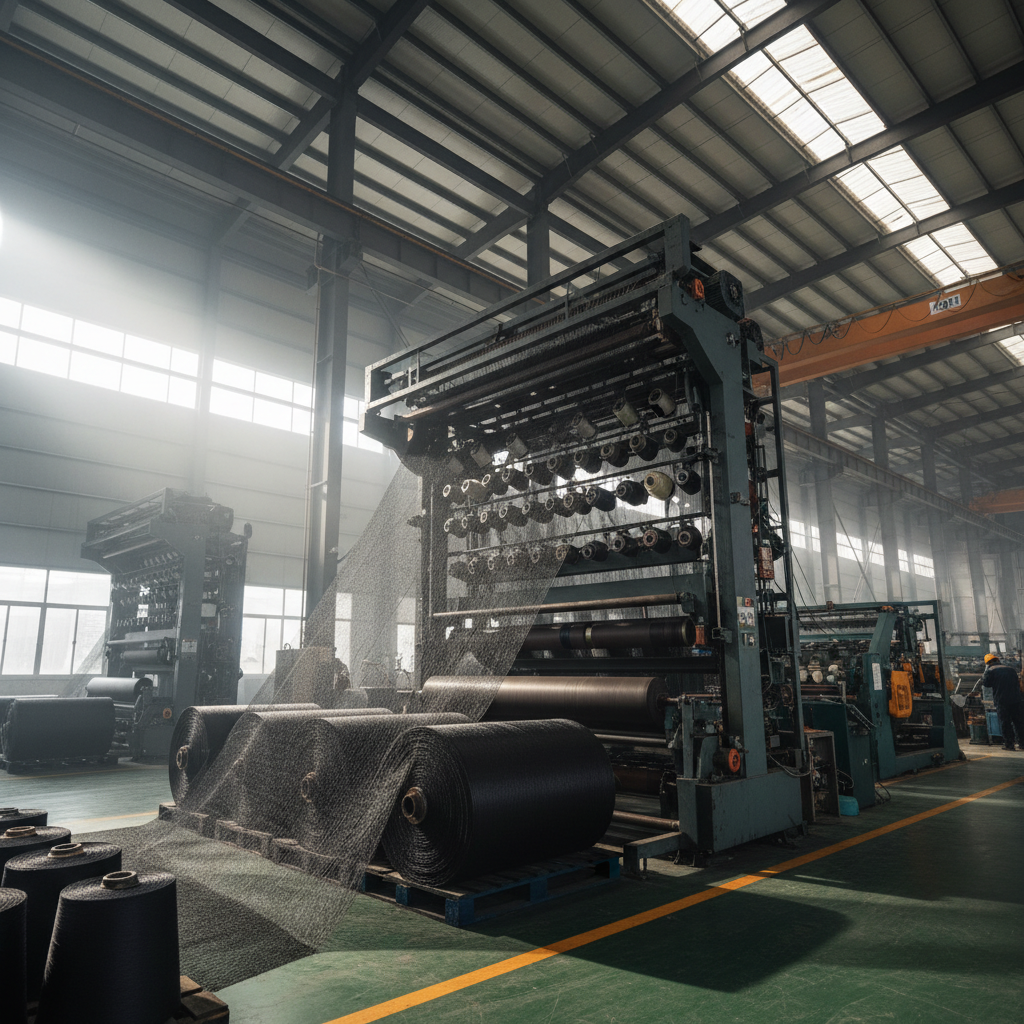
Digital transformation is also touching this industry through the use of automated precision weaving. New CNC-driven looms can create variable-density mesh, where the aperture size changes across a single sheet to provide maximum protection at the base and maximum airflow at the top. This level of customization is transforming fine insect proof mesh from a commodity into a precision engineering tool.
Additionally, the shift toward biodegradable yet durable polymers is on the horizon. Research into bio-plastics means that in the future, fine insect proof mesh could be fully compostable at the end of its lifecycle, eliminating the plastic waste associated with large-scale agricultural installations and furthering the goal of a circular economy.
Challenges and Innovative Solutions in Installation
Despite the benefits, one of the primary challenges is "edge leakage." Even the most expensive fine insect proof mesh is useless if pests can crawl through gaps at the seams or frames. To solve this, industry experts are now recommending integrated sealing systems and magnetic closures that ensure a hermetic seal without compromising the ease of access for workers.
Another common limitation is the tension loss over time, which can create "sags" in the mesh that are prone to tearing. Innovative solutions include the use of reinforced perimeter cables and spring-loaded tensioning devices. These mechanisms allow the fine insect proof mesh to adapt to wind loads and temperature fluctuations without losing its shape.
Finally, managing the cost of high-end materials versus the immediate budget constraints of small farmers remains a hurdle. The solution lies in modular installation. By installing fine insect proof mesh in high-risk zones first and expanding as the yield profit increases, farmers can transition to full protection sustainably.
Comparison of Fine Insect Proof Mesh Specifications by Application
| Application Segment |
Mesh Material |
Aperture Precision |
Expected Lifespan |
| Organic Greenhouses |
UV-Stabilized HDPE |
Ultra-Fine (40-60 mesh) |
5-7 Years |
| Industrial Breeding |
Reinforced Polyester |
Medium-Fine (20-40 mesh) |
3-5 Years |
| Residential Windows |
Stainless Steel 316 |
Precision Fine (Variable) |
15+ Years |
| Fruit Orchards |
Lightweight PE |
Coarse-Fine (10-20 mesh) |
2-4 Years |
| Laboratory Vents |
Nickel-Plated Copper |
Micro-Fine (80+ mesh) |
10+ Years |
| Aquaculture Covers |
Anti-Corrosive Nylon |
Fine (30-50 mesh) |
4-6 Years |
FAQS
Standard mesh is generally designed for larger pests or debris, whereas fine insect proof mesh is engineered with a much smaller aperture size. This precision allows it to block microscopic pests like thrips and whiteflies that can easily pass through standard screening, making it essential for professional greenhouses and high-hygiene environments.
While any physical barrier slightly reduces airflow and light, high-quality fine insect proof mesh is designed to optimize this balance. By using high-transparency polymers and precise weaving patterns, these meshes typically allow over 80-90% of light and air to pass through, ensuring that plant photosynthesis and respiration are not significantly hindered.
The best way to maintain fine insect proof mesh is through low-pressure water rinsing. Avoid using harsh chemicals or abrasive brushes, which can fray the fibers and create holes. For stubborn dust, a gentle vacuum with a brush attachment or a soft microfiber cloth can be used to keep the apertures clear for optimal airflow.
Yes, though the material choice varies. For agriculture, UV-stabilized plastics are preferred for cost and flexibility. For residential use, stainless steel or aluminum fine insect proof mesh is more common due to its aesthetic appeal, superior strength, and longevity. Both serve the core purpose of exclusion while maintaining ventilation.
Replacement cycles depend on the material. HDPE agricultural mesh usually lasts 3-7 years depending on UV exposure. Stainless steel mesh can last decades. We recommend inspecting your fine insect proof mesh seasonally for signs of brittleness, tears, or significant clogging, and replacing sections immediately to prevent pest breakthroughs.
It is a powerful alternative and a key component of Integrated Pest Management (IPM). While it may not eliminate pests already inside a structure, a fine insect proof mesh prevents new infestations. This drastically reduces the need for chemical sprays, allowing farmers to produce cleaner, organic-grade crops with fewer environmental risks.
Conclusion
In summary, fine insect proof mesh represents a critical fusion of material science and practical pest management. By prioritizing durability, breathability, and precision, these barriers provide a sustainable and cost-effective solution for protecting crops, livestock, and human health across the globe. From the reduction of chemical dependency in agriculture to the prevention of disease in urban centers, the long-term value of high-quality mesh is undeniable.
Looking forward, the integration of smart materials and biodegradable polymers will likely make insect proofing even more efficient and eco-friendly. For professionals and property owners, the shift toward precision mechanical barriers is not just a trend but a necessary evolution in building a more resilient and sustainable environment. We encourage you to invest in high-grade mesh solutions to secure your infrastructure and enhance your productivity. Visit our website: www.yjwiremesh.com