Look, I’ve been running around construction sites for fifteen years. You see a lot, you smell a lot… mostly dust and concrete, to be honest. Lately, everyone's talking about prefabricated building materials, modular construction, sustainability – big words, right? But what really gets my attention is the rise in demand for high-quality agricultural net. Not just for farms, mind you. We're seeing it in everything from erosion control to temporary fencing, even as a layer in concrete for reinforcement. It’s a subtle thing, agricultural net, but it's becoming increasingly vital.
Have you noticed how many projects are behind schedule and over budget? It's often the small things that cause delays. People think it’s the big steel beams or the concrete pour, but it’s often a snag with the smaller components, like getting the right kind of netting on time. That’s where understanding the details, the real details, matters. You can spec something beautiful on paper, but if it falls apart after a week on site… well, that’s just wasted money and time.
And the pressure to be “green” is real. Clients want sustainable materials, and that’s good. It forces us to think differently. Anyway, I think that’s a good thing.
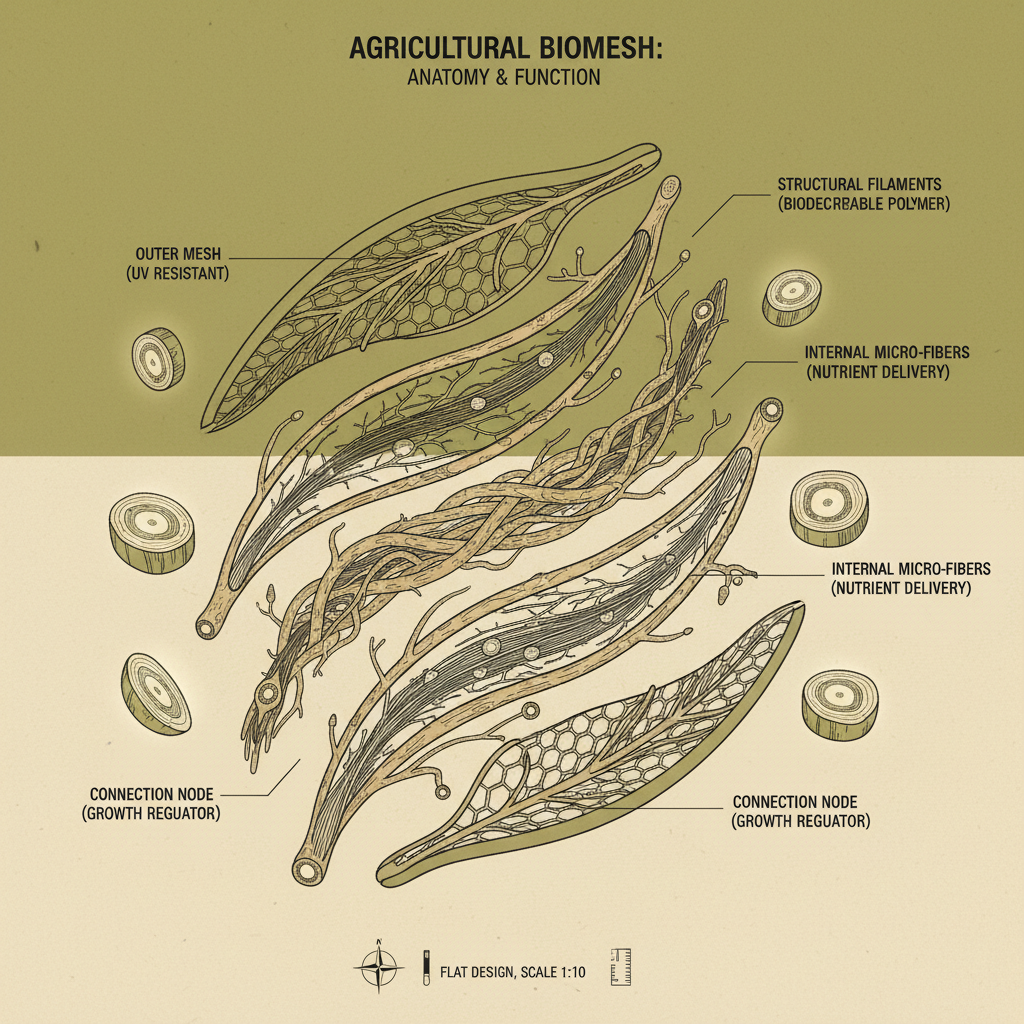
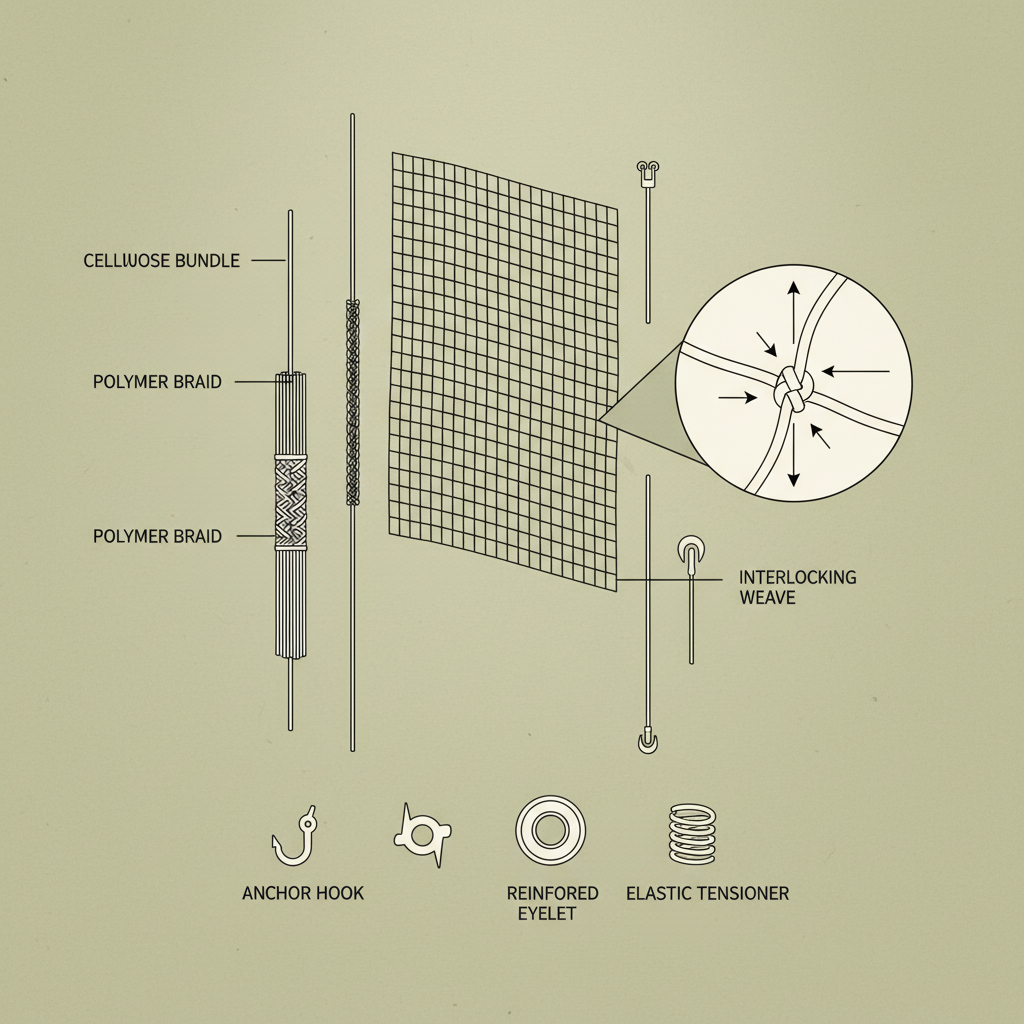
I encountered this at a factory in Tianjin last time, they were trying to use a cheaper grade of HDPE for the agricultural net. Looked the same at first glance, but it snapped under UV exposure in weeks. Strangel, they thought they were saving money, but ended up replacing the whole lot. The biggest pitfall is focusing solely on price. You need to consider the long-term durability and performance. People often underestimate how much stress this netting takes – wind, rain, physical abrasion.
The whole prefabrication push is driving demand, sure, but it also introduces new challenges. You're relying on consistent quality control off-site, and any flaws get magnified when you’re assembling modules. It's not enough to just meet the specs; it needs to work in the real world.
Lifespan heavily depends on the material. HDPE can last 2-5 years with consistent UV exposure, while polypropylene might only last 6-18 months. Recycled materials tend to degrade faster. Regularly inspecting for brittleness and discoloration is crucial. Using UV stabilizers in the manufacturing process significantly extends the life of the netting, but adds cost. It's about finding the right balance between cost and longevity for the specific application.
Mesh size is critical. Smaller mesh sizes provide finer filtration and greater containment, ideal for preventing small pests or particles from passing through. Larger mesh sizes allow for better airflow and drainage, suitable for applications like shading or erosion control where ventilation is important. Choosing the incorrect mesh size can lead to clogging, reduced effectiveness, or even damage to the netting. It's best to consult with an expert to determine the optimal mesh size for your specific needs.
HDPE and polypropylene netting can be recycled, but it’s not always easy. Most municipal recycling facilities don’t accept it. Specialized plastic recycling plants are needed. The process involves shredding the netting, cleaning it, and then melting it down to create new plastic products. However, contamination (dirt, vegetation, etc.) can make recycling more difficult and costly. Biodegradable netting made from PLA is compostable under specific industrial composting conditions.
Store it indoors, if possible, in a cool, dry, and dark place. Avoid prolonged exposure to direct sunlight. If outdoor storage is unavoidable, cover it with a tarp or opaque material. Keep it off the ground to prevent moisture buildup and rodent damage. Don't compress it tightly for extended periods, as this can cause the material to become brittle. Proper storage can significantly extend the netting's lifespan.
HDPE is generally preferred for applications requiring higher strength, durability, and UV resistance, despite the higher cost. Polypropylene is a good choice for less demanding applications where cost is a primary concern. Consider the expected lifespan, environmental conditions, and the level of stress the netting will be subjected to. If you need something that will withstand harsh weather and heavy use, HDPE is the way to go. If it's a temporary application, polypropylene might suffice.
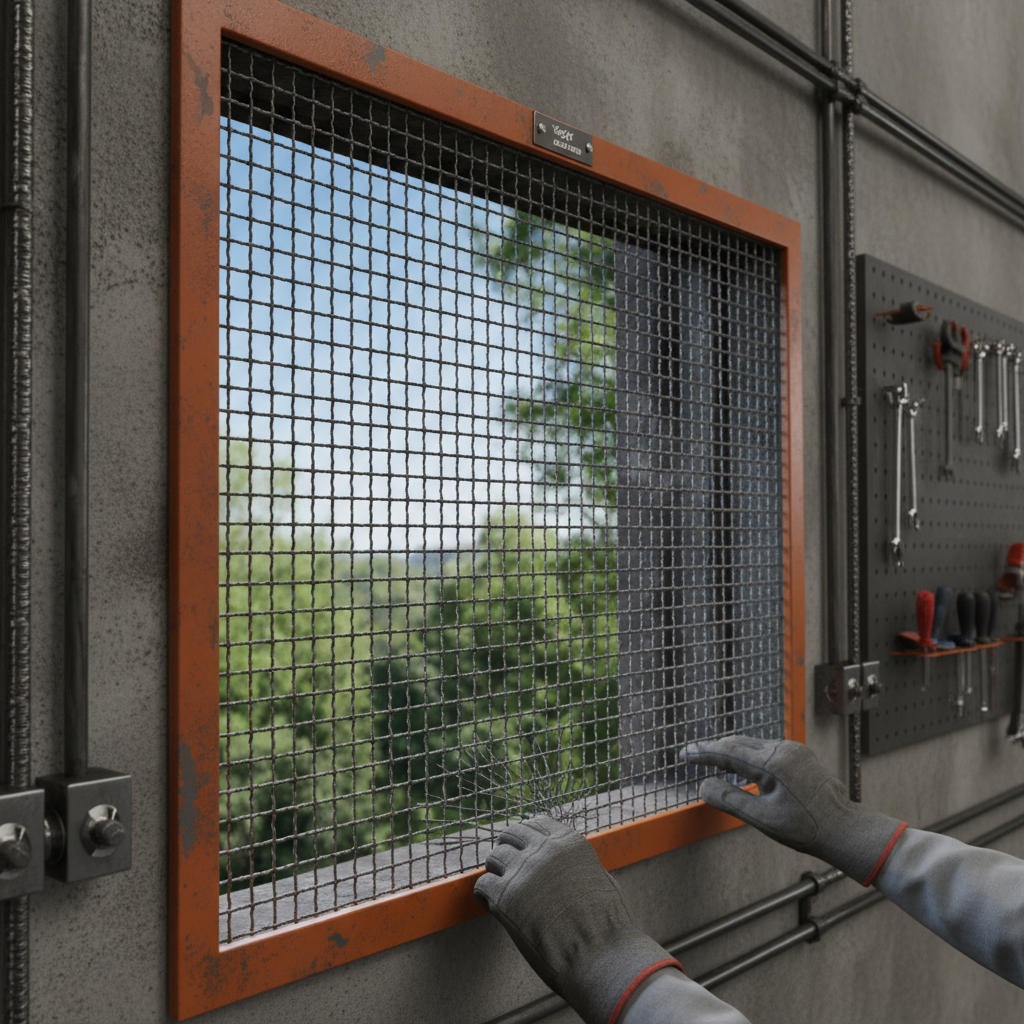
Always wear gloves to protect your hands from abrasion. Use caution when cutting the netting to avoid accidental cuts. If working at heights, follow proper fall protection procedures. Be mindful of potential entanglement hazards, especially with fine mesh netting. Ensure the netting is securely fastened to prevent it from becoming dislodged in windy conditions. Avoid using sharp tools that could damage the netting and create weak points.
So, agricultural net seems like a small thing, right? But it's a surprisingly versatile and important material. From erosion control to temporary fencing, it’s quietly solving problems on construction sites and beyond. Understanding the different materials, applications, and potential pitfalls can save you time, money, and headaches in the long run.
Ultimately, whether this thing works or not, the worker will know the moment he tightens the screw. Don’t overthink it, get good quality material, and trust your gut. You can visit our website at www.yjwiremesh.com for more information.