The implementation of a high-quality hanging bug net has become a cornerstone of modern pest management and environmental control in both agricultural and residential sectors. By utilizing vertical space and advanced mesh engineering, these systems provide a breathable yet impenetrable barrier against harmful insects, significantly reducing the reliance on chemical pesticides.
Across the globe, the demand for specialized mesh solutions is rising as climate change shifts insect migration patterns and increases the prevalence of crop-destroying pests. Understanding the technical specifications of a hanging bug net—from micron pore size to tensile strength—is essential for ensuring long-term efficacy and structural integrity in diverse weather conditions.
Whether applied in large-scale greenhouse operations or small-scale home gardening, the primary goal remains the same: protecting biological assets while maintaining optimal airflow and light penetration. This guide explores the industrial standards, application strategies, and future innovations that make these netting systems an indispensable tool for modern cultivation.
Global Industrial Context of Hanging Bug Nets
The global agricultural landscape is currently facing an unprecedented challenge due to the rapid proliferation of invasive insect species. According to food security reports, nearly 20-40% of global crop production is lost annually to pests, necessitating more robust physical barriers. The hanging bug net has emerged as a critical industrial response, moving beyond simple fabric covers to engineered mesh systems that integrate with modern greenhouse infrastructure.
From the high-tech hydroponic farms of the Netherlands to the vast rice terraces of Southeast Asia, the shift toward integrated pest management (IPM) has placed a premium on mechanical exclusions. By installing high-density hanging nets, growers can create a sterile environment that minimizes the need for chemical interventions, aligning with ISO standards for sustainable agricultural production and reducing the toxic load on the surrounding ecosystem.
Defining the Technical Scope of Hanging Bug Nets
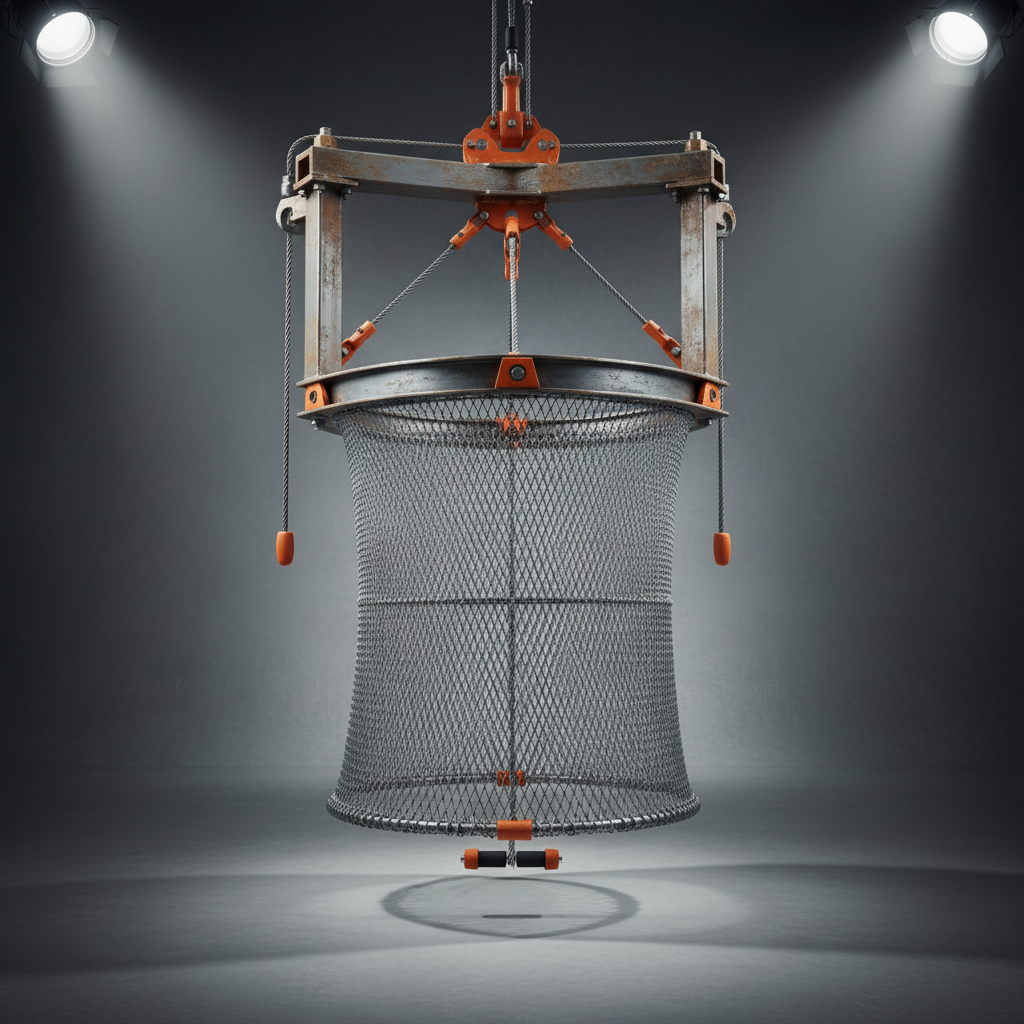
In professional terms, a hanging bug net is a precision-woven barrier designed to exclude specific insect sizes while optimizing the transmission of light and air. Unlike standard screens, these nets are engineered with specific mesh counts—the number of openings per square inch—which determines which pests are blocked. For instance, a fine-mesh hanging net may target thrips and aphids, while a wider mesh focuses on larger beetles or moths.
The "hanging" aspect of these nets refers to the specialized suspension systems that allow the mesh to be draped or tensioned across large spans without sagging. This is achieved through the use of reinforced edges, grommets, and high-tensile support wires, ensuring that the barrier remains taut and gap-free, as even a small tear or gap can render the entire system ineffective against determined pests.
Beyond mere exclusion, these systems are often treated with UV stabilizers to prevent the polymer from degrading under intense sunlight. This industrial approach ensures that the hanging bug net maintains its physical properties over several growing seasons, providing a reliable return on investment for commercial operators who cannot afford the risk of seasonal crop failure.
Core Components for Maximum Durability
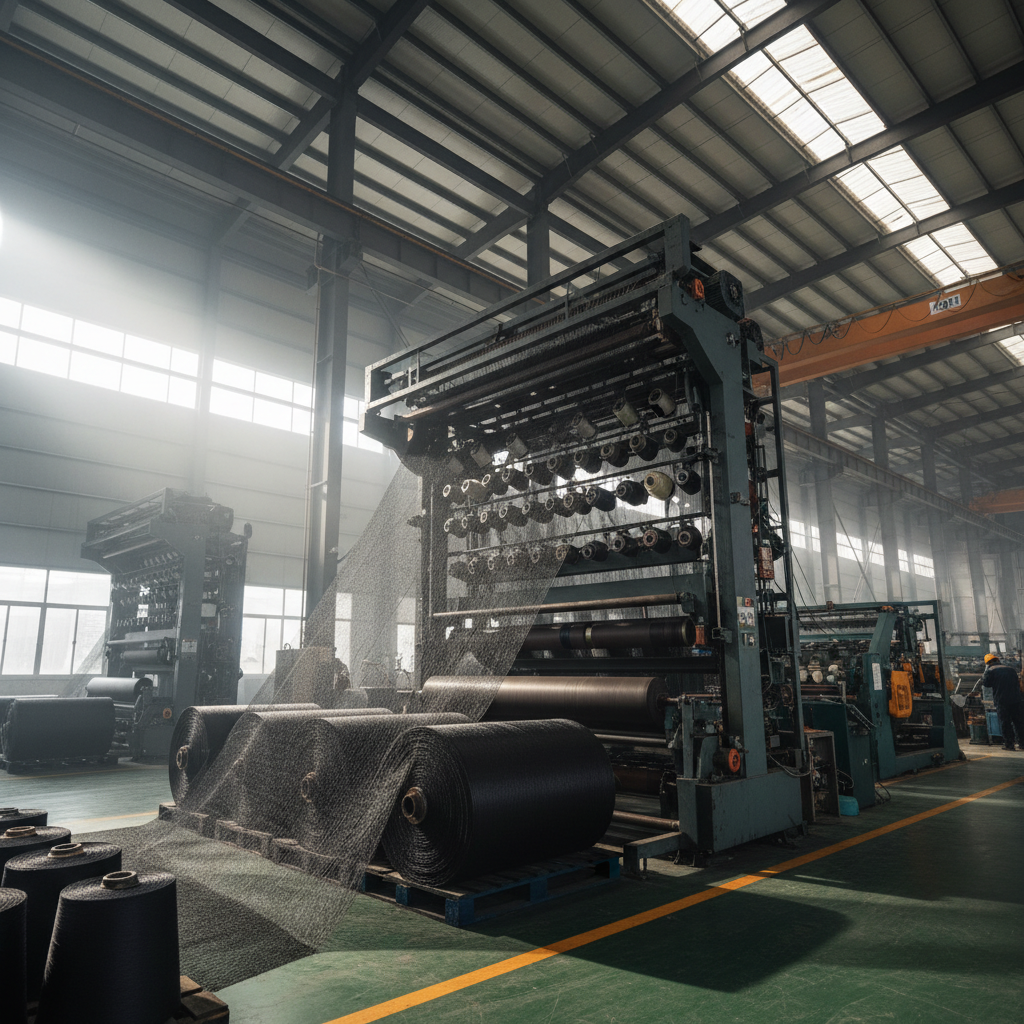
The effectiveness of a hanging bug net begins with the raw material selection. High-density polyethylene (HDPE) is the industry standard due to its exceptional strength-to-weight ratio and resistance to chemical corrosion, ensuring the mesh doesn't fray when exposed to fertilizers or moisture.
Crucial to the longevity of the hanging bug net is the integration of UV-inhibitors during the extrusion process. Without these additives, the polymers would break down within a single summer, leading to brittle fibers and inevitable holes that allow pests to penetrate the protected zone.
Finally, the edge reinforcement—often consisting of a sewn-in webbing or a heat-welded hem—prevents the hanging bug net from unraveling at the stress points where it is anchored. This structural detail is what separates professional-grade industrial netting from consumer-grade alternatives.
Comparative Performance Metrics of Mesh Materials
When selecting the right hanging bug net, operators must balance three competing factors: insect exclusion, light transmission, and ventilation. A mesh that is too tight will block pests but may also stifle the plants by reducing CO2 exchange and increasing humidity, leading to fungal infections.
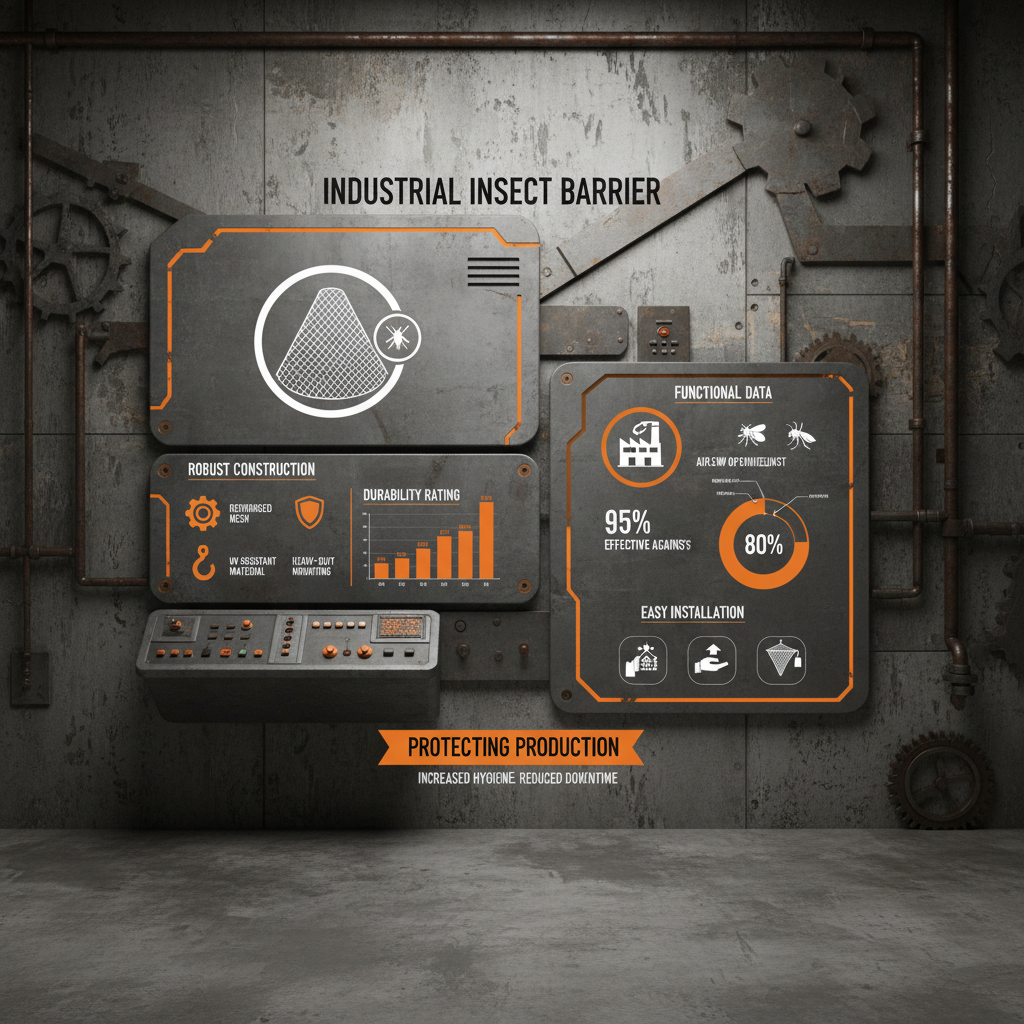
The following data illustrates the performance ratings of various hanging bug net configurations based on industrial testing for airflow and pest blocking efficiency.
Performance Analysis of Different Hanging Bug Net Types
Global Applications Across Diverse Sectors
The versatility of the hanging bug net extends far beyond traditional agriculture. In the aquaculture industry, similar hanging mesh structures are used to protect floating fish cages from predatory birds and airborne debris, demonstrating the scalability of the technology across different biological environments.
In remote industrial zones or post-disaster relief camps, these nets are deployed as essential health infrastructure to prevent the spread of vector-borne diseases like malaria and dengue fever. The ability to quickly deploy a hanging bug net over sleeping areas provides immediate safety and dignity to displaced populations in high-risk tropical regions.
Long-Term Value and Sustainability Benefits
Investing in a professional hanging bug net provides substantial economic value over time by drastically reducing the operational costs associated with chemical pest control. Pesticides not only represent a recurring expense but also require expensive safety equipment and labor for application, whereas a physical barrier is a one-time installation with minimal maintenance.
From a sustainability perspective, the use of these nets supports the growth of organic farming certifications. By eliminating the need for synthetic insecticides, growers can access premium organic markets, increasing their profit margins while protecting local pollinator populations, such as bees and butterflies, which are often accidentally harmed by spray-based pest control.
Furthermore, the psychological peace of mind provided by a reliable hanging bug net cannot be overlooked. For a commercial farmer, knowing that a sudden insect swarm cannot wipe out an entire season's yield transforms the business model from high-risk gambling to a stable, predictable production cycle.
Future Trends and Material Innovations
The next generation of hanging bug net technology is moving toward "smart materials." We are seeing the emergence of nano-coatings that can repel water and dust, preventing the mesh from clogging over time—a common problem that reduces airflow and light in older netting systems.
Additionally, there is a growing trend toward biodegradable polymers that maintain industrial strength for a set period before safely breaking down in the soil. This innovation addresses the environmental concern of plastic waste in agriculture, allowing for the use of a hanging bug net that is as eco-friendly as the crops it protects.
Automation is also playing a role, with motorized hanging systems that can deploy or retract the nets based on real-time weather data and pest activity sensors, ensuring that plants get maximum sun exposure when the risk of infestation is low.
Technical Comparison of Modern Hanging Bug Net Material Innovations
| Material Type |
Pest Exclusion Rate |
UV Resistance (Yrs) |
Airflow Efficiency |
| Standard HDPE |
High |
3-5 |
Moderate |
| Nano-Coated Mesh |
Very High |
5-7 |
High |
| Biodegradable Poly |
Moderate |
1-2 |
High |
| Reinforced Nylon |
High |
4-6 |
Moderate |
| Silver-Ion Treated |
Ultra High |
5-8 |
Moderate |
| Composite Fiber |
High |
6-10 |
High |
FAQS
To effectively block thrips, you need a very fine mesh, typically with a pore size of 40 mesh or smaller (roughly 0.15mm to 0.2mm). Because thrips are extremely small, a standard hanging bug net designed for larger beetles will not be sufficient. We recommend checking the specific micron rating to ensure the openings are smaller than the target pest's body width.
Sagging is usually caused by tension loss or material stretching. To prevent this, use a perimeter cable system (stainless steel wire) and secure the net using heavy-duty UV-resistant zip ties or specialized clips every 12-18 inches. Additionally, choosing a high-tenacity HDPE hanging bug net ensures the fibers resist stretching under their own weight and wind load.
All physical barriers reduce light transmission to some degree, but professional-grade nets are designed to minimize this. Most hanging bug nets allow 70% to 90% of light to pass through. To maximize light, choose a white or clear mesh, as these colors reflect less light away from the plant compared to dark-colored netting.
Yes, they can. In fact, using a hanging bug net in winter can provide a slight insulating effect, reducing wind chill for sensitive plants. However, you should ensure the net is cleaned of organic debris to prevent mold growth during the damp winter months.
Depending on the UV exposure and environmental harshness, a high-quality hanging bug net typically lasts 3 to 7 years. You should inspect the net seasonally for "brittleness"—if the fibers snap easily when pinched, the UV stabilizers have worn out, and it is time for a replacement.
In terms of sustainability and long-term safety, yes. While sprays provide a quick "knock-down" effect, they don't prevent new pests from entering. A hanging bug net provides a continuous, preventative barrier that reduces chemical dependency, protects beneficial insects, and eliminates the risk of chemical residue on food crops.
Conclusion
The integration of a professional hanging bug net is a strategic investment that bridges the gap between high-yield productivity and environmental stewardship. By combining advanced polymer science with practical suspension engineering, these systems provide a reliable, non-toxic solution to one of agriculture's oldest problems: pest infestation. From ensuring food security in developing regions to enabling organic certification in commercial greenhouses, the value of a high-quality mesh barrier is evident in its durability, efficiency, and long-term cost savings.
As we move toward a future of regenerative agriculture and smarter urban farming, the evolution of netting materials—incorporating nano-coatings and biodegradable fibers—will further enhance the synergy between human cultivation and nature. We encourage all growers and facility managers to prioritize high-tenacity, UV-stabilized mesh solutions to safeguard their assets and promote a healthier ecosystem. Visit our website for more professional mesh solutions: www.yjwiremesh.com