Insect mesh cage solutions are becoming increasingly vital across a diverse range of industries, offering protective barriers against insect infestations and ensuring the integrity of crops, livestock, and structures. From safeguarding agricultural yields to preventing disease transmission in breeding environments, the demand for effective insect mesh cages is growing globally. Understanding the nuances of these systems – from material science to installation techniques – is crucial for businesses and individuals alike seeking to mitigate risks and enhance productivity.
The global market for insect-proof netting, which encompasses insect mesh cages, is experiencing significant expansion, driven by rising concerns over food security, animal health, and the spread of vector-borne diseases. According to a report by the FAO, insect pests cause an estimated 20-40% of crop losses worldwide. This underscores the critical need for preventative measures like insect mesh cages. Furthermore, increasingly stringent biosecurity regulations in sectors like poultry farming are fueling demand for advanced insect protection systems.
Investing in robust insect mesh cage systems isn't merely a reactive measure; it's a proactive strategy for sustainable development. It addresses core challenges related to agricultural output, public health, and environmental protection, contributing to a more resilient and secure future. This makes a deep understanding of the design, application, and long-term benefits of these systems paramount.
The Significance of Insect Mesh Cages
Insect mesh cages represent a critical component in modern preventative pest management strategies. Their significance extends far beyond simple insect exclusion; they contribute to increased agricultural yields, enhanced livestock health, and improved public safety. By creating a physical barrier against insects, these cages minimize the need for chemical pesticides, promoting sustainable and environmentally friendly practices.
The increasing awareness of the detrimental effects of pesticides, coupled with rising consumer demand for organically produced goods, has driven substantial growth in the adoption of insect mesh cage technology. Effective insect control is no longer solely about eradication but about creating resilient systems that protect valuable assets without compromising ecological balance.
Defining Insect Mesh Cages: A Comprehensive Overview
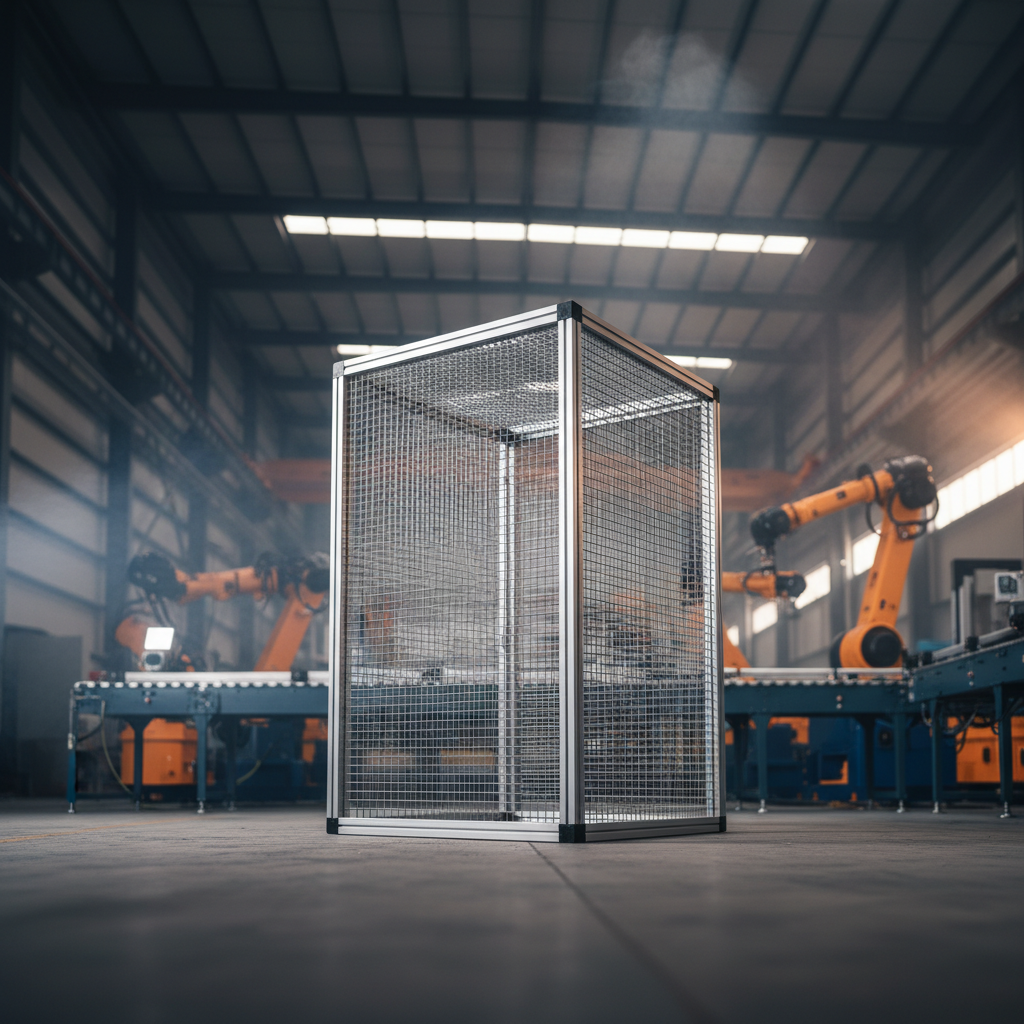
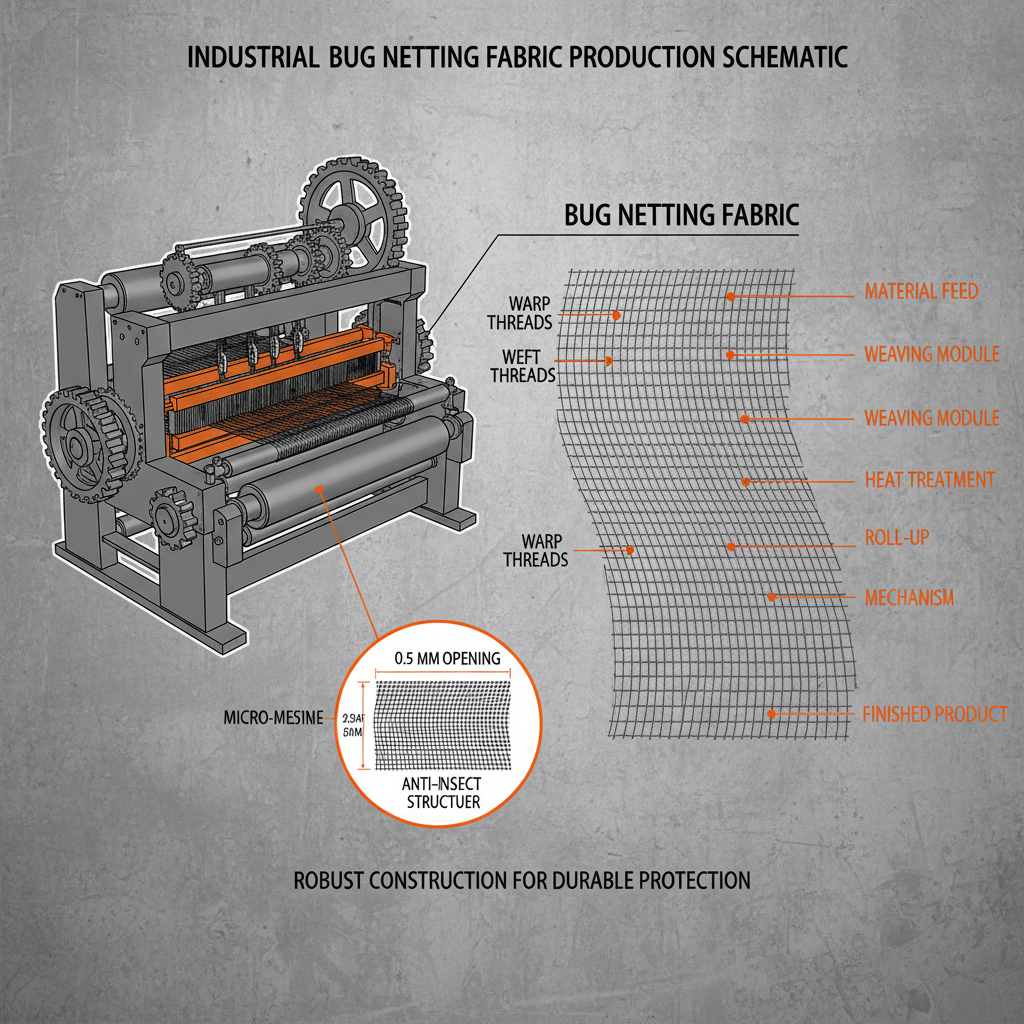
An insect mesh cage is a protective enclosure constructed from a tightly woven netting material designed to prevent insects from entering a defined space. These cages can range in size from small, portable structures used for individual plants to large, permanent installations covering entire greenhouses or livestock buildings. The mesh material itself is typically made from polyethylene (PE), polypropylene (PP), or polyester, chosen for their durability, UV resistance, and insect-proofing capabilities.
The primary function of an insect mesh cage is to provide a physical barrier against pests that can cause significant damage to crops, transmit diseases to livestock, or disrupt industrial processes. Modern insect mesh cages are engineered to offer not only robust insect exclusion but also optimal airflow and light transmission, ensuring healthy growth and productivity within the protected environment.
The connection to modern industry and humanitarian needs is profound. In agriculture, insect mesh cages reduce crop losses and the need for harmful pesticides. In public health, they mitigate the spread of insect-borne diseases like malaria and dengue fever. In breeding environments, they protect livestock from disease vectors and enhance animal welfare, contributing to a more sustainable and responsible food supply.
Core Components and Key Characteristics
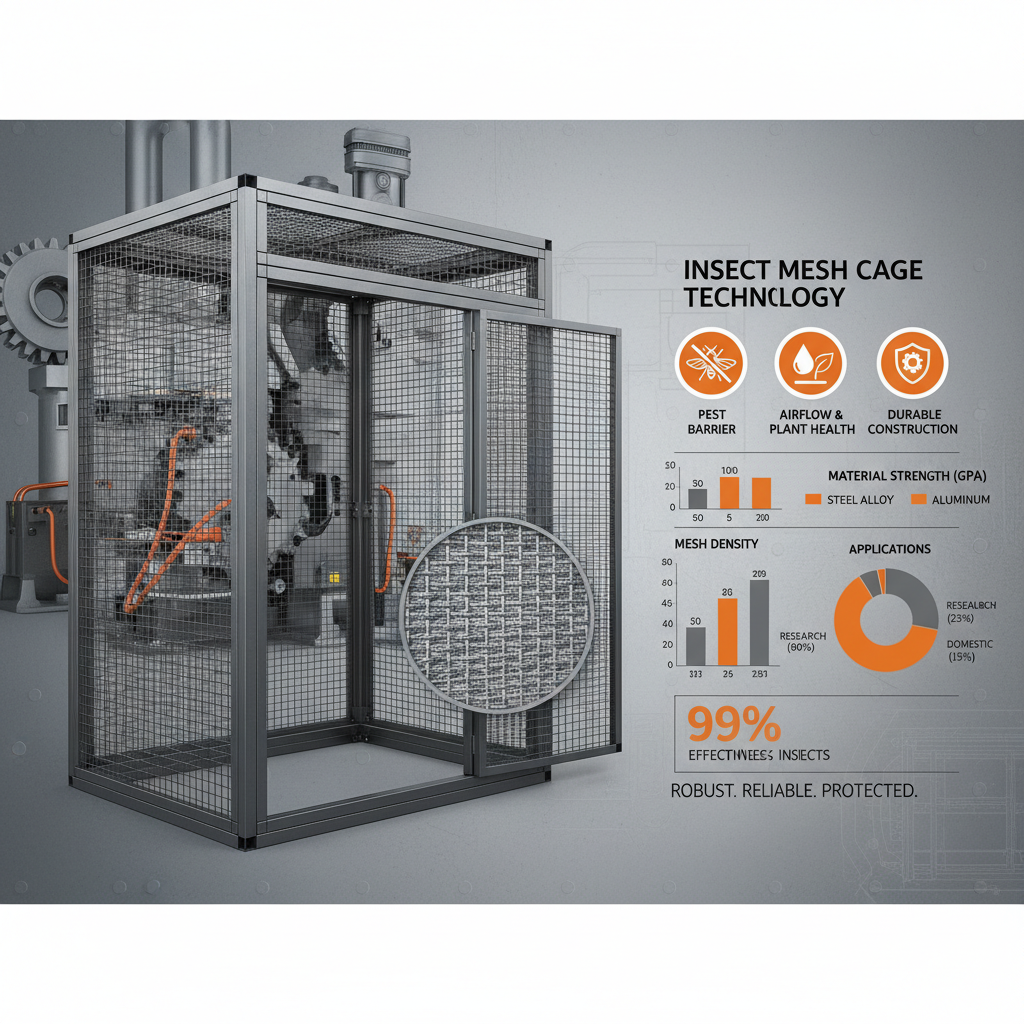
Several key factors define the quality and effectiveness of an insect mesh cage. Mesh Density is paramount; the smaller the mesh openings, the more effective it is at excluding smaller insects. Material Strength is crucial for resisting tears, abrasions, and environmental degradation. The material must withstand exposure to UV radiation, moisture, and temperature fluctuations.
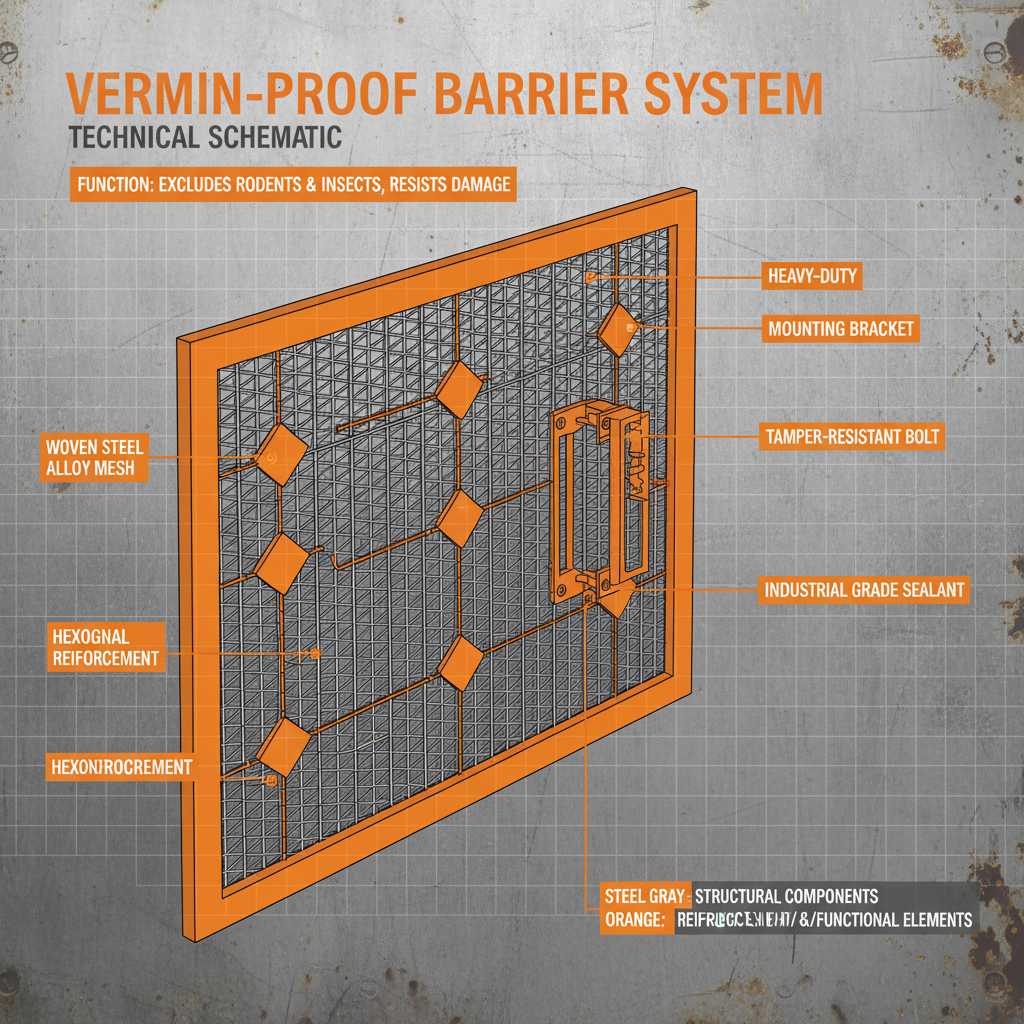
Frame Construction plays a vital role in the structural integrity of the cage. Frames can be made from materials like galvanized steel, aluminum, or durable plastics, each offering different levels of strength and corrosion resistance. Installation Method is also critical; a poorly installed cage will have gaps and weaknesses that insects can exploit. Properly tensioned and secured netting is essential for optimal performance.
Furthermore, UV Stabilization is a crucial characteristic. Prolonged exposure to sunlight can degrade the mesh material, reducing its effectiveness. High-quality insect mesh cages are treated with UV stabilizers to extend their lifespan and maintain their protective properties. Airflow and Ventilation must also be considered, as proper ventilation prevents the build-up of humidity and maintains a healthy environment within the cage.
Practical Applications Across Industries
Insect mesh cages find applications across a remarkably diverse range of industries. In Agriculture, they protect fruit orchards, vegetable farms, and nurseries from damaging insect pests, leading to higher yields and reduced pesticide use. In Aquaculture, they prevent birds and insects from preying on fish and shrimp stocks, improving production efficiency.
The Livestock Industry benefits from insect mesh cages by protecting animals from disease-carrying insects like flies and mosquitoes, reducing the risk of outbreaks and improving animal welfare. The Pharmaceutical Industry utilizes them to maintain sterile environments in research facilities and production areas, preventing contamination from insect-borne pathogens.
Insect Mesh Cage Efficiency by Application
Advantages and Long-Term Value Proposition
The advantages of utilizing insect mesh cages are multifaceted. Cost-Effectiveness is a primary benefit; while initial investment is required, the reduction in crop losses, disease outbreaks, and pesticide usage translates to significant long-term savings. Sustainability is another key advantage, as these systems promote environmentally friendly pest management practices.
Beyond economic and environmental benefits, insect mesh cages offer improved Product Quality and Food Safety. By preventing insect contamination, they ensure that produce and livestock products meet stringent quality standards. This enhances consumer trust and opens up access to premium markets.
Global Applications and Real-World Examples
Insect mesh cage technology is deployed worldwide, adapting to diverse climatic conditions and agricultural practices. In Southeast Asia, they are widely used to protect rice paddies from stem borers and other destructive insects. In Africa, they are instrumental in preventing malaria transmission by excluding mosquitoes from homes and livestock enclosures.
Across Europe, large-scale greenhouse operations rely heavily on insect mesh cages to maintain optimal growing conditions and protect crops from pests and diseases. In North America, they are increasingly employed in organic farming to ensure compliance with stringent certification standards.
In post-disaster relief operations, rapidly deployable insect mesh cages can provide temporary shelter for displaced populations, protecting them from disease-carrying insects and improving their living conditions. The versatility and adaptability of these systems make them a valuable asset in a wide range of humanitarian and development contexts.
Future Trends and Innovative Solutions
The future of insect mesh cage technology is poised for significant innovation. Smart Mesh Materials incorporating sensors and data analytics capabilities will enable real-time monitoring of insect activity and environmental conditions, optimizing pest management strategies. Biodegradable Mesh Options are being developed to minimize environmental impact and address concerns about plastic waste.
Automated Installation Systems will streamline the deployment of large-scale insect mesh cages, reducing labor costs and improving efficiency. Integration with IoT Devices will allow for remote monitoring and control of cage systems, enhancing their responsiveness and effectiveness. The convergence of these technologies will usher in a new era of intelligent insect pest management.
Furthermore, research into nanomaterials is exploring the potential for creating ultra-fine mesh with even greater insect exclusion capabilities while maintaining optimal airflow and light transmission. These advancements will not only enhance the performance of insect mesh cages but also contribute to a more sustainable and resilient food system.
Key Performance Indicators for Insect Mesh Cage Effectiveness
| Insect Exclusion Rate |
Material Durability (Years) |
Airflow Reduction (%) |
Cost per Square Meter |
| 98% |
5 |
10% |
$5.00 |
| 99.5% |
7 |
8% |
$7.50 |
| 95% |
3 |
15% |
$3.00 |
| 97% |
6 |
12% |
$6.00 |
| 99% |
8 |
7% |
$9.00 |
| 96% |
4 |
14% |
$4.00 |
FAQS
The lifespan of an insect mesh cage depends largely on the material quality and environmental conditions. Typically, a well-maintained cage constructed from UV-stabilized polyethylene or polypropylene can last between 3 to 7 years. Factors like intense sunlight, extreme temperatures, and physical wear and tear can reduce this lifespan. Regular inspection and replacement of damaged sections are crucial for maximizing longevity.
Regular cleaning is essential to maintain the effectiveness of an insect mesh cage. Gently wash the mesh with mild soap and water, avoiding abrasive cleaners that could damage the material. Inspect the mesh for tears or holes and repair them promptly. Ensure the frame is free from rust or corrosion. Proper storage during off-seasons can also extend the cage’s lifespan.
The ideal mesh size depends on the specific insects you are trying to exclude. For most common agricultural pests, a mesh size of 0.8mm to 1.6mm is generally effective. For smaller insects like thrips or mites, a finer mesh size of 0.4mm to 0.6mm may be necessary. Consulting with a pest control specialist can help determine the optimal mesh size for your specific needs.
Yes, insect mesh cages can dramatically reduce the need for chemical pesticides. By providing a physical barrier against pests, they minimize the risk of infestation, reducing the reliance on harmful chemicals. This not only benefits the environment but also produces healthier and safer food products. Many organic farms rely heavily on insect mesh cages as a key component of their pest management strategies.
While highly versatile, insect mesh cages are best suited for crops and livestock that require protection from flying insects. They are particularly effective for protecting fruits, vegetables, and greenhouse plants. For livestock, they are ideal for poultry, pigs, and other animals susceptible to insect-borne diseases. Considerations regarding airflow and space requirements are important when designing a cage for specific applications.
The cost of insect mesh cages varies depending on the size, materials, and installation complexity. Initial costs include the mesh, frame, and installation labor. However, these costs are often offset by reduced pesticide expenses, increased yields, and improved product quality. Long-term cost-benefit analyses typically demonstrate a significant return on investment for insect mesh cage systems.
Conclusion
Insect mesh cages represent a powerful and sustainable solution for protecting crops, livestock, and structures from insect pests. Their ability to reduce pesticide use, enhance product quality, and improve public health makes them an invaluable asset across diverse industries. By understanding the core components, practical applications, and future trends of this technology, we can harness its potential to create a more resilient and sustainable future.
Investing in insect mesh cage systems is not just about pest control; it’s about embracing a proactive and environmentally responsible approach to resource management. As innovation continues to drive advancements in materials and design, insect mesh cages will undoubtedly play an increasingly prominent role in shaping the future of agriculture, public health, and industrial safety. Explore our range of insect mesh cage solutions at YJ Wiremesh today.