Netting To Cover Strawberries | Durable Agricultural Protection Solutions
Netting To Cover Strawberries is a key solution in the industry, specifically within agricultural protection and produce packaging sectors. This article explores how https://www.yjwiremesh.com supports professionals with durable, high-performance products, and explains why this product is an ideal choice for businesses in these sectors.
Table of Contents
- Netting To Cover Strawberries Overview
- Benefits & Use Cases of Netting To Cover Strawberries
- Cost, Maintenance & User Experience
- Sustainability & Market Trends
Netting To Cover Strawberries Overview
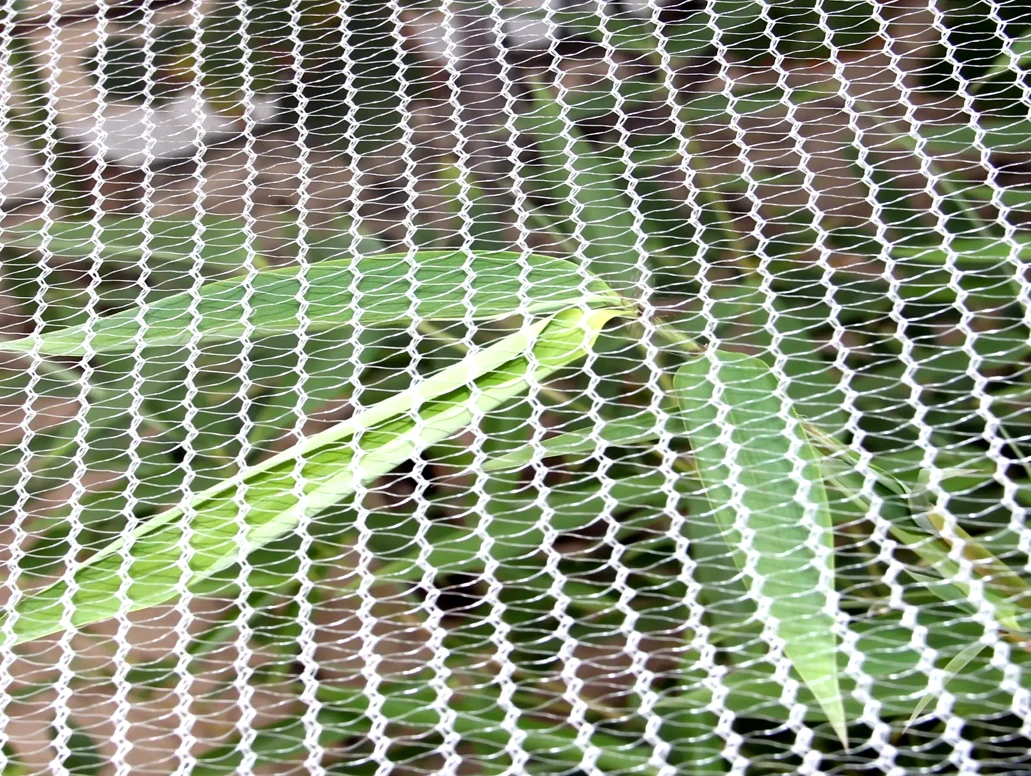
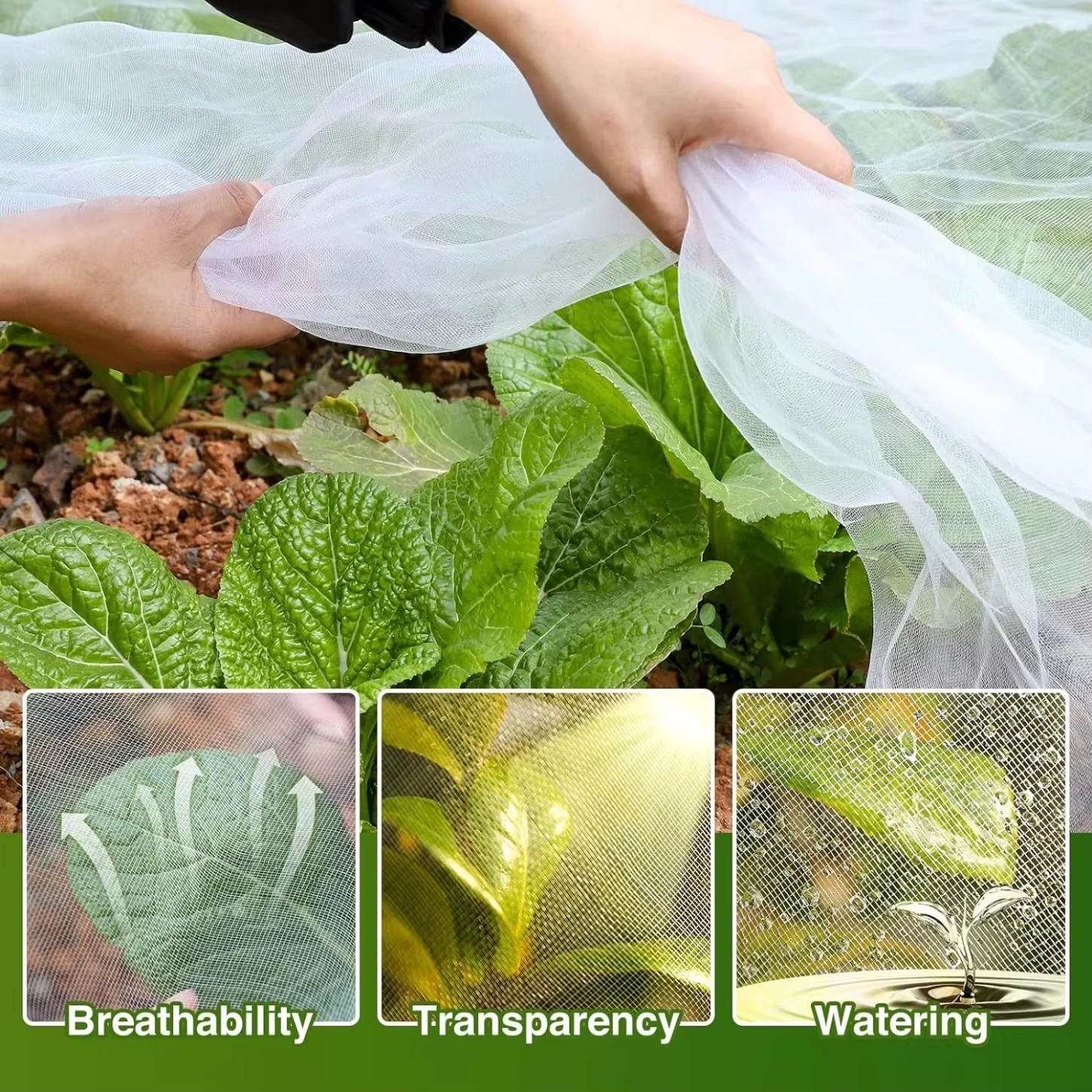
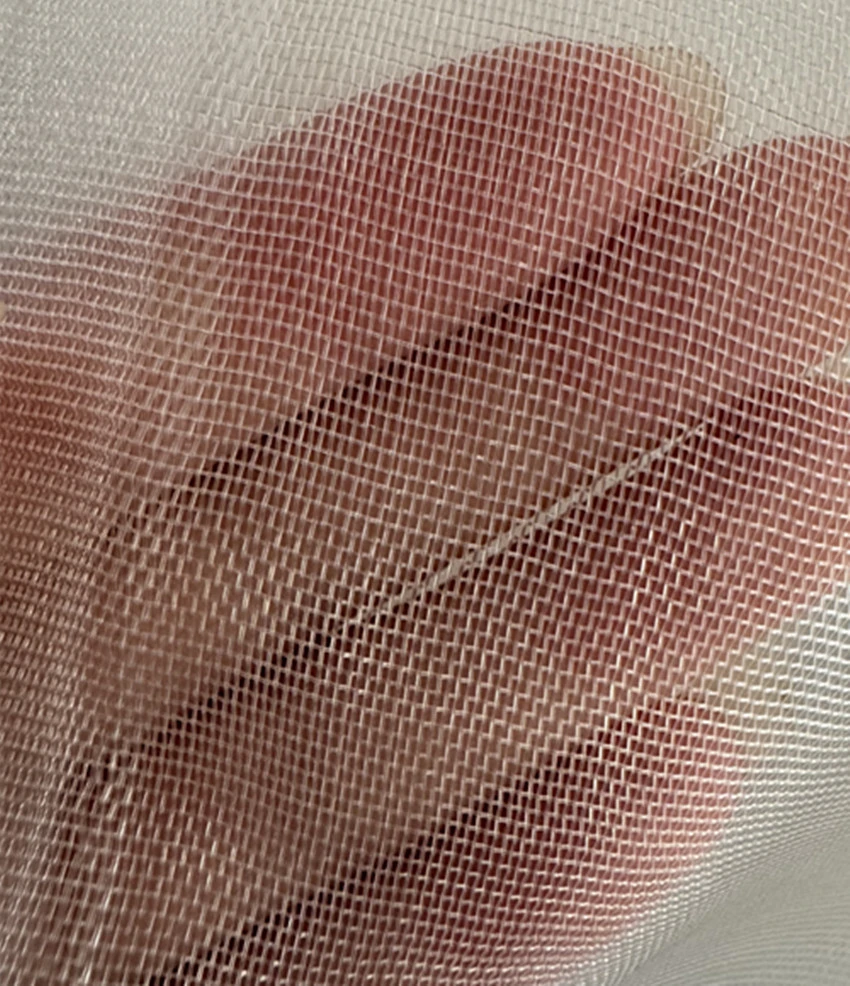
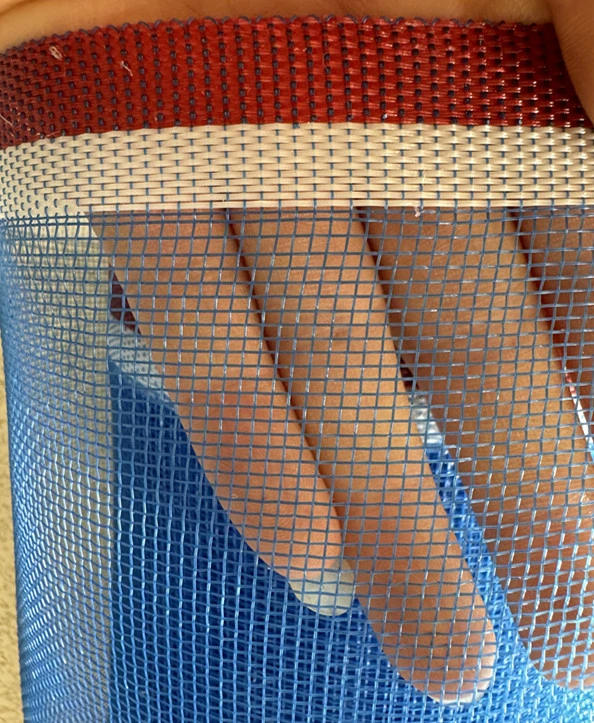
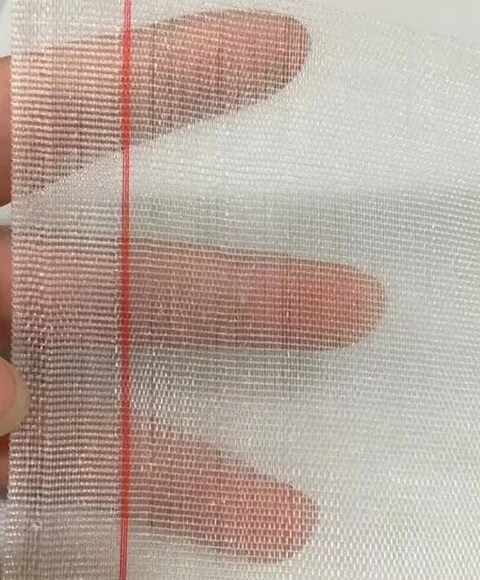
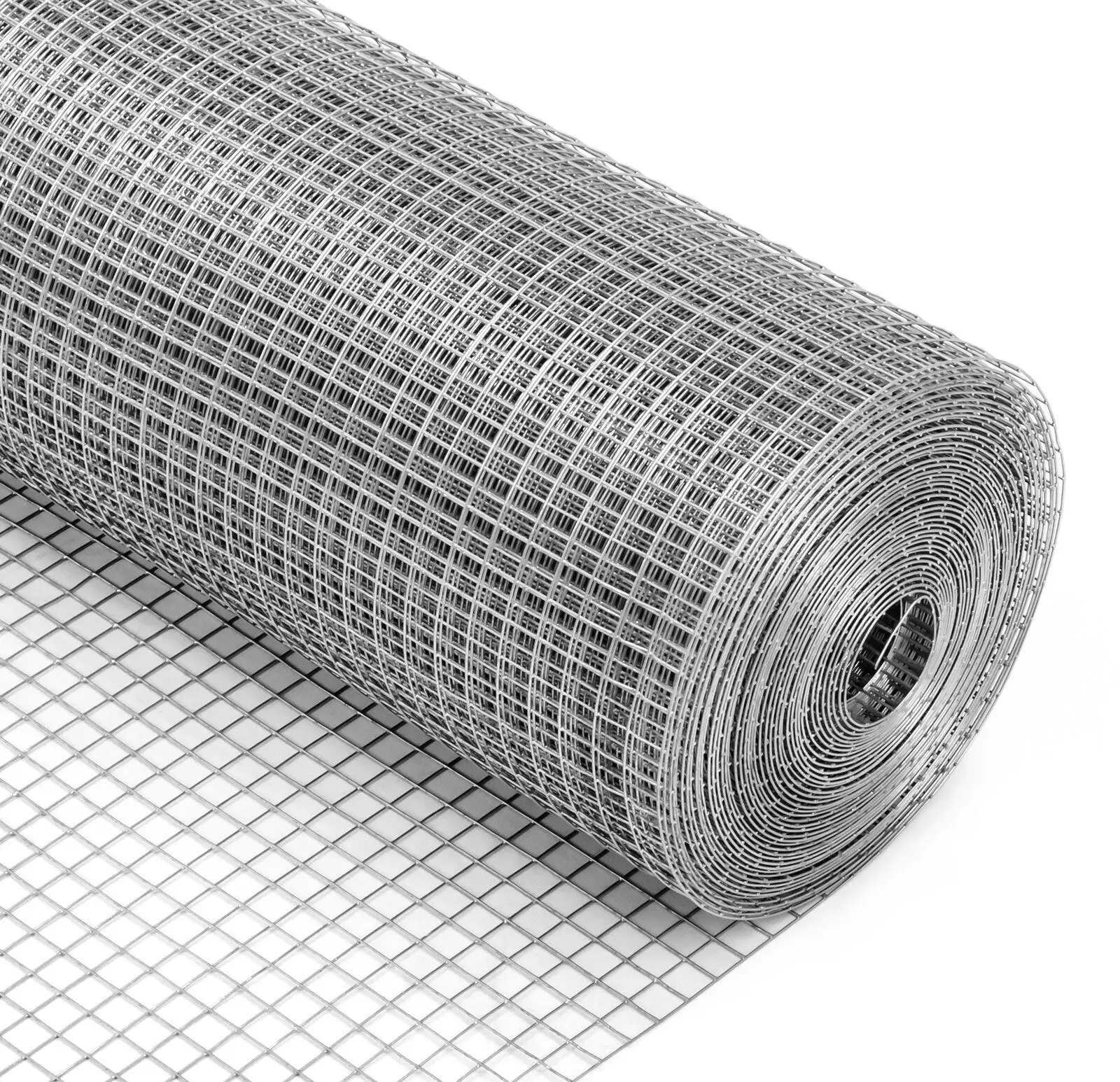
When you're looking at protecting delicate fruits like strawberries, netting is more than just a cover; it’s a shield. Netting to cover strawberries is specially designed woven material, usually made from high-density polyethylene (HDPE) or polypropylene. Its purpose? To safeguard tender crops from birds, insects, and environmental stressors without hindering sunlight or airflow — which strawberries need to thrive. Oddly enough, this balance between protection and permeability is what sets effective netting apart.
- Typically UV-stabilized for longevity under sun exposure.
- Standard mesh sizes range from 15mm to 35mm, optimized to prevent pest ingress yet allow air circulation.
- Case study: A medium-sized grower in Spain increased yield by 18% using YJ Wire Mesh’s netting in 2023, citing reduced bird damage.
| Specification | Details |
|---|---|
| Material | HDPE / Polypropylene, UV stabilized |
| Mesh Size | 15mm - 35mm (customizable) |
| Color Options | Green, Black (standard), Custom upon request |
| Roll Length | 50m / 100m / Custom sizes |
| Tensile Strength | ≥ 420 N/5cm |
Benefits & Use Cases of Netting To Cover Strawberries
In practical terms, netting offers a ton of value beyond just a physical barrier. One of the most immediate benefits is pest and bird control. You see, birds can do surprising damage to ripe strawberries in a matter of hours, and many insecticides have strict regulations or undesirable environmental effects. Netting sidesteps that by providing a purely mechanical, no-exposure solution.
- Allows sunlight and air exchange, reducing fungal diseases often caused by stagnant moisture.
- Customizable mesh sizes to tackle specific pest profiles.
- Competitive edge: YJ Wire Mesh's netting provides higher tensile strength for better lifespan under tension than many equivalents.
Apart from strawberries, similar netting finds use in berry farms, vegetable harvest covers, and even protection of nursery plants. So, if you’re in agri-business looking for reliable protection, this product’s niche adaptability really shows up.
Cost, Maintenance & User Experience
The first question that comes to mind for decision makers (and rightly so!) is whether this netting justifies its cost. Frankly, when you weigh initial outlay against durability, pest control effectiveness, and reduced crop loss, the ROI is solid. Most users report netting lasting 3–4 growing seasons with minimal degradation when properly stored off-season.
- Requires simple routine checks for tears and UV damage.
- Customer feedback from a UK berry cooperative indicated a 20% decrease in pesticides used—cutting overall costs.
- Lightweight design makes manual installation less labor-intensive.
So in real terms, it’s not just a protected harvest but also a smoother operational workflow that adds up to better margins.
Sustainability & Market Trends
Sustainability is no longer a buzzword—it’s a necessity, especially in agriculture. Netting to cover strawberries fits into this trend because it reduces the need for chemical pesticides and minimizes crop loss. This translates into a smaller carbon footprint per kilogram of fruit harvested.
- Legislation in Europe and North America favors physical pest control options.
- The market for agricultural netting is expected to grow at a CAGR of around 5.2% over the next five years, driven by demand for safer, sustainable solutions.
- YJ Wire Mesh’s commitment to eco-friendly production processes adds another layer of trust for buyers.
| Feature | YJ Wire Mesh | Competitor A | Competitor B |
|---|---|---|---|
| UV Stabilization | ≥ 3000 hours | ~2500 hours | ~2000 hours |
| Tensile Strength (N/5cm) | ≥420 | ~350 | ~300 |
| Custom Mesh Options | Yes | Limited | No |
| Eco-Friendly Manufacturing | Certified | Partial | No |
| Lead Time | 2-3 weeks | 3-5 weeks | 4-6 weeks |
Frequently Asked Questions about Netting To Cover Strawberries
- What is Netting To Cover Strawberries and how does it work?
- Netting to cover strawberries is a protective mesh that physically shields the strawberries from birds, insects, and harsh weather, while still letting air and sunlight through. It works by creating a barrier, typically suspended above the plants, preventing pests from reaching the fruit.
- What are the main benefits of using Netting To Cover Strawberries in industrial applications?
- The primary benefits include enhanced crop protection, reduced pesticide use, improved harvest yields, and better fruit quality. Furthermore, durability and reusability lower long-term costs, which is crucial for commercial operations.
- How does Netting To Cover Strawberries compare to traditional alternatives?
- Compared to conventional plastic sheets or chemical controls, netting offers better ventilation, less risk of overheating the plants, and is environmentally friendlier. It also integrates more seamlessly with modern, eco-conscious farming methods.
- What industries can benefit most from Netting To Cover Strawberries implementation?
- Strawberry growers, berry farms, vegetable producers, nursery operations, and even agroforestry projects can use this netting. Essentially, any business needing cost-effective and durable crop protection can see benefits.
Conclusion on Netting To Cover Strawberries from China
To wrap up, Netting To Cover Strawberries isn’t just a protective cover — it’s an investment in crop quality, sustainability, and operational efficiency. The combination of durable materials, smart design, and environmental awareness makes products from suppliers like YJ Wire Mesh a smart choice for businesses aiming to grow with confidence. For anyone serious about crop protection, it’s definitely worth exploring options at https://www.yjwiremesh.com.
- Reliable, cost-effective, and environmentally responsible.
- Tailored for commercial growers who know the value of preventative crop care.
Small but powerful detail: Sustainable netting is quietly shaping the way strawberries and other soft fruits hit our tables, season after season.
References:
1. European Crop Protection Regulation Updates, 2023.
2. YJ Wire Mesh Case Study, Spain Strawberry Growers, 2023.
3. Market Research Report - Agricultural Netting Growth, 2024.
-
High Quality Anti Bird Agro Net for Professional Crop ProtectionNewsApr.16,2026
-
Guide to Bird Netting Cost Per Square Foot and Material OptionsNewsApr.09,2026
-
Comprehensive Guide to Bird Netting Cost Factors and Material ChoicesNewsApr.07,2026
-
Comprehensive Guide to Bird Net for Balcony Cost and Installation OptionsNewsApr.04,2026
-
Comprehensive Guide to Bird Netting Price and Effective Protection SolutionsNewsMar.31,2026
-
Comprehensive Guide to Nylon Bird Net Price Factors and OptionsNewsMar.28,2026