Pigeon Net for Balcony Price: Your Comprehensive Guide to Cost, Quality & Benefits
Pigeon Net for Balcony Price: Understanding the Cost and Value of This Essential Solution
Pigeon nets for balconies might not be the first thing that pops into your mind when considering home maintenance or city living improvement, but they’ve quietly become a practical answer to a surprisingly widespread urban problem. These nets act as barriers, preventing pigeons and other birds from roosting on balconies and causing damage or hygiene issues. Globally, as urbanization increases, managing such wildlife interactions has grown important for residents and building managers alike. Understanding the pigeon net for balcony price is crucial — not just for affordability, but to balance durability, aesthetics, and effectiveness.
Why Does Pigeon Net for Balcony Pricing Matter Worldwide?
Urban populations have skyrocketed—according to the UN World Urbanization Prospects, over 55% of the world's population lives in cities today, projected to rise to 68% by 2050. More balconies mean more opportunities for pigeons to settle. Left unchecked, pigeon droppings stain façades, damage property, and bring health risks, which can lead to costly maintenance and even repelling tenants.
Here’s where pigeon nets come in — a relatively simple solution with economic and health implications. Yet, the cost (the pigeon net for balcony price) varies widely around the globe, influenced by material quality, installation type, and supplier expertise.
What Exactly Is a Pigeon Net for Balcony?
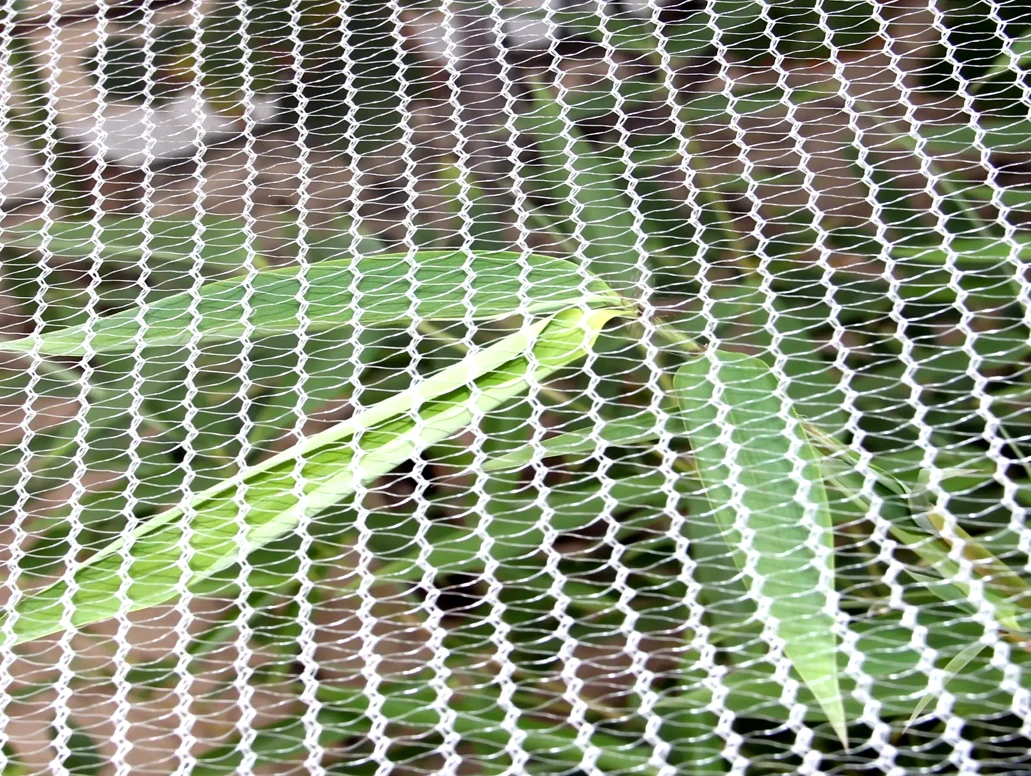
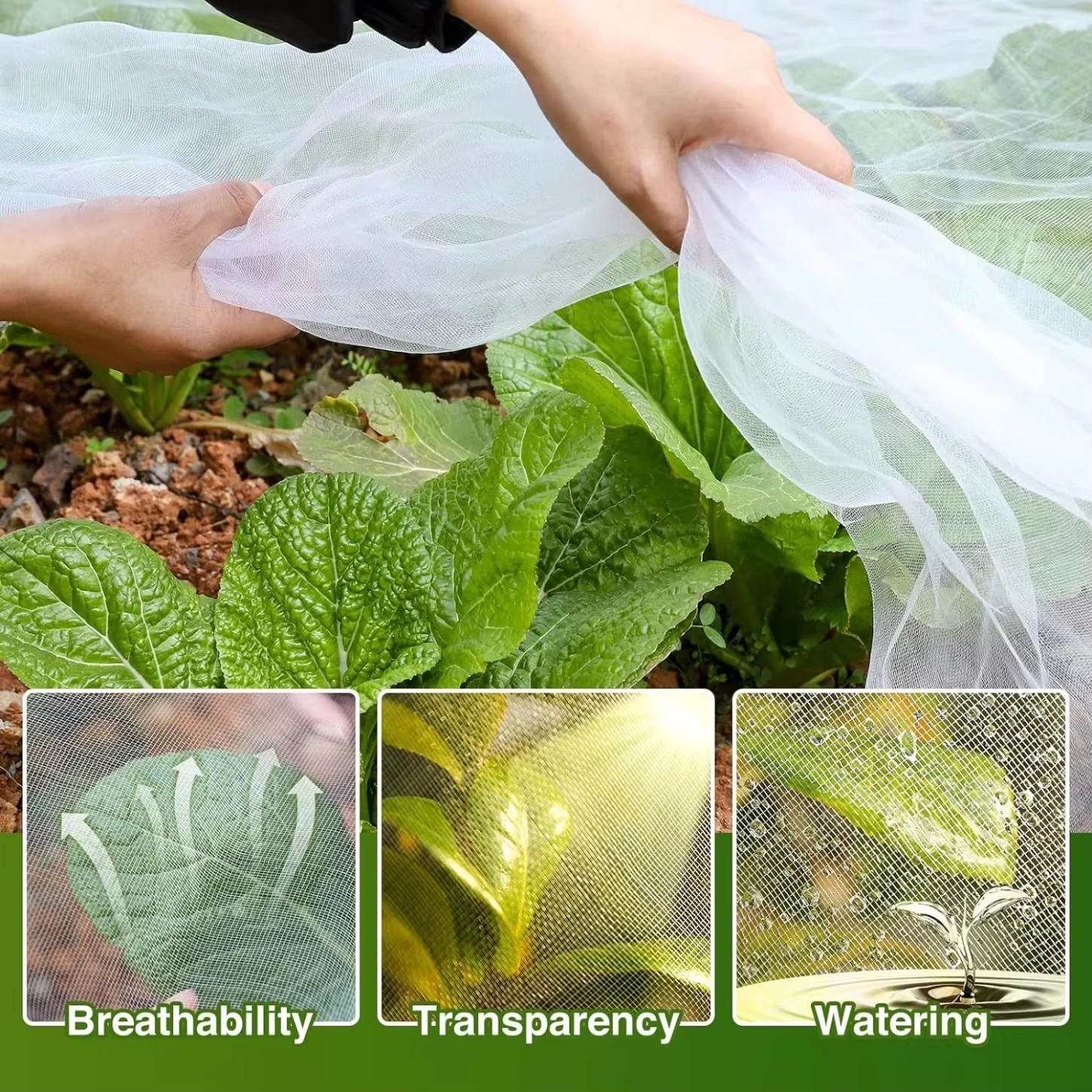
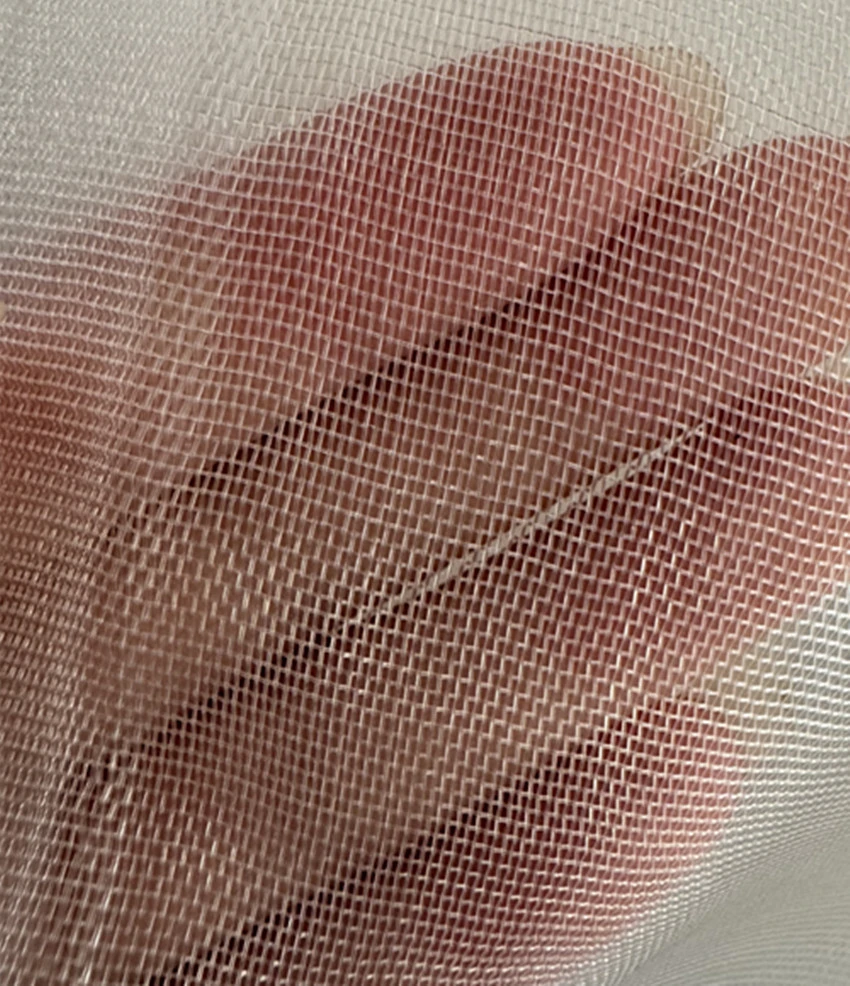
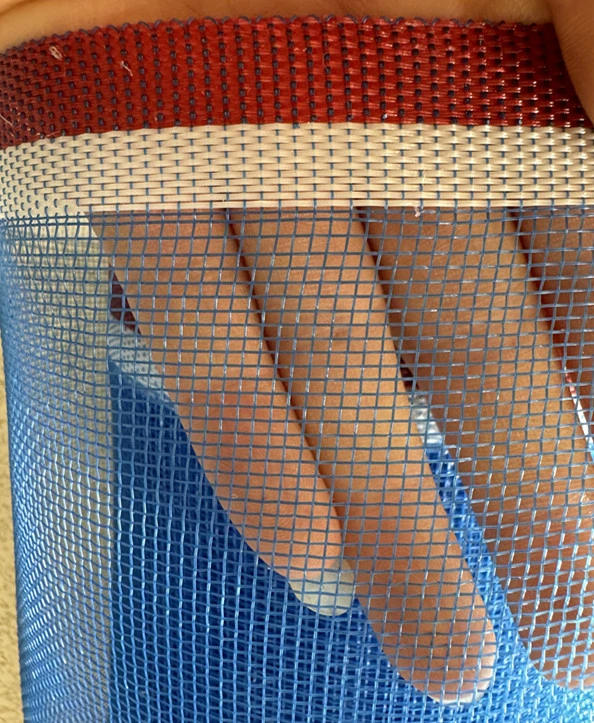
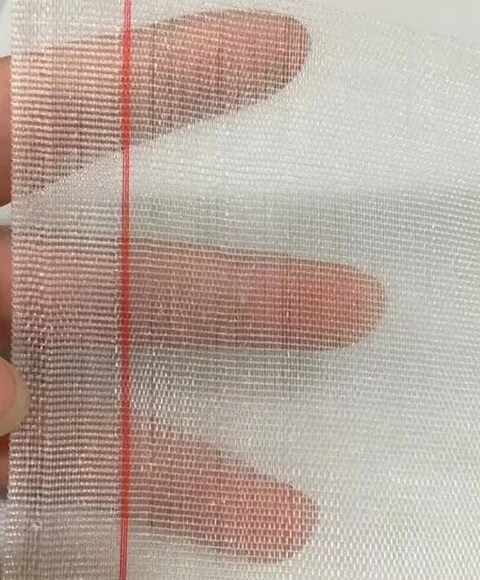
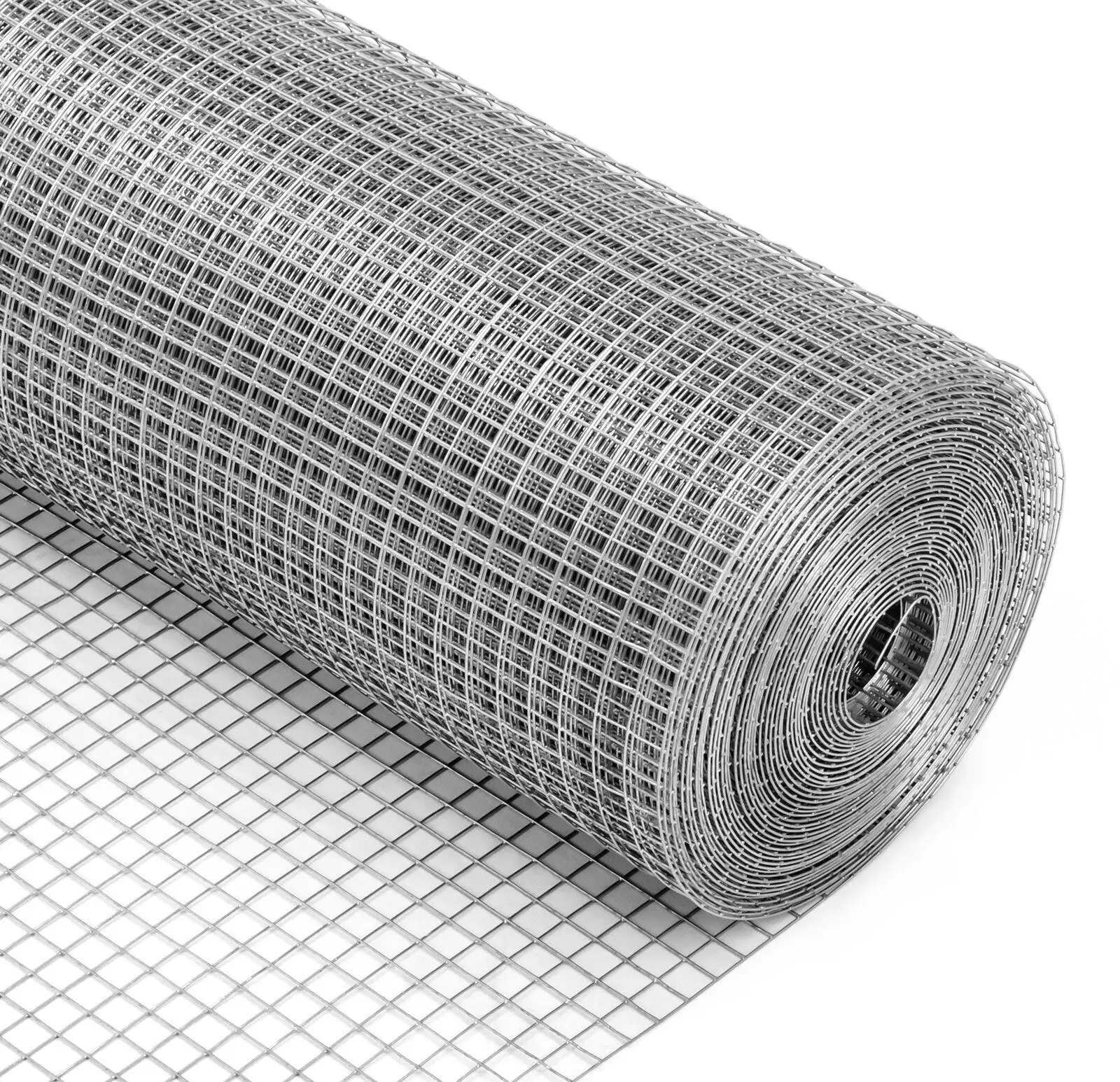
Simply put, a pigeon net is a mesh barrier typically made from synthetic fibers like nylon or polyethylene, installed around balconies or terraces to deter pigeons from perching or nesting. It’s a humane and environmentally sound way to protect your living space without harming birds. In modern residential complexes, pigeon nets are often mandated by building codes or HOA rules aiming to maintain aesthetics and hygiene.
Considering its role within urban wildlife management, pigeon net use relates closely to initiatives promoting safer living conditions and biodiversity conservation in cities.
Key Factors Affecting Pigeon Net for Balcony Price
1. Durability and Material Quality
Just like any home improvement, you get what you pay for. Mesh material varies from basic nylon to weather-resistant polyethylene and UV-protected nets. Cheap nets may deteriorate within months, while premium options can last over 5 years outdoors. Since balconies face sun, rain, and wind, investing in durable mesh reduces long-term replacement costs.
2. Installation Complexity and Labor
If you live in a high-rise or with irregular balcony shapes, professional installation is usually necessary. Labor costs can sometimes rival or exceed material costs, especially in dense urban areas. The net must be taut and securely fixed for safety, meaning installation skills matter.
3. Mesh Size and Design
Mesh size impacts both effectiveness and price — smaller meshes prevent smaller birds but use more material and, hence, cost more. Also, some nets come in aesthetically pleasing colors or with self-cleaning coatings, influencing the pigeon net for balcony price.
4. Vendor Reputation and Support Services
Brands offering warranties, free inspections, and after-sales service often charge premiums, but that peace of mind can be priceless for long-term satisfaction.
Product Specifications for Typical Balcony Pigeon Nets
| Specification | Standard Range | Description |
|---|---|---|
| Material | Nylon, Polyethylene | Weather-resistant synthetic fibers |
| Mesh Size | 10-25 mm | Size varies by bird prevention needs |
| UV Protection | Yes/No | Extends service life outdoors |
| Thickness | 0.5 - 1.2 mm | Strength and durability factor |
| Installation Method | Adhesive hooks, frames, wires | Varies per balcony specs |
Comparing Key Vendors in Pigeon Net for Balcony Price
| Vendor | Price Range (per sqm) | Material Type | Warranty | Installation Included |
|---|---|---|---|---|
| UrbanNet Co. | $10 - $15 | PE with UV protection | 3 years | Yes |
| SafeGuard Nets | $7 - $12 | Nylon standard | 1 year | Optional |
| EcoBird Shield | $12 - $18 | Recycled PE, UV-treated | 4 years | Yes |
Global Applications & Use Cases
In cities like New York, Mumbai, and Paris, pigeon nets are an everyday necessity for high-rise apartments and historical buildings alike. Governments and NGOs have also encouraged their use in public spaces to reduce urban mess and disease vectors associated with bird droppings (WHO on vector-borne disease control).
In climate-sensitive regions with seasons of heavy rain or wind, residents favor UV-resistant and quick-drying nets. Oddly enough, luxury real estate markets incorporate discreet nets that blend into balconies’ designs to maintain aesthetics while providing protection.
Mini takeaway: The choice of pigeon net reflects not just price but climate conditions, legal requirements, and design preferences — all of which sway the pigeon net for balcony price.
Advantages & Long-Term Value
- Cost Efficiency: Prevents expensive façade cleaning, property damage, and health hazards associated with bird droppings.
- Sustainability: Modern nets, especially those made from recycled materials, are eco-conscious alternatives.
- Safety and Dignity: Humane bird deterrence supports urban coexistence while protecting residents’ living spaces.
- Reliability: Durable nets mean fewer replacements, saving time and money.
Future Trends & Innovations
Green technology is creeping into pigeon net manufacturing, with biodegradable materials and enhanced recyclability becoming topics of research. Digital transformation is also impacting installation — drones now survey buildings to design custom nets with laser precision, optimizing fit and reducing waste. Automation in large residential complexes speeds installation, lowering labor costs that directly tie to the pigeon net for balcony price.
Challenges & Solutions
Common barriers include improper installation leading to sagging or tears and consumer hesitation due to unfamiliarity with quality standards. Innovative coating technology is making nets self-cleaning, and increased online transparency in pricing and reviews helps potential buyers navigate options more confidently. Consulting with certified vendors ensures safety compliance and durability — it’s absolutely worth seeking expert advice before purchase.
FAQ: Frequently Asked Questions About Pigeon Net for Balcony Price
- What factors most influence the pigeon net for balcony price?
- The key factors are material quality (UV resistance, thickness), mesh size, installation complexity, and vendor reputation. Higher-quality nets with professional installation naturally cost more but last longer.
- Is it better to DIY install or hire professionals?
- For straightforward balconies, DIY could save money. However, irregular balcony shapes or high-rise locations typically require professionals for safety and effectiveness, justifying the extra cost.
- How often do pigeon nets need replacement?
- Depending on material and weather exposure, nets last between 3 to 7 years. Regular inspections can extend lifespan by addressing wear early.
- Are pigeon nets environmentally friendly?
- Many manufacturers now offer nets made from recycled polyethylene or biodegradable materials. Choosing these supports sustainability without compromising durability.
- Where can I find reliable pricing and vendors?
- Reputable vendors often have transparent pricing on their websites. For competitive offers, check reliable suppliers like pigeon net for balcony price listings that combine quality and value.
Conclusion
In real terms, understanding the pigeon net for balcony price goes beyond the sticker price. It encompasses materials, installation, lifespan, and the peace of mind that your balcony remains bird-free and your property is protected. For extensive options, installation tips, and pricing details, visit our website. You might be surprised how cost-effective and hassle-free pigeon nets can be when chosen wisely.
Final takeaway: investing thoughtfully in your balcony’s pigeon net protects your home, your health, and your downtown skyline’s charm for years to come.
-
High Quality Anti Bird Agro Net for Professional Crop ProtectionNewsApr.16,2026
-
Guide to Bird Netting Cost Per Square Foot and Material OptionsNewsApr.09,2026
-
Comprehensive Guide to Bird Netting Cost Factors and Material ChoicesNewsApr.07,2026
-
Comprehensive Guide to Bird Net for Balcony Cost and Installation OptionsNewsApr.04,2026
-
Comprehensive Guide to Bird Netting Price and Effective Protection SolutionsNewsMar.31,2026
-
Comprehensive Guide to Nylon Bird Net Price Factors and OptionsNewsMar.28,2026