Jan . 24, 2026 17:45
Back to list
Pigeon Safety Nets: Protect Your Facility
Pigeon Safety Net Systems: Protecting Assets & People
You know, I’ve spent a good portion of my career in industrial environments – manufacturing plants, distribution centers, even food processing facilities. And one thing you quickly realize is that seemingly small problems can escalate into big headaches. Pigeons, frankly, are a perfect example. It’s not about being anti-bird, it’s about hygiene, safety, and protecting valuable equipment. Droppings cause corrosion, block drains, create slip hazards... the list goes on. And it’s not just about the mess; bird nesting can damage HVAC systems, interfere with sensors, and create fire risks. We’ve seen it all. Honestly, I’ve seen projects delayed, production halted, just because of pigeon-related issues. It’s a surprisingly costly problem, and one often overlooked until it is a problem.Understanding the Design & Materials
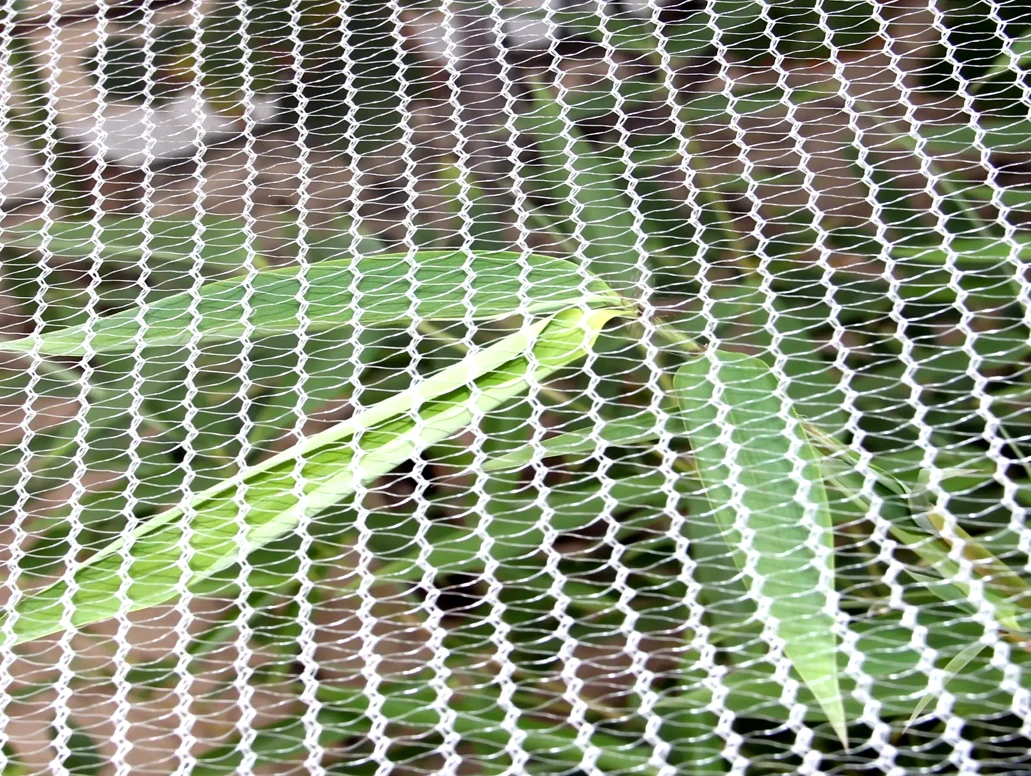
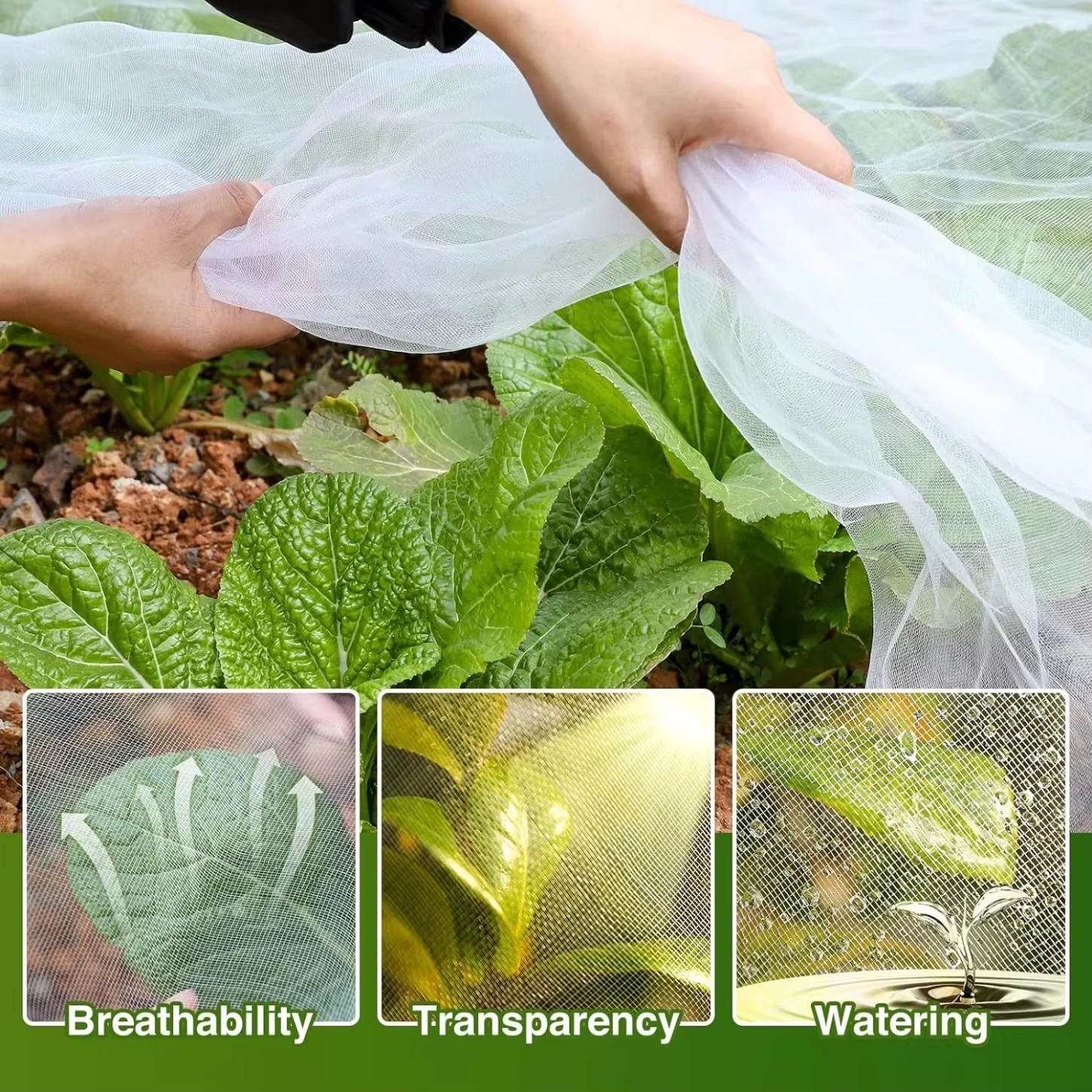
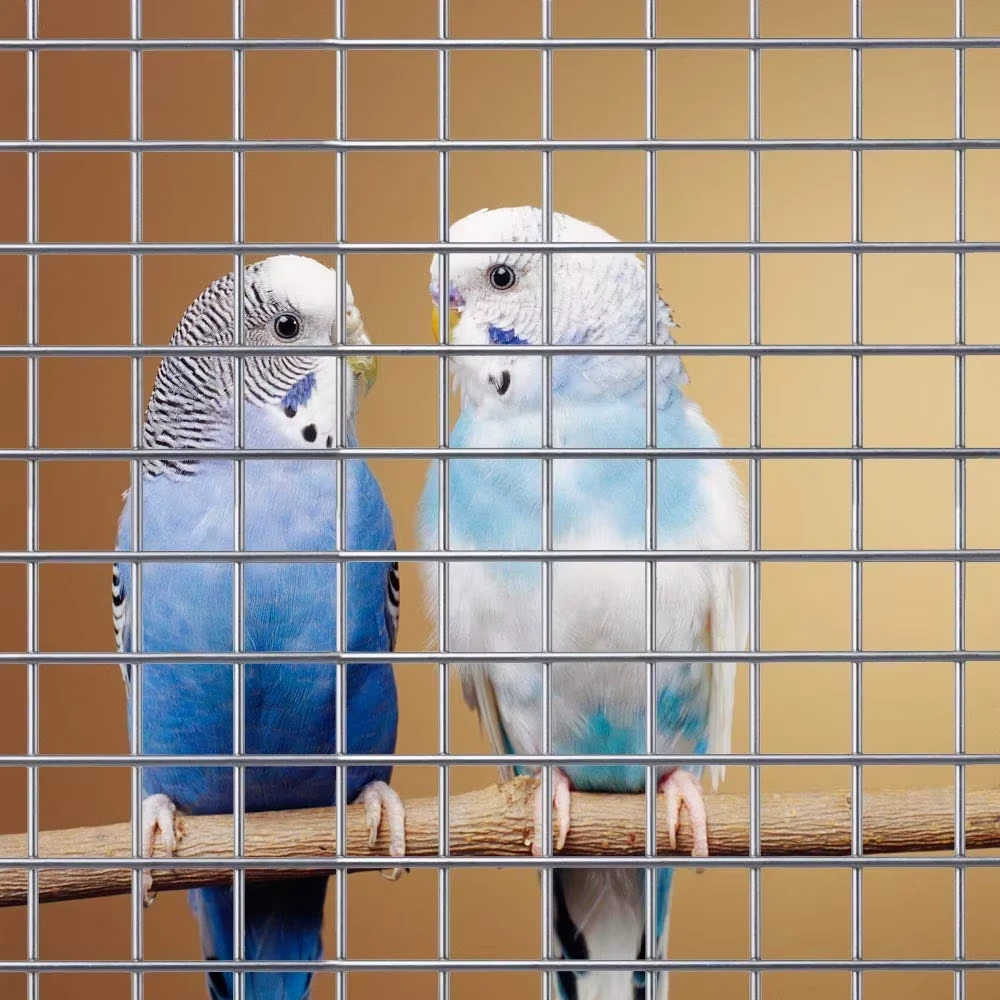
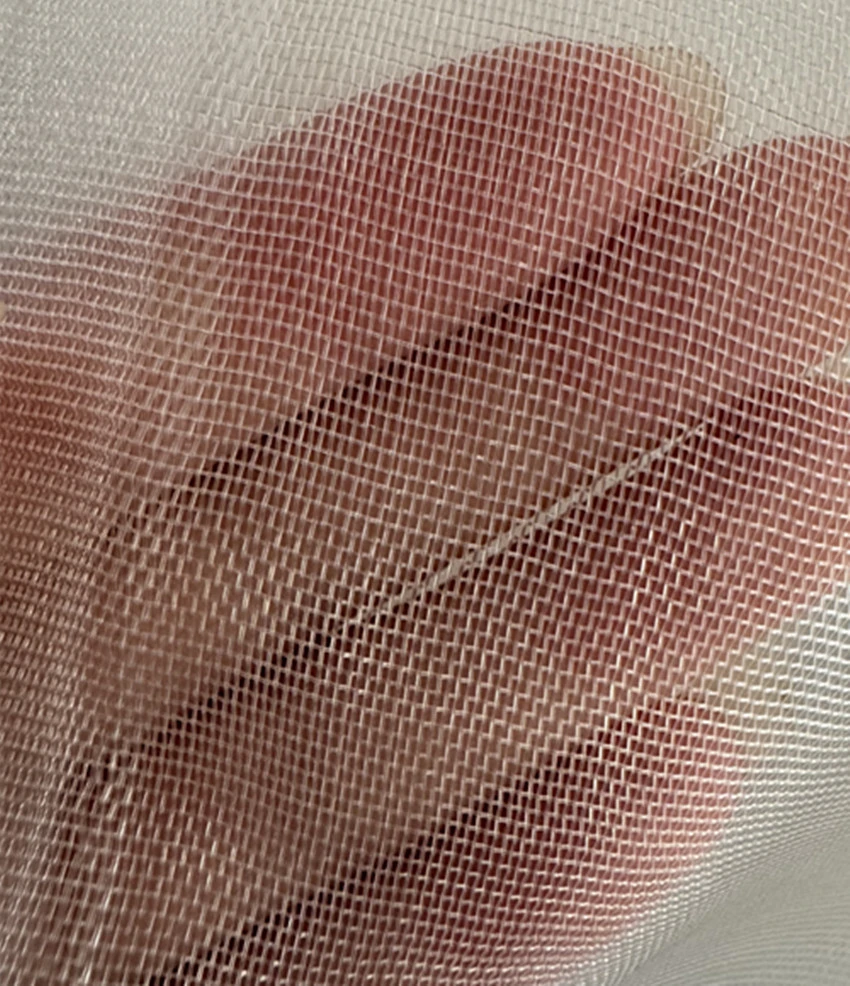
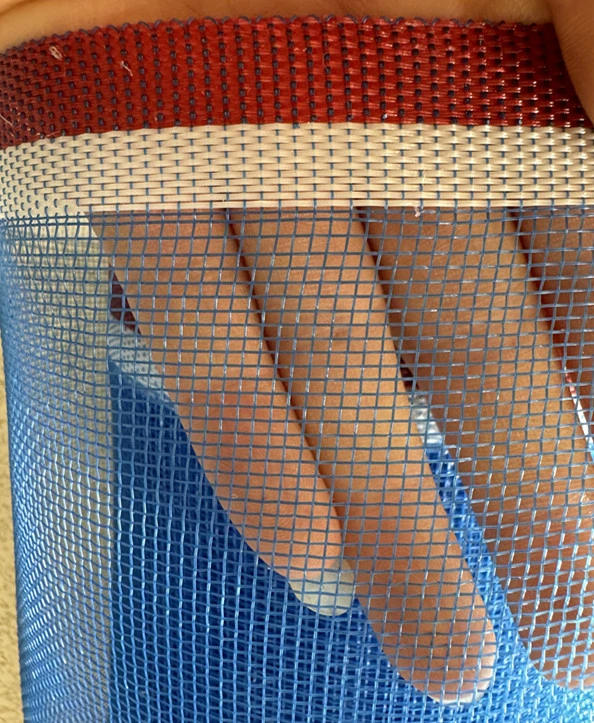
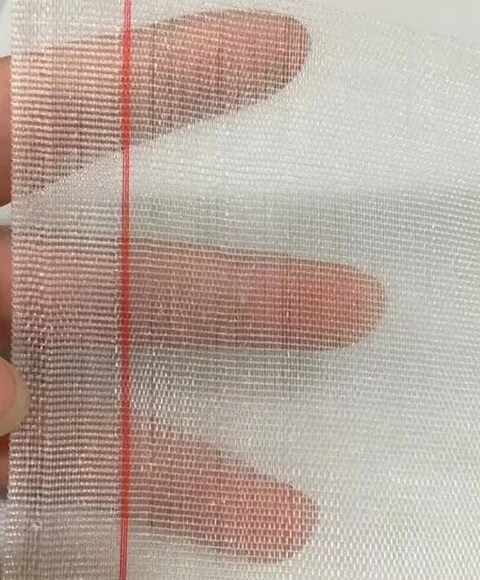
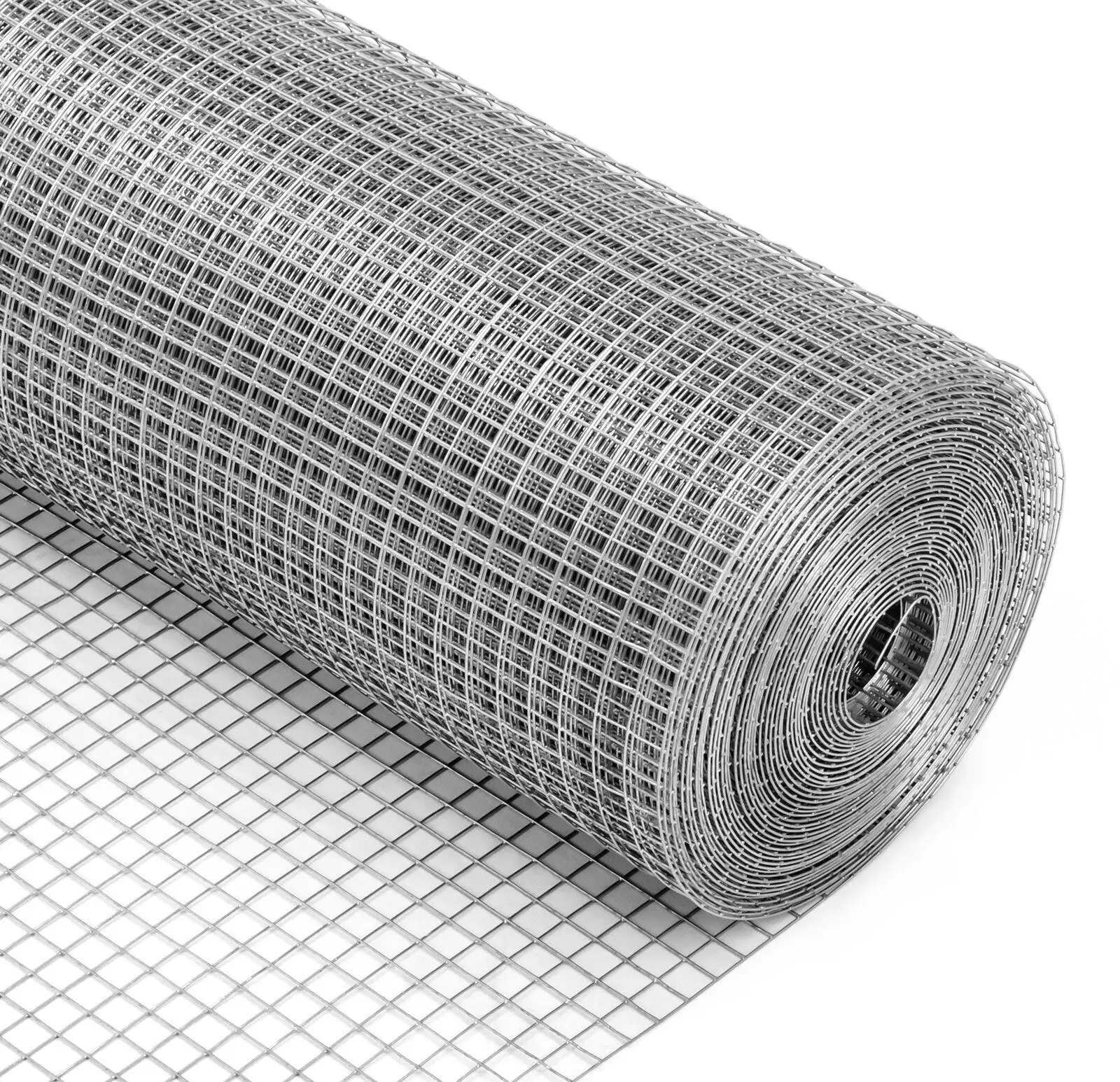
The key to a good pigeon safety net system isn’t just the netting itself, it’s the installation and the materials used. You can’t just slap some netting up and hope for the best. We’re talking about long-term durability, resistance to UV degradation, and a secure fixing system. A lot of cheaper options use inferior plastics that become brittle and break down in the sun. I’ve noticed that stainless steel cables and high-density polyethylene (HDPE) netting are the gold standard. HDPE is strong, lightweight, and incredibly resistant to weathering. The mesh size is crucial too, preventing pigeons from getting through while allowing for airflow and light. Here's a quick breakdown of typical specs:| Parameter | Specification | Notes |
|---|---|---|
| Netting Material | HDPE (High-Density Polyethylene) | UV stabilized, knotless |
| Cable Material | 316 Stainless Steel | Corrosion resistant |
| Mesh Size | 50mm x 50mm (typical) | Adjustable based on bird species |
| Breaking Strength | >200 N/m | High tensile strength |
Vendor Landscape & Considerations
There’s a surprising amount of variation in the market. You've got your specialist manufacturers like YJ Wire Mesh, and then a lot of general industrial suppliers who offer netting as part of a wider portfolio. I suppose the key is finding a vendor who understands the application, not just the product. Many engineers I’ve spoken with prefer vendors offering site surveys and custom installation services. Here’s a quick comparison. It’s not exhaustive, of course, but it gives you a sense of the differences:| Vendor | Specialization | Installation Services | Customization |
|---|---|---|---|
| YJ Wire Mesh | Bird & Industrial Netting | Yes | Extensive |
| Acme Industrial Supplies | General Industrial Products | Limited | Basic sizing options |
| Bird Control Solutions Inc. | Bird Control Specialists | Yes, full-service | High, tailored solutions |
Conclusion
Ultimately, investing in a well-designed and properly installed pigeon safety net system isn’t just about bird control, it's about protecting your investment, ensuring worker safety, and maintaining a clean, compliant environment. It's a small fix with a big return, honestly.
References:
- Industry durability reports, HKaiseal 2023
- Maintenance strategies for conveyor equipment, Journal of Manufacturing 2022
- Personal project insights & engineer interviews 2018–2023
Latest news
-
High Quality Anti Bird Agro Net for Professional Crop ProtectionNewsApr.16,2026
-
Guide to Bird Netting Cost Per Square Foot and Material OptionsNewsApr.09,2026
-
Comprehensive Guide to Bird Netting Cost Factors and Material ChoicesNewsApr.07,2026
-
Comprehensive Guide to Bird Net for Balcony Cost and Installation OptionsNewsApr.04,2026
-
Comprehensive Guide to Bird Netting Price and Effective Protection SolutionsNewsMar.31,2026
-
Comprehensive Guide to Nylon Bird Net Price Factors and OptionsNewsMar.28,2026