Safety Net for Construction Site Price – 2024 Market Insights & Comparison
Safety Net for Construction Site Price: What to Expect in 2024
Having spent more than a decade in the industrial equipment sector, I’ve learned a thing or two about the nuts and bolts of safety gear—including those often overlooked yet vital safety nets for construction. You might be wondering what goes into determining the price of these nets. Well, it’s more than just a sheet of mesh thrown over scaffolding. Let’s dig in.
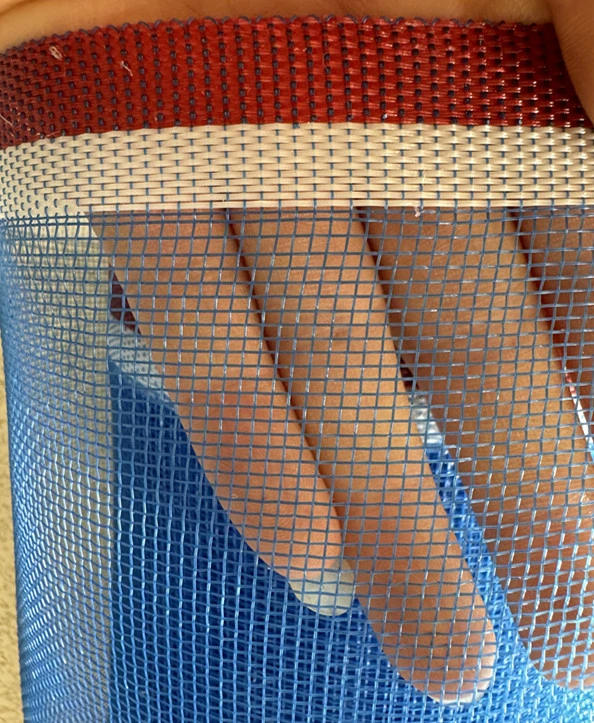
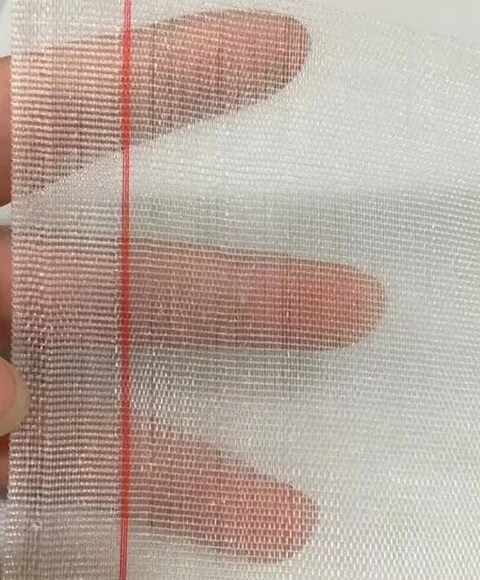
First, the basics. Construction safety nets are engineered specifically to catch debris or even people in emergencies, which means they’re subjected to rigorous standards and testing. Materials matter — most nets are crafted from high-strength polyethylene or nylon fibers, often UV stabilized to withstand the sun beating down day after day.
For years, I’ve noticed prices fluctuate not only with raw material costs but also with customization options. Want your net to be fire retardant, or extra-wide for large scale construction sites? That naturally bumps the price. And oddly enough, installation services or reinforcement sleeves can also add to the final figure, though they’re worth it—not just a convenience, but a safety factor.
Now, a quick note on sizing and mesh size. Standard mesh openings usually range between 30 to 45 mm, balancing material cost and safety requirements. Smaller meshes might cost more, as more fiber goes into producing the net, but many engineers swear by the smaller sizes for better debris containment. Speaking of which, supplier reputation plays a surprisingly big role—less trusted brands might offer lower prices but without reliable certification or real-world durability.
Here’s a brief rundown of typical safety net for construction site price factors:
| Feature | Description | Typical Price Range (USD) |
|---|---|---|
| Material | HDPE with UV stabilization / Nylon variants | $2.5 - $5.5 per sq.m. |
| Mesh Size | 30 mm to 45 mm openings | Varies based on size |
| Fire Retardant Treatment | Optional safety enhancement | +$0.5 - $1 per sq.m. |
| Reinforcements/Edges | Reinforced borders for durability | Included or +$0.3 - $0.7 per sq.m. |
| Certification & Testing | Compliance with OSHA/EN standards | Typically factored in |
I once worked on a project where the customer insisted on a fire-retardant net after a near-accident caused by welding sparks. The price was notably higher, but honestly, given the peace of mind, it was well worth it. Safety really isn’t something to skimp on.
In my field experience, safety net for construction site price comparison comes down not only to numbers but also to supplier reliability. I took the liberty of comparing three well-known vendors to give a sense of the market landscape:
| Vendor | Base Price (per sq.m.) | Customization Options | Certifications | Lead Time |
|---|---|---|---|---|
| YJ Wire Mesh | $3.0 | Fire retardant, sizes, colors | ISO 9001, EN 1263-1 | 2-3 weeks |
| SteelSafe Nets Co. | $2.8 | Sizes only | CE, OSHA compliant | 1 week |
| BuildGuard | $3.5 | Fire retardant, reinforced edges | EN 1263-1, ISO 14001 | 3-4 weeks |
On a final note, when shopping for safety nets, remember that the cheapest option isn’t always the safest. It feels tempting to cut corners, especially on big projects with tight budgets, but in real terms, the right net is an investment—not a cost. I’ve seen clients switch suppliers midway because their initial nets didn’t pass local safety inspections and it caused costly delays.
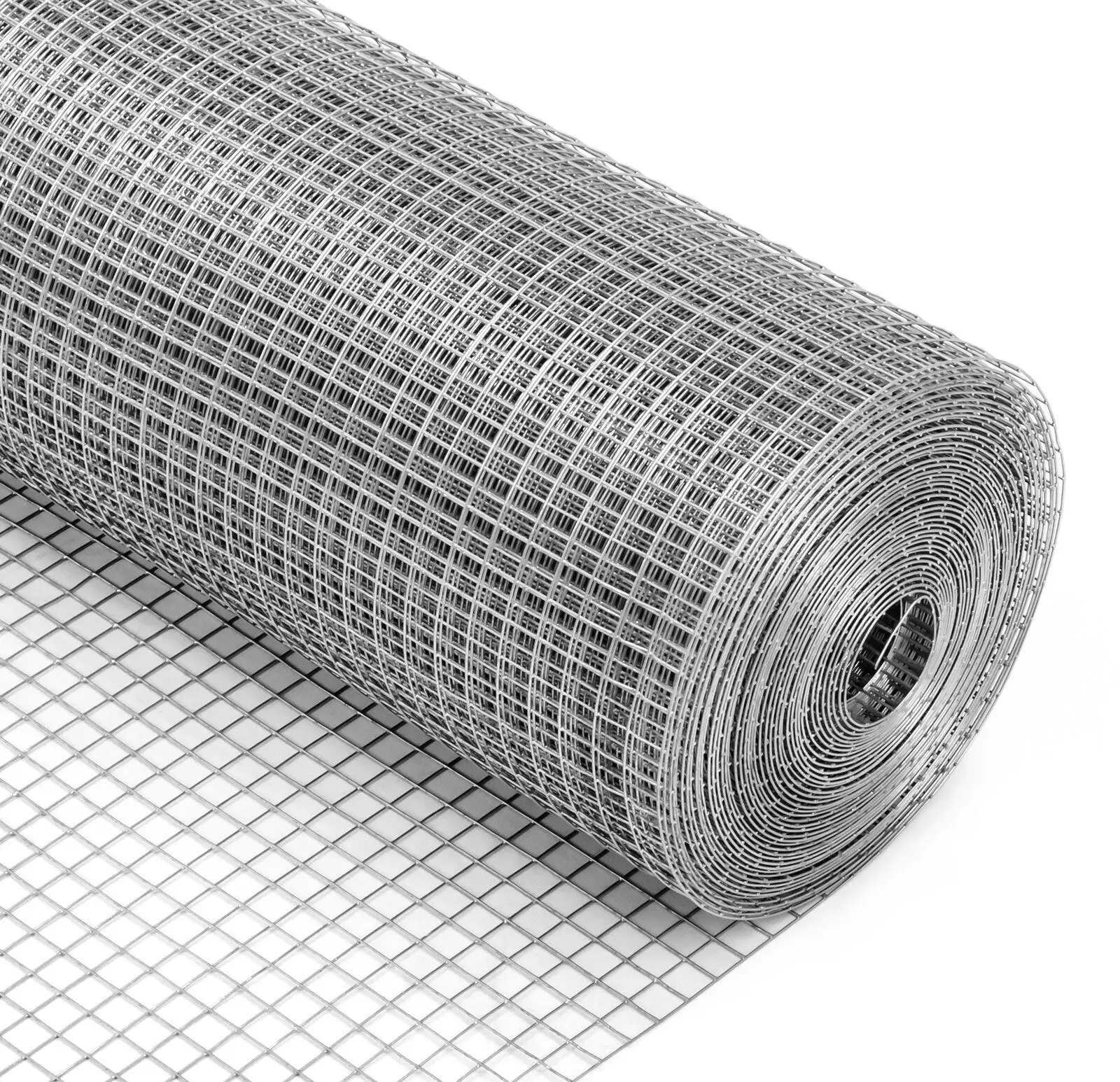
So, if you find yourself tasked with sourcing construction safety nets, start with specifications and certifications, then shop around for customization and pricing. And do yourself a favor—check out YJ Wire Mesh’s offerings. They’ve been a go-to in the sector with quality nets that balance price and performance nicely.
Oddly enough, it’s the seemingly minor details—how tightly woven the net is, how UV resistant the fibers are—that make the biggest difference on-site. And those details cost something, of course.
Safe building ahead!
References:
- Occupational Safety and Health Standards for Construction, OSHA.gov
- EN 1263-1: Safety Net Standards, European Committee for Standardization
- Industry Interviews – Various Construction Safety Managers (2017-2023)
-
High Quality Anti Bird Agro Net for Professional Crop ProtectionNewsApr.16,2026
-
Guide to Bird Netting Cost Per Square Foot and Material OptionsNewsApr.09,2026
-
Comprehensive Guide to Bird Netting Cost Factors and Material ChoicesNewsApr.07,2026
-
Comprehensive Guide to Bird Net for Balcony Cost and Installation OptionsNewsApr.04,2026
-
Comprehensive Guide to Bird Netting Price and Effective Protection SolutionsNewsMar.31,2026
-
Comprehensive Guide to Nylon Bird Net Price Factors and OptionsNewsMar.28,2026