Safety Net Manufacturer | Durable Industrial Safety Nets by YJ Wire Mesh
Safety Net Manufacturer: Why Quality Matters in Industrial Safety Nets
Having spent a fair chunk of my career knee-deep in the industrial equipment sector, I’ve come to appreciate the critical role that safety nets play on site. They’re not just some afterthought but fundamental elements that can save lives and keep operations running smoothly. Now, when we talk about a safety net manufacturer, there’s a lot more behind the scenes than one might guess.
For starters, the best manufacturers understand the volatile nature of industrial environments. It’s not just a question of catching falling tools or debris but also protecting workers against unexpected hazards. Oddly enough, the robustness of these nets often lies in the subtle details — from the wire diameter to the knot strength, everything counts.
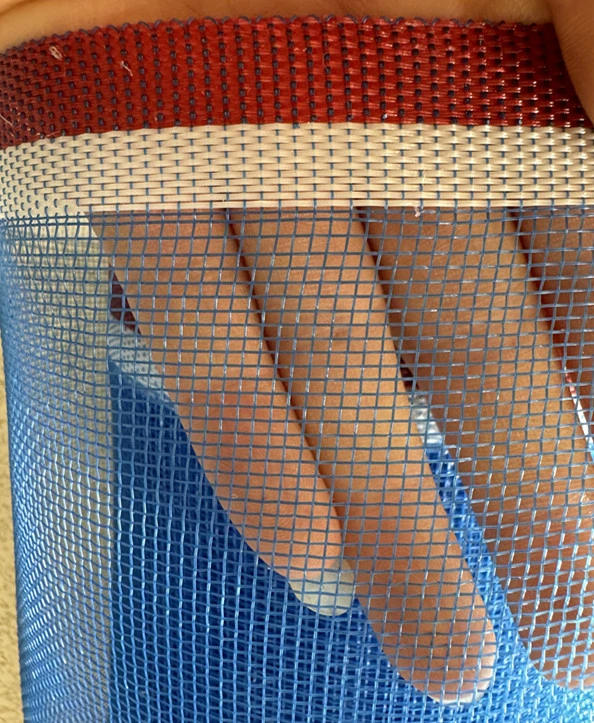
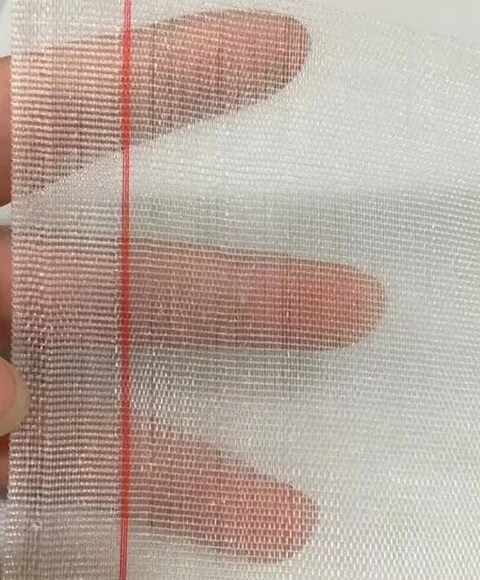
In my experience, top safety net manufacturers prioritize material choice. Most nets are made from high-density polyethylene (HDPE) or nylon, each with its trade-offs. Nylon has excellent elasticity, which means it can absorb shocks better — handy in fall-arrest scenarios. HDPE, on the other hand, offers impressive UV resistance and longevity, ideal for outdoor installations. Something I noticed during walkthroughs was how UV degradation seemed to catch some manufacturers off-guard, emphasizing why material specs shouldn’t be glossed over.
| Feature | Specification | Benefit |
|---|---|---|
| Material | HDPE / Nylon | Durability and elasticity |
| Mesh Size | 50mm to 100mm | Blocks debris, allows airflow |
| Load Capacity | ≥ 200 kg/m² | Supports human impact weight |
| UV Resistance | ≥ 3000 hours | Long outdoor lifespan |
| Customization | Available | Fits varied site needs |
There’s also the testing protocols. Manufacturers I trust always conduct rigorous load and weather resistance tests. I remember visiting a facility where they simulated fall impacts repeatedly to ensure the net wouldn't weaken over time. It felt reassuring, frankly — in real terms, knowing that a safety net won’t snap or fray prematurely can make all the difference.
Speaking of trust, not all safety net manufacturers offer the same perks or standards. Here’s a quick look I put together comparing a few key players in the market:
| Vendor | Material Quality | Customization Options | Certifications | Lead Time |
|---|---|---|---|---|
| YJ Wire Mesh | High (HDPE & Nylon) | Tailored sizes & colors | ISO 9001, SGS | 2-4 weeks |
| Alpha Safety Nets | Medium (HDPE only) | Limited | CE certified | 3-5 weeks |
| SafeGuard Nets | High (Nylon only) | Moderate | ISO 14001 | 4-6 weeks |
Of course, the right choice depends on your specific application. For example, I worked once with a client in offshore wind construction where UV resistance was non-negotiable, so HDPE nets from a trusted manufacturer like YJ Wire Mesh fit perfectly. They didn’t just supply a product but walked through the compliance process with us — which, frankly, made a big difference.
Customization is another fun aspect. Need a net in some unconventional size or color? It’s sort of surprising how many manufacturers balk at this request, yet it’s these details that often smooth installation and even boost site morale. Brightly colored safety nets, for instance, can enhance visibility and add a bit of cheer to a tough job site.
One last thing worth mentioning: ongoing maintenance and inspections. Safety nets aren’t “set and forget.” Most manufacturers provide guidelines, but site managers should periodically check for wear or UV damage. I spotted a slightly frayed edge once during a routine check, and swapping it out early avoided a bigger problem. Prevention, as always, beats cure.
Overall, if you find yourself hunting for a safety net manufacturer, focusing on proven experience, transparent testing, and robust customization options will serve you well. The industry has matured quite a bit, and these nets are nothing like the flimsy ones I saw decades ago. It feels good to know the technology and materials keep pace with the stakes involved.
So yeah — safety nets matter, and choosing the right safety net manufacturer can truly be a turning point in safeguarding your workforce.
References:
- Industry safety standards from OSHA and ISO – safety net requirements and testing protocols.
- Material science journals on polyethylene and nylon durability.
- Vendor product sheets and certification documentation.
-
High Quality Anti Bird Agro Net for Professional Crop ProtectionNewsApr.16,2026
-
Guide to Bird Netting Cost Per Square Foot and Material OptionsNewsApr.09,2026
-
Comprehensive Guide to Bird Netting Cost Factors and Material ChoicesNewsApr.07,2026
-
Comprehensive Guide to Bird Net for Balcony Cost and Installation OptionsNewsApr.04,2026
-
Comprehensive Guide to Bird Netting Price and Effective Protection SolutionsNewsMar.31,2026
-
Comprehensive Guide to Nylon Bird Net Price Factors and OptionsNewsMar.28,2026