Steel Nets: Durable, Cost-effective Solutions for Global Infrastructure and Safety
Steel Nets: The Backbone of Modern Infrastructure and Safety
When you hear “steel nets,” you might think of fencing or cages—something basic and utilitarian. But, frankly, steel nets have grown into an essential part of global infrastructure, touching everything from industrial safety to environmental protection. Why does this matter? Globally, with infrastructure development surging—especially in emerging markets—steel nets offer a flexible, durable solution critical to safety and sustainability. Understanding their role helps industries choose smarter, more cost-efficient options for everything from construction to disaster relief.
Introduction: Why Steel Nets Matter Globally
Steel nets hold a quiet but steady presence behind many of today’s critical systems. According to recent data from the International Organization for Standardization (ISO), demand for steel mesh products is growing at around 5% annually worldwide, fueled by urbanization and industrial expansion. In post-disaster scenarios, timely deployment of steel nets can prevent landslides, secure fragile infrastructure, and protect vulnerable communities. However, challenges arise—like balancing cost, longevity, and climate resilience—that steel nets are uniquely positioned to solve.
Defining Steel Nets
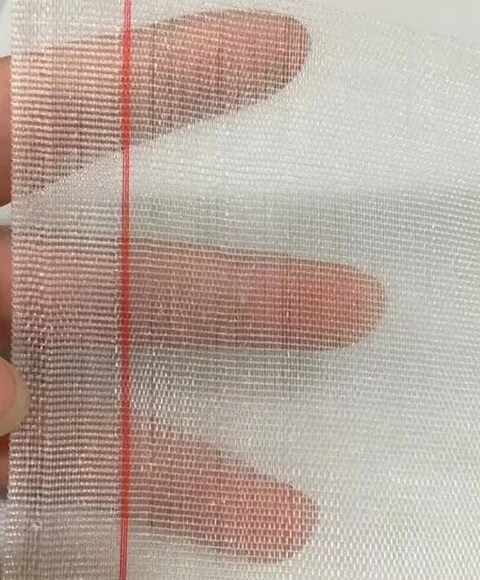
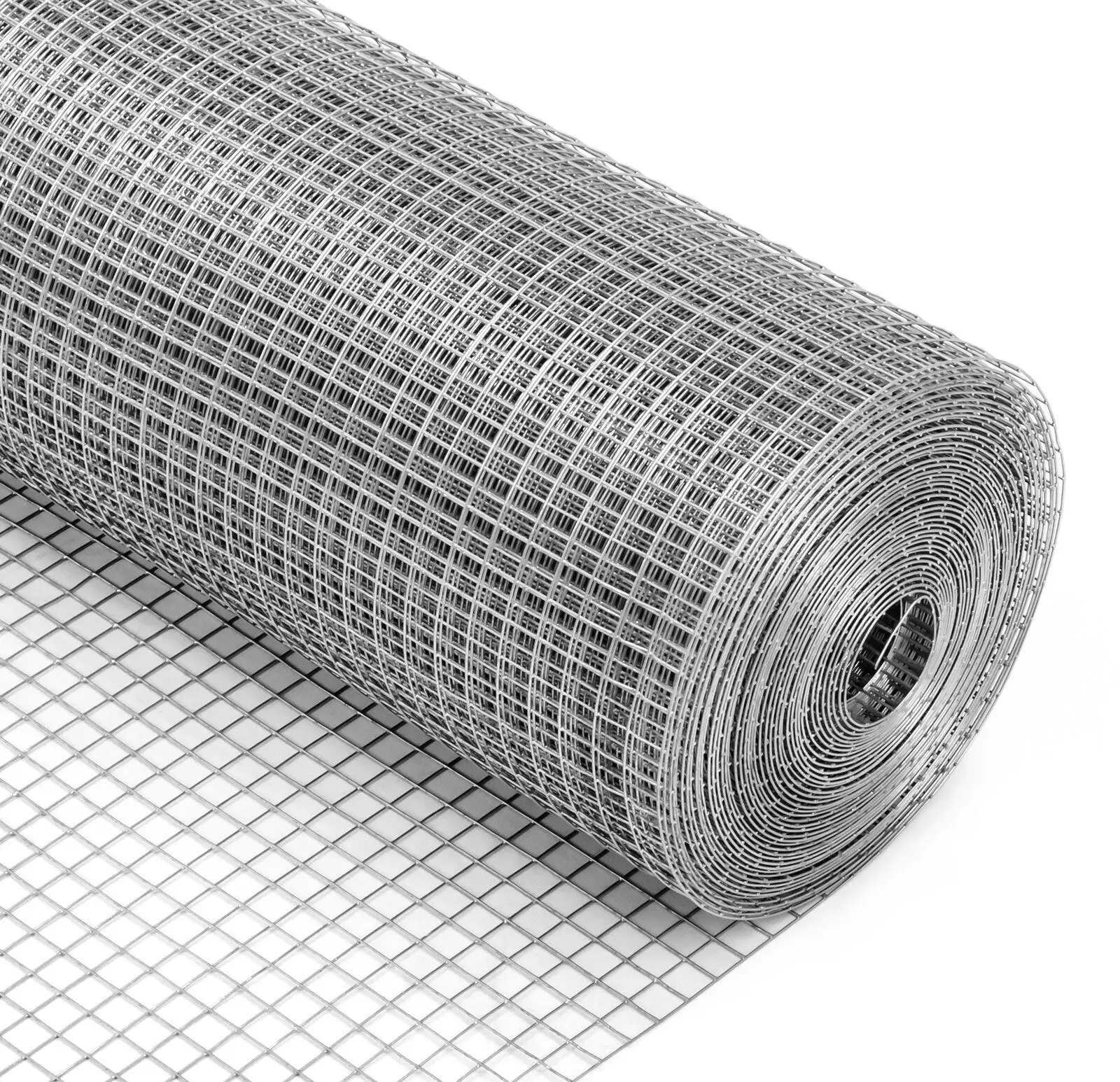
Simply put, steel nets are grids or meshes made from woven or welded steel wires designed to provide reinforcement, protection, or containment. They vary widely—from fine meshes used in filtration systems to heavy-duty barriers safeguarding rock faces. What ties them all together is their strength combined with flexibility, making them invaluable across industries and humanitarian efforts alike.
Key Factors to Consider in Steel Nets
Durability
Steel nets must withstand harsh conditions—extreme weather, chemical exposure, mechanical wear. For instance, galvanized or stainless steel meshes resist corrosion better, lasting decades even outdoors.
Scalability
From small-scale agricultural fencing to massive erosion control installations, steel nets can be customized in size and density. This adaptability makes them ideal whether you’re fencing a farm or securing an entire highway cut.
Cost Efficiency
While initial costs might be higher than some alternatives, steel nets’ longevity reduces replacement needs, offering better value over time. Plus, installation is often simpler and faster, saving labor expenses.
Safety and Compliance
Many industries rely on steel nets to meet strict safety standards—think mining, construction, and transport. Compliance with ISO and ASTM standards ensures that steel nets perform reliably in critical roles.
Environmental Sustainability
Recyclable and often made from recycled materials, steel nets contribute positively to circular economies. Some recent innovations focus on reducing carbon footprints in steel production, aligning with global climate goals.
Global Applications & Use Cases
Steel nets find use in a surprising range of fields:
- Mining and Quarrying: Rockfall protection nets prevent accidents in steep terrain.
- Construction: Concrete reinforcement improves structural integrity.
- Environmental Protection: Sediment control nets mitigate erosion along waterways.
- Disaster Relief: Rapidly deployable steel mesh barriers stabilize vulnerable slopes after earthquakes or landslides.
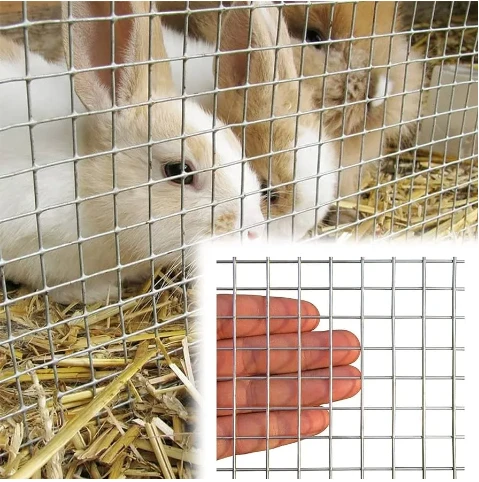
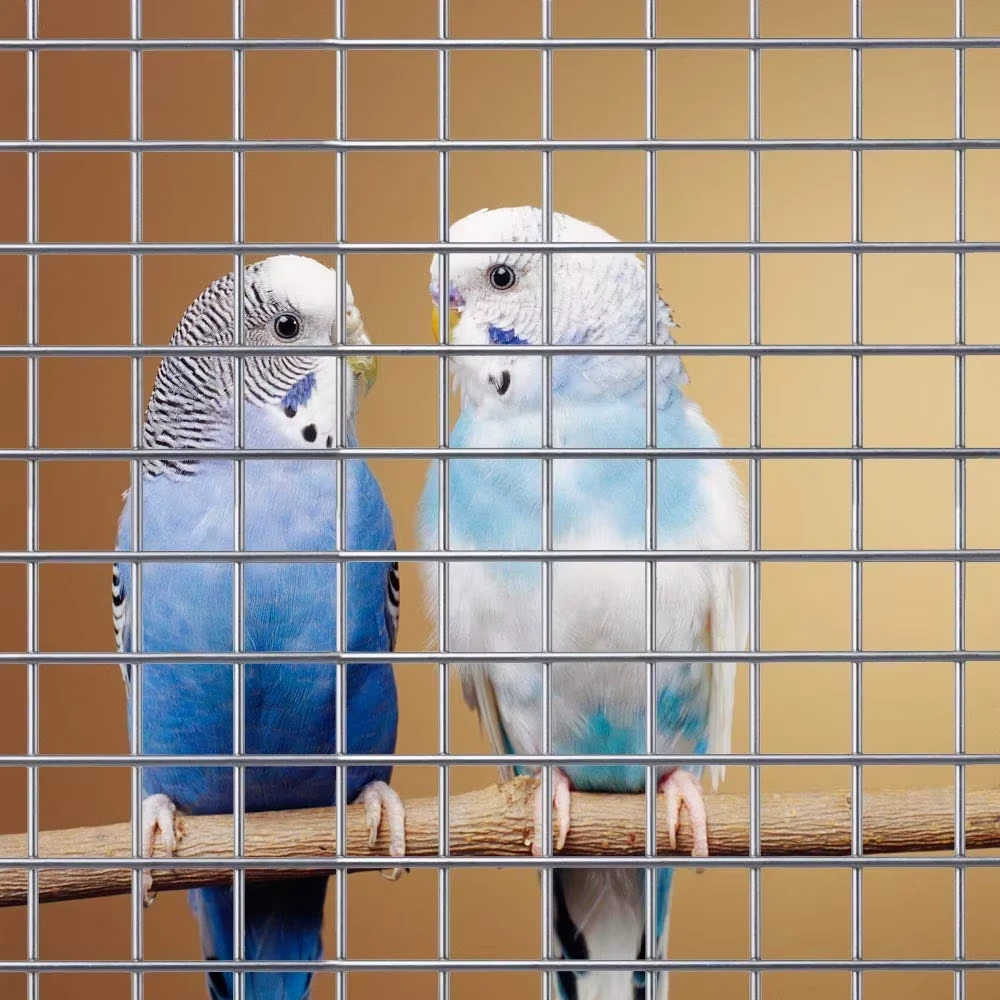
- Agriculture: Animal enclosures and crop protection benefit from mesh flexibility.
Regions like South America and Southeast Asia, prone to landslides and floods, extensively integrate steel nets into disaster prevention infrastructure.
Mini takeaway:
Steel nets are much more than fencing—they are versatile tools shaping safety and stability worldwide.
Advantages & Long-Term Value
Choosing steel nets yields benefits beyond the obvious physical protection:
- Reliability: High tensile strength coupled with corrosion resistance means fewer failures and extended service life.
- Cost Savings: Less frequent replacements and minimal maintenance mean lower total investment.
- Social Impact: In disaster-prone areas, they protect lives and infrastructure, preserving dignity and community resilience.
- Innovation: New coatings and weaving techniques continuously improve performance, making them a future-proof choice.
Product Specifications of Typical Steel Nets
| Parameter | Specification |
|---|---|
| Material | Galvanized Steel / Stainless Steel |
| Mesh Size | 10 mm to 100 mm (varies by application) |
| Wire Diameter | 1.5 mm to 5 mm |
| Tensile Strength | 400 – 600 MPa |
| Coating | Hot-dip galvanizing, PVC coating |
| Standard Compliance | ISO 10684, ASTM A616 |
Vendor Comparison Table: A Quick Look at Leading Steel Nets Suppliers
| Vendor | Product Range | Custom Services | Global Reach | Price Level |
|---|---|---|---|---|
| YJ Wire Mesh | Wide (reinforcement, fencing, mining) | Tailored mesh size, coatings | Asia, Americas, Europe | Competitive |
| Global Mesh Co. | Primarily construction-grade | Limited custom options | Europe, North America | Higher |
| EcoGreen Mesh Ltd. | Focus on eco-friendly coatings | Green product consulting | Global | Moderate |
Future Trends & Innovations in Steel Nets
The future looks bright—and a bit technical—for steel nets. Innovations include:
- Smart Steel Nets: Embedded sensors detect strain and environmental changes, enhancing safety monitoring.
- Eco-friendly Coatings: New biodegradable coatings aim to reduce environmental impact further.
- Automation in Manufacturing: Robotics improve precision and reduce costs in custom mesh production.
- Regulatory Advances: Stricter global safety and sustainability standards push innovation.
Challenges & Expert Solutions
Of course, not everything is perfect. Challenges include:
- Corrosion in Harsh Environments: Saltwater and acidic soils can wear down standard steel nets rapidly.
- Installation Complexity: Large or heavy nets need skilled labor and specialized equipment.
- Cost Sensitivity: Some sectors find initial investment prohibitive.
Experts recommend: using stainless steel or PVC-coated nets in corrosive settings, offering training programs for installers, and designing modular nets to streamline deployment and reduce upfront costs.
Frequently Asked Questions About Steel Nets
1. How durable are steel nets compared to traditional barriers?
Steel nets generally last 20–30 years, depending on maintenance and environment, surpassing wood or plastic barriers in both longevity and strength.
2. Can steel nets be customized for unique industrial needs?
Absolutely. Vendors like steel nets suppliers provide custom mesh sizes, wire thicknesses, and coatings tailored to specific challenges.
3. Are steel nets environmentally friendly?
Yes. Steel is highly recyclable, and modern coatings are increasingly eco-conscious, making steel nets a sustainable choice in many applications.
4. How quickly can steel nets be deployed in emergency disaster relief?
Deployment varies but many modular and pre-fabricated steel nets can be installed within days, stabilizing dangerous terrain swiftly.
5. What standards ensure the quality of steel nets?
International standards like ISO 10684 and ASTM A616 govern manufacturing quality, ensuring safety and performance across industries.
Conclusion
Steel nets aren’t just meshes of metal—they are frameworks of safety, innovation, and resilience supporting everything from global infrastructure to local communities in need. Their remarkable blend of durability, adaptability, and sustainability ensures they will remain crucial in years to come. Interested in learning more or sourcing top-quality steel nets? Visit our website: https://www.yjwiremesh.com and explore the possibilities.
Final reflection:
In a world where infrastructure must be both strong and smart, steel nets quietly weave the fabric of modern safety and sustainability, reminding us that sometimes, simple materials build the strongest futures.
References:
-
High Quality Anti Bird Agro Net for Professional Crop ProtectionNewsApr.16,2026
-
Guide to Bird Netting Cost Per Square Foot and Material OptionsNewsApr.09,2026
-
Comprehensive Guide to Bird Netting Cost Factors and Material ChoicesNewsApr.07,2026
-
Comprehensive Guide to Bird Net for Balcony Cost and Installation OptionsNewsApr.04,2026
-
Comprehensive Guide to Bird Netting Price and Effective Protection SolutionsNewsMar.31,2026
-
Comprehensive Guide to Nylon Bird Net Price Factors and OptionsNewsMar.28,2026